Cattlemen say wolf management based on emotion, not science
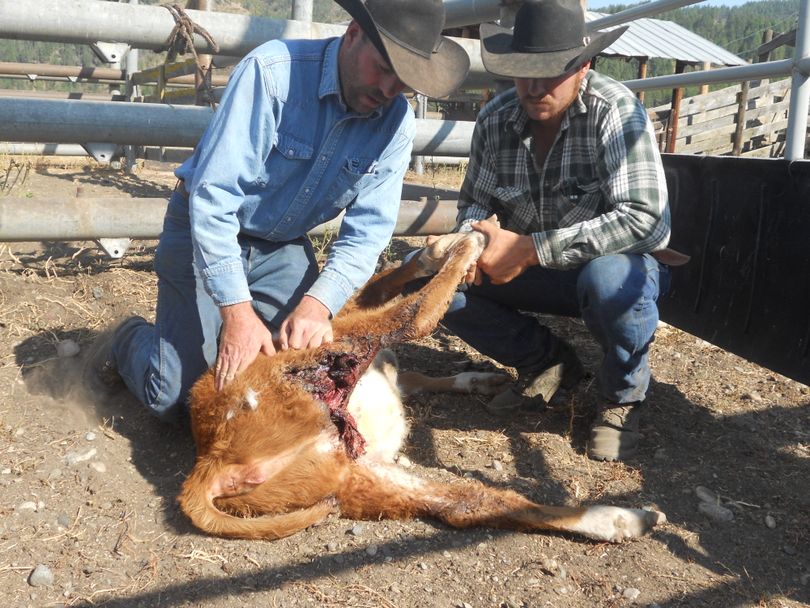
ENDANGERED SPECIES -- The Stevens County Cattlemen’s Association says Washington has crafted much of its wolf management policy based on social pressure, not on data.
In a media release, the association said the answers or lack of answers to public records requests indicate the Washington Department of Fish and Wildlife lacks the information to properly manage the predator.
“Over the last several months, we have submitted a number of formal requests to WDFW regarding specific data related to the wolf,” said SCCA President Scott Nieslen. “The responses we received show that WDFW has no information on the number of prey animals available for the wolves, they have limited information about the wolf population and have no ability to predict how wolves will affect local communities."
Actually, the WDFW hasn't been hiding its lack of information on big-game herds -- the prey base for wolves, as you can see in the sidebar to this report I filed in September.
Questions the association has asked include:
- “What is the current ungulate prey base in Eastern Washington?”
- “What is the current predator population?”
- “What are the anticipated prey needs for the eight wolf packs in Eastern Washington?”
- “What are the scientific studies on predator and prey relationships?”
WDFW presented some information on cougar populations at a SCCA meeting in December in Colville.
However, questions about the wolf and its impacts on the current predator/prey populations or any data related to ungulate populations in the region could not be answered, the media release said.
"The WDFW also affirmed their inability to answer the questions in formal public records requests from SCCA," the release said.
Indeed, the agency has scheduled three public meetings in the state, including a Jan. 16 meeting in Spokane, featuring experts who will help answer questions the public has about Washington's wolf management policies.
“We felt it was very important to remove the emotions and politics from the wolf issue and start talking about nuts and bolts,” said Nielsen.
“We know that we already have too many wolves in the area and we need to see proactive management of the animal.”
He noted that the Colville Confederated Tribes already have approved an open hunting season to remove 9 wolves on the reservation’s 1.4 million acres.
“We don’t have to look any further than our own backyard to see other groups taking proactive actions designed to protect deer and elk populations. We should be doing the same,” said Nielsen.
Wolves in northeastern Washington should no longer be treated as though they need special protections, the group says.
"The recovery of the wolf on a regional level has already been asserted by the U.S. Fish and Wildlife Service that declared the wolf as 'fully recovered' in the Northern Rocky Mountain Region in a status review in 2012.
SCCA presented WDFW a formal request on Dec. 9 that the wolf be delisted in the Eastern Washington Region.