ADVERTISEMENT
July 18, 2009 in Idaho

Smelter funding beach cleanup

B.C. site dumped metals in river
Becky Kramer beckyk@spokesman.com, (208) 765-7122
  • Print
  • Share
 

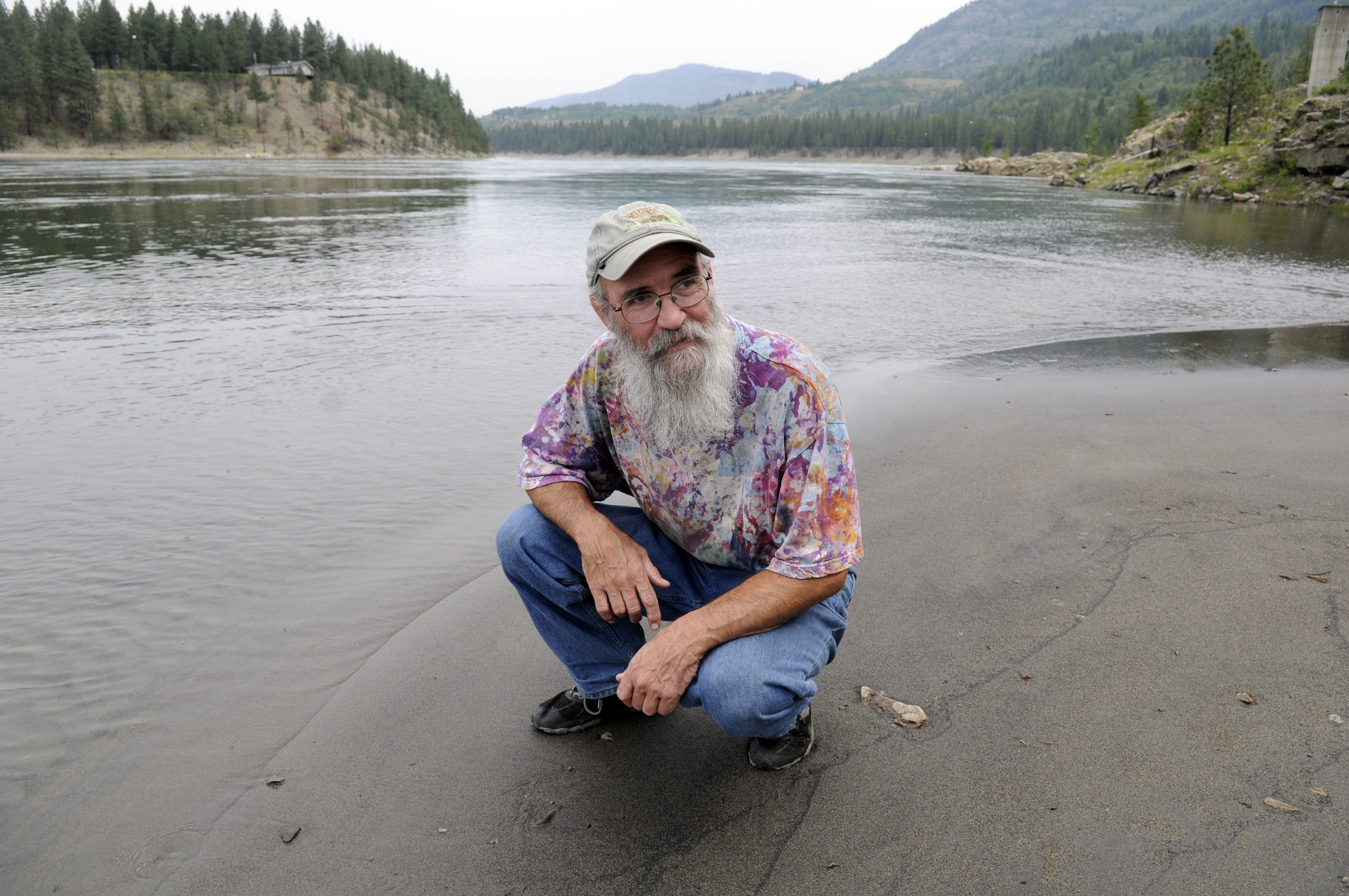
Matt Wolohan, who lives near Northport, Wash., talks about Black Sand Beach during a June interview. The beach “is the visual image of what Teck Resources has done,” said Wolohan, noting that the pollution is even more visible during low water. But Wolohan and other members of Citizens for a Clean Columbia think other beaches pose even more risk and should be cleaned up first.
(Full-size photo)

A Canadian smelter has agreed to clean up a beach near Northport, Wash., that’s become a symbol for a century’s worth of pollution dumped into the Columbia River.

Black Sand Beach takes its name from the slag generated by Teck Resources Ltd.’s smelter in Trail, B.C. A thick deposit of the glassy, granular pollutant covers the popular swimming beach.

Under a voluntary agreement with the state of Washington, Teck Resources will excavate about 5,000 cubic yards of slag from the beach next fall, when the water is low. The slag, a byproduct of the smelting process, contains heavy metals including lead, arsenic and zinc. Through the $1 million cleanup project, the slag will be recycled and sold for use in the cement industry.

Excavating the beach addresses “a small fraction” of the slag in the Columbia River, said John Roland, a supervisor with the Washington Department of Ecology’s toxic cleanup program. Teck Resources, formerly known as Teck Cominco, dumped 400 or more tons of slag into the river daily from the late 1800s until 1995, when the Canadian government put a halt to the practice.

“It’s a starting point,” Roland said of the Black Sand Beach cleanup. However, Citizens for a Clean Columbia – an activist group of about 70 people – said other beaches should take higher priority for cleanup. The group links colitis, Crohn’s disease and other bowel diseases suffered by Northport residents to their use of polluted beaches in the community, which is downriver from the smelter.

Ecology and Teck Resources should test beaches for heavy metals near where clusters of bowel disease were reported and target them for cleanup, said Bob Jackman, whose wife and son frequently swam in the Columbia and later developed colitis.

“Black Sand Beach is the visual image of what Teck Resources has done, but the cleanup is a lot of window dressing,” said Matt Wolohan, another member of Citizens for a Clean Columbia. “I don’t know what Ecology and Teck expect to get out of it. Good PR maybe.”

Ecology’s Roland said Black Sand Beach was selected for several reasons. “It’s well used by the local community for swimming, and it’s on state trust land” about three miles downstream from the U.S.-Canadian border, he said.

Black Sand Beach also contains high levels of zinc and copper, both of which are toxic to aquatic insects, he said. In 2005, the federal Environmental Protection Agency tested 15 beaches in the Upper Columbia River for pesticides and heavy metals, determining that they were safe for recreational use of two weeks a year. This summer, the EPA started additional testing that will determine if people and animals are at risk from the pollution. The results will drive future cleanup work. The EPA’s work is separate from Black Sand Beach’s cleanup, which is directed by the state, Roland said.

During the last legislative session, Ecology secured $2 million in state funds to do the cleanup at Black Sand Beach. When Teck Resources learned about the project, the company offered to pay for the work. Because Teck will recycle the slag, the cleanup costs were cut by about half, Roland said.

“We saw this as an opportunity to work cooperatively with the state … to get something done that everyone felt should be done,” said David Godlewski, a vice president at Teck American, the company’s U.S. subsidiary in Spokane.

“We think that it will lower some of the concerns that people have about the river.”

Seven comments on this story so far. Add yours!
  • Ninch on July 18 at 7:17 a.m.

    Interestingly, there is a Slag Cement Association, and slag cement has a long history, e.g. used in Empire State Building. Notably, most federally-funded projects include slag cement in concrete specifications. Makes sense that Teck Resources sees an economic opportunity here, which is a good thing because they have been kicking and screaming all along the way until now regarding Upper Columbia River pollution.

    Flag as inappropriate

  • westside on July 18 at 12:06 p.m.

    Wow 400 tons of slag per day for 100 years? Thats over 14 million tons of slag dumped. At least Tec is starting to clean up.

    Flag as inappropriate

  • imago on July 18 at 2:40 p.m.

    I'd be interested in any information about how recontamination of the beach will be prevented. Sand bars, beaches, and every rock crevise upstream is filled with slag.

    Flag as inappropriate

  • skitboy on July 19 at 9:04 p.m.

    i think it's worth noting that there was also a smelter in Northport on the river bank. it would be interesting to know what is leaching into the river from that old smelter. i'm not saying that Tech hasn't polluted the river, but they are not the only ones. Who is responsible for the northport smelter site?

    Flag as inappropriate

  • skigirl on July 26 at 1:11 p.m.

    The Northport Smelter operated a very short time; from the late 1890's to about 1905 when the LeRoi company of Canada, who owned the mine, started shipping the ore from Rossland to the Trail smelter because the Northport smelter wasn't geared to smelt lead. The Northport Smelter had been used to smelt copper from the LeRoi ore. Then, an american company bought the idle smelter, refitted it for refining ore to make lead bullion which was then shipped to the east coast for further smelting. They only operated for about five years and then the high freight costs forced closure. Skitboy probably hasn't been in the area so wouldn't know that the black sand beaches are upriver from the Northport Smelter. The Trail smelter dumped the slag in the river for over 40 years until they were forced to stop. Further, their stacks have pushed pollutants into the air for many more years. I remember guys talking about “bypassing the scrubbers” which means that even after Cominco was forced to put enviromental filters on the stacks, the guys at night would be directed by the foremen to open the stacks. The scrubbers make the process less efficient, slower, less productive—so bypassing the scrubbers would mean more ore smelted on that shift—perhaps bigger bonus for the bosses?

    Flag as inappropriate

  • skigirl on July 26 at 1:23 p.m.

    P.S. Typing too fast and hit 40 instead of 90—the number of years Cominco dumped slag into the Columbia.

    Flag as inappropriate

  • paparichj on July 26 at 8:05 p.m.

    I like how David Godlewski, vp of Teck America said
    “We saw this as an opportunity to work cooperatively with the state … to get something done that everyone felt should be done”…… “We think that it will lower some of the concerns that people have about the river.”

    The last time Teck felt helping out financially with the clean up of the tons of metal toxins they dumped in the Columbia River for over 90 years it was only because the courts forced them to (after they appealed the last decision and lost). I find it interesting that they are patting themeselves on the back now for throwing in some money to help out - but it is obvious they found this the perfect opportunity to look good yet they will make back at least half the money they so kindly offer to us when they sell the slag they recover from the beach to the cement industry.

    Black Sand Beach is one of the least contaminated of the beaches near Northport. After seeing so many of my family and their neighbors suffer for years from ulcerative colitis (among many things) over the years I can guarantee you it will not lower any of my concerns.

    Flag as inappropriate

You must be logged in to post comments. Create an account or log in below.

ADVERTISEMENT