
Grizzly in triple mauling was light, not starving
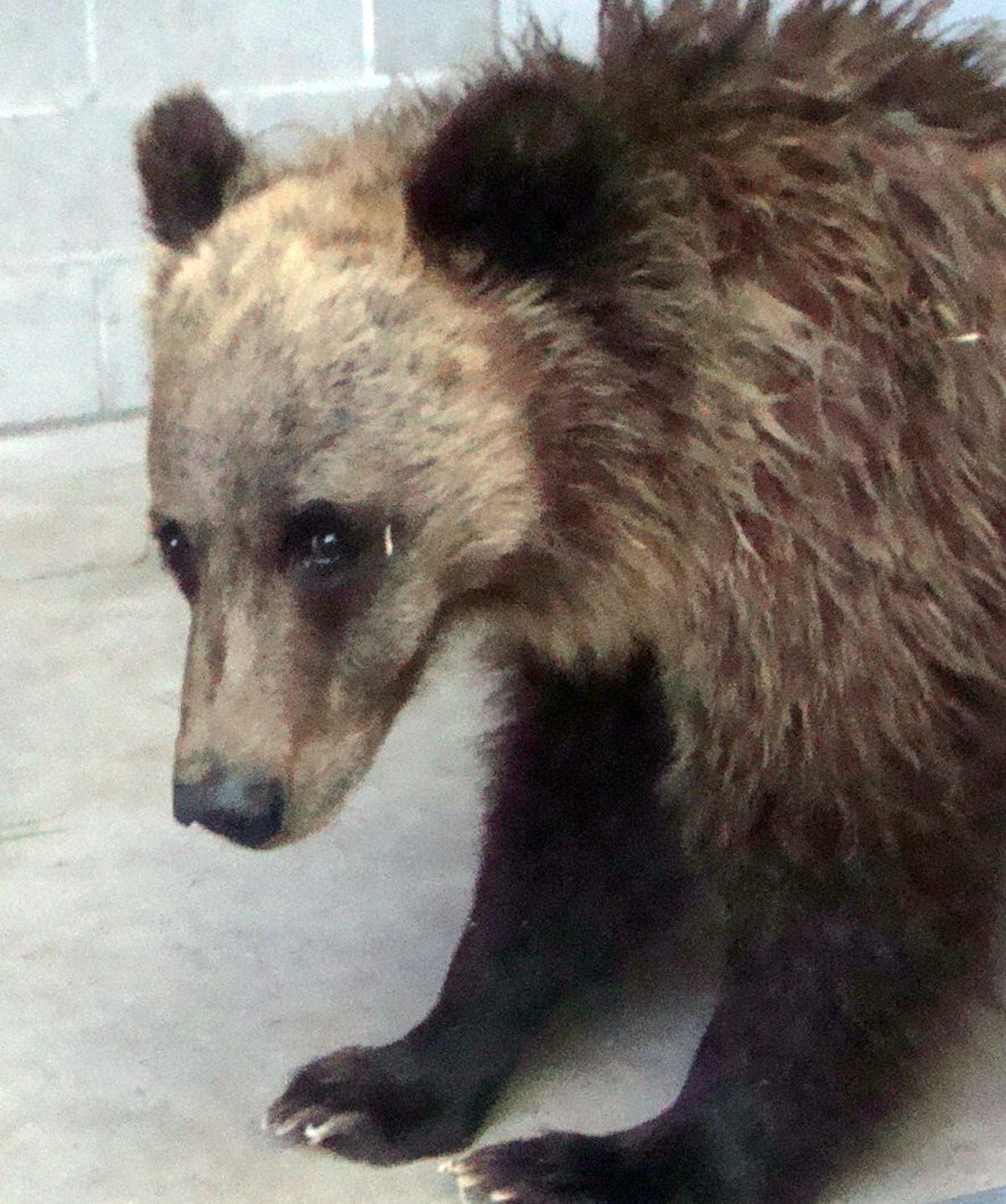
BILLINGS, Mont. — A grizzly bear that preyed on three campers outside Yellowstone National Park was underweight but not starving, and it was in an area with ample natural food supplies, wildlife officials said today as they worked to figure out why the animal attacked.
With the necropsy on the female grizzly still being analyzed, officials had no explanation for what caused the bear to rampage through a campground Wednesday with cubs in tow.
“Trying to make some connection between body size of a bear and strange behavior is a stretch,” said Chris Servheen, the U.S. Fish and Wildlife Service biologist coordinating the investigation.
Kevin Kammer, 48, of Grand Rapids, Mich., was killed, and two other people — a woman from London, Ontario, and a man from Colorado — were injured in the nighttime attacks at the Soda Butte Campground outside Cooke City.
The sow was euthanized Friday. Its three cubs are now in a Billings zoo.
The attack was the most brazen in the Yellowstone area since the 1980s, stirring speculation that the bear suffered some physical ailment or was driven to desperation by tight food supplies.
Investigators were working through all possibilities, but Servheen said “nothing obvious has emerged as yet.”
The sow was at least 10 years old but had healthy teeth indicating it was not a geriatric animal, said Andrea Jones with Montana Fish Wildlife and Parks. Some grizzlies live more than 20 years.
It weighed 221 pounds — less than the average of 300 to 400 pounds but still within a healthy range.
The director of ZooMontana on Sunday described the cubs as malnourished. But Jones said her agency was not describing them that way; the animals were underweight but not starving.
And the number of cubs, although higher than the average of 2.2 cubs per female, was still within the norm, said Chuck Schwartz, a grizzly bear expert with the U.S. Geological Survey.
“She was small, her yearlings were small, but we see small runty cubs, small runty yearlings,” Schwartz said. “The only thing that’s unusual to me is the fact that this is a predatory event.”
A wildlife biologist from Alaska, the state with the most grizzly bears, said figuring out why bears attack humans is sometimes impossible. Most grizzlies only attack when threatened or surprised, but every once in a while, one hunts down humans for no discernible reason, said Jessica Coltrain with the Alaska Department of Fish and Game.
“They are large predators that have the capacity to do damage,” she said.
The Yellowstone region has an estimated 600 grizzlies, an omnivorous species with a diet of berries, elk, fish, moths, ants and even pine nuts.
The beetle-caused decimation of the whitebark pine has been cited by environmentalists as putting grizzlies in greater danger of extinction because some bears rely on whitebark pine nuts as a mainstay.
A federal judge agreed last year, citing declines in the tree’s numbers to restore threatened species protections for Yellowstone grizzlies. Those protections were lifted in 2007.
Schwartz cautioned against extrapolating problems with that one food source to come up with any conclusion about the Soda Butte attacks. Because whitebark pine nuts don’t become available until later in the summer, “it’s somewhat irrelevant to this case,” he said.
Residents around Cooke City, half a mile from the campground, reported seeing the grizzly family around the small tourist town in recent weeks. State wildlife agents said they received no complaints of any run-ins between the animals and humans.
Soda Butte Campground has been closed since the maulings, but authorities today reopened two others that were shut as a precaution.