
Hundreds of plants, animals up for new protections
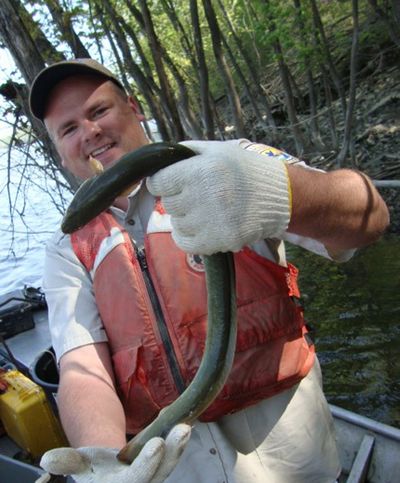
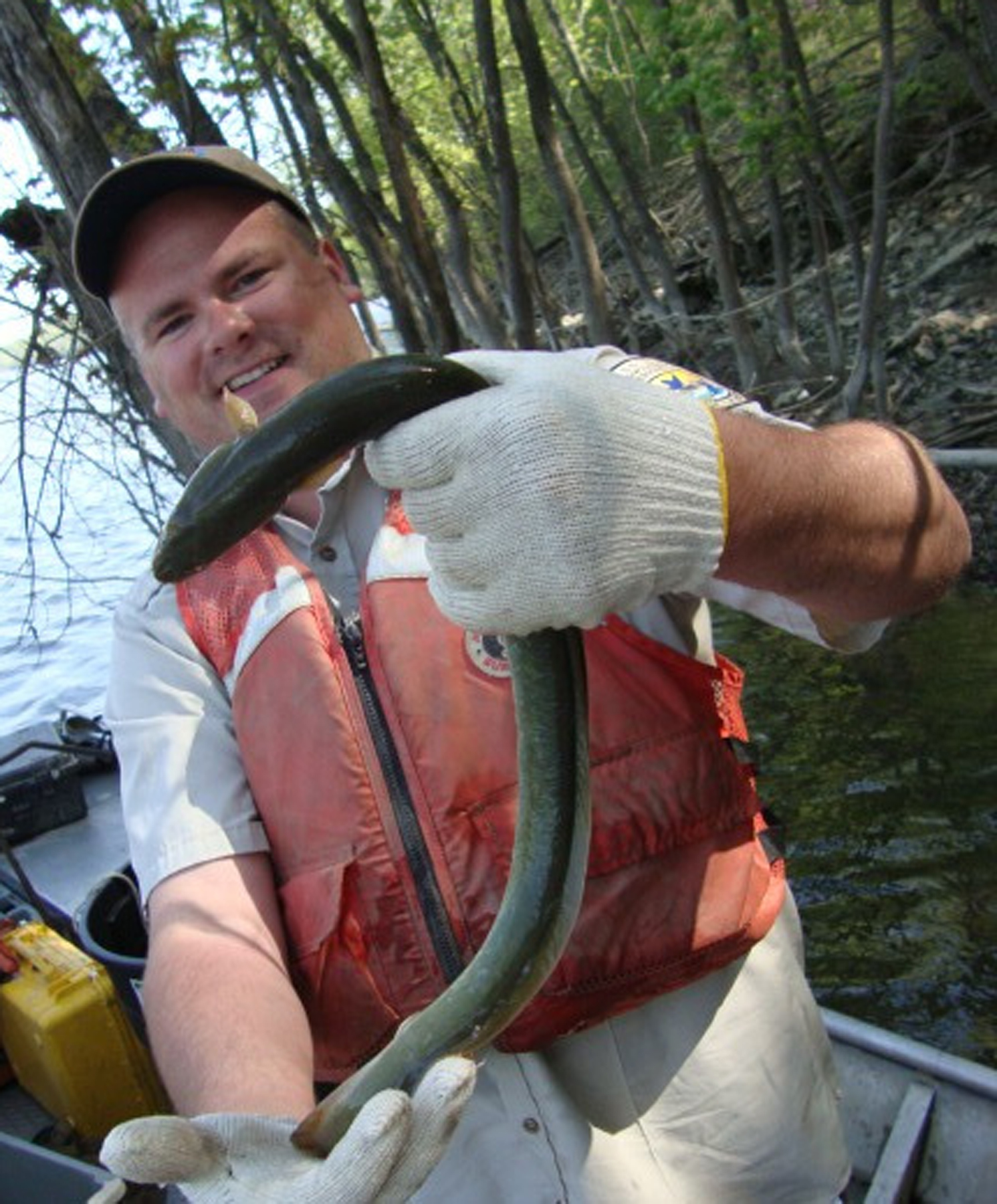
BILLINGS, Mont. — The Obama administration is taking steps to extend new federal protections to a list of imperiled animals and plants that reads like a manifest for Noah’s Ark — from the melodic golden-winged warbler and slow-moving gopher tortoise, to the slimy American eel and tiny Texas kangaroo rat.
Compelled by a pair of recent legal settlements, the effort in part targets species that have been mired in bureaucratic limbo even as they inch toward potential extinction.
With a Friday deadline to act on more than 700 pending cases, the U.S. Fish and Wildlife Service already has issued decisions advancing more than 500 species toward potential new protections under the Endangered Species Act.
Observers said the agency’s actions mark a breakthrough for a program long criticized by conservatives and liberals alike as cumbersome and slow.
“Here at a single glance, you see the sweep of the Endangered Species Act,” said Patrick Parenteau, an environmental law professor at the University of Vermont. “They are moving through this large backlog at a fairly crisp clip now. This is the largest number of listing actions we’ve seen in a very long time, in decades.”
Also among species that advanced for further consideration are 35 snails from Nevada’s Great Basin, 82 crawfish from the Southeast, 99 Hawaiian plants and a motley cast of butterflies, birds, fish, beetles, frogs, lizards, mussels and more from every corner of the country.
Some have languished for decades on a “candidate list” of species the government says warrant protection but that it lacks the resources to help.
The flurry of recent action could help revive Obama’s standing among wildlife advocates upset over the administration’s support for taking gray wolves off the endangered list in the Northern Rockies and Upper Great Lakes, among other issues.
But it also comes amid a backlash in Congress against the 37-year-old endangered species program. Earlier this year, citing restrictions against development and other activities, Republicans unsuccessfully sought to strip the federal budget of money to list new species as threatened or endangered.
Most of the decisions made under the current settlements are preliminary. So far only 12 new animals and plants have reached the final step and been added to the almost 1,400 species on the government’s threatened and endangered list. Also, not every species made the cut to take the next step. Roughly 40 rejections have been meted out, including for plains bison, the giant Palouse earthworm of Idaho and Utah’s Gila monster. Those rejections are subject to court challenges.
Friday’s deadline was established in a pair of settlements approved by U.S. District Judge Emmett Sullivan on Sept. 9. Those deals resolved multiple lawsuits brought against the Fish and Wildlife Service by two environmental groups, Arizona-based Center for Biological Diversity and New Mexico-based WildEarth Guardians.
WildEarth Guardians’ Mark Salvo said the agency’s actions so far lend credence to claims that the affected species were in serious trouble.
“The science supports protecting these species,” he said. “They were obviously in peril, and our agreement with the agency was intended to allow it finally address these listings.”
Fish and Wildlife Service director Dan Ashe praised the deal and referred to the Endangered Species Act as a “critical safety net for America’s imperiled fish, wildlife and plants” in a statement provided by his office.
Agency spokeswoman Vanessa Kauffman said much of the work to comply with the settlements was well under way before the deals were finalized. The settlements also contained provisions aimed at limiting the number of petitions that can be filed by the two environmental groups if they want additional animals and plants considered for protections.
Kauffman said that would free up agency staff to spend more time on species recovery.
Noah Greenwald with the Center for Biological Diversity said the Fish and Wildlife Service was making “substantial progress.”
“This is what we were looking for — starting to move species out of the pipeline into listing, and getting more species into the pipeline to get them under consideration,” he said.
But U.S. Rep. Mike Simpson, an Idaho Republican who introduced the budget provision stripping the listing program of funding, issued a statement calling the endangered program “outdated.” His office said he would continue to oppose it.
“Congress desperately needs to modernize the ESA (Endangered Species Act) to make it work,” Simpson said. “Today the ESA is a tool for controlling land and water, not for preserving species.”
Simpson’s comments reflect the antipathy toward the endangered act from conservatives and business leaders who see it as hampering economic development. Those tensions have surfaced frequently during the act’s history, from fights in the 1980s over the spotted owl and logging in the Pacific Northwest to recent clashes over how much undeveloped habitat threatened grizzly bears need to survive.
Parenteau said the government’s latest decisions set the stage for future disputes, including in the Southeast where increased demand for limited water supplies could run up against attempts to conserve the habitat of fish, salamanders, turtles and other aquatic creatures eligible for new protections.
Yet, there are ways to avoid such conflicts, said Thomas Lovejoy, with the Heinz Center in Washington, D.C. Lovejoy, former chief biodiversity adviser to the World Bank, said the Fish and Wildlife Service has shown a willingness to be flexible with other protected species.
He pointed to the red-cockaded woodpecker, found in 11 southern and south-central states, and said recovery of the bird benefited from lifting impediments to development in some areas as long as enough habitat was protected elsewhere.
“The first thing that will happen is people will look at this and say, ‘Oh my God, the slender salamander, what is that going to do for us? Or Franklin’s bumblebee, what is that going to do?”’ Lovejoy said. “It’s not in every example the government tightens the screws.”