
Topics
Midnite Mine
Summary
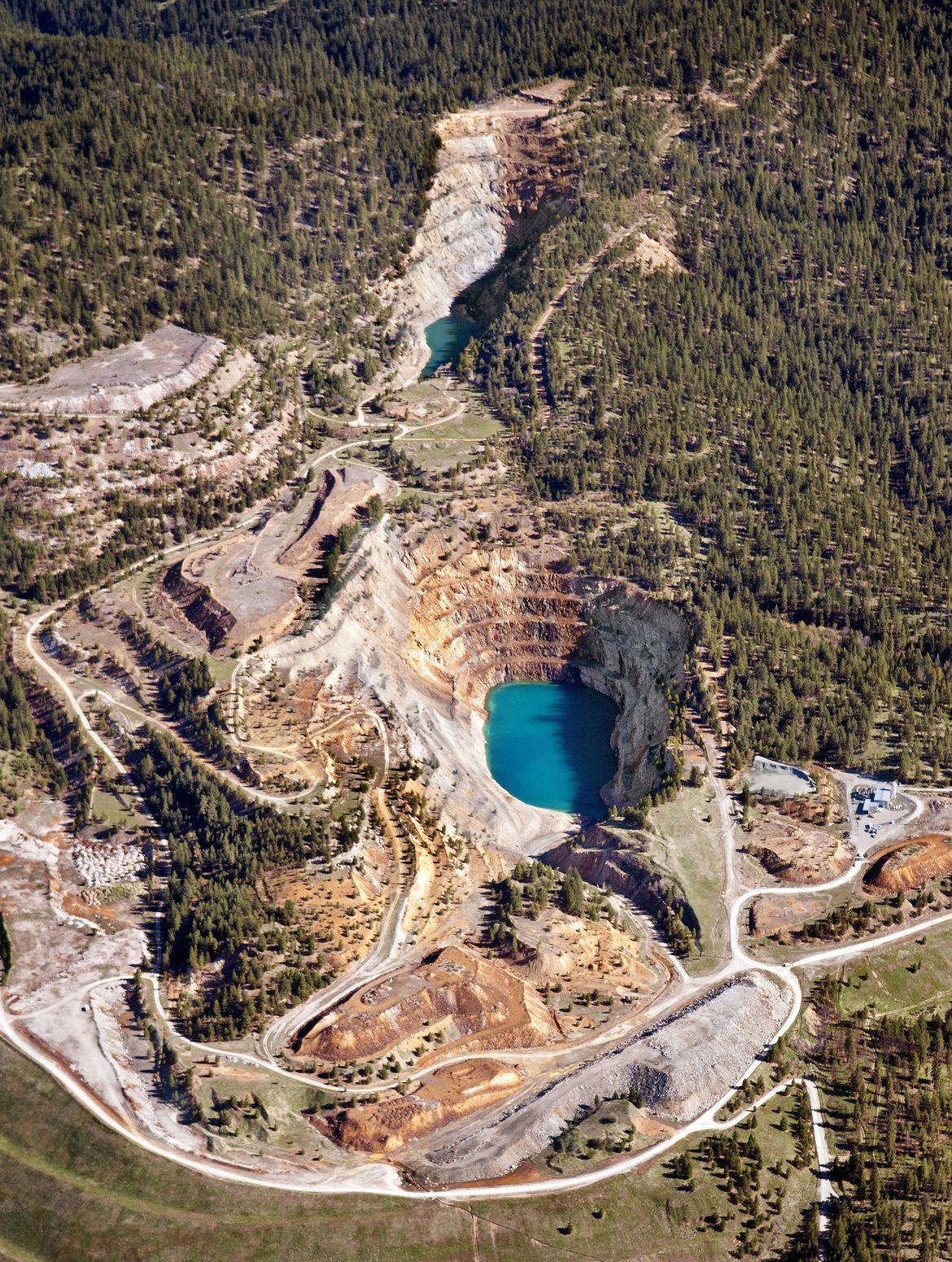
Brothers Jim LeBret and John LeBret were prospecting on the Spokane Reservation with a Geiger counter in 1954 and discovered rocks with a fluorescent green glow.
The brothers, members of the Spokane Tribe, staked the first uranium claim on the reservation. By the end of that year, the Midnite Mine shipped its first load of uranium ore to a Salt Lake City processing plant.
The mine, about 45 miles northwest of Spokane, produced uranium needed for the nation’s nuclear arsenal from 1955 to 1981.
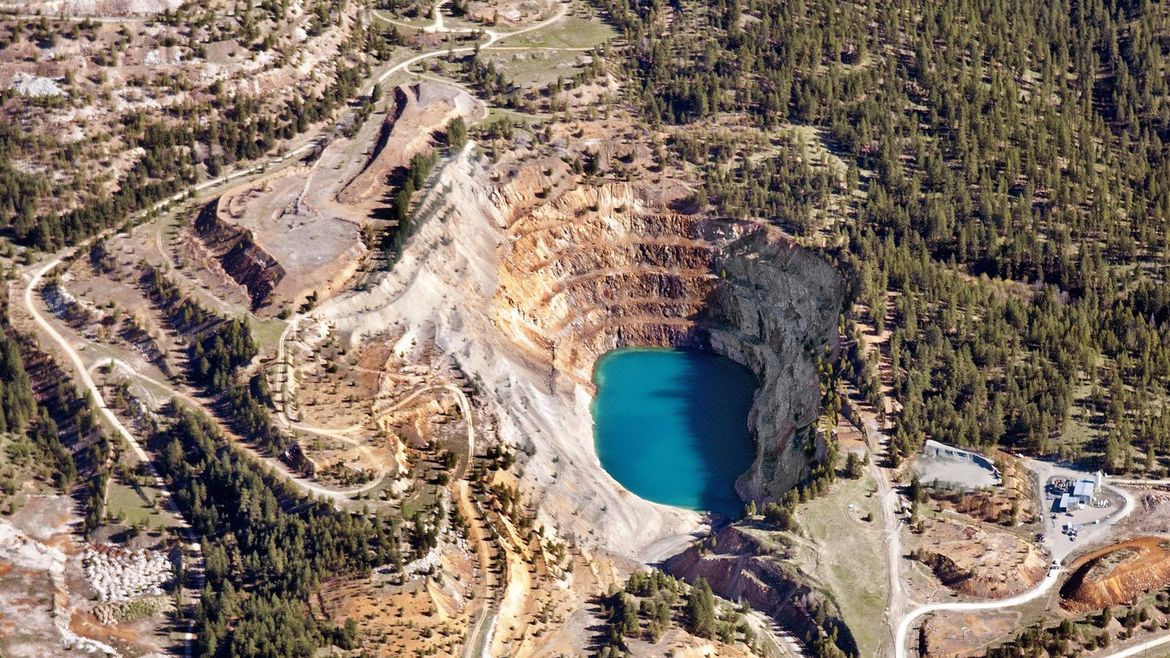
The 350-acre area is now a Superfund cleanup site that features a series of open pits filled with mildly radioactive heavy metals and water. The U.S. Environmental Protection Agency identified a cleanup plan for the site in 2006 that involves dumping contaminated soil into open pits, then covering the pits.
Contaminated water from the Midnite Mine will be treated at a new water treatment plant before it will be permitted to be discharged into Blue Creek, which flows into the Spokane Arm of Lake Roosevelt, the EPA said. The federal government has reached an agreement with one of the world’s largest mining companies on a $193 million cleanup of a defunct uranium mine on the Spokane Indian Reservation.
The LeBret brothers and their partners contracted with Dawn Mining, a subsidiary of Newmont Mining Co., to operate the mine. Newmont and Dawn will pay for the majority of the restoration costs at the mine.
The U.S. Department of the Interior will contribute $42 million to future cleanup activities for failing to fulfill federal trust responsibilities to the Spokane Tribe through proper oversight of the open-pit mine.
Most recently, members of the Spokane Tribe who worked at the mine or who live on the reservation are questioning the high rates of cancer on the reservation.
Latest updates in this topic
New pipeline will deposit treated water from ex-uranium mine directly into Lake Roosevelt
It didn’t look like much, just a snake of black pipe running along the shoulder of a dirt road, above the bank of a small stream called Blue Creek.
Deb Abrahamson, powerful advocate for environmental justice on Spokane reservation, dies at 65
Deb Abrahamson, whose fight for environmental justice made her a major figure in the push to clean up the legacy of uranium mining on the Spokane Indian Reservation, died at …

Deb Abrahamson blames mining pollution for her cancer, keeps fighting toxic legacy on Spokane reservation
The 64-year-old activist seeks justice and community engagement at Superfund meetings, tribal gatherings and even from her chemotherapy chair.
Newmont Mining asks to relax radiation cleanup standards at Midnite Mine on Spokane Indian Reservation
The company responsible for cleaning up the Midnite Mine on the Spokane Indian Reservation has asked the federal government to relax cleanup standards for radiation at the defunct uranium mine.

Healthy help
WELLPINIT, Wash. – Chico Corral’s work history is scoured into his lungs. Chest X-rays for the 84-year-old show scarring from the dust he inhaled during two decades as a uranium …
Cleanup of Midnite Mine on reservation to begin by 2015
Newmont Mining Co. expects to begin cleanup of a defunct uranium mine on the Spokane Indian Reservation by 2015. The company is working on design proposals for the remediation of …
S-R honored for series on mine, tribe
A two-day Spokesman-Review series of stories and photos about uranium mine radiation and high cancer rates on the Spokane Indian Reservation was the best environmental reporting in a metro Northwest …

Chico Corral blames uranium industry for failing health
Chico Corral couldn’t get away from the dust. After the daily blasting, yellow-brown grit hung in the air at the Midnite Mine, an open-pit uranium mine on the Spokane Indian …
Feds: Keep visits to Midnite Mine short
If you must visit the Midnite Mine site in Stevens County, don’t spend a lot of time there.
Newmont Mining must pay
An international mining corporation must share the cost of cleaning up an abandoned uranium mine on the Spokane Indian Reservation, a federal judge has ruled. Newmont Mining Corp. holds majority …