
Lots of agreement between GOP hopefuls
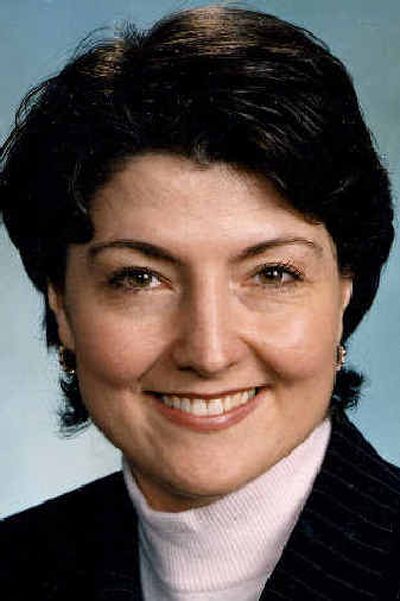
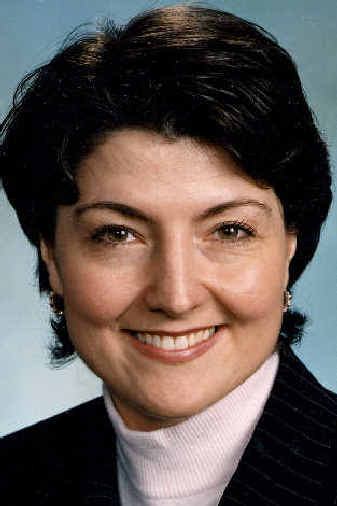
Perhaps the only issue on which the three Republican candidates for the 5th District seat in the U.S. House did not agree during their first debate of the campaign season was which one was more likely to beat the presumptive Democrat candidate, Don Barbieri.
And he wasn’t at Gonzaga University’s Jundt Art Center to defend himself Tuesday night before a small crowd of mostly GOP loyalists. This debate, three months before the primary, was restricted to the Republican hopefuls who will have to duke it out – eventually – to see who will survive September.
“I think you’ll find the three of us agree on almost every issue,” state Sen. Larry Sheahan of south Spokane said in his opening statement. Who has the most experience for the job, he added, is what voters must decide.
“Experience is important, but right experience is more important,” said Sheahan, who has served in the Legislature for 11 years.
To which Spokane attorney Shuan Cross responded, “I’m proud of the fact that I have never run for office before. I think that is the way it should be.”
After all, he said, Ronald Reagan had no political experience before becoming governor of California and Rep. George Nethercutt, whose seat Cross aspires to, also was elected from the private sector.
Rather than take on the experience issue head-on, Rep. Cathy McMorris, who represents the 7th District in Northeast Washington and was the first woman chosen by her party to be minority leader in the state House, started right in with what Republicans came to hear.
“The No. 1 responsibility of whoever represents the district is creating opportunities,” she said, adding that she was “grounded in the free-enterprise system” and led the charge “to make Washington state more competitive.”
The debate, which was actually a question-and-answer forum moderated by former television newsman Steve Becker, rarely strayed from the core GOP issues of regulatory reform and tax cuts.
The candidates were questioned by a panel of four men, the Rev. Michael Treleaven, a GU political science professor; Ted McGregor Jr., publisher of the Inlander; Dave Sposito KEZE-FM (Star 96.9); and Grant Peterson, chairman of the Stevens County Republican Party.
If the panelists could find no dissension among the candidates, perhaps they could find a fissure in Republican politics.
Treleaven cast a pall on the room by bringing up the Abu Ghraib prison scandal in Iraq.
“What would you do to prevent these abuses from happening again?” he asked the candidates.
Here, Cross’s response summed up those of his rivals, when he said, “It doesn’t reflect who we are as a country.”
The actions of eight soldiers at one prison shouldn’t cast all our service men and women in a negative light, Sheahan said.
The most illuminating moment of the night came when Sposito asked the candidates on what issues they disagree with President Bush.
McMorris, who had already made her feeling about big government known, said she was disappointed in increases in spending under the Bush administration and called for “getting decision-making back on the local level.”
Cross said he believed the president’s decision to impose tariffs on steel was politically motivated, the deficit was too high and the Medicare drug benefits bill was too confusing and too expensive.
But when he suggested that Bush wasn’t as tactful on foreign policy as he should be, he prompted the most contentious response of the evening from Sheahan.
“I don’t want to give France or anyone else veto power over the United States,” Sheahan said.
Issues on which the candidates agreed with the president – and one another – included making Bush’s tax cuts permanent, drilling in the Arctic National Wildlife Refuge, support for a constitutional amendment defining marriage as between a man and a woman, and caps on pain and suffering damages as a solution to the rising cost of health care.
McMorris called for a balanced-budget amendment. Sheahan stressed the importance of an agricultural economy as a national security issue and Cross saw tort reform as one of the biggest issues facing our nation.
On agricultural issues, all three expressed distaste for farm subsidies, with Sheahan saying he would “ratchet them down,” and Cross saying, “We need to move toward freedom to farm.”