
In brief: Wildlife officials seek protection for fisher
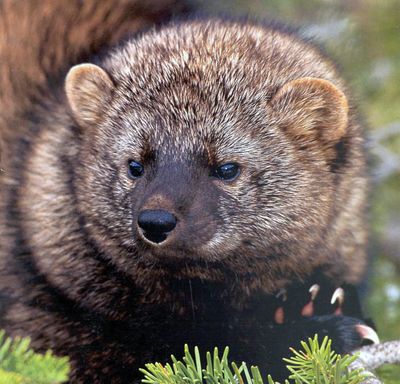
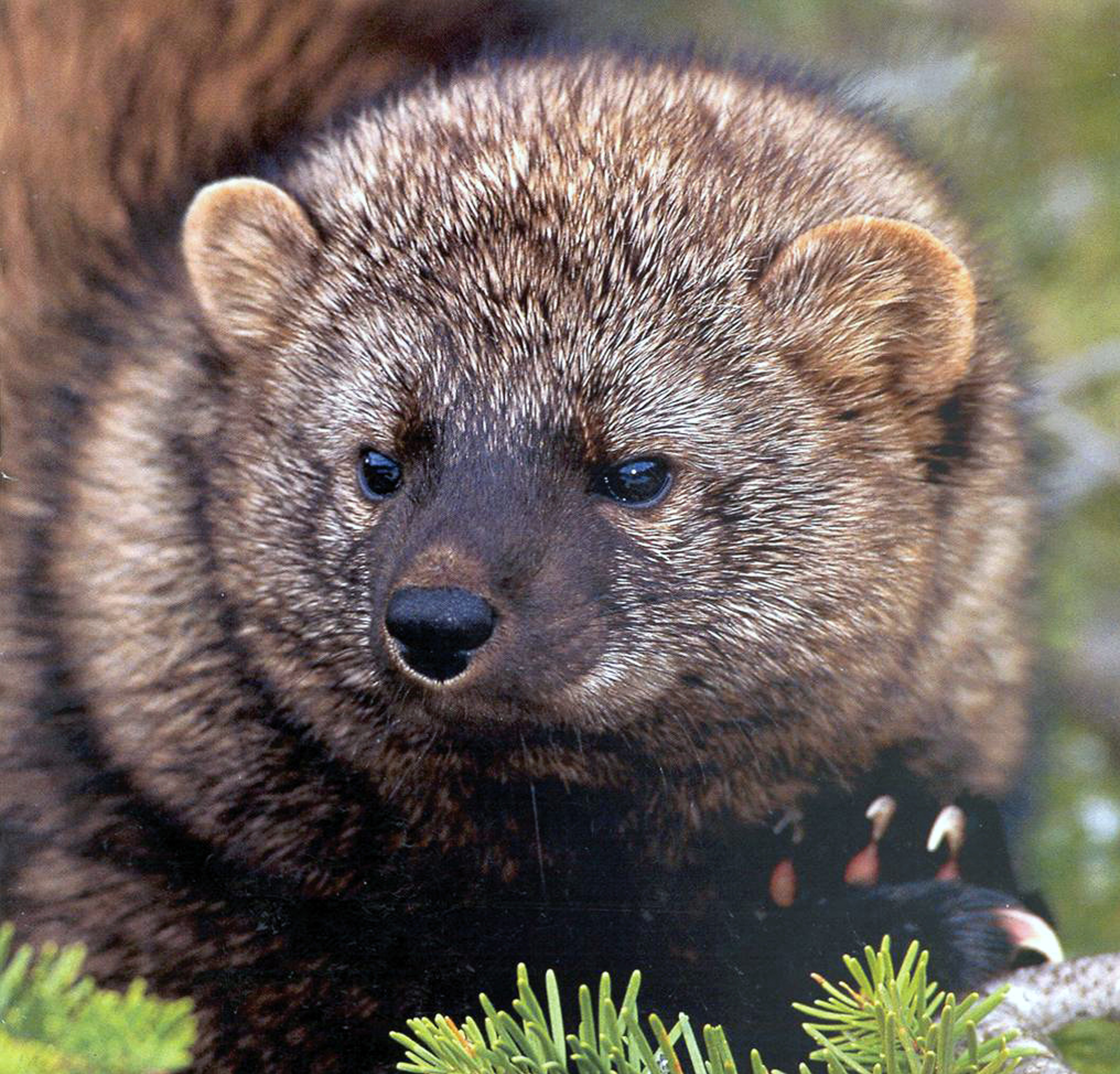
The U.S. Fish and Wildlife Service proposed this week to protect the West Coast population of fisher as a threatened species under the Endangered Species Act.
About the size of large house cats, fishers belong to a family of mammals that includes weasels, mink, martens and otters. Fishers live in low- to mid-elevation forests and require cavities in trees and snags to rear their young safely, away from predators.
Threats to the fisher include habitat loss and changes caused by wildfire, certain timber harvest practices in some areas and the relatively recent and threat posed by rodenticides.
“This is a complex and challenging issue because threats to the fisher vary across its range,” said Robyn Thorson, director of the Service’s Pacific Region.
The listing proposal cites the potential of direct and indirect exposures from the illicit use of anti-coagulant rodenticides on public and community forest lands within fisher habitat. Rodenticide use has been verified at illegal marijuana cultivation sites in California.
Fishers are found throughout North America, but the West Coast population has been reduced in size, and fishers are now found in only two native populations within their historical range, which once covered most of the forested landscapes in California, Oregon and Washington.
California has about 300 or fewer fishers in the Southern Sierra Nevada Mountains. A population in the Klamath Mountains of northern California and southern Oregon could number from a few hundred to 4,000.
Fishers are considered likely extirpated from Washington and much of Oregon, with the exception of a reintroduced population on the Olympic Peninsula, where 90 fishers have been released. An established population also exists in the Crater Lake area of Oregon where there was a reintroduction effort during the 1970s and ’80s.
Washington has protected fishers under state endangered species laws since 1998.
After a successful reintroduction on the Olympic Peninsula, state Fish and Wildlife officials want to bring in another 160 animals over the course of four years to the South and North Cascades.
The plan calls for live-trapping fishers in central British Columbia starting in November and relocating them to Washington at a cost of $500 per animal.
A recent Canadian Supreme Court decision that granted first nations new power over how the government manages natural resources could jeopardize Washington Department of Fish and Wildlife’s plan to bring the fisher down from British Columbia.
Managing sheep bacteria
State wildlife officials plan to capture and remove eight bighorn ewes in southeast Washington this week to curb the spread of a bacteria deadly to other wild sheep in the area.
A contractor for the WDFW and Idaho Department of Fish and Game will attempt to capture the animals near the confluence of the Grande Ronde and Snake rivers in southeast Asotin County.
The sheep will be taken to a captive facility at South Dakota State University where bighorn research is already under way to learn more about how to manage the pneumonia that’s set back the Hells Canyon region bighorns for 20 years.
None of this year’s lambs from the infected ewes survived, officials said.