
This day in history: A lush garden including a grapefruit tree was flourishing in North Idaho. 150 applied to enforce Prohibition laws

From 1975: Lush gardens – filled with beans, rhubarb, cherry trees and grapefruit trees – were thriving in the most unlikely spot: 5,000 feet underground in the Bunker Hill mine near Kellogg.
“All I do is water them,” said Ken Miles, a mine employee.
These gardens got their start decades earlier, when miners tossed aside seeds from their lunch boxes. The soil was surprisingly fertile – wet, muddy and warm. Later, miners brought down cactus seeds and flower seeds.
“If they threw a seed in here, it would almost sprout before your eyes,” said a mine hoist inspector.
Light came from the electric light bulbs, which illuminated the shafts.
A big lemon tree in the mine was once featured in “Ripley’s Believe It or Not.” Fruit trees thrived, but did not bear fruit. Apparently, there are no pollinators a mile below the Earth.
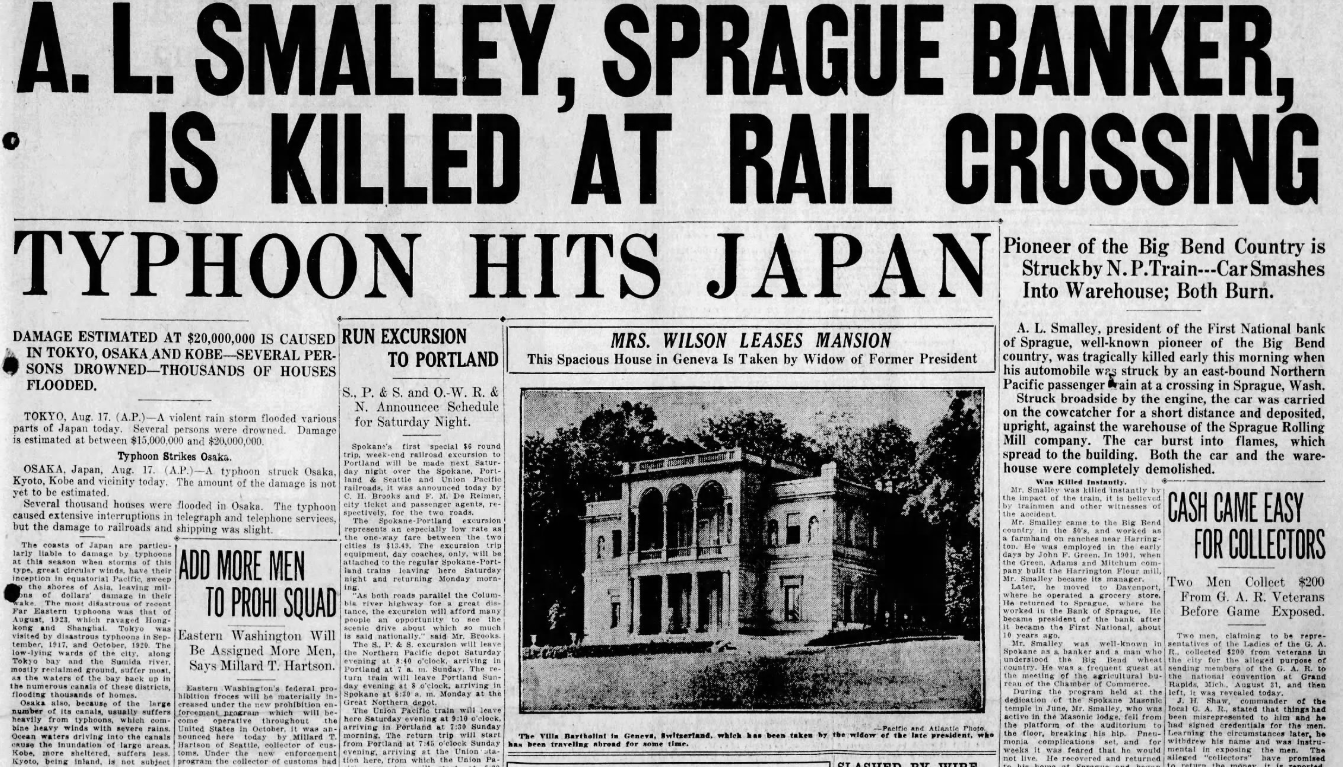
From 1925: Reinforcements were arriving in the war on bootleggers.
New funding had arrived to pay for extra Prohibition officers in Eastern Washington. About 150 men had already applied for the jobs.
The district’s new enforcement officer was optimistic of success, as long as “we are given enough men and equipment.” He hoped to get new autos to patrol the Canadian border, along with the new officers.
He said that the airplane bootleggers, flying in from Canada, were not the most urgent problem. “The bootleggers of the sea,” cruising in the state’s coastal waters, “were the worst menace we have.”