
The ‘how’ of journalism changes, but the ‘why’ never does: Hear from Spokane-area journalists on what makes their work matter
To acknowledge World Press Freedom Day this year, The Spokesman-Review reached out to a handful of journalists whose work helps keep our Spokane Community informed and engaged.
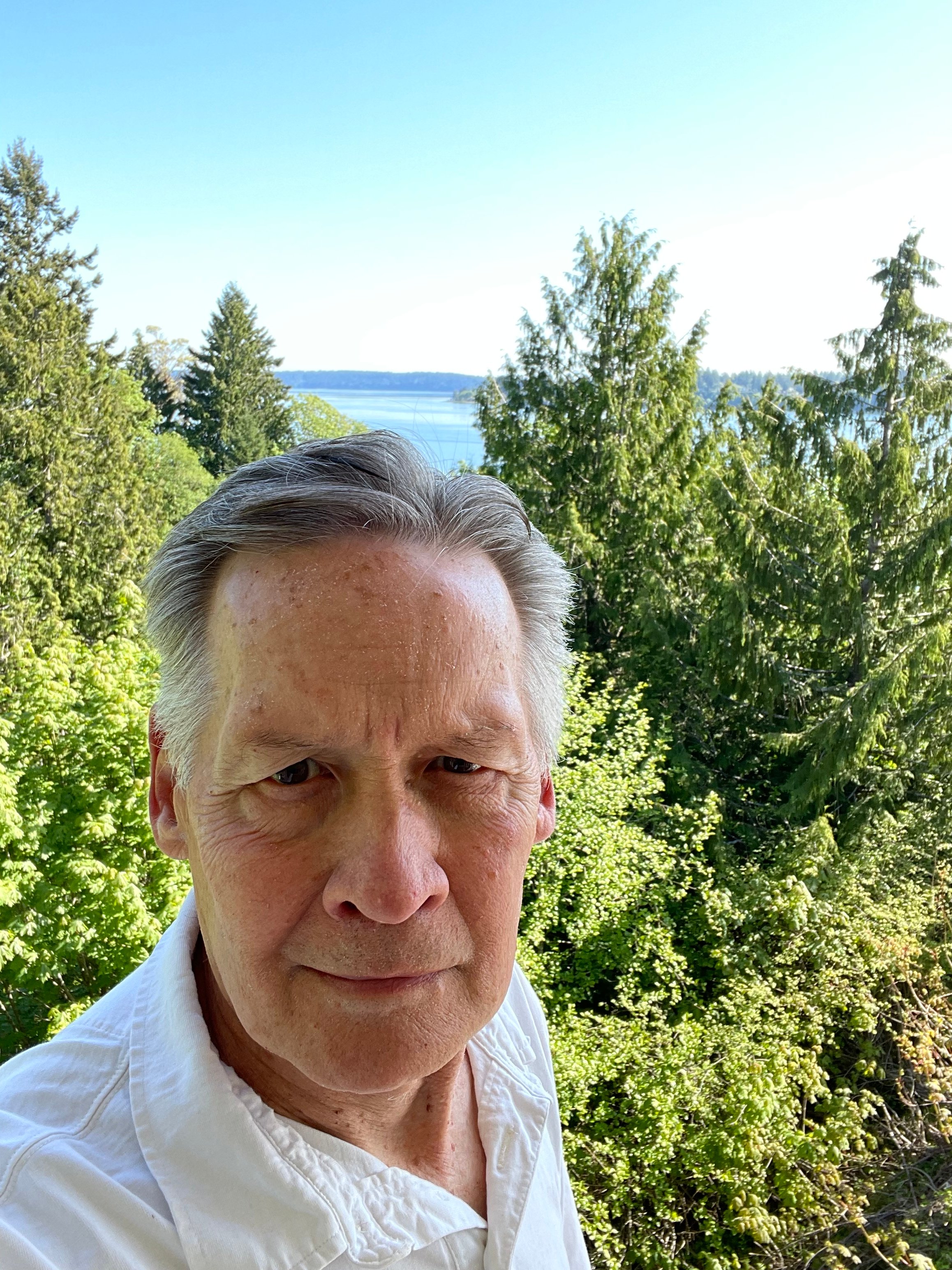
Jim Camden, The Spokesman-Review
At my first newspaper job out of college a half-century ago, I was issued a manual Royal typewriter, a stack of low-grade paper to feed through its roller, a squirt can full of glue to stick pages together and an Ebony pencil to make corrections. Reporters “in the field” called to dictate stories, because that was the only way to get them in the paper. Edited stories were sent to the typesetters through a pneumatic tube.
Like almost every aspect of life, the technology of news delivery has changed. I write stories on a laptop from home, at a table in the state Capitol, or in a coffee shop with decent Wi-Fi. I upload the story to the latest computer software that allows people in Spokane to edit it and to get it into tomorrow’s paper or immediately online.
The “how” of my job has changed, but the “why” hasn’t. For most of that half-century, I’ve covered some aspect of government and politics – city councils, county commissions, cops, courts, state legislatures, governors, members of Congress, and the occasional presidential candidate who happened by.
The vast majority of the people I’ve covered have been honest, conscientious public officials, although a few had to be reminded occasionally about the “public” part of the job.
When I talk to college students about covering government, I start by asking them to identify the source of the phrase “inalienable rights of life, liberty and the pursuit of happiness.” Most know it’s from the Declaration of Independence. So what’s the next line, I ask – that’s just as important. They’re usually stumped.
“To secure these rights, governments are instituted among men, deriving their just powers from the consent of the governed.”
Without someone ensuring that the powers the government is exercising are just, I explain, how can the governed consent and their rights be secured?
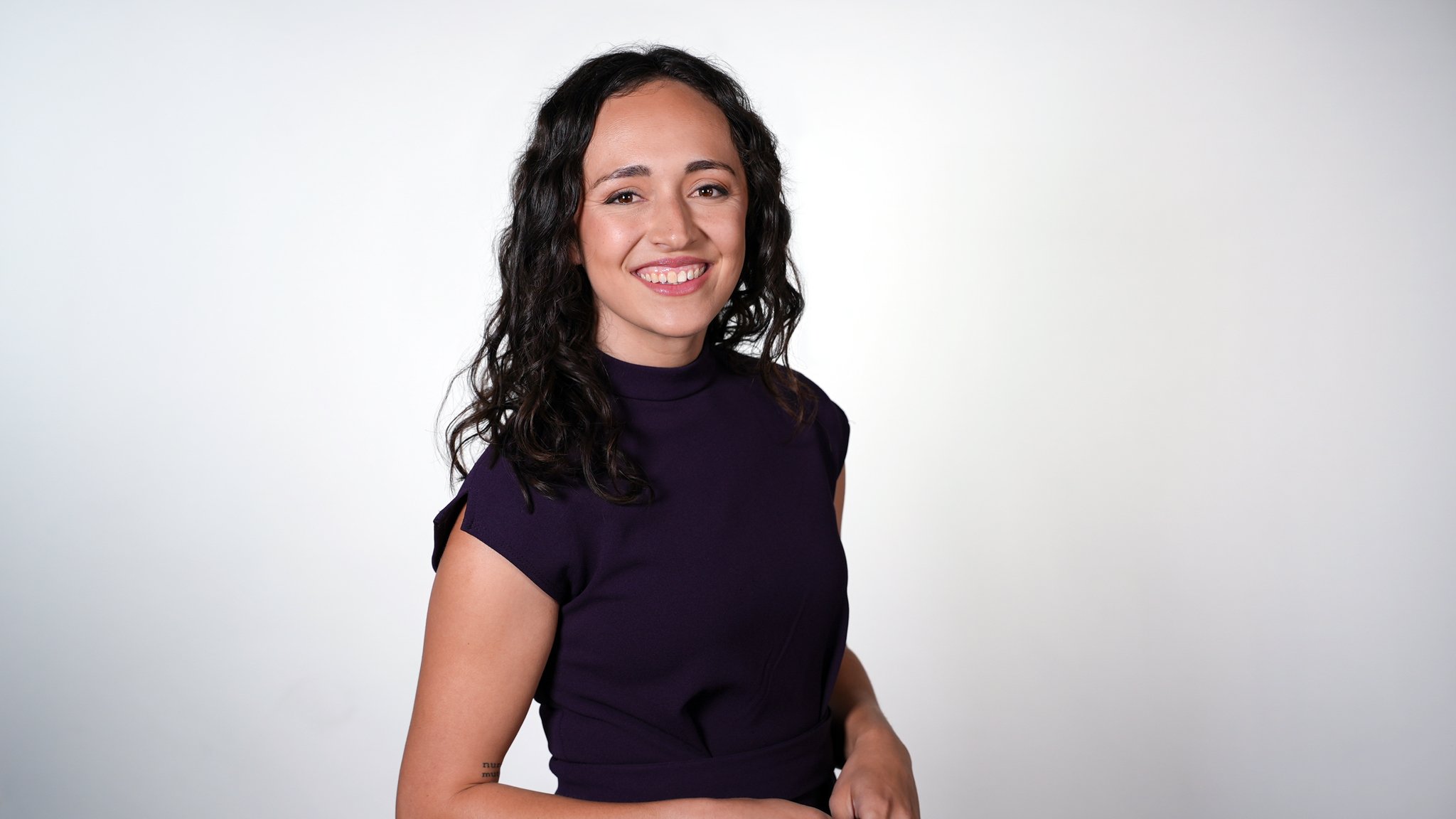
Nicole Hernandez, KREM
“The news,” “the media,” “TV news” – phrases we, as a society, use to describe what I do. But my goal has always been to tell stories and connect with the community in a way that goes beyond those phrases. I want to be a journalist. It is an earned title – one that requires asking important questions and finding human connections that resonate with our community.
My passion for journalism started with a love of video and editing. There is no better feeling than documenting and building the blocks of someone’s story in a way that makes the viewer feel something.
Doing that is becoming harder, though. The workload is high. Resources are low. Priorities are changing. The result – true journalism – is harder to find, in a time when fact and connection is critical.
Still, true journalism still exists. Since we can no longer trust everything we see, media consumption needs to be intentional now. Our communities need to make a commitment to finding and trusting real journalism over biased sources that don’t prioritize factual information. If we can do that, we will be more connected, understanding and effective as a community.
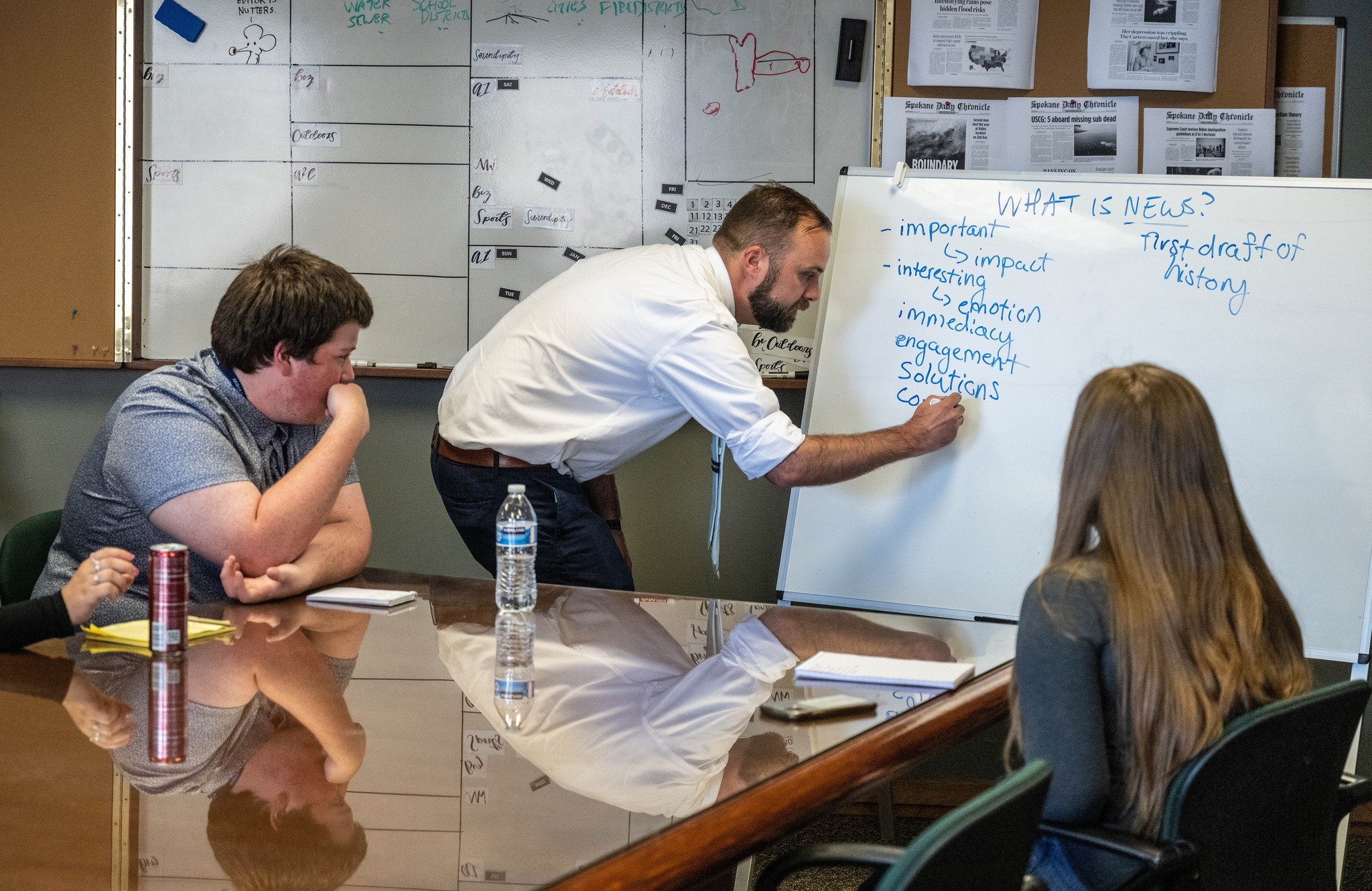
Kip Hill, Gonzaga University
I became a journalist because I believe in the power of recognizing our common bonds as humans through stories. Even when I was writing about politics, whether it was about Congressional actions in Washington, D.C., or the votes of the Spokane City Council/County Commission, my main concern was people. Who was being affected by this policy or law? What could I and my readers learn from their struggles about them, or (better yet) ourselves? My best stories as a member of The Spokesman-Review staff were about people, and I still think about those people every day as I’m teaching at Gonzaga.
Attacks on the press are not attacks on an elite group of people who happen to be published in a newspaper or appear on TV at night. They are attacks on our ability to understand and talk to one another. I’m not concerned about the challenges that face journalists today because of what it means for the future of a profession, or the livelihood of the students that I’m now teaching to become journalists. I’m concerned because they drive us further away from each other and our shared reality.
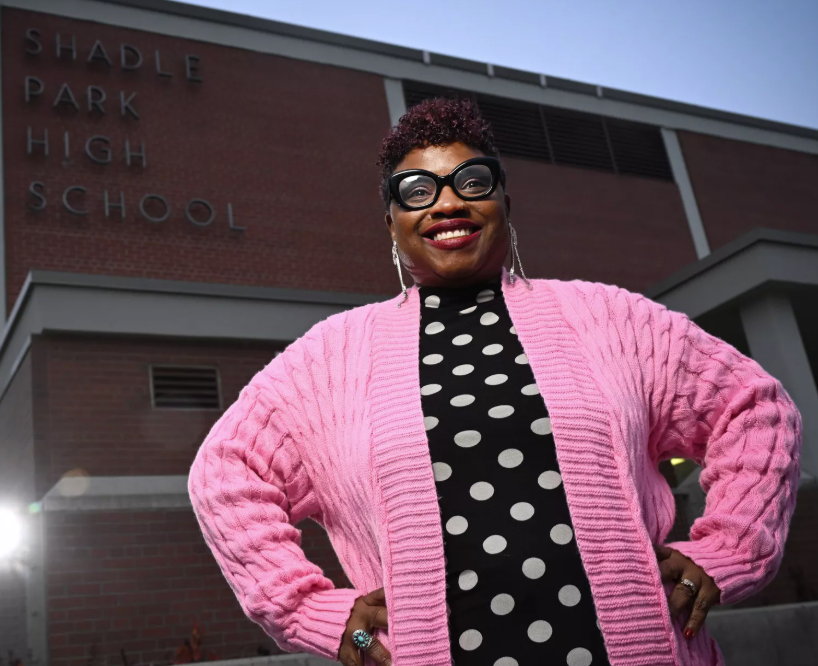
April Eberhardt, the Black Lens
In an age where headlines are driven by polarization and pendulum swinging rhetoric, community journalism stands as a radical act of truth-telling. It is the voice of the everyday person – the teacher, the single parent, the laborer, the elder, the student – those whose stories rarely make the front page but define the very fabric of our shared reality.
The free press plays a critical role in challenging biases. It offers an unfiltered platform that confronts prejudice, disrupts propaganda. Its value lies in its ability to promote inclusion, accountability, and truth in media.
For marginalized communities, especially, community journalism is not just important – it is vital. It brings to light lived experiences that are often dismissed, overlooked, or deliberately silenced by systems rooted in privilege and power. These are the stories that challenge the status quo, disrupt comfortable narratives, and remind us that humanity begins with being seen and heard.
At its core, the free press is grassroots power. It elevates the truths of those who don’t have access to billion-dollar platforms or political megaphones. It shifts the lens away from the “chosen few” and toward the collective humanity of us all. It says: Your story matters, even if the mainstream won’t tell it.
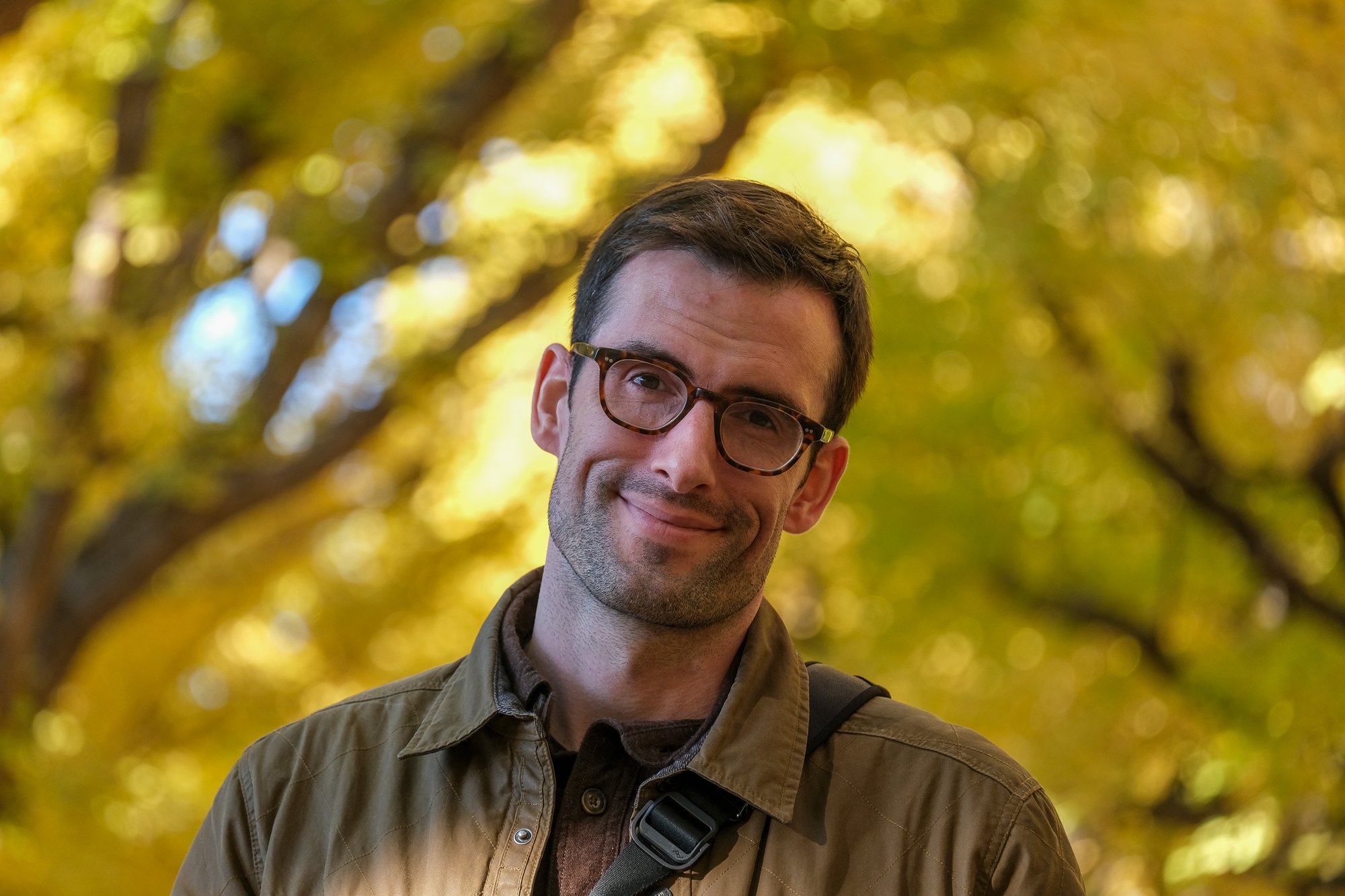
Orion Donovan Smith, The Spokesman-Review
I decided to become a reporter because it lets me be curious for a living. I’ve stuck with it, despite this being a tough time for journalism and for local news in particular, because I believe the only way we can get through this era of bitter division in our country is by better understanding each other and working with a common set of facts.
My first experience with journalism was in Burundi, a country where reporters risk their lives to do their jobs, and at first I took for granted the relative freedom of the press that has existed in the United States. Now, I see that freedom being eroded in our country while Americans increasingly demand news coverage that confirms what we already think. No single journalist is objective, but I believe we should all be fair and work together to present an accurate picture of what’s happening in our world.
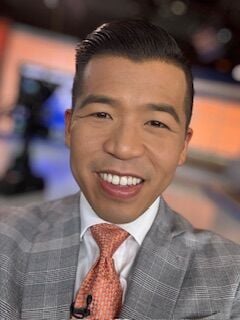
Tim Pham, KREM
On Sept. 11, 2001, I was glued to the TV, enraptured by the coverage, saddened by what was happening, but also hopeful because of the humanity on display in the days that followed.
Like many others, I was marked by that day and knew from then on that I wanted to inform others about what was happening, hold people accountable, and offer hope when things seemed dark. The freedom of the press is a cornerstone of any functioning democracy, and its importance today is greater than ever.
We live in an era marked by rapid technological change, political polarization and the spread of misinformation. While information is more accessible than ever, it is also more vulnerable to manipulation. Anyone can be a “reporter” by pulling out their phone or posting on social media. However, much of this content lacks context – and, most of the time, the facts. That’s why we need what those of us in the industry call “big J” Journalists: those who protect truth, promote accountability and empower communities. Without press freedom, people and communities are deprived of the information to make informed decisions, protect their families and safeguard their rights.
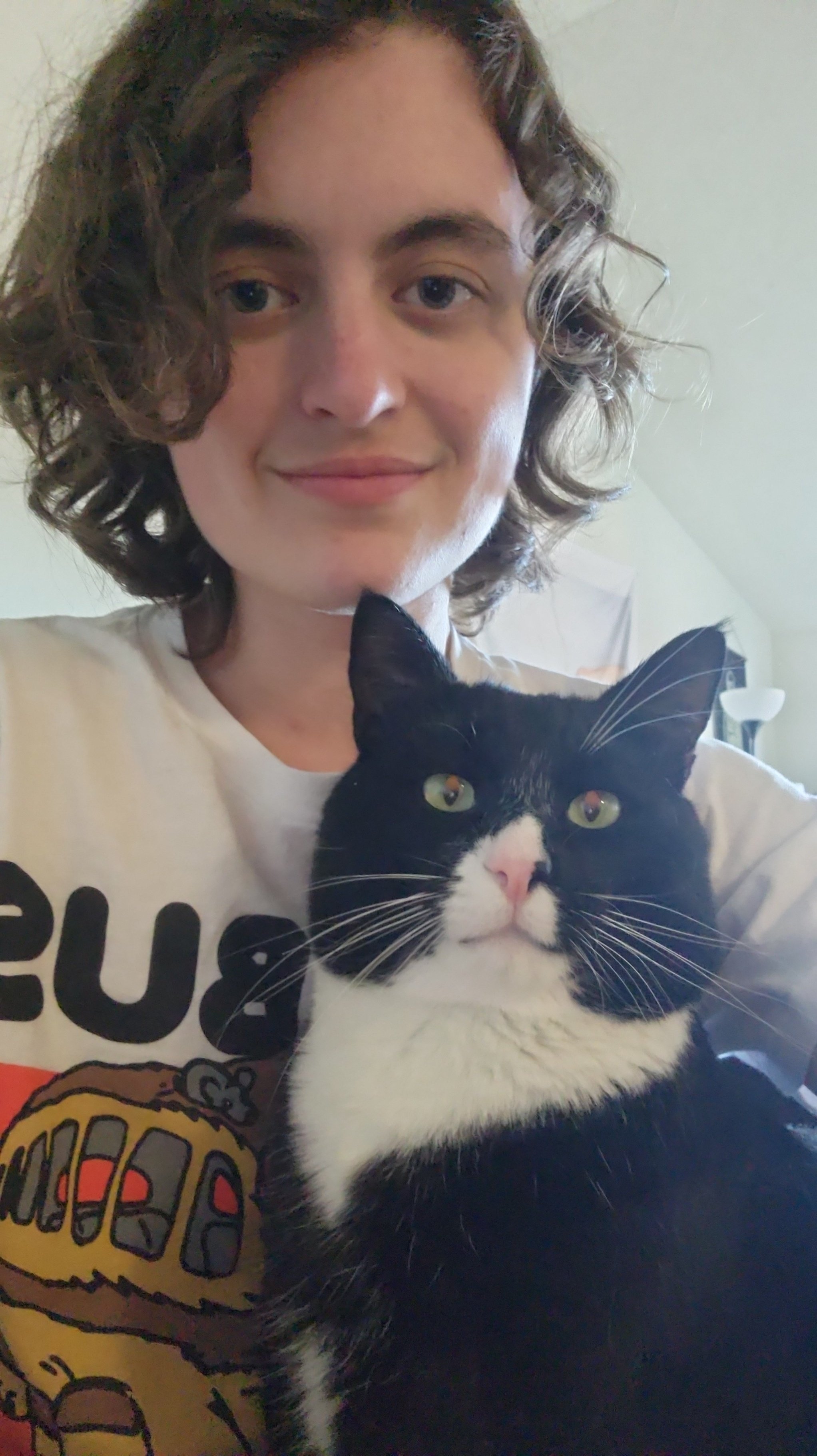
Cannon Barnett, The Easterner (EWU)
I have been working as a journalist for the past three years – as a reporter and now editor for The Easterner, mostly. Initially just looking for a place to write, I quickly realized that communities are full of stories that nobody was bothering to tell. I love being the one to uncover these stories and share them with the people who care.
Despite this, it is daunting to imagine a future in journalism. Would I stagnate in my writing ability? Will technological advances like Artificial Intelligence shrink job opportunities? Will younger generations continue to value something as “traditional” as a newspaper?
It’s hard to say, but the uncertainty of the future is a compelling reason to stick with it while it’s around, and convince others that journalism will always be essential.
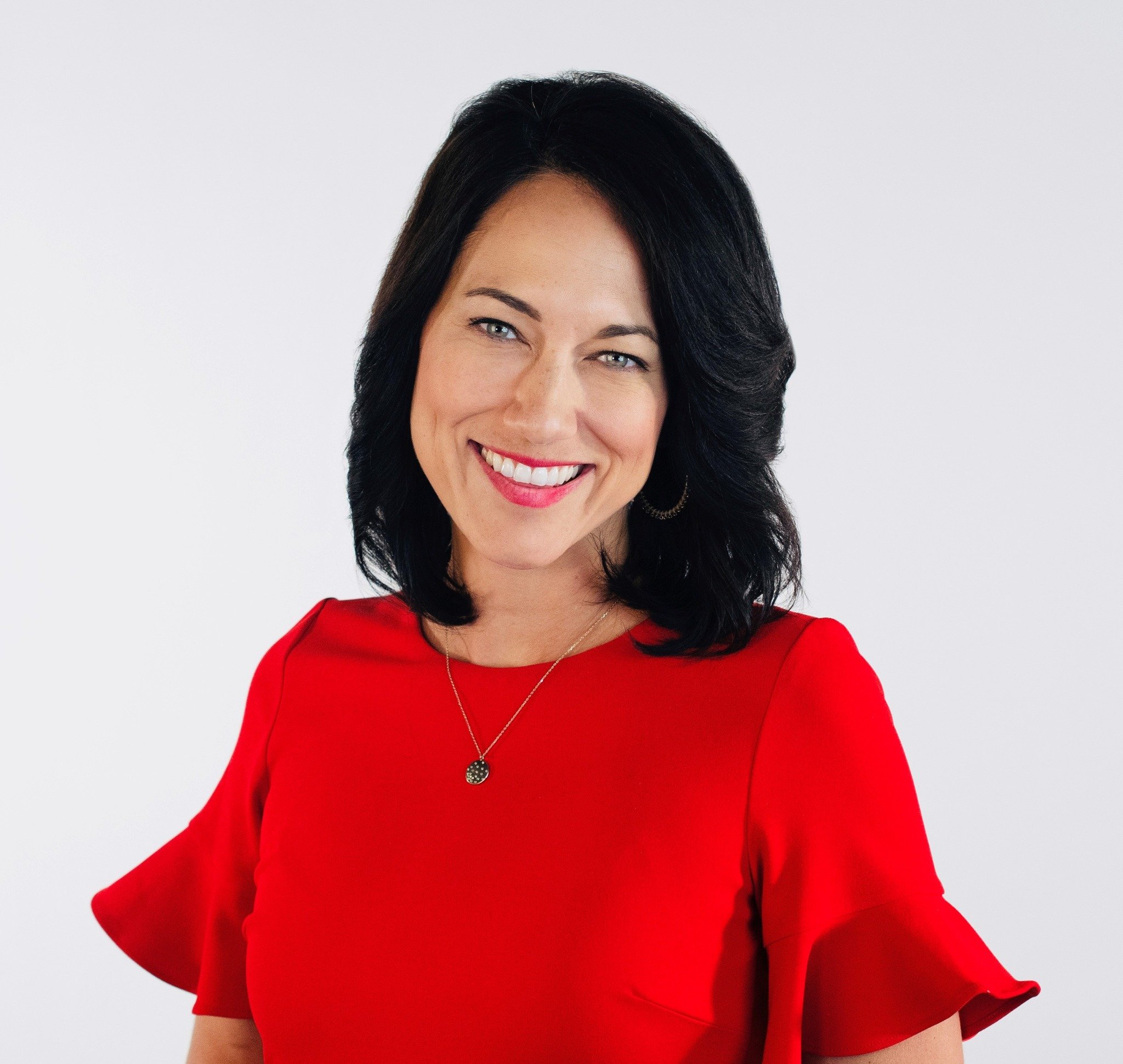
Kalae Chock, KHQ
It’s my hope on World Press Freedom Day to explain my intention as a journalist and to challenge you to consider how you consume news.
The most basic description of my job as an anchor on Wake Up Nonstop Local KHQ is to inform people about what happened overnight and to make viewers feel good about starting their day. So when we’re accused of “having an agenda”, it’s kind of true.
When we’re accused of being biased, it’s also true to an extent. The six people in our 3:30am editorial meeting must agree on what our viewers will most care about. For example, which story should lead our newscast? A win by the Spokane Chiefs (congrats by the way) or a house fire on Manito Boulevard?
Which of those stories do you care about most? Do you care more about the Chiefs if your kids play hockey? Do you care more about the fire if it’s a multi-million dollar mansion? If someone died? If it’s affecting your commute to work? We use these questions to decide how much coverage to give a story.
I offer this insight because bias and agenda are unavoidable when humans with real life experiences are building a newscast or publishing a newspaper. However, far more importantly, the organizations I have worked for have no agenda to change anyone’s mind or convince them of anything. We do not lie. We do not misrepresent facts. We do not intend to make our viewers lean one way or another.
On this day, I would ask you to consider your own news sources. While I know I have worked for organizations with the true, honest mission, I know the mass amount of media coming to you can be anything but that - AI Facebook posts, religious networks posing as news outlets, cable networks, a YouTube star, a middle aged mom blogger (I follow a few of them).
I am not saying to rule these sources out, I am asking you to consider their agenda. Do they attempt to change your mind, sell you something, or to convince you of untruths?
There are no right or wrong answers, but I hope on this day that our viewers, listeners and readers can also take a step toward responsibility in consuming news, just as the press is tasked with responsibility in sharing it.