
Gardening: Animal manure is black gold for the garden
As we begin our spring garden season, I want to share information over the next few columns on soil amendments. Soil amendments are materials added to soil to enhance its physical and chemical properties, improving texture, moisture retention, aeration and nutrient availability. We’ll start with manures.
Animal manures are often called black gold for a garden. They provide nutrients and organic matter to the soil. Before the invention of synthetic fertilizers in the 1930s and ’40s, animal manures were the main source of plant nutrition.
Manures used in home gardens need to be from animals that eat only vegetable material, including horses, cows, chickens, rabbits, goats, sheep and llamas. Animals such as pigs, dogs and cats are carnivores and can carry parasites and diseases that can transfer to humans.
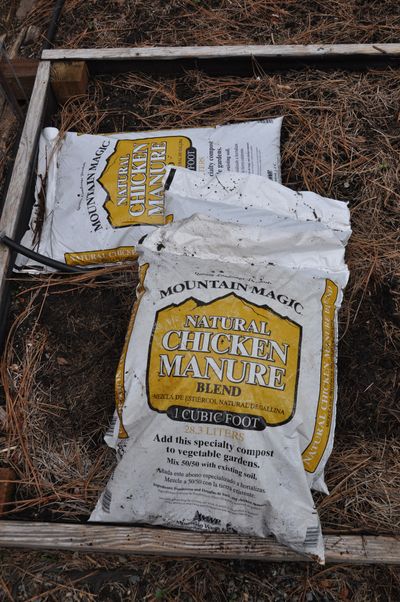
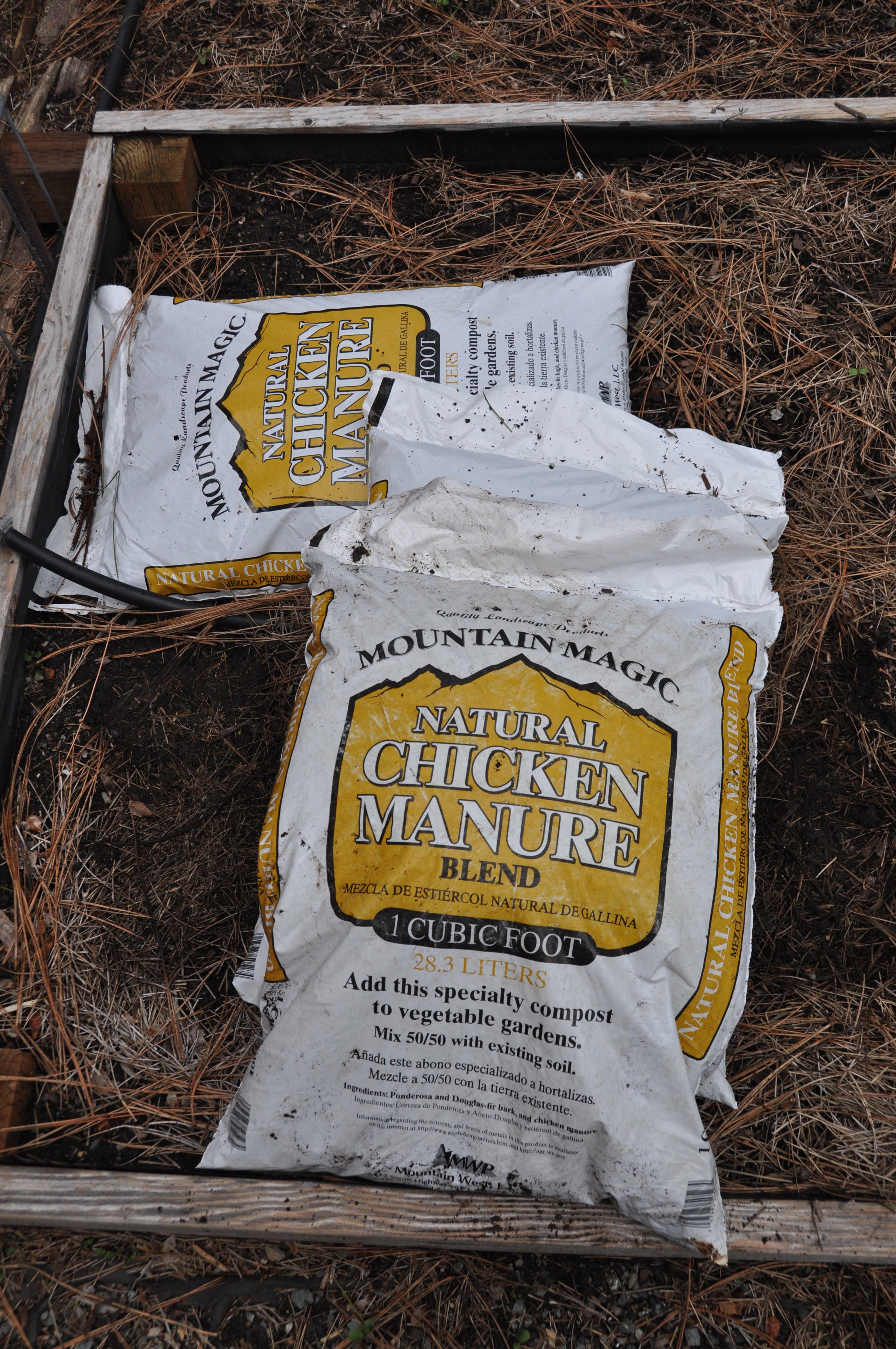
The most common source of manure for the average gardener comes in bags purchased from the garden center. The manure, usually from cows or chickens is aged to kill weed seeds and harmful bacteria, dried and then put in an easy-to-use bag ready for the garden.
Manures straight from the farm take a little more handling and processing. First, the manure should have been aged or composted for at least six months to a year before it is put in a garden. Fresh manures still contain salts and acids from the digestion process and can burn the plants they are put on. Composting fresh manure for a few months reduces these to acceptable levels. Aging also heats the manure which destroys weed seed, bacteria and other pathogens found in raw manures. Manures often come mixed with straw or wood shaving bedding material that will need this time to break down. Lastly, aged manure isn’t quite as odiferous as the fresh stuff. This is especially important for chicken manure – that odor has been known to clear a neighborhood when brought in too fresh.
Animal manures have much lower levels of nitrogen, phosphorus and potassium than synthetic fertilizers and release it more slowly to the plants. Chicken and rabbit manure contain the highest levels of nitrogen followed by horse, cow and sheep. Chicken manure comes in about a ratio of 2-0.8-0.5 NPK. All have about the same percentage of phosphorus and potassium. Because cows are better at digesting weed seed completely, cow manure will have fewer weed seed hitchhikers than horse manure.
The best time to add manure to a garden is in the fall so it has the winter to finish aging and be ready for planting in the spring. Well-aged manures can be used as a top dressing during the spring and summer growing seasons.
Finding farm manure can be as simple as asking a local farmer who has the appropriate animals or putting an ad on Craigslist or Facebook Marketplace. Some farmers will charge for it; others will give it to you for free. If you pick it up, you will need a truck and some strong backs with shovels unless the farmer can load it with his tractor bucket.