Plath was a poet, and now we know it
To those of us who attended college in the late ’60s (my first attempt) and the early ’70s (my second, more successful, academic career), the name Sylvia Plath had a familiar ring. Several modifiers come to mind: brilliant, suicidal, innovative, obscure, victimized, driven and mournful are but a few.

To which, after seeing Christine Jeffs’ film “Sylvia,” I would add misunderstood. Despite a perceptive performance by Gwyneth Paltrow as the doomed poet, Jeffs’ film doesn’t add much to the Plath mystique. Long before now, the facts of Plath’s life have been widely publicized: Brilliant but troubled student comes to study at Cambridge, meets the intense English poet Ted Hughes, the two connect physically and emotionally, both feed each other’s artistic needs, his fame causes their connection to fray, they fight, they have babies, they fight, he has an affair, they separate, she sticks her head in the oven and turns on the gas.
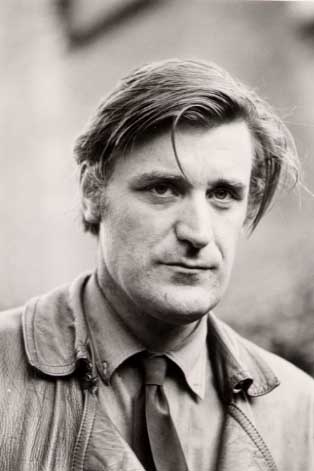
After which, of course, he becomes her literary executor and oversees publication of the collection, “Ariel,” that cements Plath’s reputation as one of the most influential poets of the late 20th century.
Jeffs’ movie, though, gives us little of why she was so important. In fact, someone unfamiliar with Plath’s story would be hard pressed to understand just why we should care about her at all. Sure, a final on-screen pronouncement declares her greatness, blah-blah-blah. But the movie treats her as just another troubled person more interested in death than life. And even someone who flunked 11th-grade English (yeah, guilty) knows what a waste that is.
* This story was originally published as a post from the blog "Movies & More." Read all stories from this blog