The sound of gunfire replaced the silence
As the son of a World War II and Korean War veteran, I grew up intrigued with the history of warfare. From Iwo Jima to Thermopylae, I couldn’t get enough of the stories. One in particular I remember has just been retold in a book titled “Silent Night, Holy Night: The Story of the Christmas Truce” (Shadow Mountain, 30 pages, $18.95), which is narrated by Walter Cronkite and illustrated by Robert T. Barrett.

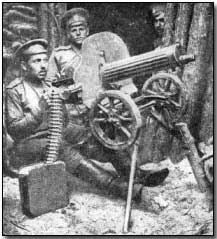
It’s an inspiring story. When the Christmas of 1914 arrived, World War I had just begun. Already it had bogged down into trench warfare, with both sides unable to advance against the murderous machine-gun fire . But as the war at that point had not gone on long, the soldiers on the line found it relatively easy to abide by an informal cease fire on that first Christmas. They willingly lay down their guns, exchanged gifts, played soccer and even joined together to sing carols, one of which was taken for the book’s title.
For decades, this story has been passed on as a sign of man’s willingness to love his fellow man. In fact, as the book says in its afterword, when the solders returned to their respective trenches , “and the command to resume was issued, they would fire only at the clouds. The war would not continue until replacement were rotated in.” But the fact remains that those replacements did march in, and the war did continue. “In the end, not only would 10 million die, but the tenuous peace would also foster a bitterness that festered until the Second World War began.”

These days, as U.S. solders die one by one across the globe in Iraq, it’s hard to feel inspired by the seeming fact that soldiers, given their preferences, would rather play and sing than kill. Because, as history has shown us again and again, sooner or later the killing always recommences. And where is the nobility in that?
* This story was originally published as a post from the blog "Movies & More." Read all stories from this blog