Flawed plan on phosphorous pollution
We received an action alert email from John Osborn concerning Washington’s new plan to control phosphorous pollution and increase oxygen in the Spokane River. Please read below to be prepared for public comment and for more information on the Sierra Club’s undertaking of this issue, read
here
.
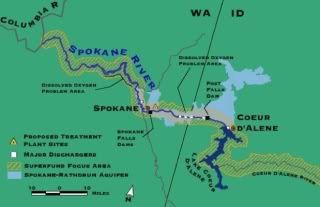
From John Osborn: The public comment period extends through Oct. 15, 2009. The cleanup plan — referred to as a “total maximum daily load” (TMDL) — will guide work toward a healthier Spokane River in compliance with water quality standards for dissolved oxygen.
Points to make in your comment to the Dept of Ecology on the Spokane River’s plan for reducing phosphorus:
The latest draft TMDL has improved – thanks to Sierra Club’s work. Dischargers dumping to the Spokane River now must meet hard pollution targets. But the draft plan falls far short of what the Spokane River needs.
1) No further delay. The Spokane River has waited 11 years for a legally sufficient phosphorus clean-up plan. The latest draft TMDL allows dischargers another 10 years (or more) to comply with the plan. This strategy of delay - delay – delay is harming the Spokane River and the fish and wildlife that depend on the river.
2) Realistic targets. The new plan allocates some responsibility to Avista’s Long Lake Dam – that’s good. But the plan then substantially increases the amount of pollution that the City and the County may put into the River – and that’s a problem. The County should not receive an allocation at all unless it can be shown that all of the parties are able to meet their pollution reduction targets. Zero discharge for the County!
3) No special pollution rewards for Spokane County. Removing septic tanks from the Aquifer (drinking water for 500,000 people) is good – but not at the expense of the Spokane River. The TMDL gives credit to Spokane County for eliminating septic tanks, but the benefit to the Spokane River is illusory. The Aquifer is not contributing significant phosphorus to the River. Spokane County should not be allowed to build a new plant that will pollute the Spokane River.
4) What about PCBs? The clean-up plans for phosphorus and PCBs must connect. When dischargers install expensive technology to remedy phosphorus, that technology must also cleanup PCBs. The public will pay dearly if these two plans do not coordinate.
5) Regional wastewater planning needed! The Spokane-Coeur d’Alene region needs a regional wastewater treatment authority. Right now, six sewage treatment plants compete with each other to pollute and for funding. To protect the Spokane River and promote cost efficiency, dischargers must coordinate.
Send your comment to:
David Moore, Washington Department of Ecology: e-mail at
dmoo461@ecy.wa.gov.
.
Additional background:
Phosphorus – like fertilizer - causes algae and plant growth in the Spokane River and Lake Spokane. When the plants decompose, they use up dissolved oxygen that fish need to breathe. More algae means less oxygen and risk fish kills. Algae blooms can become toxic and cause nuisance smells or human skin irritations. They can make Lake Spokane unhealthy for swimming, and compromise its ecological balance.
Electronic copies of the latest draft cleanup plan can be downloaded
HERE
.
* This story was originally published as a post from the marketing blog "Down To Earth." Read all stories from this blog