Holloway suspect confesses to Peru murder
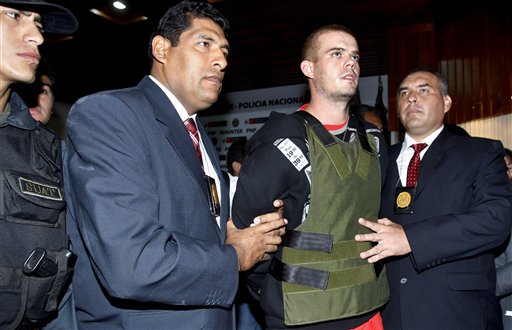
LIMA, Peru (AP) — Dutchman Joran van der Sloot, long the prime suspect in U.S. teen Natalee Holloway’s 2005 disappearance in Aruba, has confessed to killing a young woman in his Lima hotel room last week, a police spokesman said.
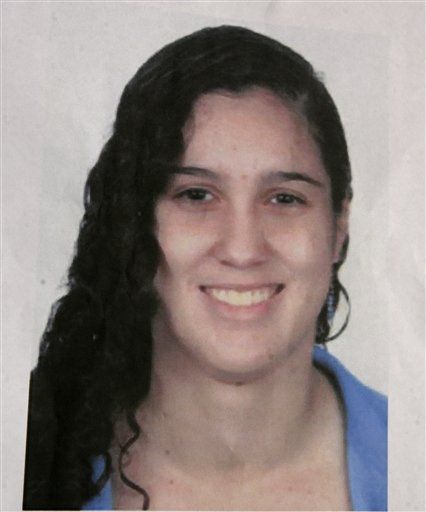
Police Col. Abel Gamarra, head of the Information Directorate of Police, told The Associated Press late Monday that Van der Sloot admitted under questioning by police that he killed 21-year-old Stephany Flores (pictured).
Gamarra said the case will be turned over to prosecutors who will present formal charges against Van der Sloot. The National Prison Institute will determine which prison he will be held in while awaiting trial.
Police planned to take Van der Sloot to the hotel today to participate in a reconstruction of the events leading to Flores’ slaying, Gamarra said.
Gamarra did not provide further details about the confession.
A Peruvian television station, Channel 4, said it had obtained details about Van der Sloot’s confession in which he reportedly told police that he killed Flores because he got angry when he found out that she had looked up information about his past on his laptop.
Flores, a university student studying business administration, was found beaten to death in the hotel room where the Dutchman had stayed while participating in a poker tournament. Flores is thought to have met Van der Sloot at the casino.
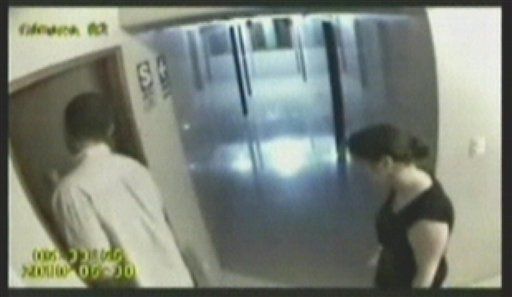
She was last seen alive on a hotel video the night of May 30 entering Van der Sloot’s room (left). The Dutchman is seen on the video leaving the room several hours later with his baggage and walking out of the hotel.
Police said he took a bus to Chile, where he was captured several days later and returned to Peru.
Van der Sloot has long been considered the main suspect in the 2005 disappearance of Alabama teenager Holloway on the Caribbean resort island of Aruba. He was arrested twice, but freed both times for lack of evidence.
To read an Associated Press story chronicling van der Sloot’s bizarre and shameless rise to fame, click the link below.
AMSTERDAM (AP) — Joran van der Sloot can be charming, angry, deceitful, tearful. The young Dutchman has been all that and more, playing out his troubled drama on TV over the five years since he came under suspicion in the disappearance of American teenager Natalee Holloway in Aruba.
By his own admission, half of what he says is a lie.
Twice arrested and released for lack of evidence in the Holloway case, Van der Sloot has reportedly confessed to last week’s slaying in Peru of Stephany Flores, a 21-year-old college student police say he met while playing poker at a Lima casino. Her May 30 killing came five years to the day after Holloway disappeared.
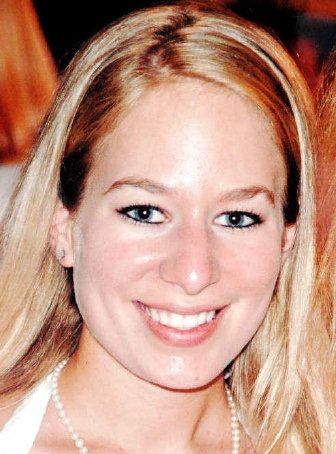
Van der Sloot was also the prime suspect in the 2005 disappearance of an American teenager on the Caribbean island of Aruba.
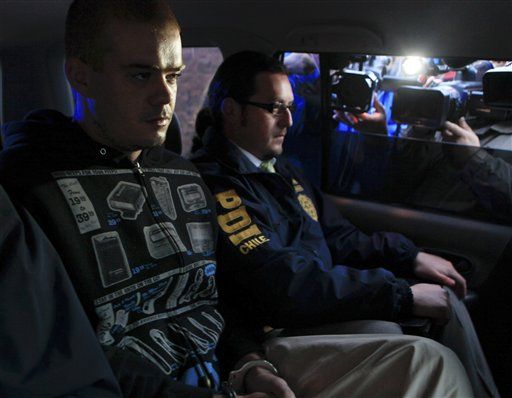
Towering over the Peruvian officers flanking him, the 6-foot-3-inch Dutchman appeared sullen and moist-eyed this weekend when he was paraded before journalists in handcuffs and a bulletproof vest after he was caught and extradited from Chile. Chilean police said Van der Sloot told investigators he was innocent in the case.
He was much more subdued than during his earlier appearances on American and Dutch TV, where he has become something of a minor celebrity — feeding public curiosity by spinning contradictory stories about Holloway’s final hours and sometimes displaying flashes of a volatile temper.
Once, at the end of a relaxed interview with Dutch crime reporter Peter de Vries, Van der Sloot threw a glass of wine in the reporter’s eyes.
Aad Schalke, a Dutch private investigator who administered a polygraph to Van der Sloot for a TV show about the Holloway case aired last year, said he was not surprised the 22-year-old was in trouble again.
 “The moment he’s not in control any more, he can be really dangerous,” the detective told The Associated Press on Monday.
Van der Sloot is the son of a respected lawyer in Aruba who died in February. He was 17 when Holloway disappeared in 2005 and he spent three months in detention, then returned to the Netherlands to study. Two years later, he was arrested again and sent back to Aruba for further questioning.
It’s unclear how he supported himself when he wasn’t in jail. He is an avid gambler, and reportedly spent much of the last two years in Thailand, where De Vries claimed in 2008 Van der Sloot was recruiting Thai women for the sex trade in the Netherlands.
Just days after the slaying in Peru, Van der Sloot was charged in the United States with trying to extort $250,000 from Holloway’s family in exchange for disclosing the location of her body and describing how she died. U.S. prosecutors say $15,000 was transferred to a Dutch bank account in his name.
Van der Sloot has told conflicting stories of his involvement with the Alabama teen. He and two Surinamese brothers, Satish and Deepak Kalpoe, were the last to see the 18-year-old honors student, who was on a school trip to Aruba to celebrate her high school graduation.
He initially told island police he took Holloway to her hotel, then later said he left her alive and well on the beach. He apologized for lying earlier.
At other times he claimed Holloway collapsed and died on the beach, and he dumped the body in the ocean. On another occasion he said her body was taken to a marsh.
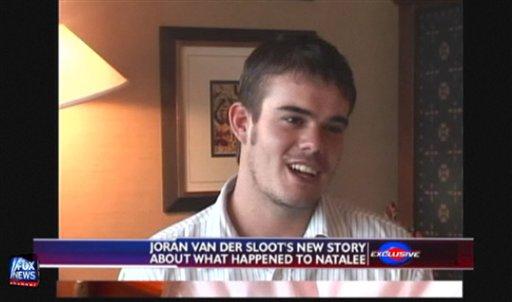
In a lengthy 2006 interview with Greta Van Susteren on Fox News, Van der Sloot described drinking shots of rum with Holloway, whom he said he met while playing poker at an Aruba casino, then taking her to a beach and leaving her there around 3:30 a.m.
In De Vries’ 2008 Dutch television documentary, Van der Sloot said during a secretly recorded conversation that Holloway was drunk and slumped to the sand as they were kissing.
“Suddenly she started shaking and then she didn’t say anything,” Van der Sloot said in Dutch, adding that he did not kill her. “I would never murder a girl.”
The interview prompted authorities in Aruba to reopen the case, but Van der Sloot later said he made up the whole story and he was not charged.
“I have a busy imagination and it was one big lie. … Nothing’s true,” he told interviewer Jaap Amesz in a show broadcast on Dutch TV last year.
He told Amesz yet one more story. Holloway was dancing on a balcony when she accidentally fell over the railing, he said, his eyes filling with tears.
Amesz, who had arranged for the polygraph test, asked Van der Sloot if half of everything he said was a lie.
“Oh, more than half,” he replied.
Van der Sloot’s lie detector test lent support to that admission.
Annette Heldens, the investigator who questioned Van der Sloot, said he continuously squirmed in his chair to throw off the polygraph machine.
“He tried to manipulate the results,” she said. Nonetheless, she said the test showed he lied when he repeatedly answered “no,” to questions about whether he was involved in Holloway’s disappearance or death.
Polygraph tests are inadmissible as evidence in the Netherlands, and Schalke said police did not follow up after the results were broadcast on TV.
After Van der Sloot was shown the test results, Amesz asked him on camera what he thought the consequences would be.
Rather than answer, he grabbed a glass of water from the table, spun out of his chair and smashed it in fury against a wall.
* This story was originally published as a post from the blog "Sirens & Gavels." Read all stories from this blog