Ethics hearing: ‘Divided loyalties’
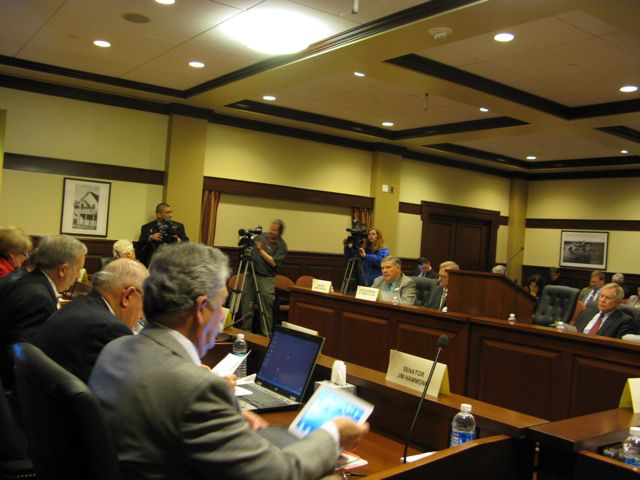
The Senate Ethics Committee this morning has received a revised complaint from Senate minority leaders and a response from Sen. Monty Pearce, R-New Plymouth, to the ethics complaint against him. The Democrats’ revised complaint adds some detail about “pecuniary interest,” saying that Pearce’s oil and gas leases on his property stand to increase in value as a result of oil and gas legislation he’s supported in the Legislature this year. “The actual personal and financial benefits of this to Senate Pearce cannot be accurately determined without further technical investigation by a qualified expert,” the Democratic leaders wrote. They also noted, “As set forth in Senate Rule 53(B), it is the duty and authority of the ethics committee, not the claimants, to conduct a preliminary investigation using the vast resources at your disposal including the power to take testimony under oath and to issue subpoenas. … This duty to investigate relates not only to possible pecuniary benefits enjoyed by Senator Pearce, but also to any personal benefits that he may enjoy.”
Pearce’s letter, from his lawyer, Chuck Peterson, says, “Not a single fact has been advanced that is evidence Senator Pearce’s actions would have resulted in his receipt of a private pecuniary benefit. Neither has any fact been alleged that Senator Pearce would be treated differently than other Idahoans with similar oil and gas leases.”
Peterson went through each of the oil and gas bills passed this session and wrote that none created a direct benefit to Pearce. “The complaint against Senator Pearce is wholly without merit,” Peterson wrote. “Whether intended to do so or not, the allegations have unfairly hurt his reputation.”
The committee is now hearing from Senate Assistant Minority Leader Les Bock, D-Boise, on the Democrats’ complaint. “Somebody who has a conflict of interest has divided loyalties,” Bock said. “In the committee … he did not reveal his conflict.” He argued that disclosure of conflicts is required when there’s any personal benefit, not just a specific “pecuniary” benefit, which means financial benefit.
* This story was originally published as a post from the blog "Eye On Boise." Read all stories from this blog