Hagedorn offers coverage proposal: ‘We don’t have to reinvent the wheel’
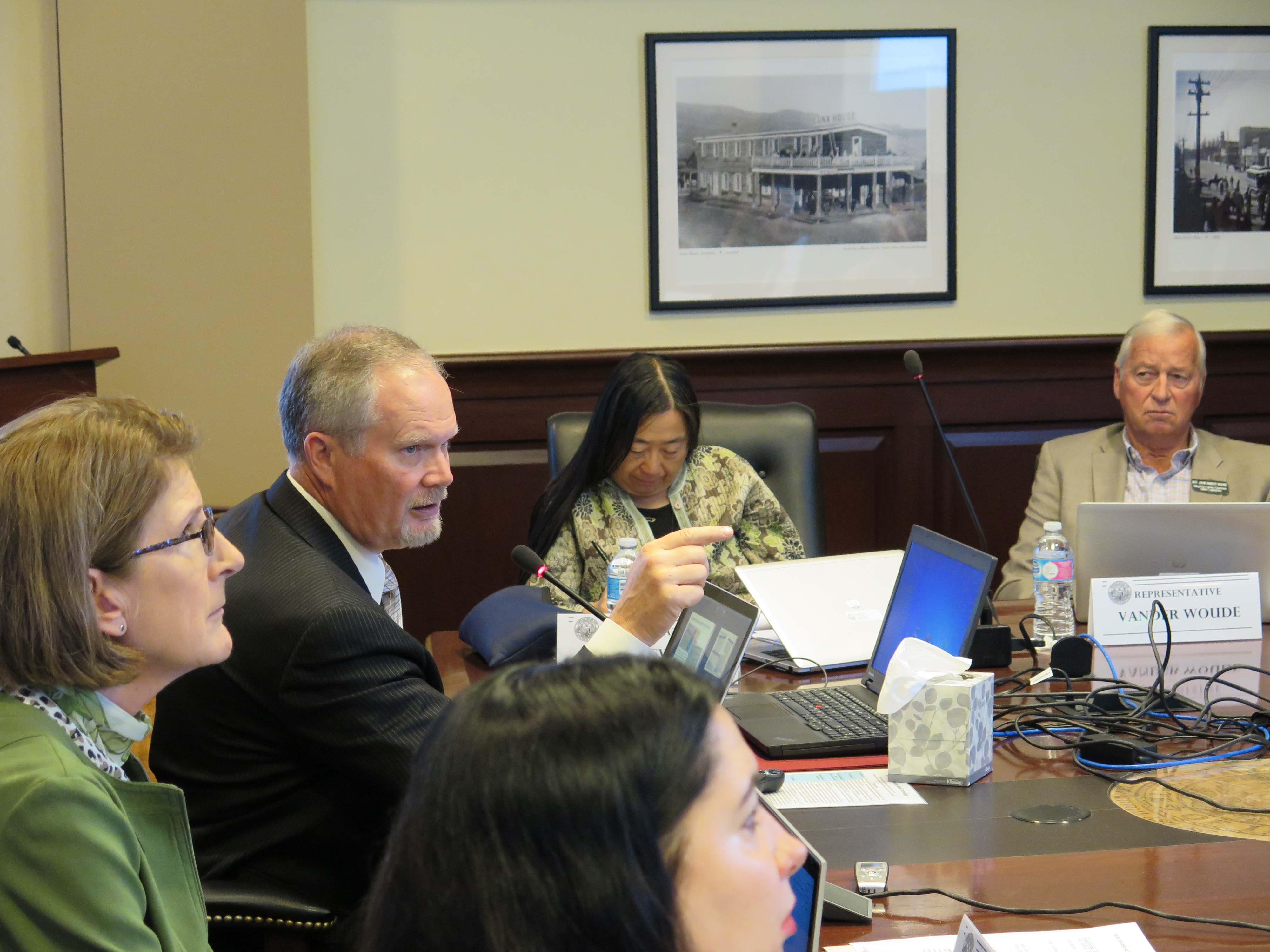
Sen. Marv Hagedorn, in a heartfelt, half-hour pitch to his fellow members of the Idaho Legislature’s health coverage gap working group, has laid out a proposal for a new approach to the problem: Accept federal Medicaid expansion funds, but only for two years, and use them to cover the pent-up costs for health care as Idaho remakes its entire health delivery system, both for those on Medicaid and not, into a managed-care system that aims to cut costs.
“We’ve done a great job in Idaho of reducing our Medicaid costs,” said Hagedorn, R-Meridian, the Senate co-chair of the joint legislative panel. “But you’ll also notice that our insurance premiums have gone up. … So we’re all paying for this care today – every one of us.”
Hagedorn said he’s learned a lot at the panel’s hearings. Among them: “Our gap population is not a bunch of deadbeats. These are the working poor of Idaho.”
Another thing he learned: That the majority of those on Medicaid in Idaho are children. And they’re not a costly population to serve.
Hagedorn said he’s also learned that the state’s SHIP project, the State Healthcare Innovation Project, which is trying to move away from a fee-for-service delivery system for health care to a patient-centered medical home model, is saving the state $5 for every dollar invested. “It’s limited in size, but it’s got the right targets,” he said. “It’s targeting bending the cost curve of delivery and keeping people healthy.”
Hagedorn said he’d like to see Idaho fully coordinate all its existing networks of health care, from EMS providers to public health districts, to help keep people healthy – rather than just to treat them when their health conditions reach crisis level.
“The numbers show that when people have access to health care, it costs them and it costs the state less money,” Hagedorn said. “So what can we do to bend the cost curve? We’ve got to create a primary care delivery system that includes all of that network that we’ve talked about – central districts of health, hospitals, primary care providers. Wait a minute – we’ve already invented that. It’s called SHIP. … We don’t have to reinvent the wheel … it’s working.”
Hagedorn said he’d like to see the state create a primary care system that’s fully state-funded, so no federal strings would apply; and tap Medicaid to pay for services outside primary care, from pharmaceuticals to cancer treatments. “Just like we did with SHIP, we need to create the sideboards on what we want done,” he said. “And let Director Armstrong and his crew, and Director Cameron and his crew, figure out what waivers … we need to negotiate with the federal government.”
Dick Armstrong is the director of the state Department of Health & Welfare; Dean Cameron is the director of the Idaho Department of Insurance.
Hagedorn said his hope is that that kind of change could drive down health care costs so much over the next two years that the state would no longer need the Medicaid expansion funds by then. “It’s going to change our delivery culture in Idaho,” he said.
Hagedorn said his proposal is “just one idea,” and said, “I know there’s a lot of other thoughts and considerations and discussions. I would like to break and be back here at 1 after lunch. And let’s talk about some of the other ideas and how we wrap this whole thing up.” The committee is now on a lunch break.
* This story was originally published as a post from the blog "Eye On Boise." Read all stories from this blog