This column reflects the opinion of the writer. Learn about the differences between a news story and an opinion column.
100 years ago in Spokane: A judge intervened as the great railway strike showed no sign of slowing
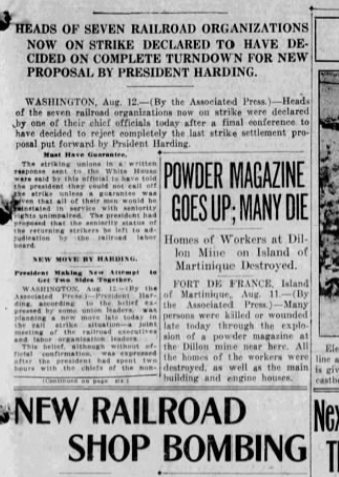
The nationwide railroad strike was getting uglier.
Another rail yard bombing was reported in California. No violence was reported in Spokane, where 1,800 rail shop workers were on strike. But no end was in sight for the strike after the unions declared that they would reject the latest proposal by President Warren G. Harding.
Now, “nationwide paralysis of rail transportation was threatened” after other rail unions declared that they would join the strike to protest the posting of armed guards and federal marshals at rail yards.
At the Great Northern rail yard in Spokane, marshals delivered a court injunction severely limiting strikers’ actions.
Meanwhile, authorities determined that a Great Northern freight wreck near the Hangman Creek bridge was not caused by strikers’ sabotage. It was from “heat caused by friction,” which cracked a wheel.
From the bootlegging beat: Ferry County Sheriff Thomas Barker denied that he had conspired to aid rum-runners, as charged in federal court.
Bootleggers had relatively free rein in Ferry County, but Barker said that was because the county commissioners had allowed him only one deputy. He said he was so busy serving warrants all over the county, he had no time or resources to do anything else.
The federal Prohibition agent for the region said he had offered to furnish Barker with deputies from his agency. “When I reminded him of the offer … he said he had been so busy ‘he had not gotten around to it,’ ” the federal agent said.
The sheriff and two other men were being held under bond on the conspiracy charge. A fourth man, a former deputy under Barker, fled into the hills, and a search party was seeking him.