This column reflects the opinion of the writer. Learn about the differences between a news story and an opinion column.
100 years ago in Spokane: A career questionnaire showed the city’s young women had dreams that weren’t so traditional for 1922
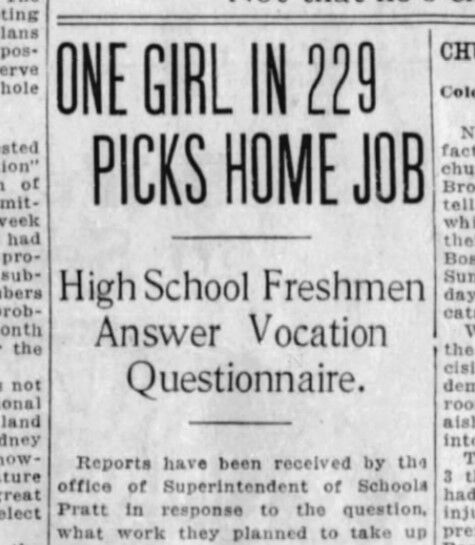
Spokane’s high school freshmen filled out a vocation questionnaire, and the results were surprising.
Among the girls, only one out of 229 chose housekeeper, which in that era was perhaps one of the most common jobs for girls and women. But seven chose artist, two chose attorney, five chose bookkeeper, three chose journalist, six chose dressmaker and four chose “dramatic art.” Many chose traditionally female occupations: 24 chose nurse, 22 chose teacher, 17 chose music teacher, 4 chose librarian and 77 chose stenographer, the most of any profession.
Single votes went to dentist, scientist, interior decorator, chemist and “cattleman.”
Amongst the boys, the most popular choices were electrical engineer (37), and civil engineer (23). Two chose “radio,’ an industry just getting started, and three wanted to be detectives. Nine wanted to be physicians, and 16 wanted to be attorneys.
Single votes went to occupations as varied as undertaker, statesman, tinker and ball player.
From the streetcar beat: The Spokane city commissioners threw a wrench into the streetcar merger plan when they flatly rejected the proposal set forth by Spokane’s two streetcar companies.
The commissioners strenuously objected to the seven-cent fare proposal – they wanted a six-cent fare – and they also objected to the companies’ demands for a ban on private jitney buses.
They city was preparing its own counter-proposal.