This column reflects the opinion of the writer. Learn about the differences between a news story and an opinion column.
Spin Control: Aquifer Protection Area renewal won big, even without a Wally the Otter
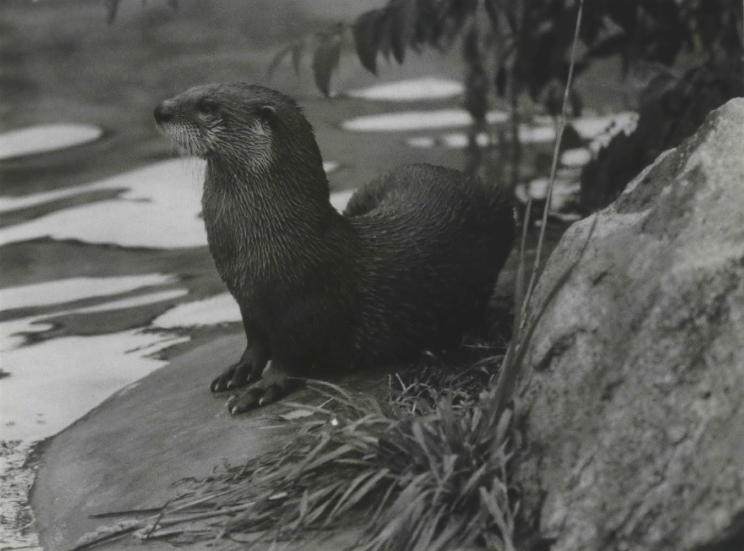
With all the primary ballots counted, it is heartening to see that the plan to re-up the Spokane County Aquifer Protection Area for another 20 years passed by a nearly 3-to-1 vote.
Heartening because the area’s electoral fortunes have been mixed over its 40-year history – a renewal proposal nearly failed 20 years ago. A statewide survey taken a few weeks before the primary also suggested voters were not in a particularly positive mood about taxes, their government, and the outlook for their state and community.
The aquifer protection area was first proposed in the mid-1980s amid growing concern that the underground source for most Spokane-area residents’ drinking water was in danger of being polluted.
The greatest pollution threat was development in then-unincorporated Spokane Valley, which had boomed for several decades with most residential waste being piped into septic tanks. The tanks, over time, had a tendency to leak, and the leakage could be expected to find its way to the aquifer, an underground system of water that flowed west from Rathdrum.
The Spokane-Rathdrum Aquifer – or Rathdrum-Spokane Aquifer for those east of the state line – is one of the largest underground sources of clean water in the country. So large that for the first 100 or so years of white folks living in the area, no one gave much thought to what might happen to it.
Building sewers, and a plant to treat what they carried, was expensive and proponents of septic tanks insisted that their systems, when properly maintained, are as good as or better than, sewers. It was an argument that played better in the Valley, where the tanks were, than in the city of Spokane, which had sewers and wastewater treatment as well as being downstream from the Valley.
To help with the expense of building sewers in areas that didn’t have them – for a period of time, sewer was actually used as a verb in the area, as in “We need to sewer the Valley” – local leaders came up with the aquifer protection area that could assess minimal annual fees, and put it before voters in the 1985 fall primary.
It was a new concept for local voters. Supporters launched a significant “Vote Yes” campaign, and even persuaded backers of another controversial civic project, a new coliseum, to wait for a later election to limit controversial money propositions on the ballot.
But no one was sure how it would fare.
Turns out they needn’t have worried. The new area got more than 70% of the vote, just as this year’s renewal got. Local leaders set out to spread the word about keeping the aquifer clean. In fairly short order they came up with a mascot and a slogan. “We really otter protect our water.”
The campaign had a cute cartoon otter, half emerged from a pond. He was dubbed Wally.
Later the aquifer protection area hooked up with the Valley’s Walk in the Wild Zoo (Note to younger readers: yes, there used to be a zoo in the Valley) which had recently acquired a young otter.
That otter also was named “Wally,” not because of a connection with the district but as a result of a contest among the zoo’s patrons. Supposedly the winner chose the name because the otter reminded them of Wally Cleaver, the older brother of television’s Beaver Cleaver. (Note 2 to younger readers: Wally and Beaver were live actors, not cartoon animals like Bluey or Itchy and Scratchy. The resemblance between Wally Cleaver and the zoo’s Wally Otter was, at best, minimal.)
About that same time, the Aquifer Protection Area had received a $69,000 state grant to help boost water pollution awareness among youngsters. The zoo’s Wally was signed up to appear in some videos and another chunk of the grant was used to create, print and distribute a coloring book featuring the cartoon Wally.
Over time, Wally faded from sight on both fronts, although there’s no notice of his demise at the zoo in the newspaper archives. Walk in the Wild did have a costumed mascot of an otter, named Opie, for several years but there’s no record of Opie standing in for Wally at any Aquifer Protection Area events. When Walk in the Wild shut down in 1995 the live otters that were left got new homes at other zoos. The mascot costume may have been auctioned with the remaining buildings, fencing and totem pole when the zoo’s assets were liquidated in 1997.
In 2004, when the Aquifer Protection Area came up for its first renewal, the proposal was behind on election night and only eked out a slim victory in the later counts. Not sure if reviving Wally for the campaign would have helped or hurt.
Mood of the voters
This stroll down memory lane is a bit of a digression from the earlier mention that the renewal of the aquifer protection area passed overwhelmingly despite misgivings voters might have about their government. An Elway Poll of 403 Washington voters conducted for Cascade PBS about two weeks before the primary showed that only about one voter in four expected things to get better in the state and only one in three expect things to get better in their community.
Only about one in three gave Gov. Bob Ferguson a rating of good or better, and only one in four gave the 2025 Legislature a rating of good or better. While majorities supported recent laws requiring permits and a safety program to buy firearms, restrictions on rent increases and unemployment payments to striking workers, only a third supported an increase in the gasoline tax.
In what elections officials might view as good news, about two-thirds said they were confident the state’s mail-in ballot system is “secure and accurate.” That confidence was pretty even across age, gender and education levels. There was, however, a significant partisan split, with 85% of self-identified Democrats saying they were either very or somewhat confident, while 73% of self-identified Republicans said they had some doubts or were not at all confident in the mail-in system.