This column reflects the opinion of the writer. Learn about the differences between a news story and an opinion column.
Spin Control: What’s in a name? It’s a generational thing
Because I often refer to generational splits in things like voter turnout and political surveys, a reader with an inquiring mind called recently wondering who gets to name those generations.
Is there a government office or an academic clearing house of generational nomenclature, he wondered?
The answer to that is “no.” Generational names come from different sources. If used enough times by enough people, they take hold in the public consciousness and might even get adopted by government agencies like the Census Bureau.
The Baby boom Generation – generally those born between 1946 and 1964, although some demographers start a few years earlier – may have been the first to grow up with their name attached to them because so much studying was being done about a post-war baby boom spiking populations around the world. In their heyday, they were the biggest age cohort in the country, or what was described by multiple writers in the 1970s as “the pig in the python” of American demographics.
They are now much closer to the python’s tail than its mouth.
Their parents and others born between 1901 and 1927 were often referred to as the World War II or Depression-era generation. In his inaugural speech, President John F. Kennedy – born in the middle of that span – referred to them as “a new generation of Americans – born in this century, tempered by war, disciplined by a hard and bitter peace, proud of our ancient heritage.” Kind of hard to fit all that at the top of a chart or a spreadsheet column.
In 1998, when Tom Brokaw’s book “The Greatest Generation” was published, it brought that term into more common usage. No one held a competition to award that generation the blue ribbon, but considering what they went through, it seemed appropriate. By the time it came into common use, however, a significant number of them had died without getting that due recognition.
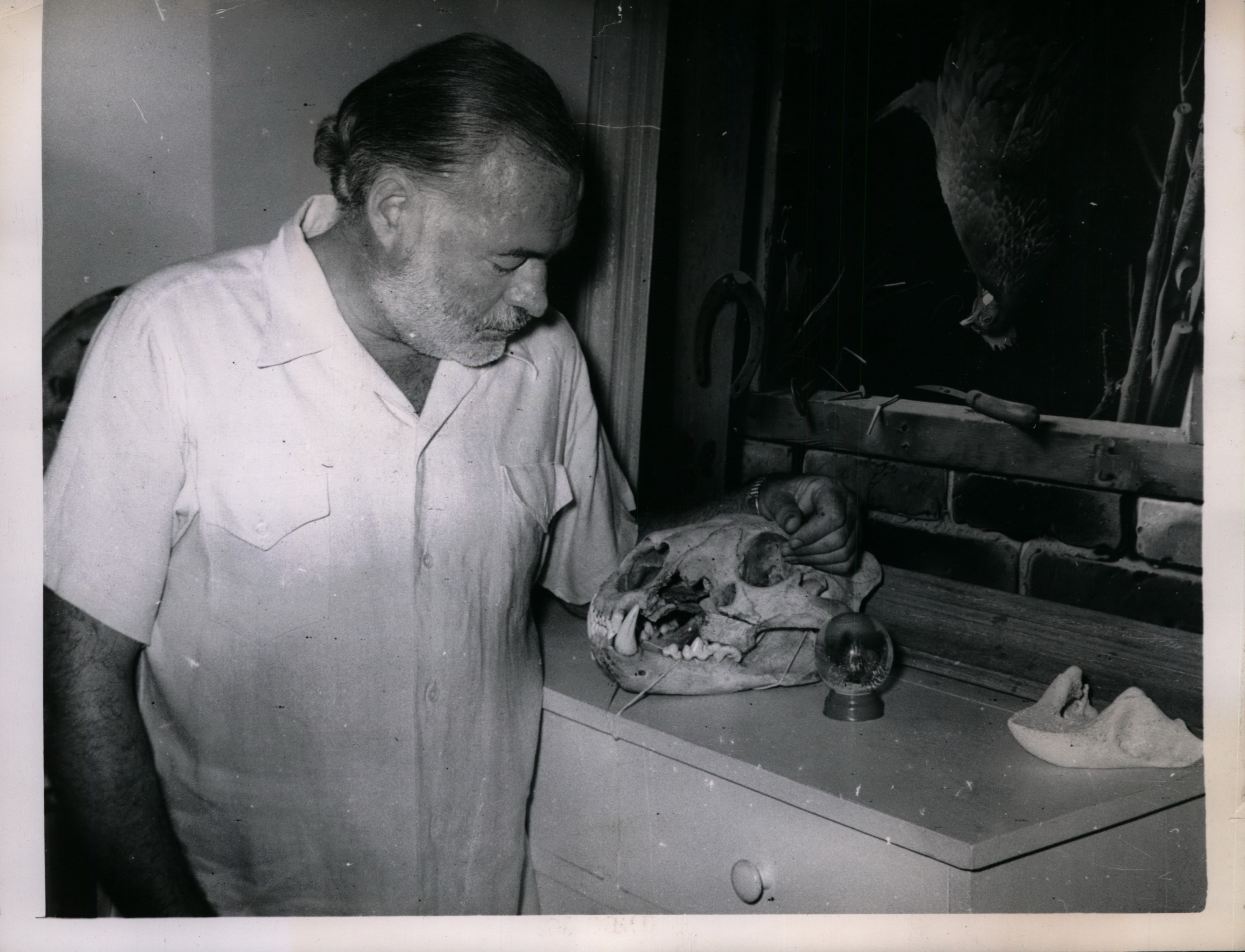
That was not the first generational name to have some literary tie. The age cohort that came of age during or slightly after World War I is often dubbed “The Lost Generation.” That phrase – as those who were paying attention in high school American Lit might recall – was translated from the French “une génération perdue” in an anecdote from Gertrude Stein and served as an epigraph in Ernest Hemingway’s “The Sun Also Rises.”
Hemingway was referring to the group of disillusioned writers and artists he hung out with, so it seems unfair to paint an entire generation as lost. But it found its way into the generational taxonomy.
Between the Greatest Gen and the Boomers is a cohort sometimes called the Silent Generation, in theory because they grew up during the Depression and war, and had to learn how to get by without complaining. This is not to say they were all silent, considering Martin Luther King Jr., Hunter Thompson, Elvis Presley, Jane Fonda and Nancy Pelosi were all part of that generation.
The generation that was mostly cheated out of a good name was the one after the Baby Boomers, known as Gen X. When the birthrate started to decline in the mid-1960s, sociologists who had spent years studying the Boomers wondered what changes would occur in this as-yet unknown generation. They were labeled X, as in the unknown, and apparently no one bothered to come up with a better one.
After that, some people doubled down and started calling the generation born between 1980 and 1996 as Generation Y. They later became known as Millennials, most likely because they would come of age in the new millennium. But maybe in part because the other name sounded like Generation Why?, to which the smart aleck answer was, Why Not?
Whether the nation is stuck with a lack of imagination, or just stuck in a deep rut of lazy alphabetizing, the next cohort has been labeled Generation Z. Usually shortened to Gen Z, it is people born between about 1996 and 2012, followed by Generation Alpha, a name that shows minimal imagination by shifting to a Greek letter.
History suggests those names aren’t cast in stone, and any new names that may be applied won’t describe the entire cohort. For example, most of the Lost Generation were not flappers, bootleggers or gin-soaked novelists wandering around Europe.
If they lost on any count, it was the chance to have a member of their generation in the White House. The nation skipped from Harry Truman and Dwight Eisenhower, both born in the late 1800s, to the string of Baby Boomers that includes Bill Clinton through Donald Trump (an asterisk is necessary for Joe Biden, born in 1942, a few years before the official start of that generation).
Gen Z grew up in the shadow of 9-11 and the War on Terror, but it seems unfair to saddle them with things other generations caused. Gen Alpha has so far weathered COVID lockdowns and a decade or so of crazy politics, but in the years ahead they should probably be known for something more positive. Or at least that they had a hand in.