This column reflects the opinion of the writer. Learn about the differences between a news story and an opinion column.
Faith and Values: Becoming the parent I’m meant to be: Having a child at 44 years old isn’t too late but exactly right
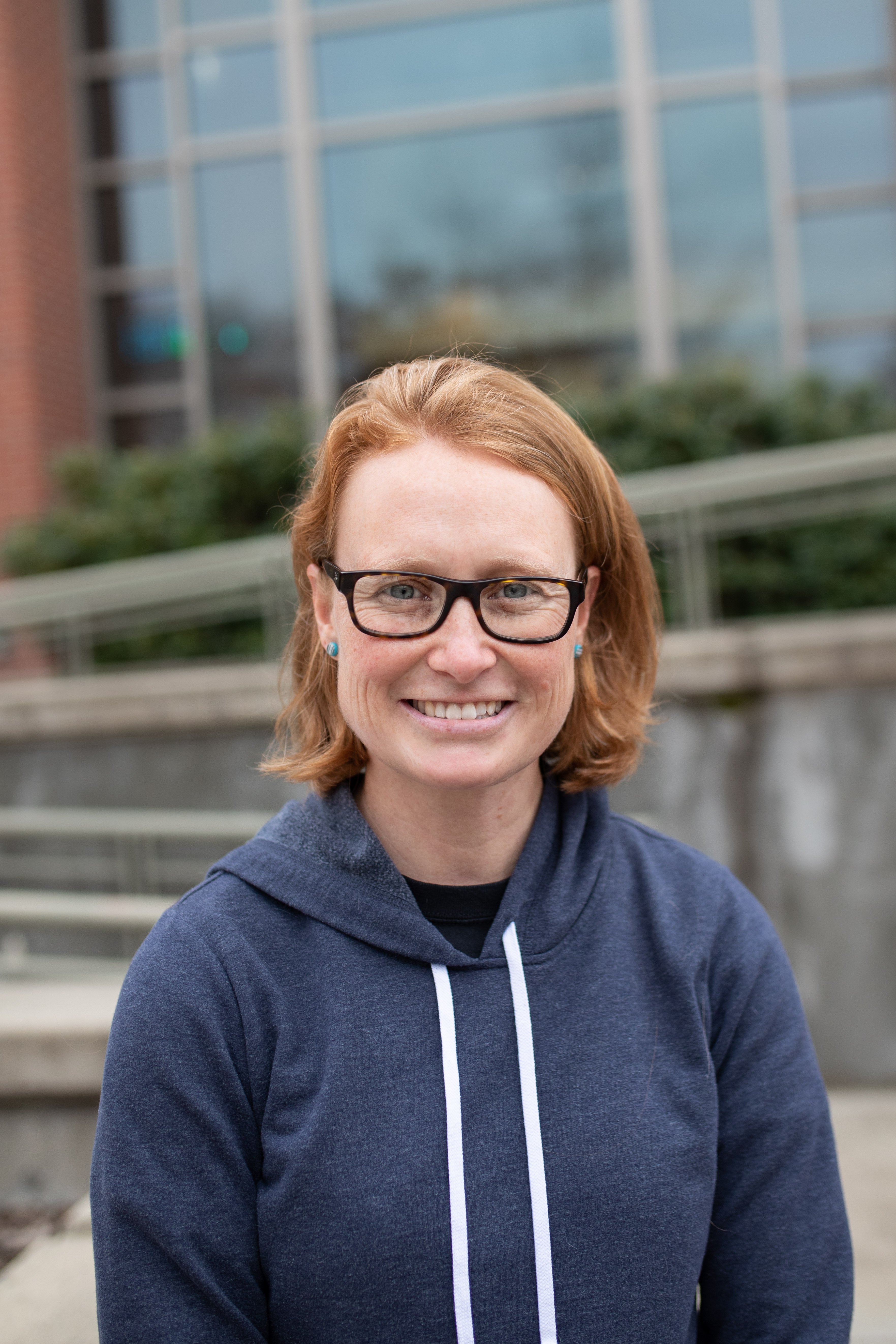
Last month, my wife and I announced we’re having a baby boy this December.
I’ll be 44 years old when I become a parent, and I’m wrestling with what that means.
When he graduates high school, I’ll be 62. When he’s 30, I’ll be 74. These numbers feel like a lot.
Part of me is angry about starting so late, including getting married at 41. The path to get here required years of therapy, unpacking the spiritual abuse that had twisted my understanding of relationships, of myself, of what healthy love looked like. That work was necessary, but it cost me time I sometimes wish I had back.
I’ve been carrying this frustration about my timeline, feeling like I’m perpetually behind some invisible schedule everyone else seemed to know about.
Then the emails started coming.
One friend shared she was 39 when she had her first kid.
“I do feel I have given them a better childhood and prepared them better for adulthood than a younger me would have had the patience and skill to do,” she wrote.
Another: “Being a new mom at 43 isn’t bad. Remember, I didn’t become one until I was 50 1/2.”
And from another friend: “There’s no perfect time! Sometimes I get frustrated that I started so early.”
These messages arrived exactly when I needed them. They reminded me that my anxiety about timing might be missing something important: readiness isn’t just about age.
The woman who will meet her son in December is not the same person who would have been a parent at 24 or even 34. That younger version was spiritually unstable, financially struggling and mentally fragmented. I was still figuring out who I was beneath the layers of religious programming and societal expectations.
This current version of me has done the work. I know what I believe now, separate from what I was told to believe. I’ve learned to recognize manipulation and set boundaries. I’ve built a marriage based on mutual respect rather than prescribed roles. I’m guided by values I cherish, and do work that I love.
Most importantly, I’ve learned to be gentle with myself – a skill that will serve this little boy well when he inevitably struggles with his own timeline, his own sense of being behind or ahead or exactly where he needs to be.
Maybe 44 isn’t too late. Maybe it’s exactly right.
The truth is, there’s no perfect age to become a parent. Every stage of life brings its own gifts and limitations. What matters is showing up fully.
Our son will inherit a parent who has wrestled with her demons and emerged more whole. He’ll grow up in a home where vulnerability is modeled, where questions are welcomed, where love isn’t conditional, where morals and values are taught, where faith is explored rather than imposed, where spiritual curiosity is nurtured alongside critical thinking.
I may be older when he takes his first steps, but I’ll be more present for each one. I may have less energy for midnight feedings or family hikes, but I’ll approach them with more patience. I may worry about being around for his major milestones, but I’ll make sure the time we have is meaningful.
At 44, I’m not just becoming a parent (note: I’m not the one carrying!); I’m becoming the parent I’m meant to be – not despite my age, but because of everything that brought me to this moment. Every detour, every year of healing, every hard-won lesson has prepared me for this sacred responsibility.
In the meantime, though, keep those emails coming. I want to hear from other older moms and dads. Those messages are already priceless. They’ve taught me that parenting journeys are beautifully diverse, and that wisdom shared between parents transcends age brackets.
Tracy Simmons, a longtime religion reporter, is a Washington State University scholarly assistant professor and the editor of FāVS News, a website dedicated to covering faith, ethics and values in the Spokane region.