This column reflects the opinion of the writer. Learn about the differences between a news story and an opinion column.
Jacob H. Rooksby: In praise of boredom
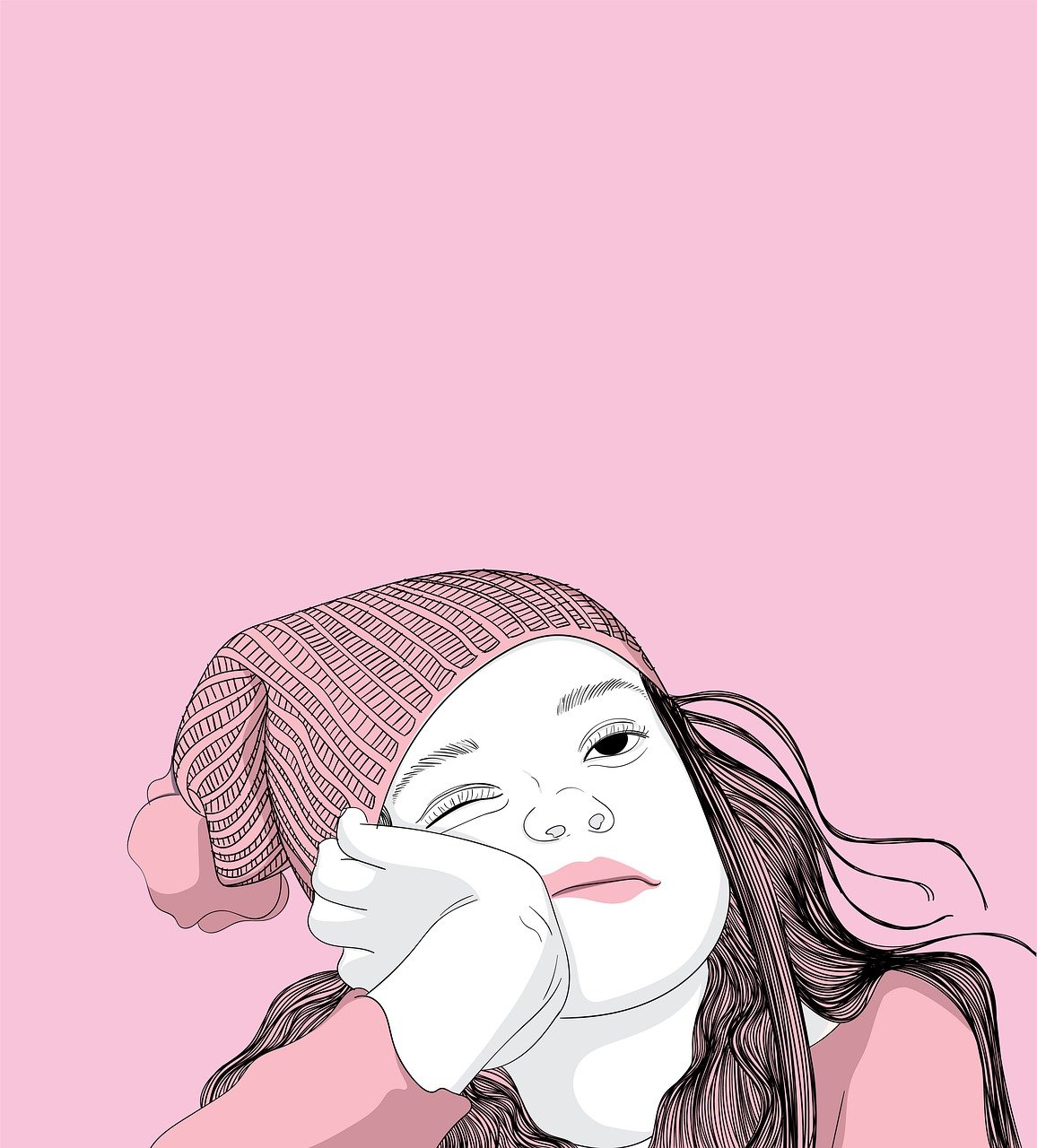
The other day, I realized something strange: I can’t remember the last time I was truly, soul-shakingly bored. Not “waiting for a Zoom meeting to start” bored. Not “stuck in traffic with a podcast” bored. I mean the kind of boredom where time stops and your brain starts reaching for anything – sticks, clouds, your storage room – to fill the void. The kind of boredom that once defined childhood summers.
That experience, like so many others, is disappearing. We live in an age that’s relentlessly optimized – where boredom, serendipity and even uncertainty have been all but engineered out of daily life. We don’t get lost anymore. We seldom meet people by chance. And we don’t sit around debating who won Best Picture in 1988 – we Google it before the question finishes forming in our heads.
But it’s boredom I miss the most.
As a kid, boredom wasn’t just a condition – it was a hallmark of childhood. It was the gateway to building elaborate forts out of couch cushions, painstakingly crafting mix tapes with just the right song order and sorting baseball cards into endless, obsessive categories – team, position, facial hair. It was the birthplace of contrived magic tricks, duct-taped contraptions that never worked and diaries that fizzled out after three entries. Boredom gave you a chance to make something out of nothing.
Now, boredom feels like a design flaw in the human operating system. We’ve surrounded ourselves with devices specifically calibrated to prevent it. The minute we feel the faintest twinge of restlessness, we reach for our phones – tiny dopamine machines in our pockets that promise never to leave us alone with our thoughts.
Children today are growing up in a world where even a few seconds of unoccupied time is treated like a failure of planning or parenting. We schedule them into activities, hand them screens and reward them for multitasking. But without boredom, how do they ever learn to sit with themselves? Or better yet, spend an hour carefully sorting pennies just to see which year shows up the most?
I’m not saying we should all go live off the grid – though digital minimalism certainly has its appeal. I’m just wondering if we’ve gone too far in treating boredom like a disease to be cured. Maybe it’s more like a nutrient we’ve eliminated from our mental diet – one essential to creativity, resilience and even empathy. After all, what is empathy if not the ability to sit with something uncomfortable?
There’s also a kind of humility in boredom. It reminds us that not every moment has to be filled, productive or meaningful. That we’re allowed to be idle. That the world doesn’t owe us entertainment on demand.
So this summer, I propose something radical: Let yourself be bored. Sit in a chair without a screen. Go for a walk without earbuds. Watch clouds. Dig out your old CD collection and reflect on the tragedy that you have no practical ability to play them. Or do what I did as a kid: Lie on your back in the grass and stare at the blades – because you were told to play outside and you’d already run out of ways to play, but you weren’t yet allowed back in. It’s amazing what you notice when there’s nothing else to do.
Because once we lose boredom completely, we don’t just lose the awkward silences or the empty afternoons. We lose a part of ourselves – the part that wonders, that dreams, that creates something small but lasting just to pass the time.
And for the record: “Rain Man” won Best Picture in 1988. A story about road trips, unspoken bonds and the kind of understanding that grows when words fall away. We used to have more stories like that. And more time to notice them.
Jacob H. Rooksby is the Smithmoore P. Myers Dean of Gonzaga Law School.