This column reflects the opinion of the writer. Learn about the differences between a news story and an opinion column.
Spin Control: For new candidates, some things to think about
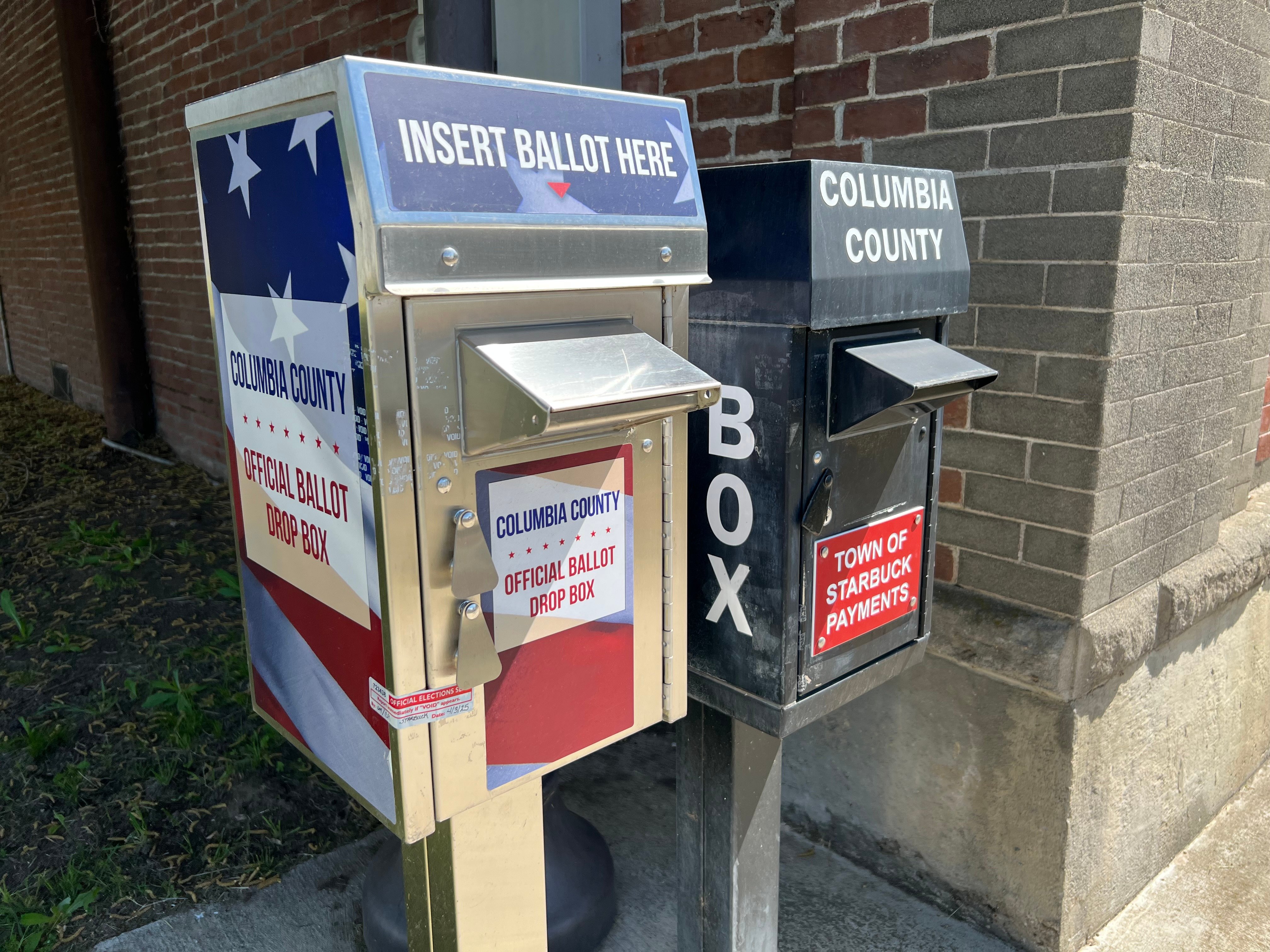
Filing week in the year after a presidential election is usually when Washington has the largest contingent of first-time candidates as the offices are almost all hyperlocal – city council, school board, fire district, water district and cemetery district.
Because of that, the following Sunday is often the time when this column offers advice to novice office-seekers.
The standard advice, which has been recycled several times, often boils down to “don’t whine, don’t make mistakes and when you do make mistakes, don’t whine.” This goes over well with political reporters, political advisers and some activists who will be dealing with newbie candidates over the next six months, but may not be as helpful to the candidates themselves.
In a shift this year, here’s some more practical advice on things people might not have thought about before turning in their first petition of candidacy and paying the filing fee last week.
A campaign is a job interview in which a segment of your potential employers decides whether to hire you. It’s an undefined segment because not everyone will vote and the turnout in this general election will likely be the lowest in the next three years. But if you win, you still have to work for the people who elected you, the ones who voted for someone else, the ones who could’ve voted but didn’t and the ones who couldn’t vote but still rely on responsibilities that come with the job you want.
Know what that job does. Some new candidates run for office to fix one particular problem, like a person who runs for city council because the street department hasn’t fixed potholes in the neighborhood or the school board candidate is unhappy with what their child is or isn’t learning in middle school. These are valid reasons to get in a race, but usually not a good enough strategy to win it. There may be potholes all over your district so that may be the main topic of conversation in line at the checkout counter. But even if you could find the money to fix all the potholes in your first six months in office – unlikely but new candidates are, by their nature, highly optimistic – there are more issues a council member faces. Voters will have questions about many of those things too, so bone up on as much as you can as fast as you can. Repeatedly calling for an in-depth study won’t fool anyone.
Campaigns cost money. While elections may be “free” in the small-d democratic sense, campaigns for them usually are not. Even if you were the only one to file for a particular office, you’ll still probably spend some money letting people know you really want this job.
Keep track of that money. Few candidates can cover that cost out of their own pocket. Washington has pretty strict rules for how much a candidate can take from specific kinds of donor and when that money has to show up on their Public Disclosure Commission reports. These are not suggestions.
They are rules that can come with some significant monetary penalties if you ignore them.
Plus, such failures are the easiest thing for reporters and campaign watchdogs to flag and for your opponent to use against you.
Attend public forums and be willing to debate. Some candidates love debates; some hate them.
If you’re among the latter and your opponent among the former, they’re going to challenge you to a debate a week from now until election day. You don’t have to do all of them, but you should do some of them. Don’t get too stressed out because the first rule of debates is that elections are almost never lost because someone flubbed a debate. If you love debates and your opponent hates them, don’t accuse them of “being afraid to debate” if they agree to some but pass the others. The second rule of debates is that elections are almost never won because you crushed a debate.
Your campaign is important to you; it’s your job to make it important to other people. Some new candidates assume that their entry into the race is automatically newsworthy and the public anxiously awaits each new development in their campaign. This probably comes from watching cable news coverage of the presidential election, for which potential candidates for the 2028 election are already being touted and dissected. Local elections – covered by local news outlets with limited time, space and resources – don’t work that way. You’ll have to remind people on a regular basis that there is an election this year. That it’s an election involving a certain set issues like local crime, local streets, local taxes or local schools, and what you want to do about them. That it’s not an election involving another set of issues that they may be concerned about but would be beyond your control, like immigration policy or tariffs or federal layoffs or Social Security cuts or the future of democracy.
Well, actually, it is about the future of democracy, just not what people might mean by that right now. In a democratic republic, good and responsive government starts closest to the people.