This column reflects the opinion of the writer. Learn about the differences between a news story and an opinion column.
Spin Control: As vote counts continue, some geeky numbers to consider
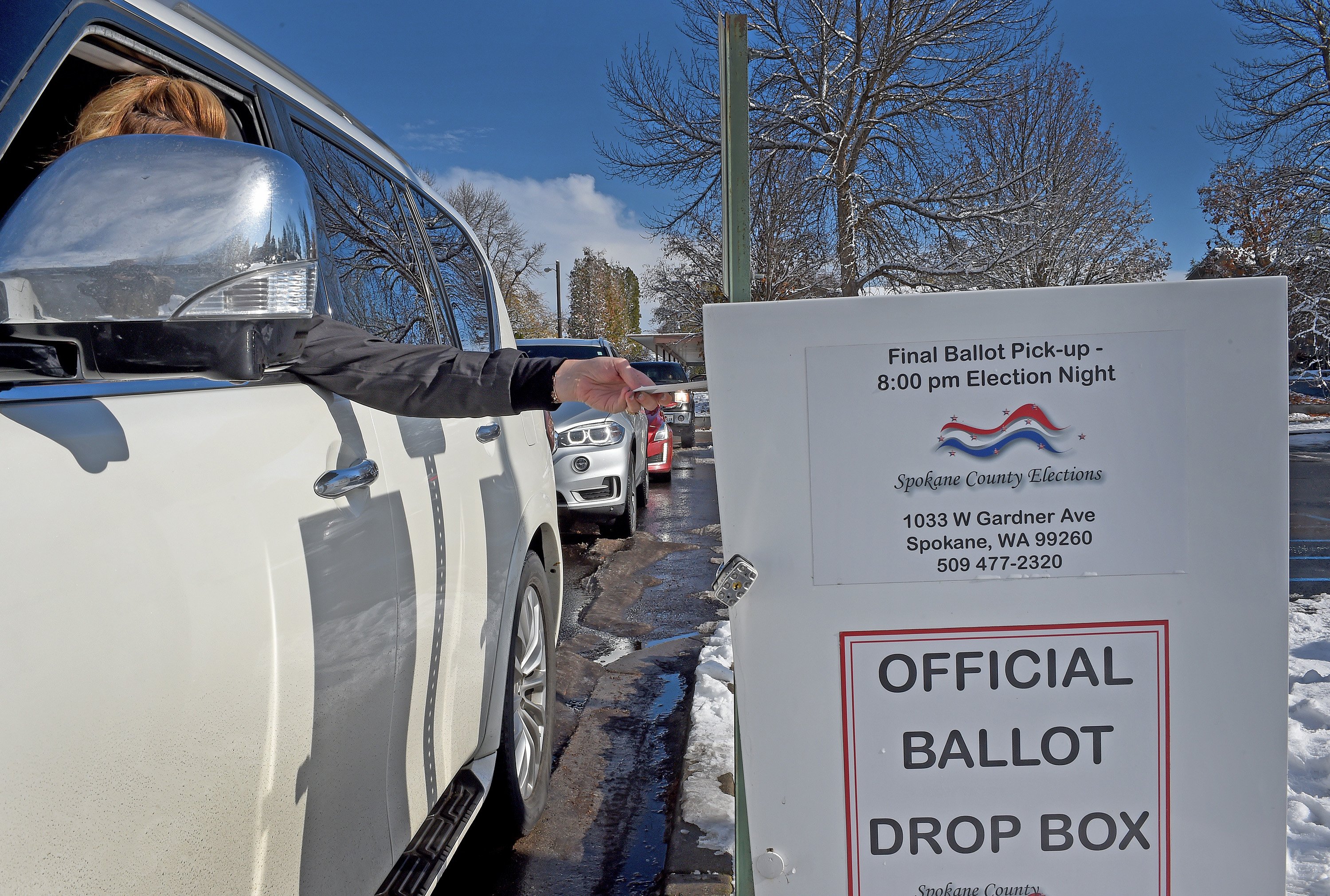
The weekend after an election can be a difficult time for pundits, who tend to be political geeks.
The results of most races are clear either on election night or the next day’s count, and are thus closer to history than news. The really close races in Washington might not be settled for another week because votes trickling in by mail will be counted if they have been postmarked by Election Day.
So it becomes necessary to wade deeply into the numbers to find interesting tidbits to fill the space. For instance:
The Spokane municipal election had some of the best turnout for an off-off year election, which is one without a presidential, congressional or mayoral race on the ballot. They typically have a drop-off of five to 10 percentage points from a municipal election with a mayoral race and sometimes half that of a presidential race.
As of Friday, turnout was hovering at about 44.4%, which is nothing to brag about, but higher than similar elections in 2021, 2017 or 2013. Having the city park issue and the bond issue for Spokane Public Schools – which includes most of the city precincts and some adjoining areas – no doubt helped boost turnout.
As usually happens, turnout was not consistent across the city. Slightly more than half the voters in South Spokane’s District 2 turned in their ballots, as did about 47% of voters in Northwest Spokane’s District 3.
But only about 1-in-3 registered voters in Northeast Spokane’s District 1 turned in a ballot. That, too, is a familiar pattern in city elections. Turnout in District 1 is usually between 10 and 15 percentage points below the other two districts. District 1 also has the fewest registered voters, more than 10,000 fewer than the other two districts.
People will complain about the low turnout, especially when the candidates who were elected do something they do not like. They will contend the winners do not represent a majority of the community when you add up the people who voted for the other candidate along with the people who did not vote at all. But that argument does not really hold water because the people who do not vote are essentially defaulting to the choices of the people who do.
It is not that they forfeited the right to complain if they did not vote. But they did pretty much give up the likelihood that anyone will take them seriously.
As happens in every election, every voter does not mark every issue or race on the ballot. When a race is skipped, it’s listed as an “undervote” – mark both candidates or options, it is an “overvote” – and neither affects the totals used for the percentages.
The races most likely to be skipped are those that are uncontested. But the undervotes can represent a missed opportunity in a tight race, because those voters were motivated to mark their ballot for other issues or people, yet the candidates in that race did not seal the deal.
On Friday, incumbent Jonathan Bingle was 58 votes behind challenger Sarah Dixit after being slightly ahead since Election Night. But 433 voters who had marked their ballots for other races skipped that council race. If either candidate had been able to convince those voters they were the right person for that job, they would have a comfortable lead in the race.
The percentages reported by the elections office do, however, include votes cast for write-in candidates. Some may be serious options, others are less so, but we typically do not know what names were written in because those votes are not tabulated unless they would make a difference in that race. In this year’s local elections, none will.
Tuesday’s election included a statewide issue, a constitutional amendment on how the money collected for the state’s long-term services insurance program, WA Cares, can be invested. It was the second year in a row that WA Cares was on the state ballot. Last year voters were asked whether people should be allowed to opt out of the system.
Supporters of the system were urging a no vote on last year’s initiative and a yes on this year’s amendment. Some critics of the system were yes last year, no this year. The map of the county-by-county results on the Secretary of State’s Elections Results pages are practically mirror images.
Spokane, Whitman and Walla Walla counties, along with the Puget Sound counties and the Vancouver area, were Yes this year and No last; most of the other counties in were solidly No this year and Yes in 2024.