This column reflects the opinion of the writer. Learn about the differences between a news story and an opinion column.
Spin Control: Washington’s relationship with gambling has evolved over the years
In recent weeks, Washington state has once again renegotiated its love-hate relationship with gambling.
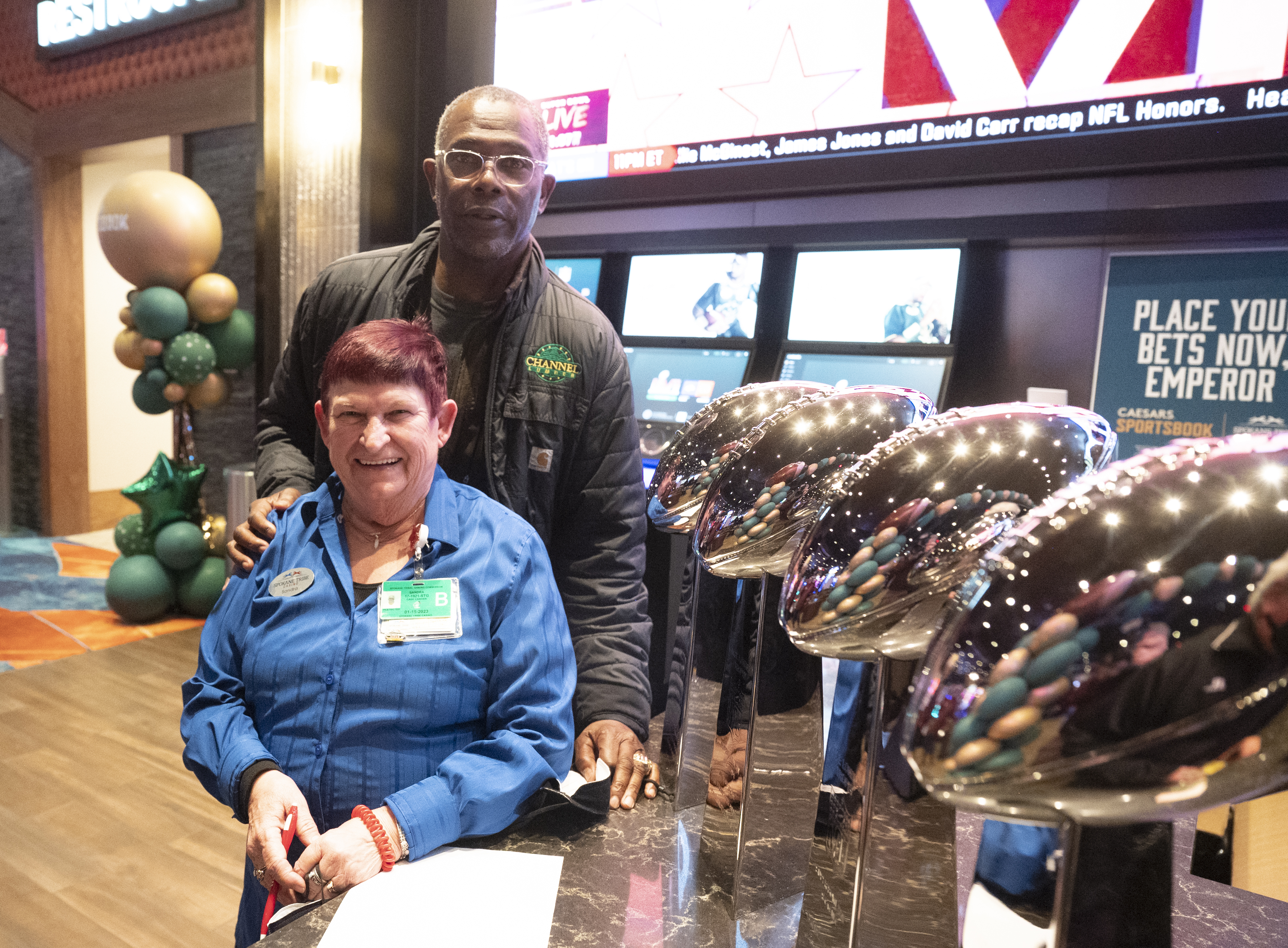
Gov. Bob Ferguson signed a law that will allow people in the state to legally place bets on games involving Washington colleges, providing they are emptying their wallets or their bank accounts at one of the state’s tribal casinos.
The betting options are limited, so had it been in place a month ago, one could have bet whether Gonzaga would win its second-round game in the NCAA tournament, but not whether a particular player would get a double -double or miss a certain number of 3-point shots or foul out – wagers that are available on various online platforms.
A few days later, Attorney General Nick Brown announced the state is suing Kalshi, which bills itself as a “prediction market for trading the future,” but that Brown contends is actually just an online gambling platform. Online gambling is illegal in Washington, despite being so ubiquitous that the casinos lobbied heavily to remove their restriction on betting on Washington-based college teams, which was part of the law passed six years ago that allowed them to take bets on most other kinds of sporting events.
Kalshi does not limit its “prediction market” to sports, but will take one’s money on a broad array of happenings, like how long “The Star-Spangled Banner” will last at a specific event, what film will win the Best Picture Oscar, how long a presidential speech will last and even affairs of the heart – at least when it comes to Taylor Swift and Travis Kelce.
When Washington became a state in 1889, its love-hate relationship with gambling was almost all hate. The new state’s constitution said the Legislature “shall never authorize any lottery,” and the courts defined “lottery” as any game of chance that costs money to participate in and offered a prize. The only legal gambling for much of the next century in Washington was on horse racing, which was ruled to be a contest of skill, not a game of chance. To mollify the haters, a State Horse Racing Commission was established to oversee the action.
That did not keep people from gambling, of course, any more than Prohibition kept people from drinking. There were bookies who took bets on sporting events, organized crime that ran “numbers games” and groups like churches and fraternal organizations that sponsored bingo and raffles.
Bars were allowed to have slot machines for about 15 years until the state Supreme Court ruled in 1952 that was an unconstitutional form of gambling. Could have bet they would see it that way.
In 1972, the Legislature and voters changed the constitution to allow types of gambling that were approved by a 60% margin of both chambers of the Legislature. The next year, lawmakers gave that super majority approval to what it called “social gambling,” like bingo, pull tabs and card rooms. It formed a State Gambling Commission to license and monitor those games.
In 1976, the Puyallups opened the first tribal casino. A year later, the state authorized “Reno Night” events by charitable organizations.
In 1982, the state’s need for money overcame lawmakers’ reticence about the evils of gambling. The economy was in a recession, the state budget was projecting a $253 million shortfall, and many of the Republicans who controlled the governor’s mansion and the Legislature had run on a no-new-taxes platform just two years earlier. They debated a state lottery that was projected to add $20 million to the state’s coffers.
Opponents called it a “sucker’s bet.” Supporters countered that at least the person buying the ticket was doing so voluntarily.
As the session dragged on, the Washington State Patrol discovered that some lawmakers, staff, lobbyists – and possibly reporters – had instituted a betting pool on when the session might end. The $1,441 in the pool was seized to be turned over to a charitable organization, the Associated Press reported at the time.
It took a special session to work out a solution to the state’s budget problem, which included the lottery as well as extending the sales tax to food. The former was more popular than the latter.
During the debate over the lottery, various versions called for all the money to be dedicated to public schools. The final version, however, put the money in the general fund, which means about half of it goes to schools because about half of the general fund is spent on education. Still, the idea that all lottery proceeds go to public schools persists, almost against all odds.
The newly formed State Lottery Commission scrambled to get the first lottery available for the Nov. 15 release date. It involved scratch tickets with varying amounts of possible prizes that would be $1, with an ultimate prize of $1 million after a long process that involved a drawing, and a 10-to-1 chance of winning at least the lowest prize, which was $2. There was only one form of ticket – different scratch games themed for the holidays, sporting events or whatever the commission’s marketing office dreamed up would come later.
The coming of the lottery was heavily covered by the news media, including plans for “lottery parties” when the tickets went on sale after midnight on Nov. 15. Promotion for the lottery did not use the word “gambling;” the theme was “Follow the Fun.”
There was a scramble for new or local angles. As the release date approached, The Spokesman-Review was able to report that the first license to sell tickets had been awarded to a combination service station in Airway Heights.
Newspapers have often been accessories before the fact to gambling, whether it’s listing the odds and the point spread for various upcoming contests long before betting on them was legal, or printing large stories about what a person might do with a $100 million jackpot. The odds of winning that jackpot are remote – akin to being struck by lightning while hitting a hole -in -one in golf .
From those early scratch ticket games, the state expanded its offerings into scratch tickets of varying price tags and prize amounts, different numbers games, and eventually joined multistate lotteries that are designed to have odds of hitting all the correct numbers so high that most drawings have no big winner and the jackpots roll over into eight, nine or 10 figures before someone wins.
Congress passed the Tribal Gaming Regulatory Act in 1988, which led to the state and various tribes signing compacts to open casinos on reservation lands starting in the 1990s. A total of 29 casinos operated by 23 different tribes are now licensed in Washington.
In the past decade or so, however, much of the gambling action has moved from casinos to the internet. Professional sports leagues, which formerly punished players caught gambling, now partner with different online operations.
The 2020 law allowing sports betting at tribal casinos banned betting on in-state college teams, an exception designed to protect college athletes from the pressures of gambling. The expansion law, which allows betting on the game, but not on the players, is designed to do the same thing.
But with online platforms taking bets on whether a player scores more than 20 points or throws more than two touchdowns, those pressures do exist and will continue, both for the players and the casinos to get in on the action.
It would be nice to think that the Legislature won’t revisit the law in a few years and expand options for sports gambling to include parlays involving players.
But based on past performance, you might not want to bet on it.