This column reflects the opinion of the writer. Learn about the differences between a news story and an opinion column.
Spin Control: Skip the trip, follow the drama of the 2026 Legislature from home
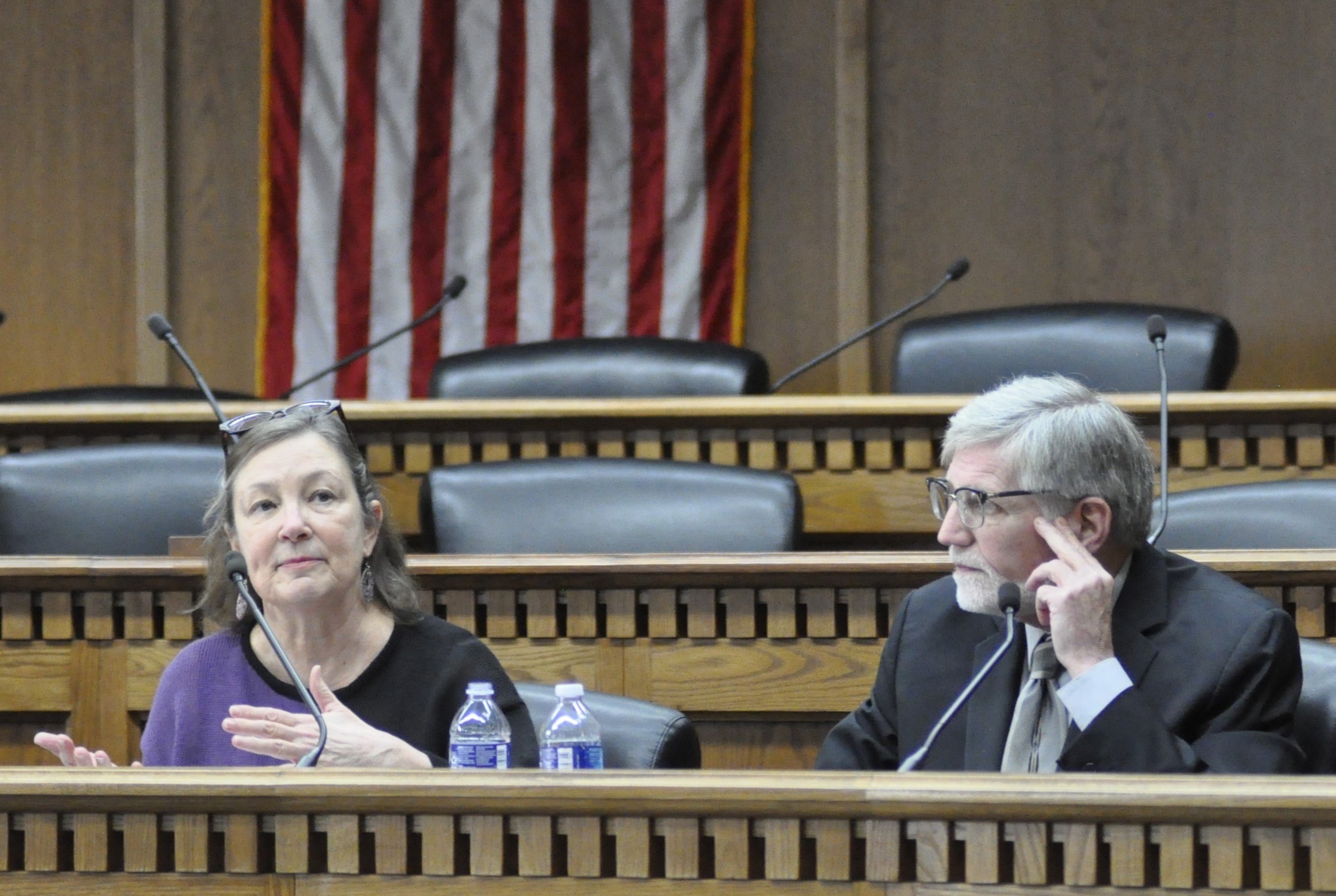
Washington’s 2026 legislative session, which starts Monday, might be short on days but not on drama.
Fortunately for Eastern Washington residents, they won’t have to brave a snowy pass, or in some cases take long detours around washed-out roads, to watch or even participate in that drama. Those who want can do both from the comfort of their home.
Like last year, there is budget drama as the expected receipts from taxes are not projected to cover the expected expenses in the state’s budget. Unlike last year, lawmakers have 45 fewer days to agree on a way to make the income cover expenses , because unlike the federal government, the state can’t run a deficit.
They’ll spend much of their time working on revisions to the two-year budgets they passed last year. If the annual preview of the legislative session that was held last Friday is any indicator, there will be much talk of what Democrats are calling either a “wealth tax” or a “millionaire’s tax” – and what Republicans contend is the beginning of a statewide income tax.
There may be some heated discussions on a proposal to change the state’s congressional redistricting system, currently handled once every 10 years by a bipartisan commission. A proposal was introduced last week to let the Legislature redraw the lines in between times to counter other states redrawing their lines. It faces a substantial hurdle, however, because it would need a constitutional amendment, which requires two-thirds approval in both chambers before being sent to voters. Democrats don’t have that large of a margin, so Republicans can kill it if they all vote no.
What probably won’t get much formal discussion, and certainly no votes, are a pair of initiatives to the Legislature. One would expand information schools must provide parents about students, the other would ban transgender girls from playing on girls’ teams. Initiatives to the Legislature go on the November ballot unless both chambers pass them. Democratic leaders said they know the initiatives won’t pass either chamber, so they see no reason in holding hearings and will let them go straight to voters.
There are, however, hundreds of other issues legislators will tackle, and every issue is important to someone. Here are ways to follow these issues when they come up for a hearing – and even have a chance to be heard during those sessions – then follow a bill’s progress through the 60-day session.
To get the information first-hand, you can watch some hearings and debates live on the TVW cable channel, which in Spokane is Channel 25. But TVW has only one cable channel, so it has to decide among as many as nine committee hearings going on simultaneously on many days, or pick between the House and Senate if both chambers are on the floor.
Your bill or resolution is on the schedule but not on TV? It’s possible to see every committee hearing and every floor debate live on the TVW website, tvw.org. Got two issues being heard at the same time, but only one computer to watch on? The website archives every hearing and floor session, so you can watch one live and catch the other later. (Or catch them both later if you’ve got better things to do at the appointed time.)
For a schedule of what’s happening, information on what’s in a bill and where it is in the process, or ways to contact your senator or representatives, your starting point is the Legislature’s website, leg.wa.gov.
At the top of the homepage is a search engine for legislation that works great if you know the four-digit number, and other ways to search if you’re like most people who haven’t memorized the numbers of the more than 3,000 bills that have been introduced since last January. A click on the “Other Ways to Find Bills” link will take you to a page of options to sort by chamber, by sponsor and by topic. You can also sign up to get notifications on bills or committees that handle topics you’re interested in. A little lower is a link called “Document Search” that will allow you to put in some text that you think is in the bill and search all the bills that have been introduced, or have passed at least one chamber, or have become law. You can also go back to search bills from previous sessions.
Below the original bill search engine on the homepage is a schedule of the day’s scheduled activity, with links to agendas for each committee hearing. You can click for coming days’ schedules, but be aware that the farther out you go, the greater the possibility that the agenda could change.
Almost every committee allows remote testimony, and the committee’s page has instructions on how you can ask to testify online. Controversial issues can generate hundreds of requests, and committees can only take a limited number, then might limit each person to a minute or two. But most committee chairs make an effort to split the testimony between those online and those in the room. So if you don’t get a chance to say your piece online, at least you didn’t have to drive 300 miles to be told you can submit your testimony in writing, which is always a possibility.
To help you keep track of the day-to-day, The Spokesman-Review once again has a pair of reporters in Olympia: full-time correspondent Mitchell Rowland and Lucy Stutesman, a reporting intern from Washington State University’s Murrow College of Communications. If you’re hungry for more stories, you can go online to several sources, including the Washington State Standard, which has a full complement of experienced reporters on-hand for the session. Quicker takes on some legislative issues can be found on the Seattle-based Axios website, and a look at how Washington may be fitting into national trends can be found on Pluribus (the website, not the Apple TV series).
The legislative caucuses – Senate Democrats, Senate Republicans, House Democrats and House Republicans – also have news feeds that features news and views on issues they are pushing. There are also podcasts that detail some issues in front of the Legislature although most of the hosts have definite views on issues they cover and aren’t shy about showing them. Spin Control knows some of the podcasters – and likes most of them – so we aren’t going to rate them or recommend some over the others.