This column reflects the opinion of the writer. Learn about the differences between a news story and an opinion column.
Spin Control: After Bloomsday, the big races to enter are all political
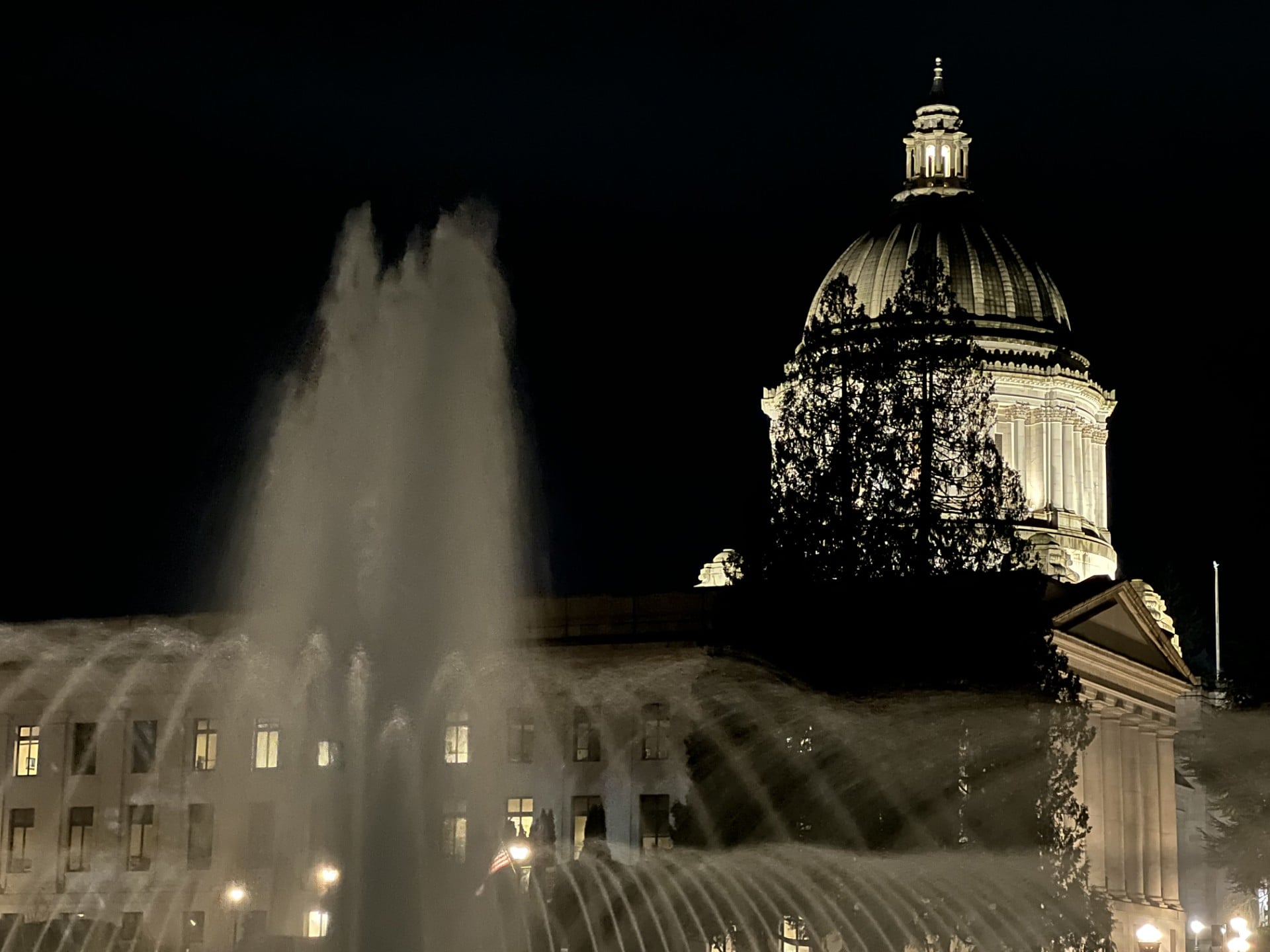
Although some candidates for Congress have been campaigning for months and some legislative hopefuls held kickoff news conferences last month, Monday is the official start of Washington’s 2026 election season.
A five-day window opens for people who think they have got what it takes to help run the county or bring good ideas to the Legislature or Congress – or for people who’ve been complaining about their government and decide it’s time to put up or shut up.
Every Washington voter will pick at least two state representatives, and half will also pick a state senator. They’ll select important county officials like sheriff, prosecuting attorney, auditor and assessor, and some also will pick a county commissioner. Washington voters also will elect five state Supreme Court justices, which is a majority of the state’s highest court.
Some people will say it’s too late to get into a race with an established opponent and have a chance to win. Not necessarily. Sixty-two years ago, a young lawyer quit his job as a congressional aide and drove to Olympia to file for Eastern Washington’s 5th District seat, barely arriving at the secretary of state’s office before the deadline to file his papers to run against a 22-year incumbent. And that was when filing was in July for a mid-September primary.
He won. His name was Tom Foley. You might have heard of him.
Other people might say they tried to run previously and lost, so there’s no sense trying again. In 1986, Washington’s sitting senator, Slade Gorton, lost his re-election bid. Many people wrote his political obituary. Two years later, he ran for, and won, the state’s other seat.
Closer to home, Bob Apple ran unsuccessfully for the Spokane City Council in 1989 and 2001, ran again in 2003 and won the first of his two terms. Rob Chase ran unsuccessfully for Congress in 2000 and 2002, but in 2010 he mounted a rare write-in campaign for Spokane County treasurer and won; Chase is currently a state representative for the 4th Legislative District.
Most of the offices up for election this year are partisan, and some people may hesitate because the district they are in traditionally votes Democratic and they are Republican, or vice versa. A Republican can’t win in the 3rd Legislative District, the “experts” will say, or a Democrat can’t win in the 6th Legislative District.
But Washington voters don’t register by party, and in most surveys, more people describe themselves as independent. Candidates who have good ideas and run good campaigns where they explain those ideas to like-minded people can overcome partisan disadvantages.
And yes, it’s been a while, but the 3rd District did elect Republican Margaret Leonard to the House in the 1980s, and the 6th District did elect Democrat Chris Marr to the Senate in 2008.
Partisan advantages change over time. Spokane County has only one Democrat in county-wide administrative office, Auditor Vicky Dalton. But a few decades ago, it only had one Republican in those offices, County Clerk Tom Fallquist.
The partisan pendulum swings back and forth, and you can never be sure when it’s going to change direction again.
While the song says America is the land of the free, running for office in this country is not. Filing for office requires candidates to pay a fee equal to 1% of the office’s annual salary. That’s $667 for a legislative seat, $1,368 for a county commission seat and $1,740 to run for Congress.
That’s often the first, but never the last, money involved in a successful campaign. Candidates also will have to keep track of where they get their money and how they spend it, in periodic reports to the state Public Disclosure Commission.
People who are vacillating about running for office because of those requirements might be wise to sit this election out.
A note on terminology
Washington’s August primary is usually called the top 2 primary. That’s because even though candidates state a partisan preference when filing for office, those with the most and second-most votes in each primary race go on to the general election, regardless of party preference. It’s possible that two Republicans or two Democrats can run against each other in the general election.
Some people outside of Washington call it a blanket primary because a voter can select any candidate in any race, rather than Republicans only voting for Republicans or Democrats for Democrats. But in a true blanket primary, the top Republican and top Democrat advance to the general, regardless of how many votes they get.
Some pundits also call it a “jungle primary,” presumably because it seems so chaotic to them. Technically that term only applies to a different system in Louisiana where voters aren’t limited by party but a candidate who collects a majority of the votes in the primary automatically wins the general.
There are no jungles in Washington, although there are rain forests. But calling it a “rain forest primary” would seem weird in dry Eastern Washington.