It’s that time of year!
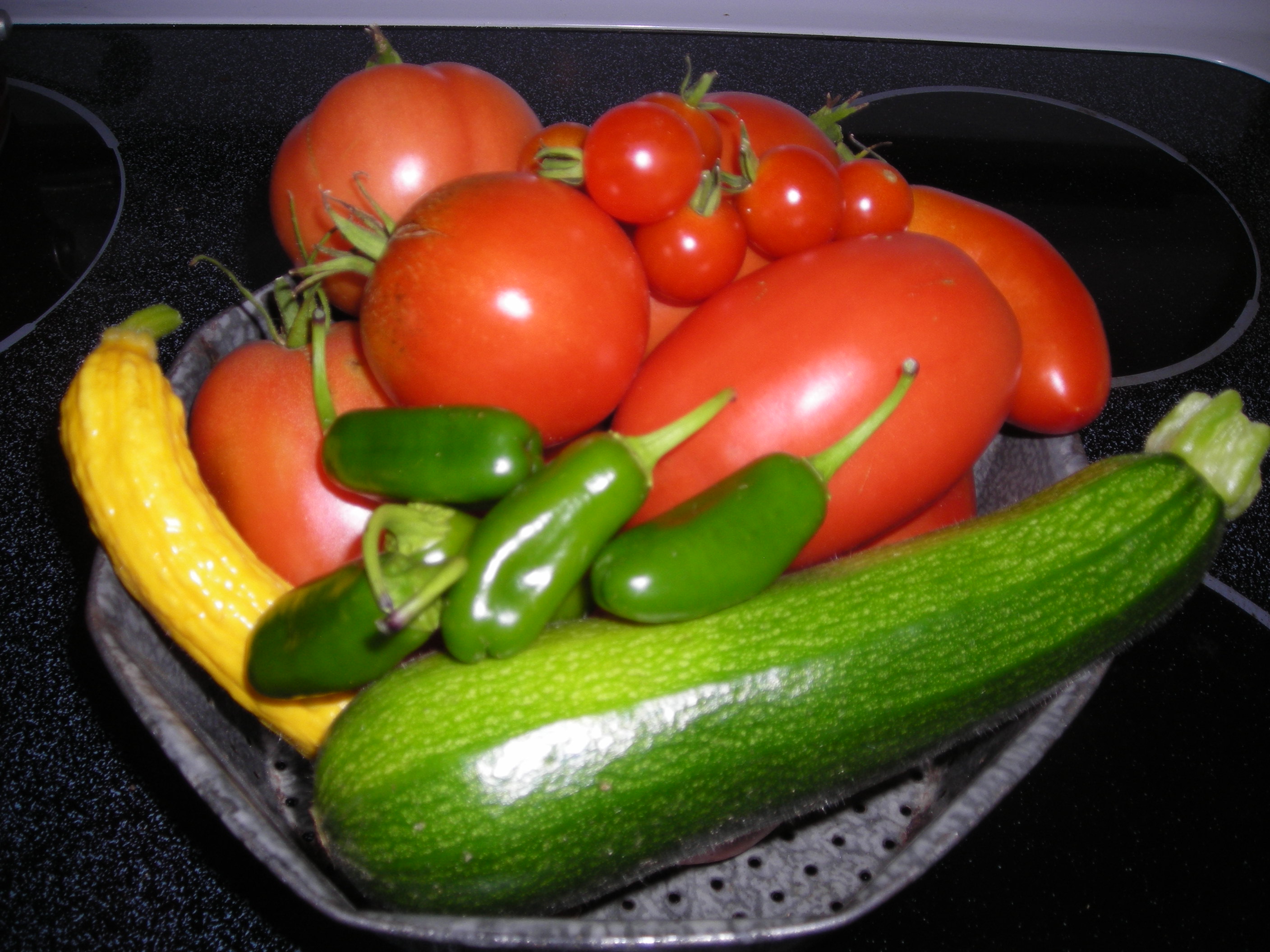
I love planning my vegetable garden—it is the first sign (in my house) that spring will indeed arrive again. I tend to be an overly ambitious gardener: planting more than I can manage, which tends to make my garden look a bit wild (neat and tidy gardening is always my goal, but never the product of my efforts). The beds in my front and back gardens produce bouquets of flowers and plenty of vegetables to keep me happy and eating well all summer.
My planning begins on paper. I do my best to grow organic, which means planting carefully. Rotating your crops (however small your growing space) helps prevent pests and diseases and allows plants to grow in nutrient-rich soil. Moving your plantings each year confuses pests and diseases that may have wintered over in your garden—the cold doesn’t necessarily kill everything. Rotation, along with fresh compost and organic matter, also allow plants to absorb fresh nutrients in the soil. If you keep planting your tomatoes in the same dirt every year, the plants will eventually strip the soil of the nutrients they need to grow great fruit.
For advice on rotating and planting crops, I rely on The Vegetable Gardener’s Bible by Edward C. Smith. The book is well-organized, easy to use, and contains just about all of the information you need to start a garden—whether you’re a new at gardening or have the greenest thumbs around.
On my vegetable garden list this year: tomatoes, hot peppers, garlic, onions, shallots, green beans, peas, carrots, cucumbers, squash, potatoes, lettuce, and plenty of fresh herbs.
What are you planning on growing this year? Anything else I should add to my list?
Now, to figure out where it will all fit!
* This story was originally published as a post from the marketing blog "DwellWellNW." Read all stories from this blog