Becky Kramer: Favorite stories of 2015
As a newspaper reporter, I often have long, deeply personal conversations with sources. People amaze me with their candor. They answer difficult questions, exposing private joys and pains. They frequently share their stories with the goal of encouraging others, or to help bring about understanding of complicated issues.
In no particular order, here are some of my favorite interviews from 2015.
1. Lindy Moore and Jennifer Brumley
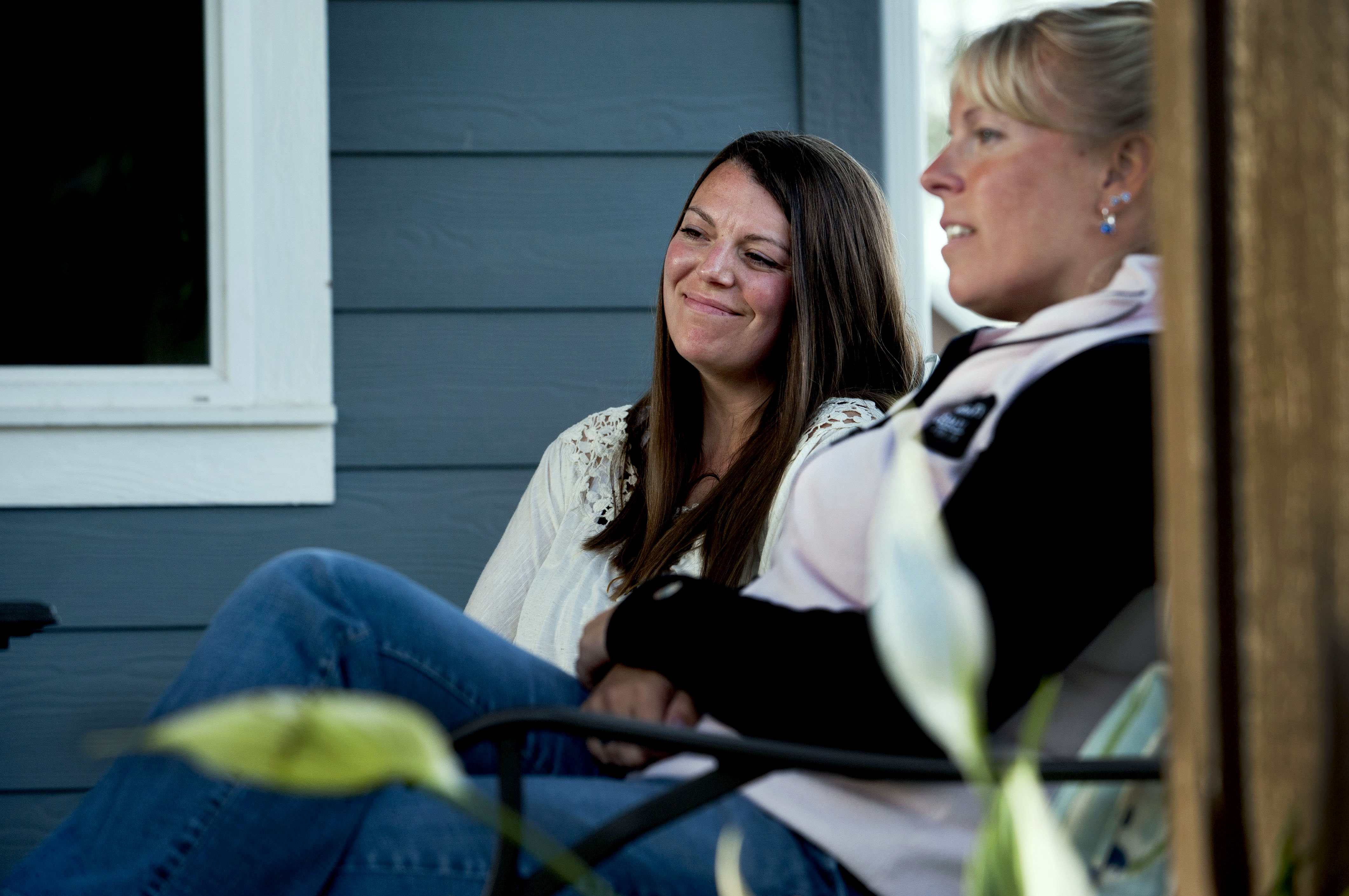
When I was assigned to write a feature obituary about Sgt. Greg Moore, the first Coeur d’Alene police officer killed in the line of duty, I came across a remarkable detail: Moore and his current wife, Lindy, were on such good terms with his ex-wife, Jennifer Brumley, and her husband that the two couples spent weekends together at a family cabin. Neither woman had granted any interviews. Would they be willing to do a joint interview with me? I wondered. They were. We talked for nearly two hours about Moore and his legacy.
People often asked Moore how he could be on good terms with his ex-wife, and even ex-girlfriends, while being happily remarried.
“He genuinely took pride in this dynamic. He thought more people needed to do it the way we were doing it. He saw it as a model for what a blended family could look like,” said Brumley, a family-law attorney.
If any other parents can learn from their example, “it’s a little bit of hope” coming out of the tragedy of his death, she said.
“Greg would have loved that,” said Lindy, a third-grade teacher. “He was about putting your children first.”
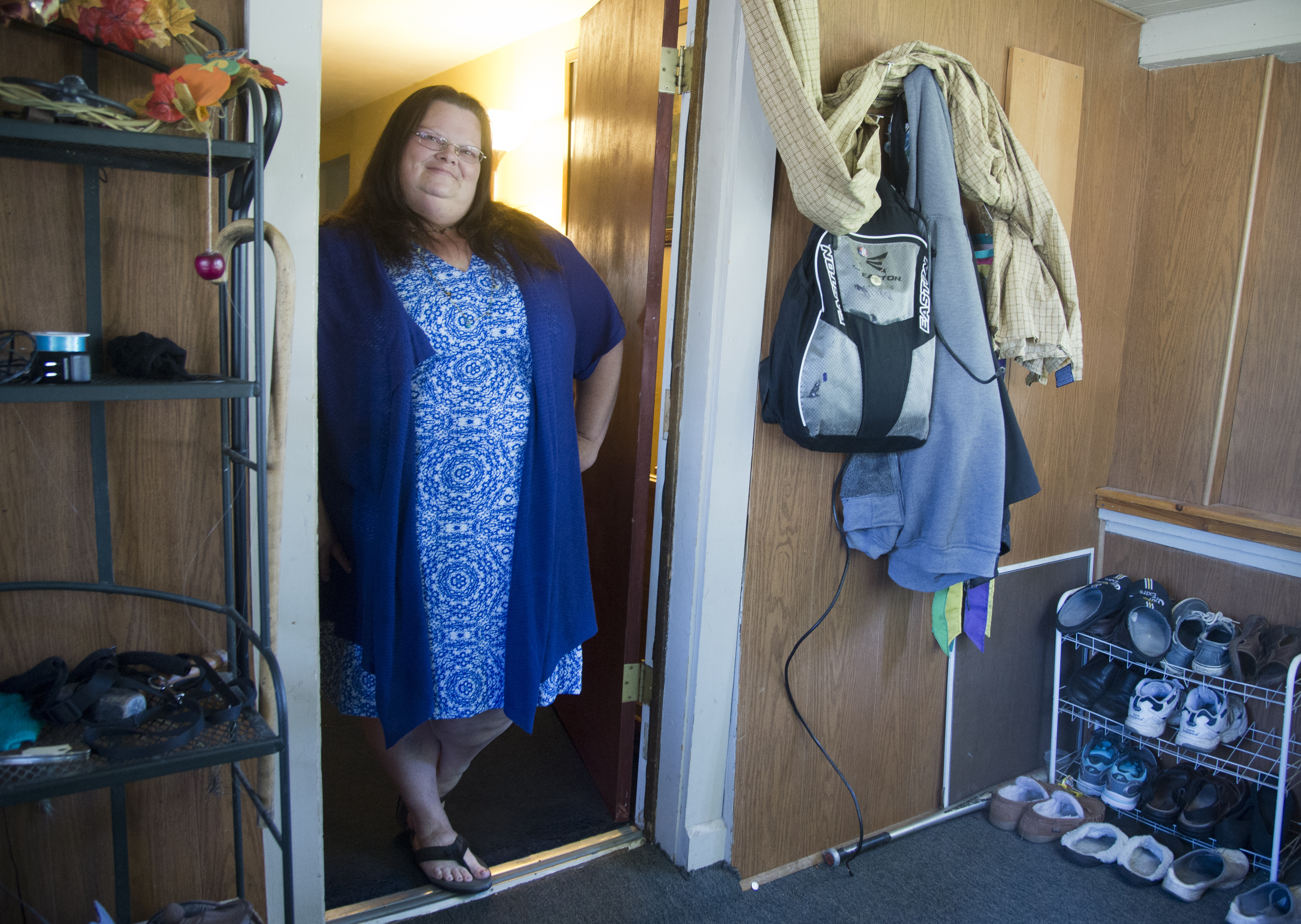
A story about a smoking cessation program led me to Pattie Kappen, a 35-year-old Spokane resident who became a compulsive eater after childhood abuse. She weighed 418 pounds and wanted to qualify for gastric bypass surgery, but first she had to lose 40 pounds.
Kappen quit a two-pack-a-day habit so she could exercise. She changed her eating habits and started seeing a counselor to deal with her past. When I interviewed her last summer, she weighed 380 pounds. She had just purchased a sky-blue dress – the first dress she could recall wearing.
When Kappen achieves her weight goal, she plans to legally change her name.
“It’s kind of like a rebirth,” her husband said. “That old Pattie isn’t there anymore. It’s what she feels she need to do to make this transformation complete.”
Kappen hasn’t settled on her new identity yet.
“I’ve told him, ‘I don’t know who she’ll be, but you’ll like her,’ ” she said.
3. Jim Rosauer
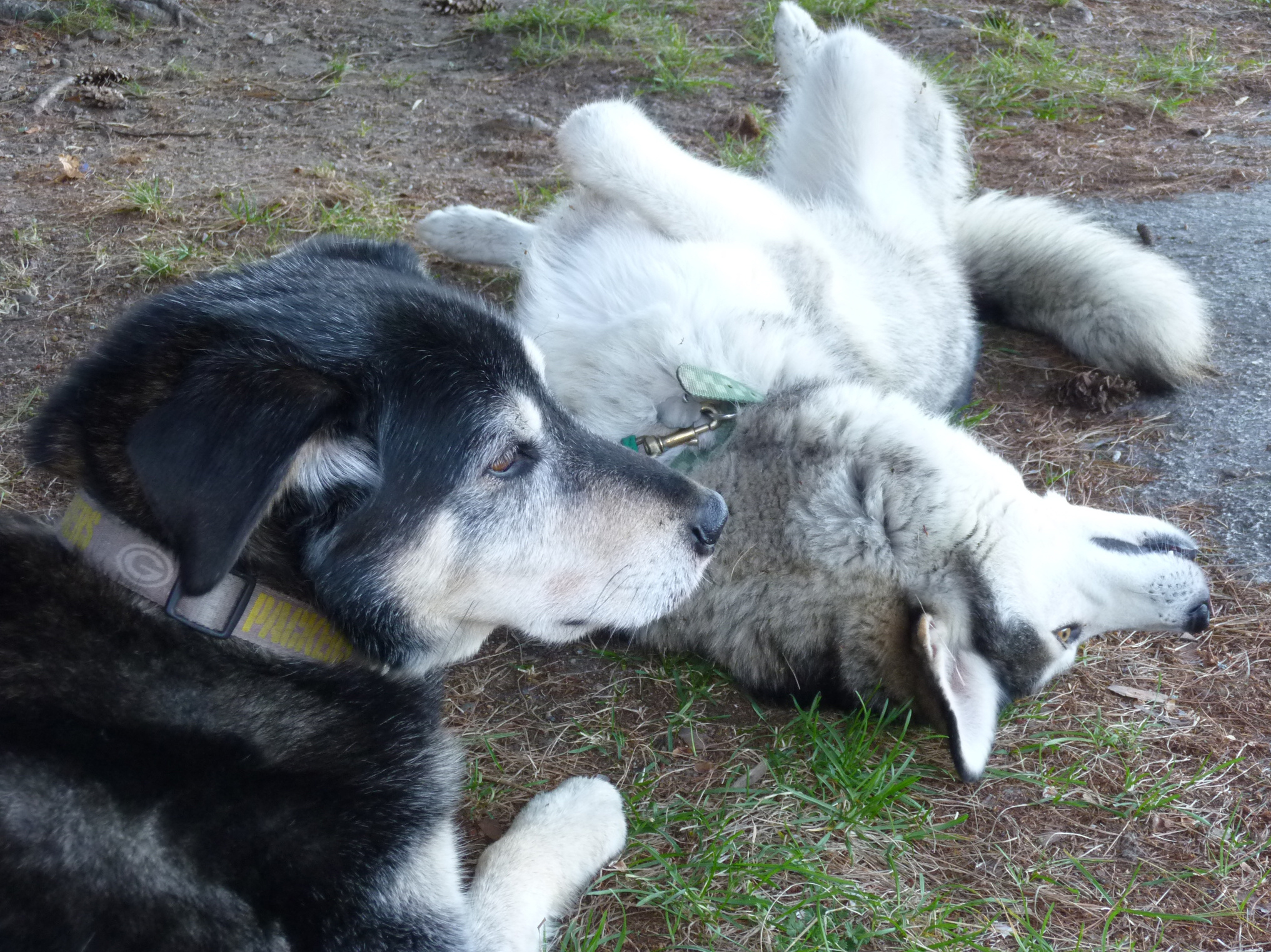
Jim Rosauer and his wife were walking on a Forest Service road in North Idaho with their dogs last spring when a 19-year-old mistook their husky-malamute cross for a wolf and shot it. The dog died at a veterinarian’s office. The same bullet struck the couple’s second dog, which survived. Misdemeanor charges were filed against a 19-year-old and his father, who allegedly told his son to “shoot the wolf” out of season.
Rosauer is an elk hunter who supports the public hunting of wolves, but said the flouting of the law appalled him.
“We’re teaching people to have zero respect for the animals,” he said. “I don’t remember growing up like that. Where are our hunting ethics? You don’t have to like wolves, but I think they should be treated with respect as a game animal and a creature of this planet.”

I grew up in Portland, not far from the Columbia River - a 1,200 mile long artery which binds together most of the Northwest. One of my recent interests has been the reauthorization of the 1964 Columbia River Treaty between the U.S. and Canada.
The treaty led to the construction of large storage dams in Canada, which flooded thousands of acres of fertile land and displaced about 2,300 British Columbia residents. Half a century later, the dams still incite resentment in some B.C. residents, who felt their government sold out to downstream U.S. interests.
Sisters Crystal and Janet Spicer showed me the remnant of their family’s farm, and talked about how the loss of the land affected their father, a World War II vet who immigrated to Canada in search of the perfect farm.
“It truly touched his soul,” Janet Spicer said. “When you’re a farmer, you live the land in every way. Then you see the water coming in and covering everything you love.”
5. Tony Boyd
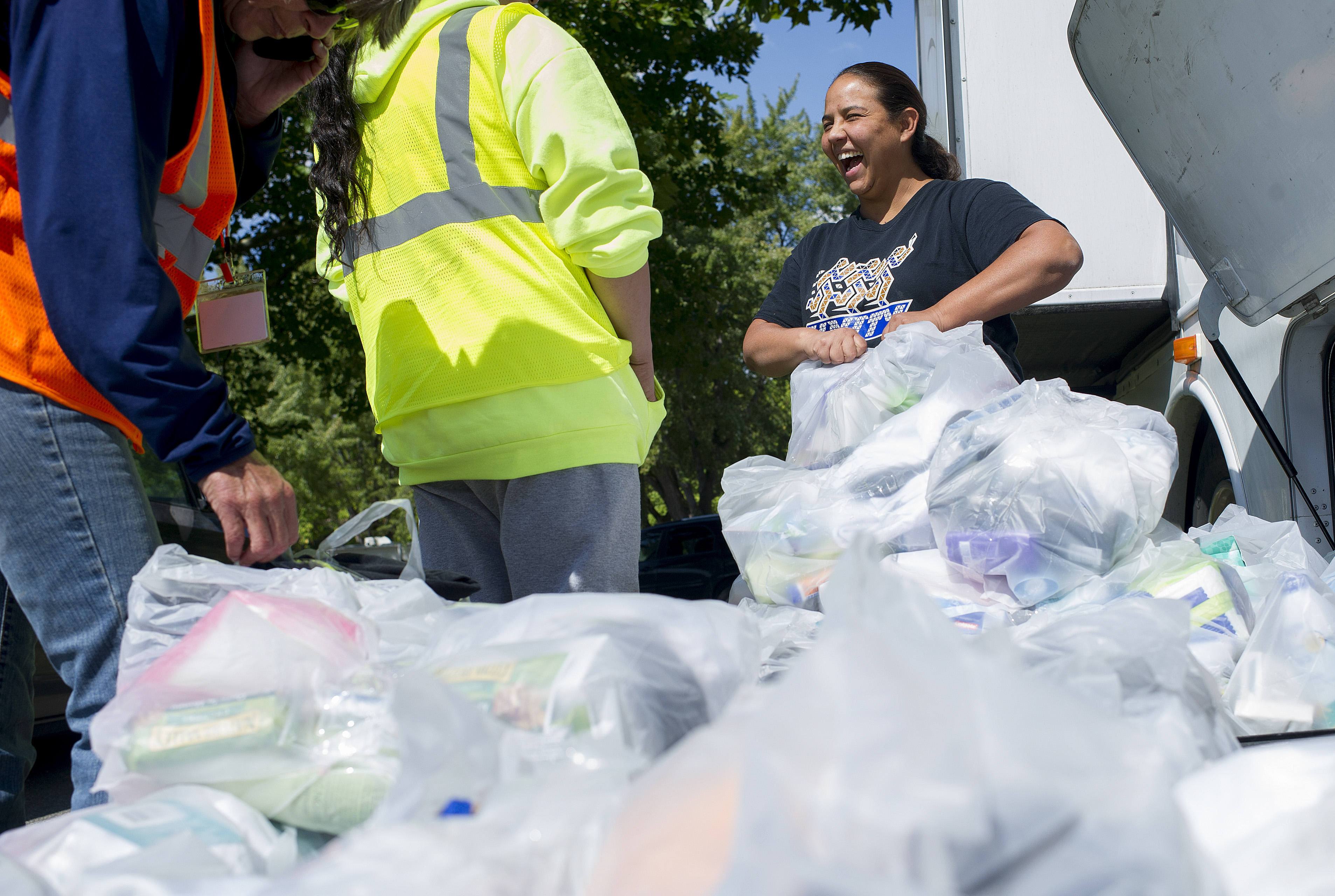
Last summer’s wildfires were the largest in memory for the Confederated Tribes of the Colville Reservation. About 20 percent of the sprawling reservation in Eastern Washington burned. When I visited the area in early September, the hillsides were still smoldering and Omak was packed with families who’d fled the flames. Amid the turmoil, there were stories of courage and kindness.
Their wives and children had evacuated earlier, packing in haste and driving down dirt roads obscured by smoke from the advancing fire.
“Don’t worry about the flat-screen TV,” Tony Boyd had told his 16-year-old daughter. “Take the things that matter.”
He packed the beaded buckskin jacket his mother had worn to powwows, a chest of family memorabilia and the softball from a championship game.
Then Boyd, a member of the Confederated Tribes of the Colville Reservation, waited for the Tunk Block fire to come. Six other men - friends, neighbors and relatives - waited with him on a parched hillside east of Omak. They hoped to defend their homes against one of Washington’s largest wildfires.