This column reflects the opinion of the writer. Learn about the differences between a news story and an opinion column.
Sue Lani Madsen: Citizenship question part of other Census survey, why not official Census?
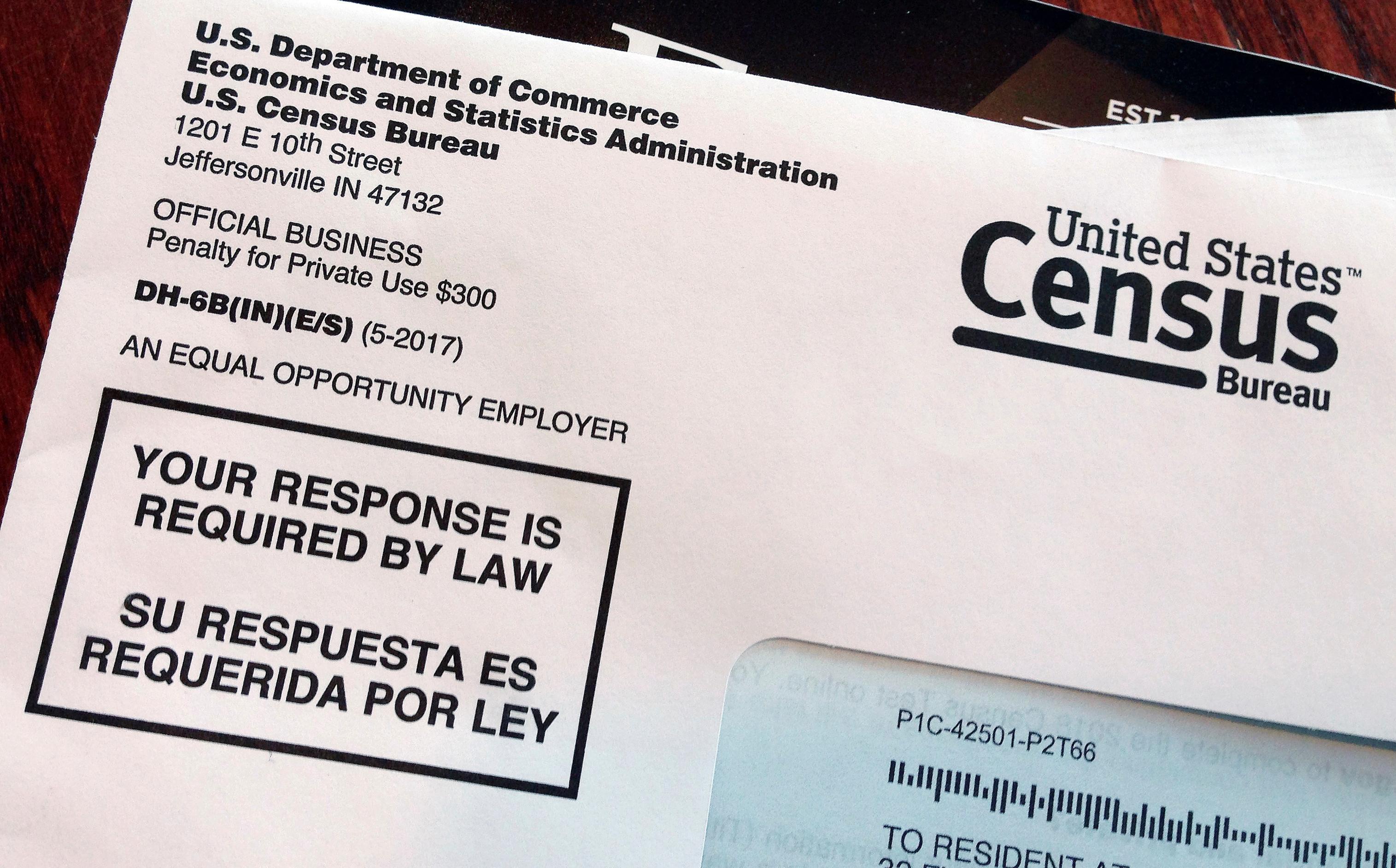

In the midst of the kerfuffle over the 2020 Census, our household received an unsigned letter from “Director, U.S. Census Bureau.” It came in the same oversized envelope as political junk mail, and seemed in the same category as the stupidly obvious calls purporting to be from the IRS and demanding immediate payment in Walmart gift cards. But the letter turned out to be legit. Our address had been randomly selected for the American Community Survey.
The ACS is carried out annually. It’s sent to a statistically determined random sampling of households in every county, every year instead of to all households every 10 years. And it does ask the citizenship question.
The last year citizenship was asked on the general census form was 1950. In 1960, citizenship was not asked, although place of birth was. The question came back on the long form in the next four rounds of the census, sampled instead of asking every household.
The ACS was established in the mid-1990s and first tested against the 2000 census for accuracy. It was fully implemented in 2003 and allowed the 2010 census to be cut to 10 simple questions for everyone. The ACS asks both birthplace and citizenship status of every member of the household. If that question causes a responsiveness problem for the census, it’s still a problem for the ACS, used as the basis of policy execution and program funding.
The ACS cover letter said it’s intended to provide more current data for planning “where new schools, hospitals, and fire stations are needed.” That phrase reappears in several places as an incentive to comply. The FAQ answers throw in references to highways and bridges, in case schools, hospitals and fire stations aren’t an attractive carrot. The stick? Responding to the ACS is mandatory under penalty of a law helpfully cited in the glossy brochure, which also promises “this survey will take about 40 minutes to complete.”
Well, that was a lie. It took more than a full hour, counting the time to look up data instead of just guess. And in preparing this column, I realized I’d made a mistake in determining who counted and left off the data for two people. Calling the help line couldn’t solve re-entry into the computer system, and I can expect a phone call from the Census Bureau in about a month for a personal interview to complete the form. It’s still less time for the Bureau than if they went through this exercise with 100% of U.S. households.
Unlike the census, it appears the ACS data will never be available for family history research. Genealogists wait eagerly for the release of past census details, held for 72 years to protect privacy. The most recent to be released was the 1940 census. It’s a fascinating snapshot of the last full year of peace at home and the impact of the lingering Great Depression. My grandparents’ cash income was amazingly low that year. It explains some of the frugal recipes in grandma’s recipe box.
The 1940 census includes eight categories for race: White, Negro, Indian, Chinese, Japanese, Filipino, Hindu and Korean. The 2019 ACS has 12 categories, plus Other Asian, Other Pacific Islander, and open-ended Other. It also has a separate category called Hispanic Origin differentiating Mexican, Puerto Rican, Cuban and fill-in-the-blank. The 2020 census will be even more specific, adding subcategories under both Black and White plus more self-identified blanks.
The ACS instructions emphasize being as specific as possible to “better tailor services to respond to cultural differences.” While commercial DNA testing and genealogical research are fascinating, it’s not the most useful guide to public policy. Cultural differences are more strongly tied to class, worldview and current ZIP code than roots more than three generations or three centuries removed. We need more unity and less splintering of our communities and our country.
First step in the business meeting for any organization, whether it’s social, charitable or political, is to check membership status and determine if there is a quorum. Maybe we don’t get a citizenship question back in the general census this year. But it would be nice to know how many members are present, acknowledge welcome guests and not make decisions based on the risk of nonresponse from interlopers.