Gopher Broke, Carl
The comedy “Caddyshack,” starring Chevy Chase, Bill Murray, Rodney Dangerfield and Ted Knight, was the directing debut of Harold Ramis, who’d go on to direct “National Lampoon’s Vacation” and “Groundhog Day.”
The film, about a battle between snobby golf club members and disruptive “nouveau riche” guests, would be described by ESPN as “perhaps the funniest sports movie ever made.”
“Caddyshack” opened in theaters on June 25, 1980 — 45 years ago today.
For This Bunch, Comedy Was Par For The Course
The original plan for “Caddyshack” was a film that focused on caddies. Two of the project’s writers, Harold Ramis and Bryan Doyle-Murray — plus one of its actors, Doyle-Murray’s brother, Bill Murray — had worked as caddies during their high school years.
Ramis and Doyle-Murray teamed up with National Lampoon magazine founder and editor Douglas Kenney to write the story and pitched it to studios as “‘Animal House,’ but on a golf course.”
But as the project progressed, they realized they’d benefit from some star power. Subplots were added, as were actors Chevy Chase, Rodney Dangerfield and Bill Murray.
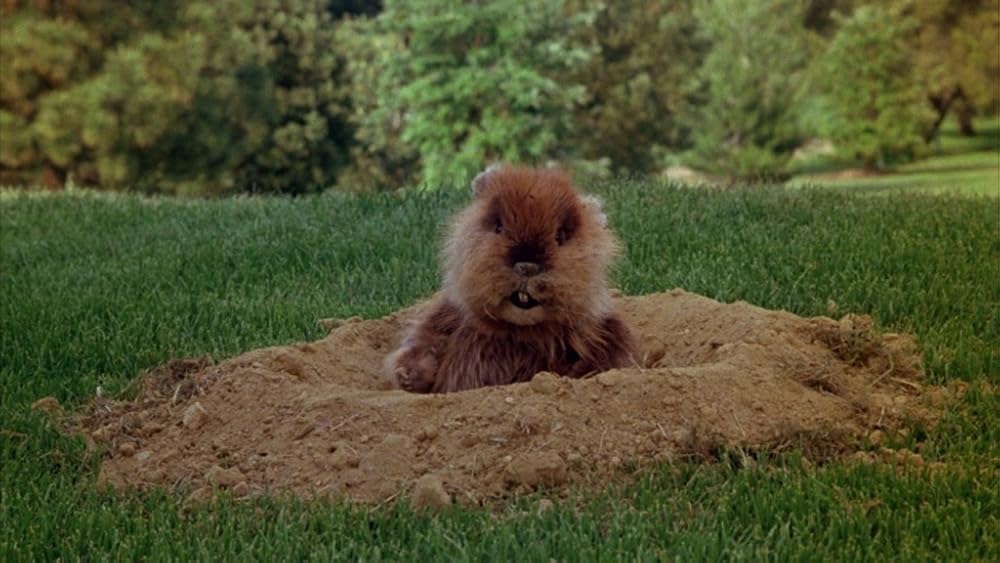
Once filming was underway, the subplots involving the snobby head of the golf club and the obnoxious man who was considering buying the place to expand his development next door were expanded. The bits starring the caddies shrunk accordingly. By the time the bulk of the film was shot, it was clear the plot had fallen apart. Ramis then added bits featuring the groundskeeper and a gopher to try to tie things together.
But while the morphing of the plot most definitely worked, Kenney was displeased with the result. He felt like the original story had been butchered. He went on vacation in Hawaii after the movie wrapped and fell off a cliff to his death. Kenney was 33.
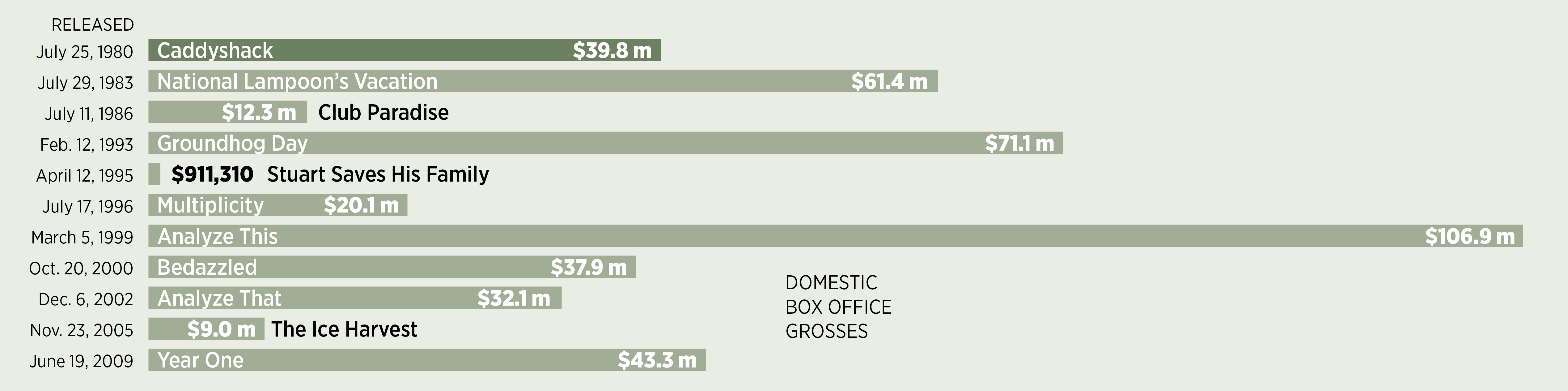
“Caddyshack” opened on July 25, 1980, and grossed $31 million on its opening weekend — more than five times its budget. It would go on to pull in nearly $40 million in North America.
Orion Pictures commissioned a sequel to be released in 1988, but only Chase returned from the original. Sports Illustrated would call “Caddyshack II” “one of the worst sequels of all time.”
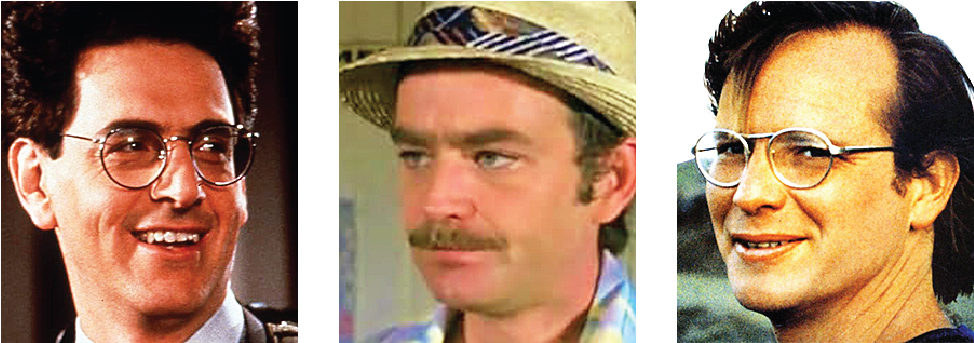
The team that wrote “Caddyshack”: Harold Ramis — who also directed the film — Bryan Doyle-Murray — who played a supporting role — and Douglas Kenney.
'So, I've Got That Goin' For Me. Which Is Nice ...'
“Caddyshack” is set on and around a golf course in an unnamed city in Nebraska. But it was filmed over an 11-week period in late 1979 on a course in Davie, Florida, just west of Fort Lauderdale. Ramis selected that location because he found no palm trees on the course. Filming was disrupted in September when Hurricane David made landfall nearby.
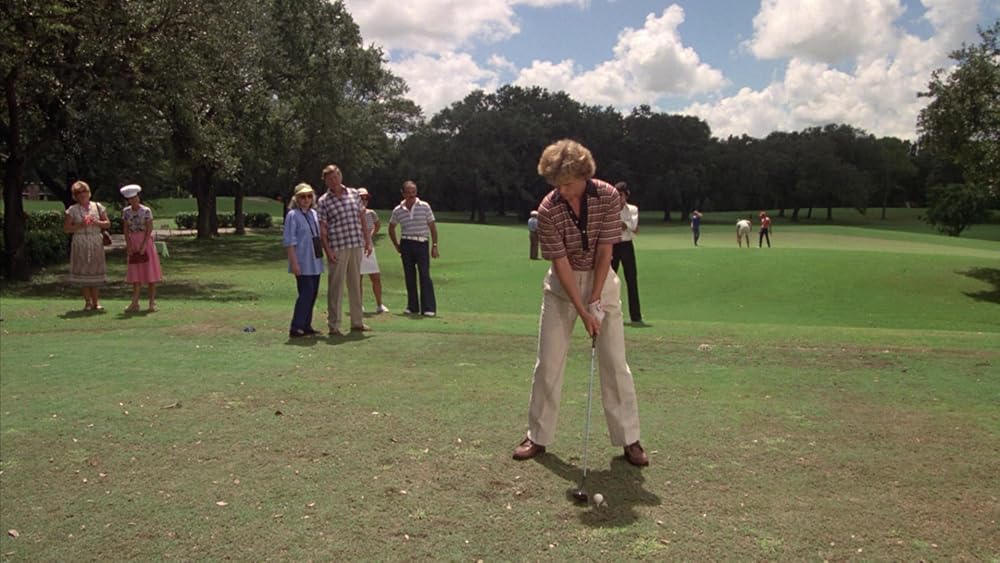
Mickey Rourke was considered for the part of caddy Danny Noonan, but studio executives found him not funny enough. Michael O’Keefe — who would be nominated for an Academy Award for his work the previous year in “The Great Santini” — landed the role. O’Keefe says for years afterward, he stayed away from golf courses because of the crowds he’d draw.
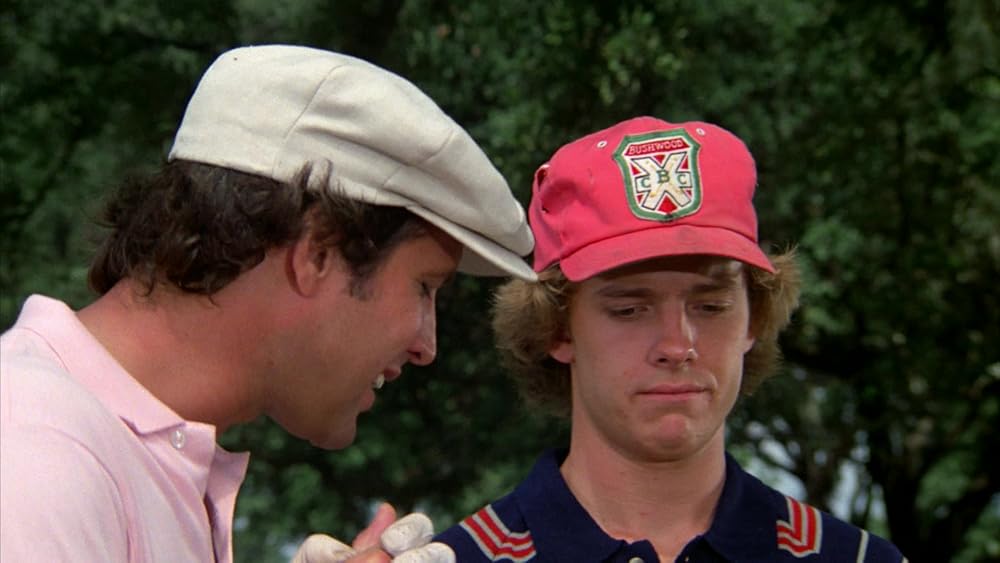
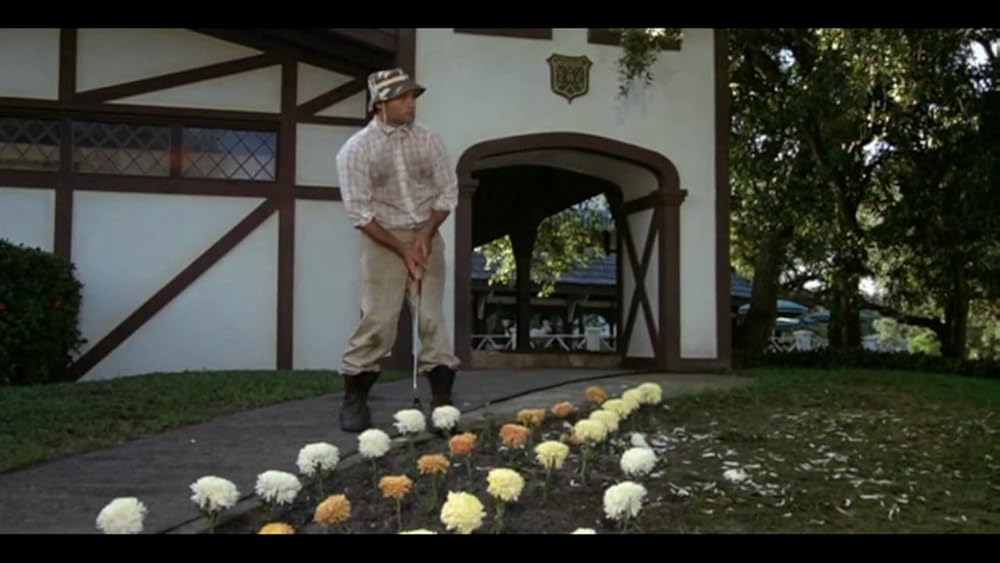
Originally, the part of Carl Spackler had no lines. When Bill Murray was hired, Ramis encouraged him to improvise dialogue. The “Cinderella story” sequence was just two lines of stage direction in the script. Murray picked up a gardening tool and improvised 30 minutes of faux Masters commentary that was trimmed down for the film.
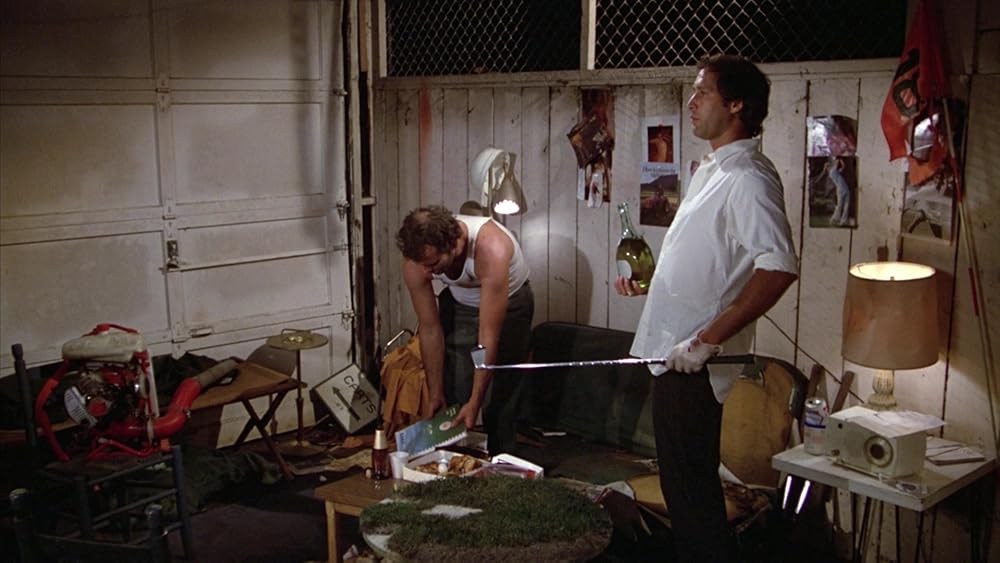
As Ramis was wrapping up shooting the film, he suddenly realized his two biggest stars — Murray and Chase — didn’t have a scene together. The three of them met and wrote the scene together over lunch. Murray and Chase hadn’t gotten along when they worked together on “Saturday Night Live,” but they no problem filming that one scene.
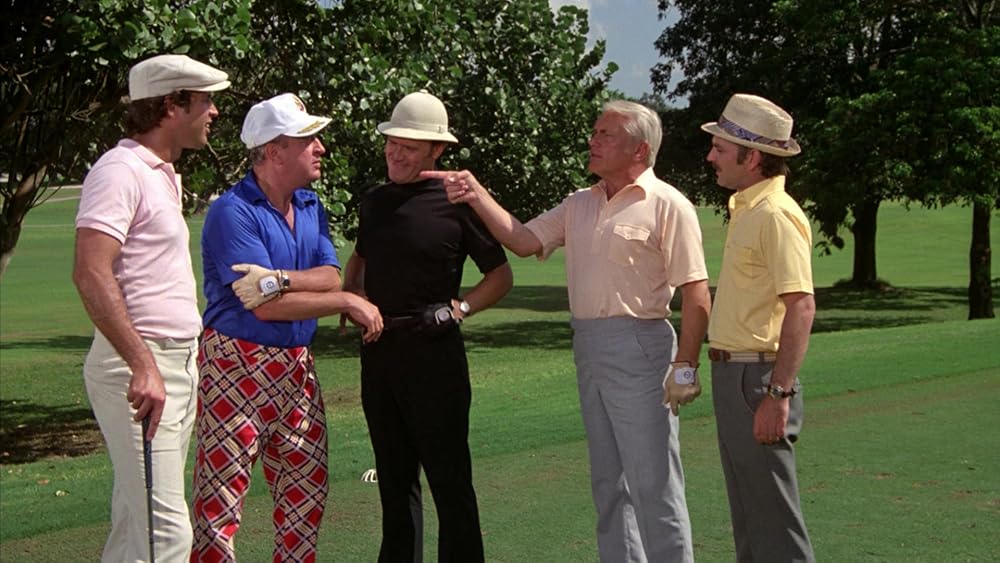
Dangerfield hadn’t done much film work at that point and reportedly didn’t quite understand the custom of a director using the command “action.” Ramis eventually learned to simply look at Dangerfield and say “OK, Rodney, do your bit.” Don Rickles had also been considered for the role of Al Czervik.
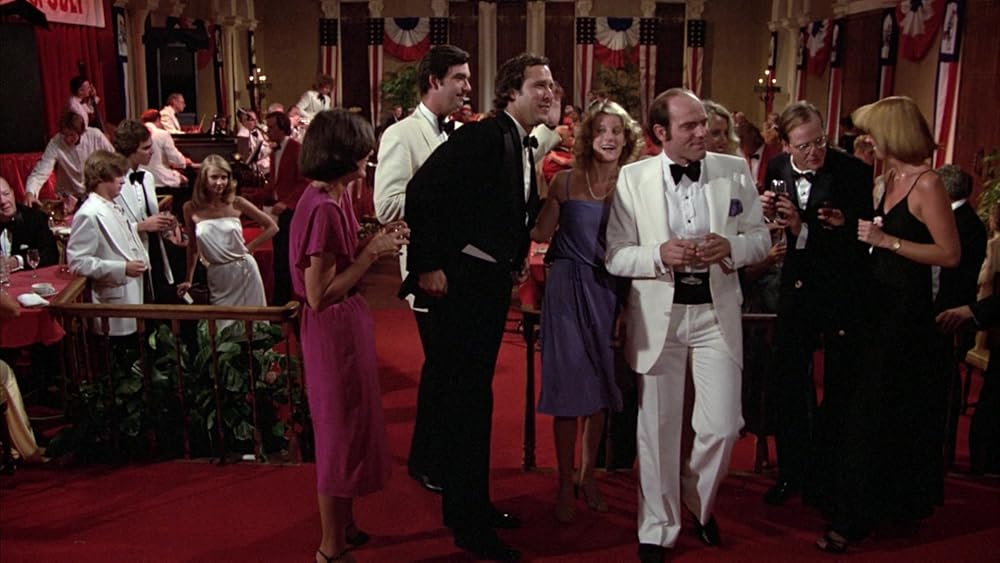
Ramis brought in friends and colleagues to play various nonspeaking background parts. In the dinner party scene at left, for example, that’s former Sha-na-na vocalist Scott “Santini” Powell in the white tuxedo. To the right of him, bending over and wearing glasses, is the co-writer of “Caddyshack,” Kenney.
The studio hired John Dykstra — who had overseen effects for the original “Star Wars” movie — and his company to create effects for the movie, including lightning and the explosion. They also built the gopher puppet and the tunnels through which he moved. The sounds the gopher made were actually dolphin chirps, taken from the 1960s TV series “Flipper.”
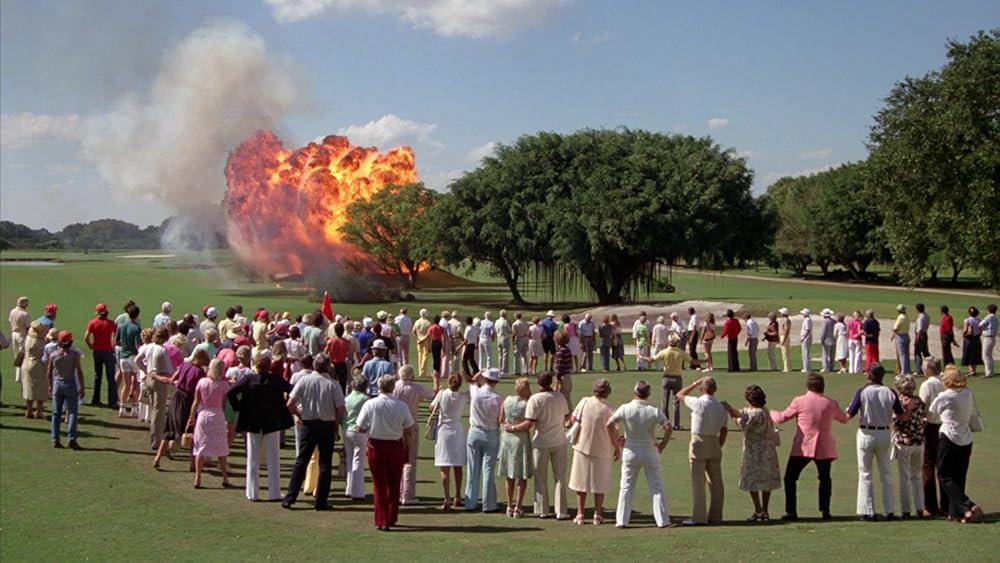
The golf club didn’t want its course blown up, so Dykstra’s team built a big hill that could be blended in to the background. The pyrotechnic subcontractor used more explosives than it was supposed to, which created an impressive blast. But the explosion was so large that airplane pilots flying nearby reported a possible plane crash.
Harold Ramis' Movies At The Box Office
While Orion Pictures was delighted with the profits “Caddyshack” brought in, Ramis would go on to direct movies that grossed even more.
In addition, Ramis worked as a writer or co-writer for films such as “Animal House,” “Meatballs” and “Ghostbusters” and directed four episodes of “The Office.”