On this date 50 years ago, NASA launched three astronauts into space. Four days later, two of them would make history by becoming the first Earthlings to set foot on the moon. What may be one of mankind’s greatest technical achievements was a technological marvel that came to be called the Saturn V rocket.
The Man Who Figured Out How To Get To The Moon
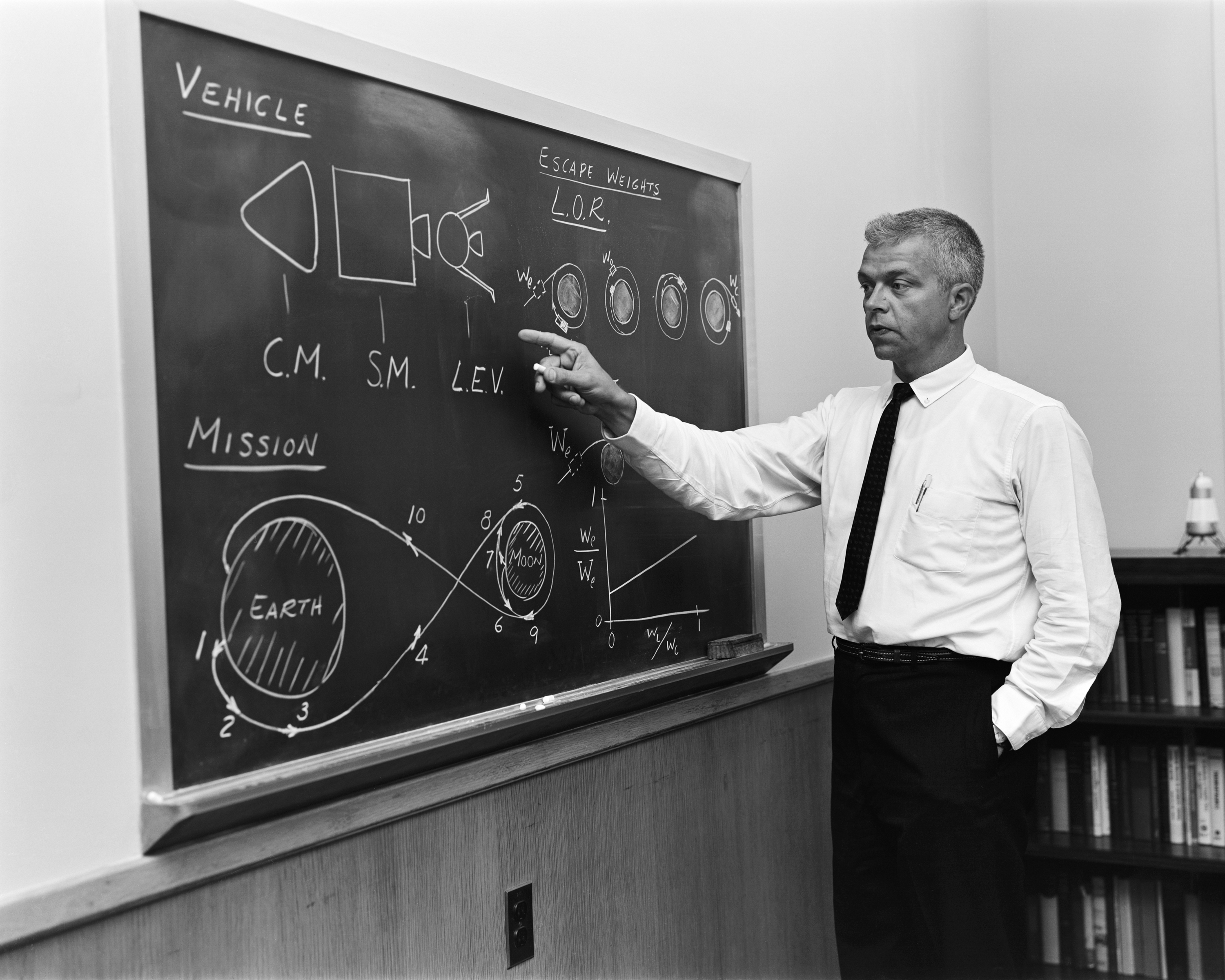
If not for Langley-based NASA engineer John Houbolt, getting to the moon before the end of the 1960s might have been a no-starter.
Souce: NASA
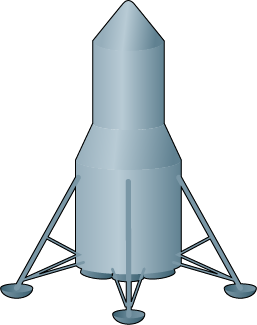
The original plan was for astronauts to blast off in a giant rocket and back that rocket down onto the lunar surface. NASA called this direct ascent.
The plan seemed simple enough, but required a lot of brute force. Houbolt did the math and found the amount of fuel required to lift a giant rocket off the Earth and then again off the moon would have been enormous. He proposed a better way.
After the astronauts finished their work on the moon, the rocket would blast off again and head back to Earth.
Houbolt's Lunar Orbit Rendezvous
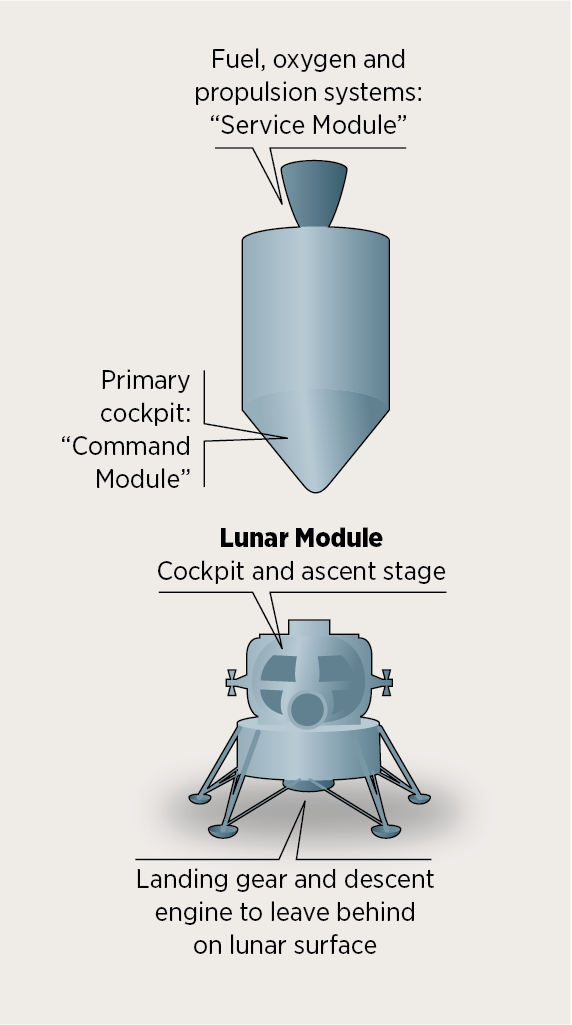
With lunar orbit rendezvous, or LOR, NASA would launch a spacecraft designed in small modules and then discard the used modules as they go.
A landing module would carry two astronauts to the surface while one remained behind in orbit with the main spacecraft.
Lunar Landing Stages
The Takeoff
Apollo would lift off from the Kennedy Space Center in Florida, powered by the Saturn V Rocket system.
Lunar Descent
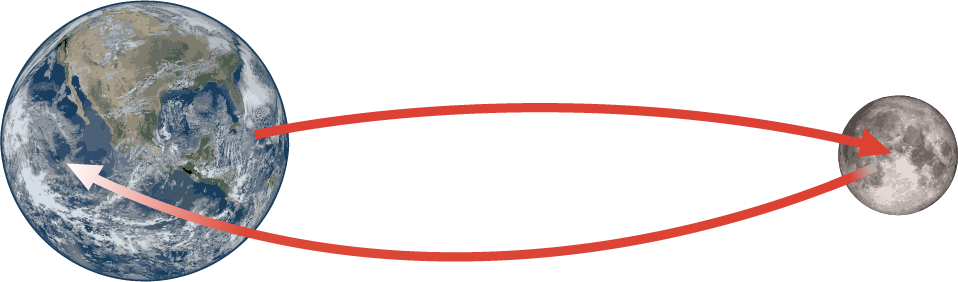
Apollo would go into orbit around the moon after a three-day trip, before its lunar module would detach and descend to the surface.
Return Trip
After they were done, the lunar module would ascend once more into orbit and rendezvous with its mother ship - before the remainder of the lunar module would be jettisoned for the return trip home.
The upside of this was that LOR used less fuel and wouldn’t require a launch vehicle larger than the Saturn V. This would cut years off the effort to reach the moon. Nor would it require multiple launches for a single mission to the moon.
The downside was that this would require astronauts to rendevous and dock in orbit around the moon. NASA would need to learn how to do this, which would require an interim step between Projects Mercury and Apollo. This would become the Gemini program.
A Software Wizard
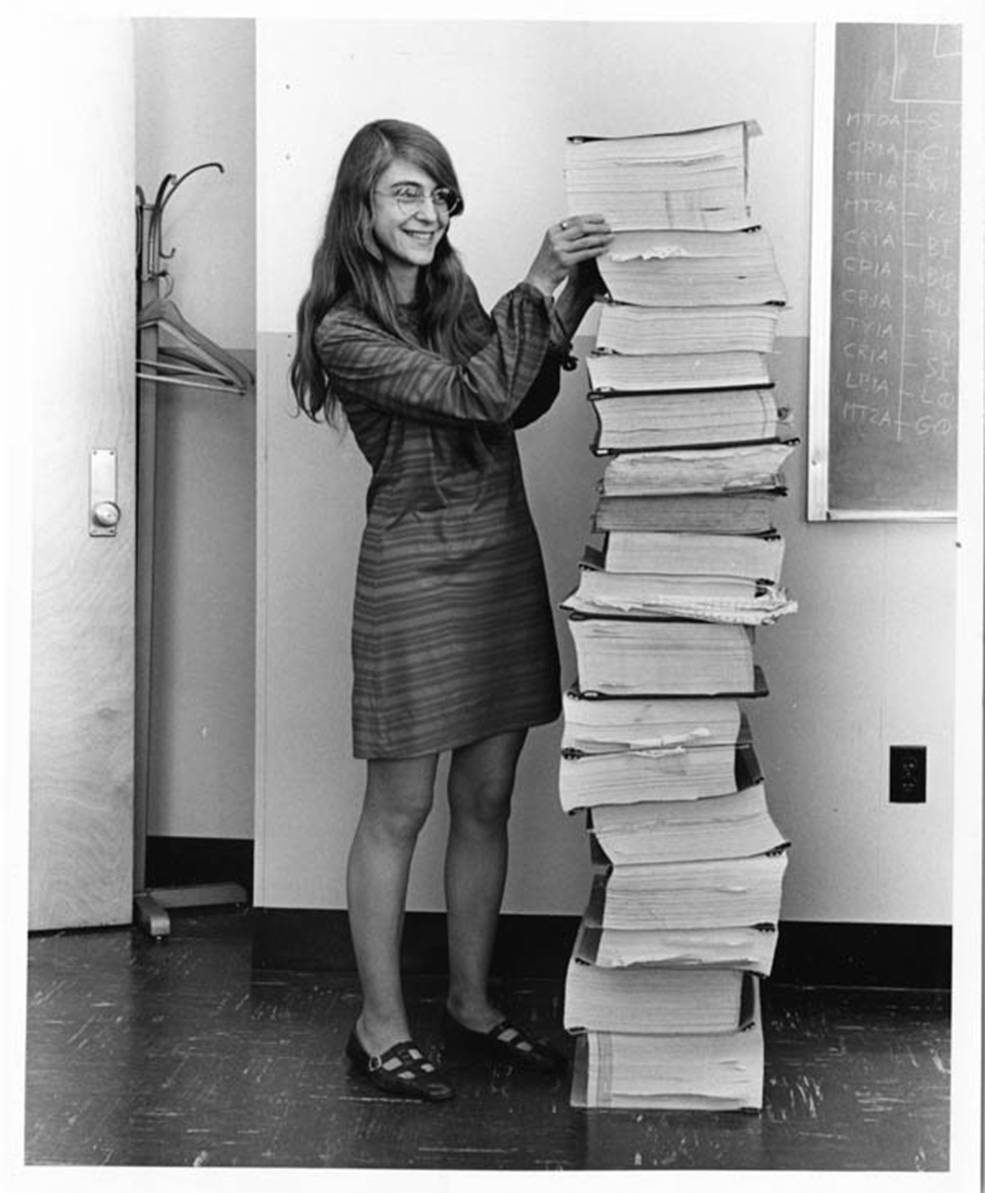
Margaret Hamilton standing with the code her team wrote. Photo sourced
from NASA.
Another lesser-known — but equally important — hero of the Apollo 11 mission
was Massachusetts Institute of Technology software engineer Margaret
Hamilton, who led the team that wrote the code that allowed onboard
computers to operate. At left, she stands beside that code, printed out and
bound into volumes.
Just as Apollo 11 commander Neil Armstrong was nearing the surface of the
moon in the Lunar Module, the computer flashed an alarm: “1201.” This meant
the processor was overloaded and was having to delay some tasks. Mission
controllers recognized the warning and sent word for Armstrong to continue
his landing approach.
So the computer flashed a minor alarm — as opposed to freezing up or
crashing completely, like desktop computers commonly do today. This was
intentional on Hamilton’s part. “There was no second chance,” Hamilton said.
“We knew that.”
In 2016, Hamilton would be awarded the Presidential Medal of Freedom from
President Barack Obama.
The Rocket
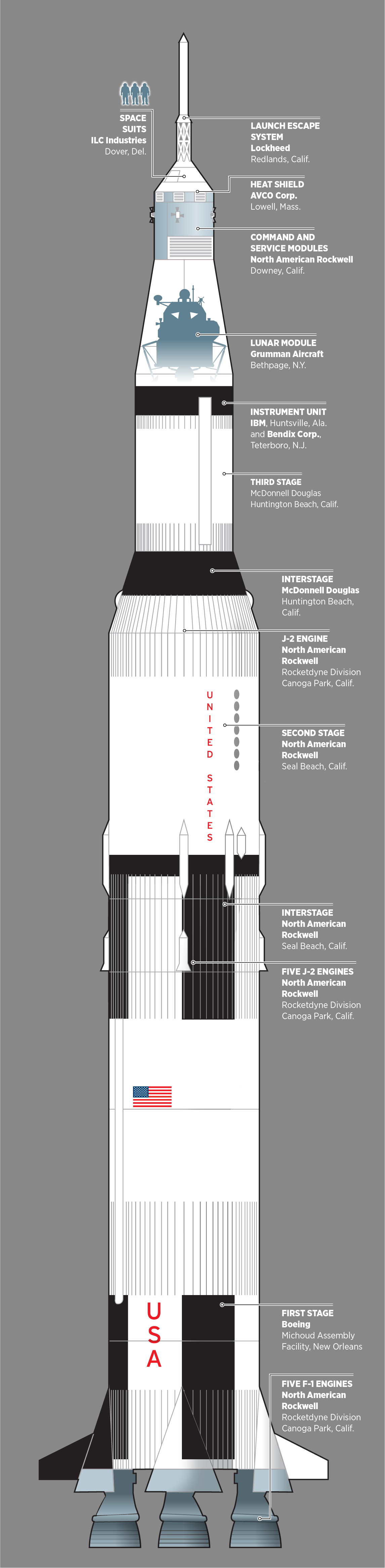
The Apollo Program was a massive project — NASA estimates that around 400,000 people worked on it. Below are some of the organizations that contributed to putting the rocket into space.
Sources:
NASA Langley Research Center, Michael J. Neufeld of the National Air and Space Museum, NASA history office, “Team Moon: How 400,000 People Landed Apollo 11 on the Moon” by Catherine Thimmesh, “Missions to the Moon” by Rod Pyle, “We Came in Peace” by Classic Press Inc., Smithsonian Air & Space magazine