
They Had It Covered: Album designers of the 20th century
Your Further Review guy became interested in graphic design in the 1970s noticing the interesting things happening on rock and roll album covers — and with the inserts, posters, vinyl sleeves and souvenir booklets that were sometimes included.
I never made it into record album design. I became sidetracked into newspapers instead. But there were two guys who designed covers — covers for albums you might remember or perhaps you even owned.
They were both brilliant. But these two designers became famous for other things entirely. Perhaps you’ve heard of them ...
Dean Torrence
Jan Berry and Dean Torrence were friends in high school in the Westwood section of Los Angeles. After performing in a number of local talent shows, they began recording their own material and by 1959 landed a single in the Top 10 of the Billboard singles chart.
Jan and Dean went on to become close friends with the Beach Boys, performing each others’ teen-oriented songs about surfing and cars. Unlike other local musicians, the duo also attended college. Berry took science and music classes at UCLA and then entered medical school. Torrence studied graphic design at Southern Cal.
In 1966, Berry was involved in a horrific car accident and was forced to retire from performing for several years. Torrence recorded occasionally but dove into his Plan B, launching his Kittyhawk Graphics studio in 1967 and relying on the contacts he had made in the music industry to bring in assignments to design album covers.
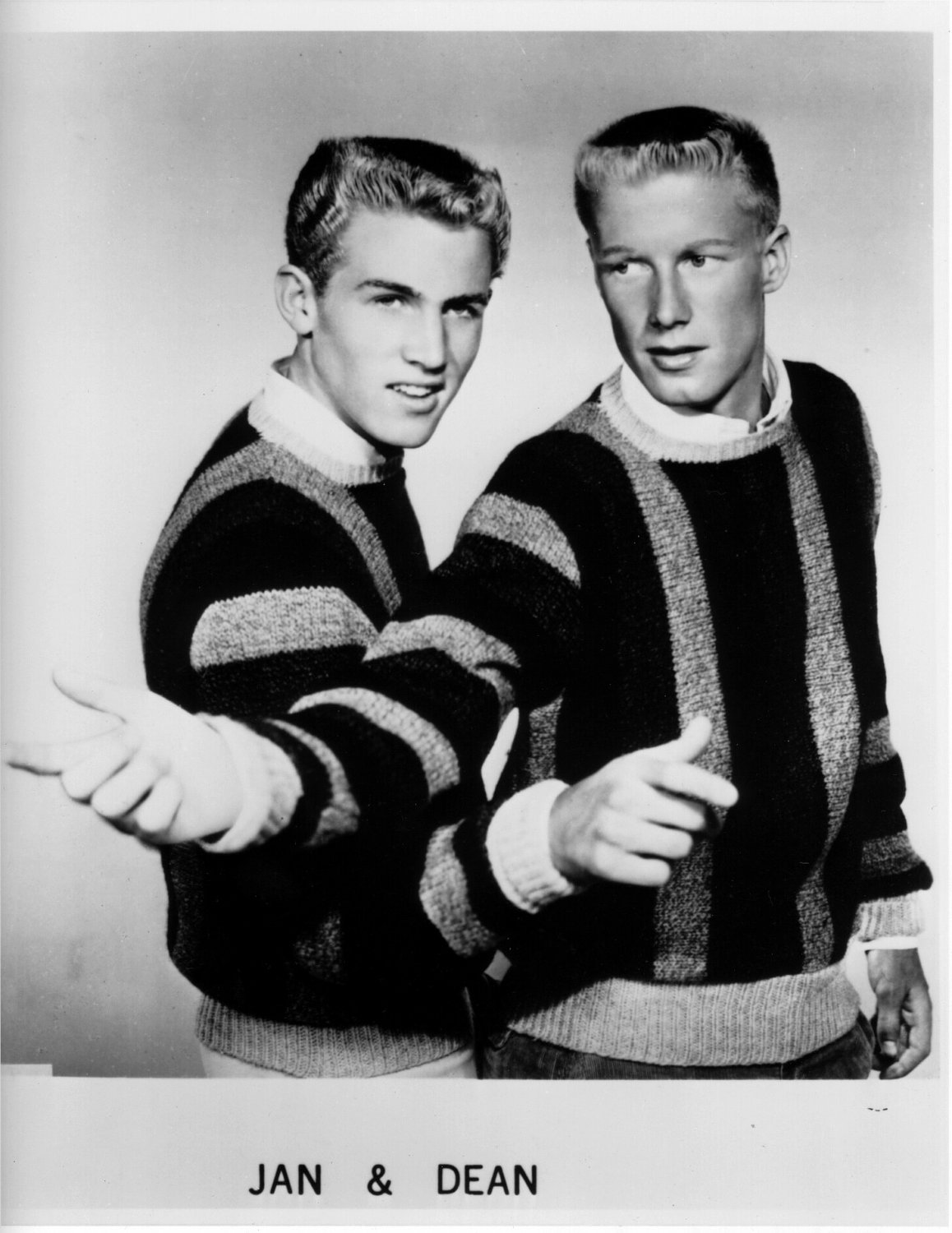
Jan Berry and Dean Torrence
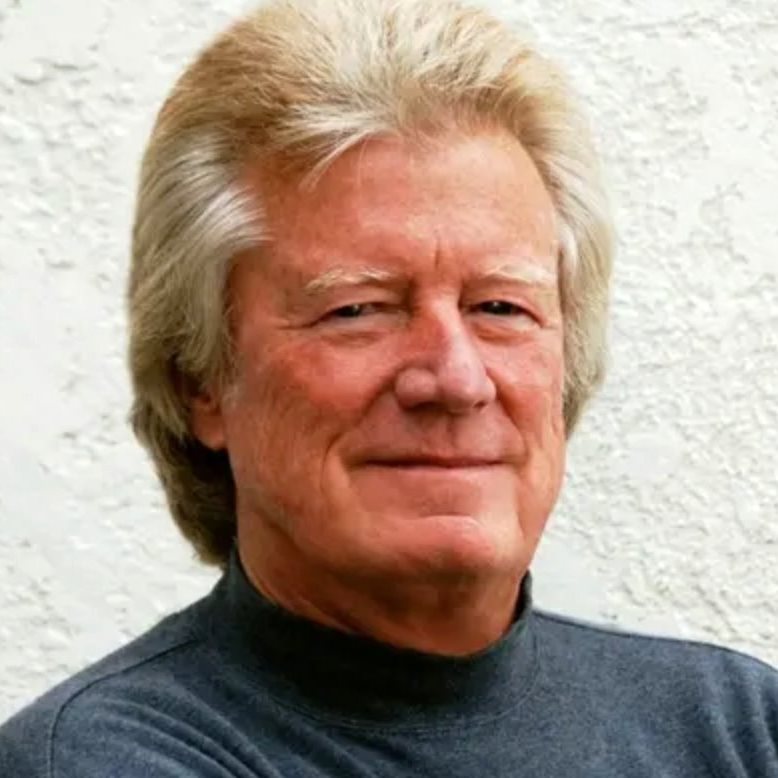
Torrence
Torrence's Albums
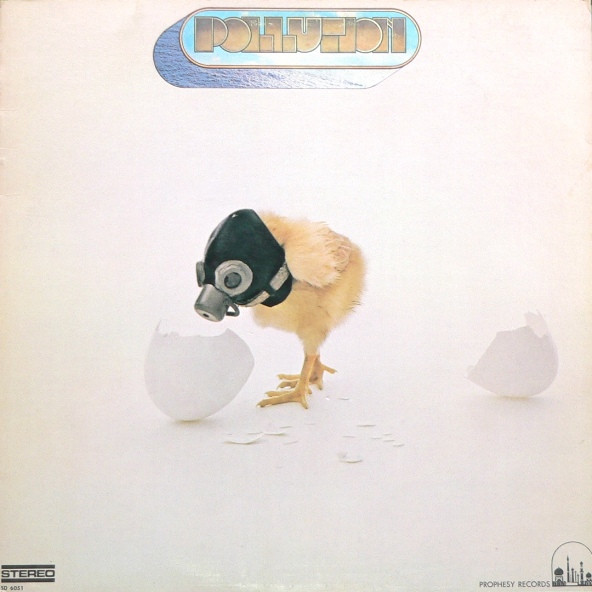
Torrence, along with photographer Gene Brownell, won a Grammy Award in 1972 for Album Cover of the Year for the self-titled album — and the only release — by a group named Pollution.
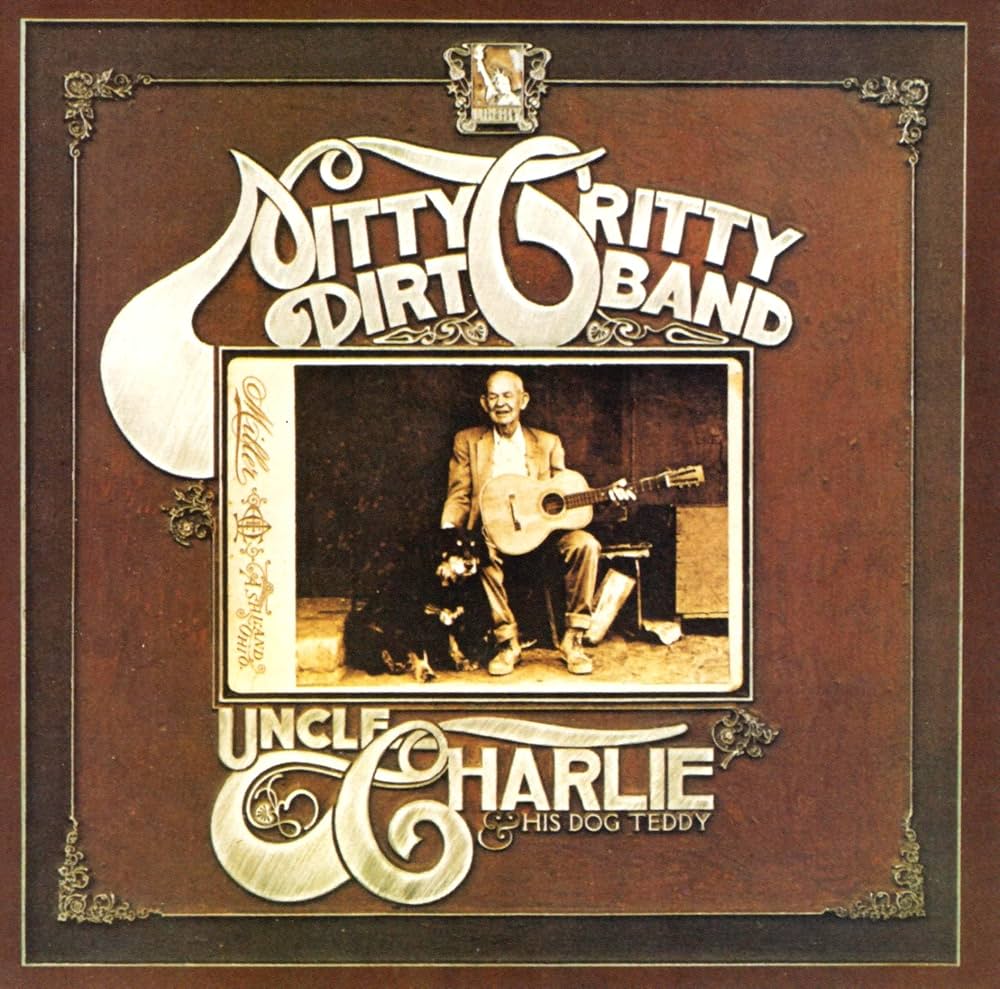
In 1971, the year before “Pollution” won its Grammy, Torrence and photographer Bill McEuen were nominated for a Grammy for the cover of “Uncle Charlie & His Dog Teddy” by the Nitty Gritty Dirt Band.
Torrence once explained his working method: He would urge the music group to get proactive about the design of its album package, rather than accept the standard publicity photo and title.
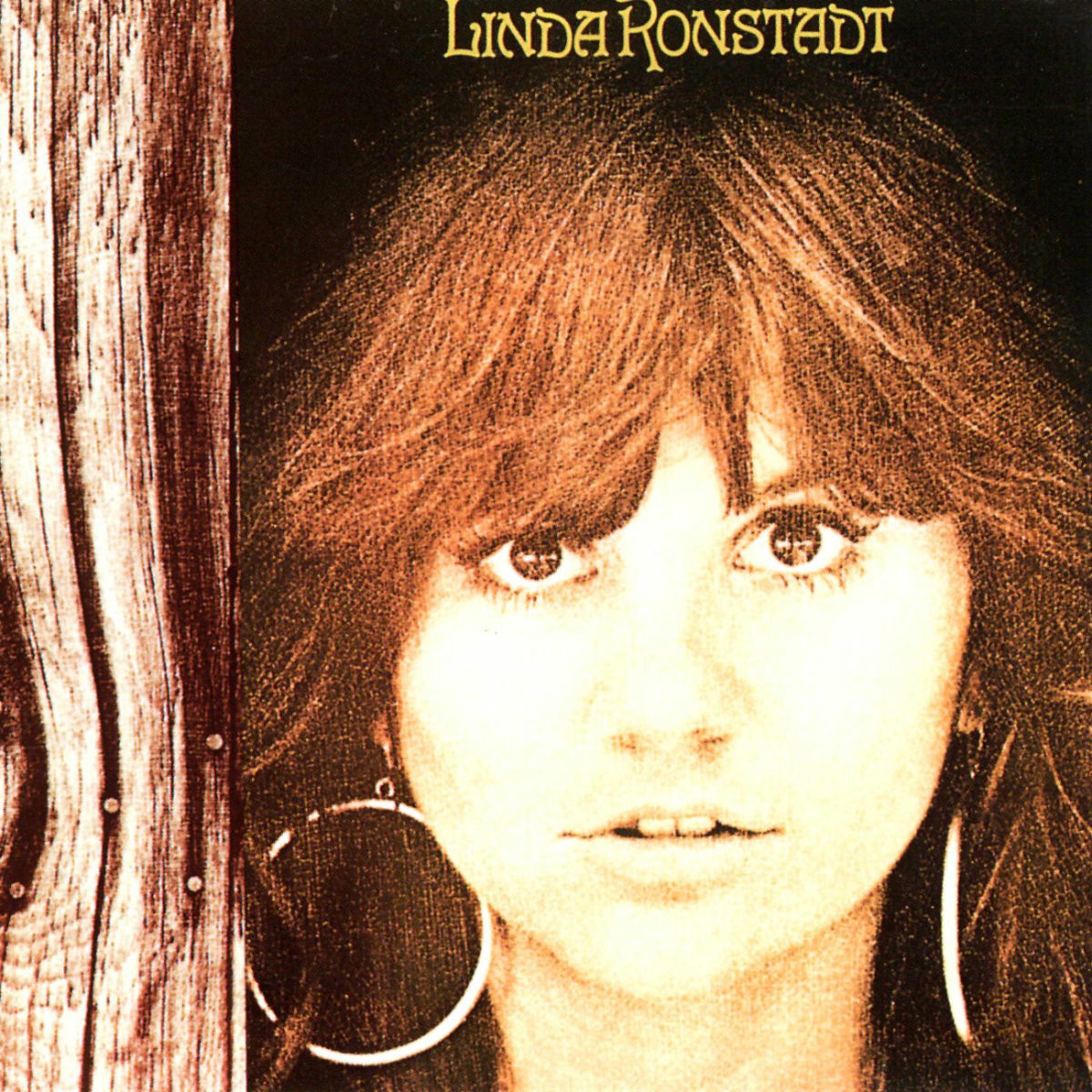
With her third album, Linda Ronstadt ventured into country rock and moved to a major label, Capitol Records. Torrence designed this 1972 cover using photography by Ed Caraeff.
In 1969, Dean came up with the idea for a logo for the band Chicago — which, at the time, was known as the Chicago Transit Authority. He based his concept on the logo for Coca-Cola, he said, and handed his sketches off to a designer for Columbia records.
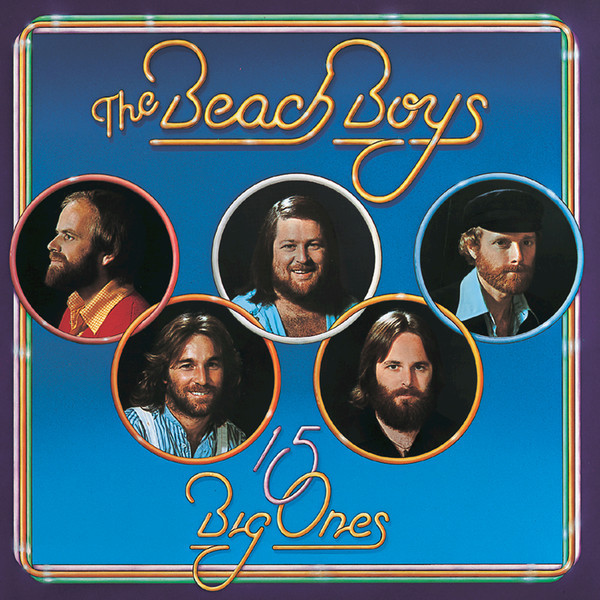
The first of several covers for the Beach Boys, 1976’s “15 Big Ones” intentionally included the Olympic rings. The group would use the logo at the top of this cover for many years afterward.
Torrence still performs occasionally with the Surf City All-Stars, which also included former Beach Boys members Al Jardine and David Marks.
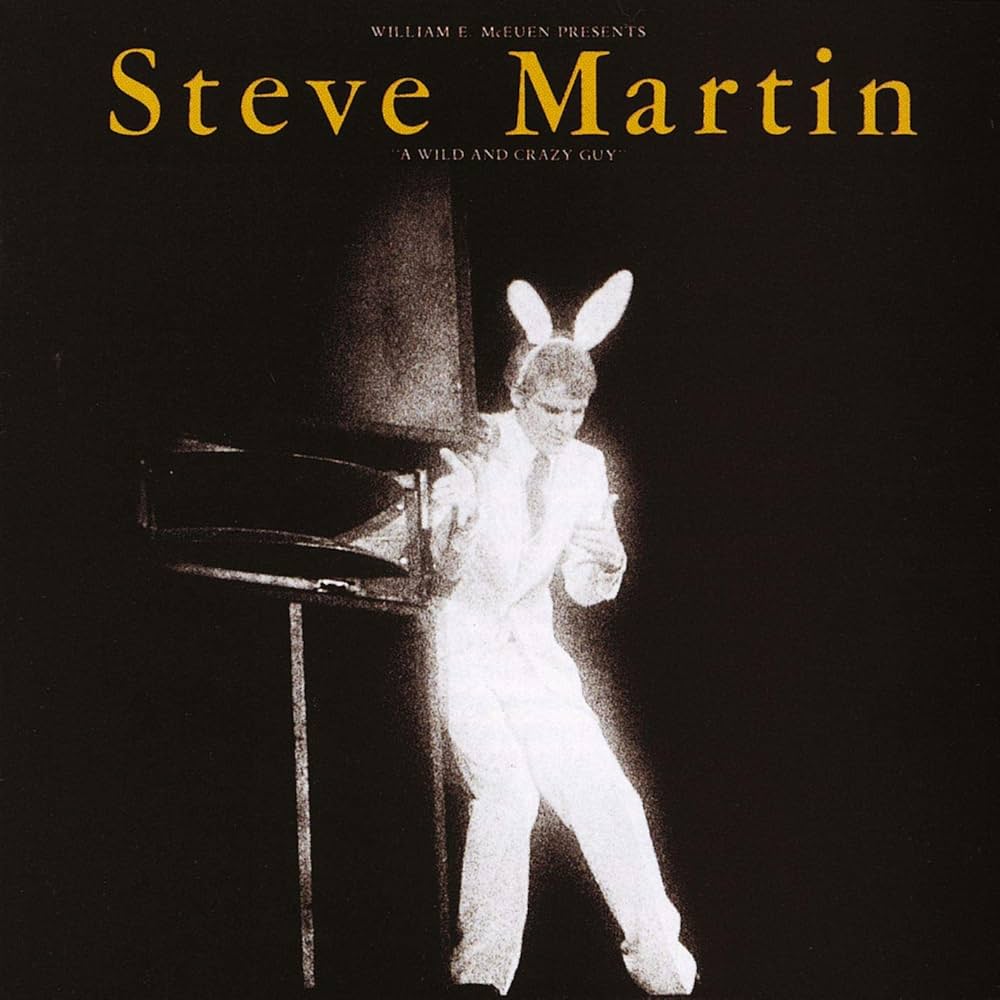
Torrence had met comedian Steve Martin early in Martin’s career and would design the covers for Martin’s first three albums. This was the best of them: 1978’s “A Wild and Crazy Guy.”
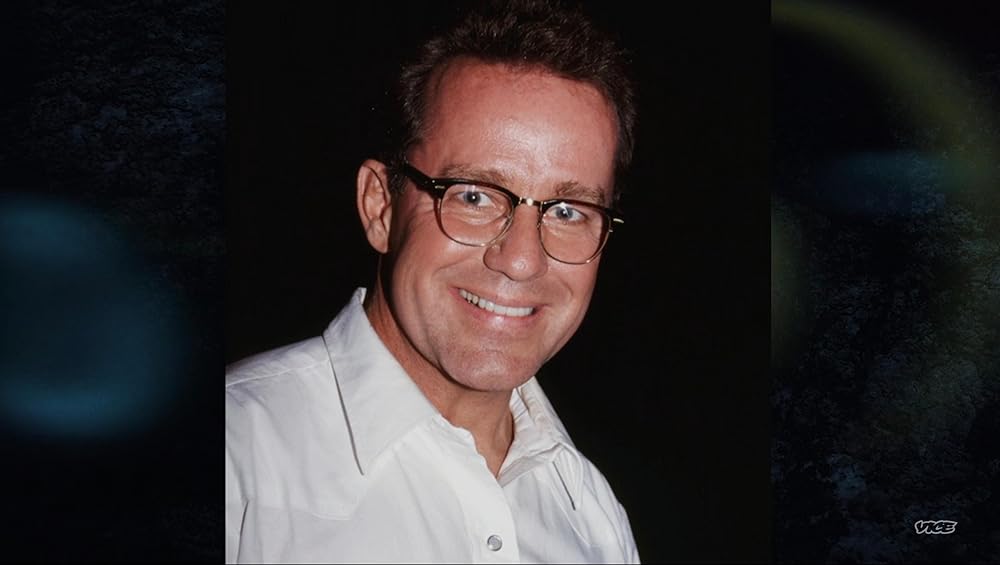
Phil Hartman
Most of us know Hartman from his eight years on “Saturday Night Live,” or his three seasons on “News Radio” or the voices he provided to dozens of popular characters on “The Simpsons.”
But before he ventured into the world of comedy and acting, Phil Hartman studied art at Cal State Northridge and ran his own graphic art studio, focusing on album cover design.
He started out in 1972 by designing covers for smaller acts: Bones, Harvey Mandel and the Pure Food and Drug Act. Hartman’s work got noticed. Before long, he was designing covers for Poco and America. He also came up with the interlocking “CSN” logo for Crosby, Stills & Nash.
Meanwhile, Hartman spent his spare time taking evening classes taught by the Los Angeles-based improvisational comedy group the Groundlings. He befriended fellow comedian Paul Reubens, help develop Reubens’ “Pee Wee Herman” stage show and joined “SNL” in 1986.
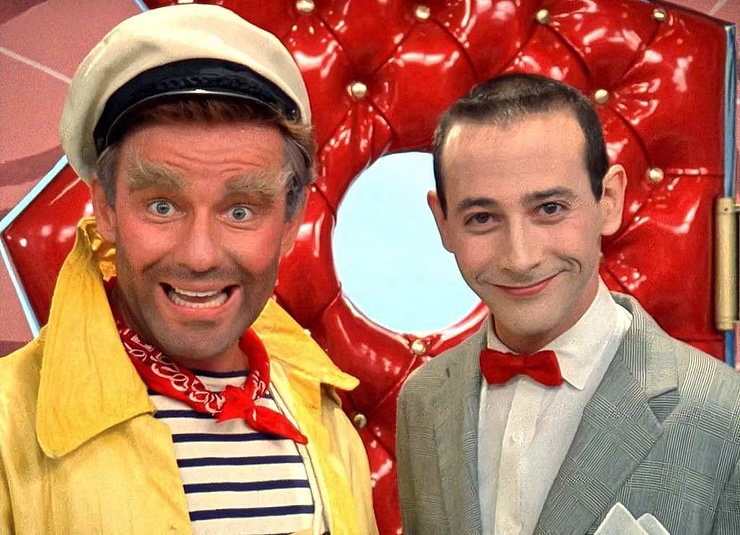
Phil Hartman and Paul Reubens
Hartman
Hartman's Albums
Hartman’s first album design was for Poco’s 1974 LP, “Seven.” He uses a horseshoe to wish good luck on the band in its first release after the departure of the band’s founder, Richie Furay.
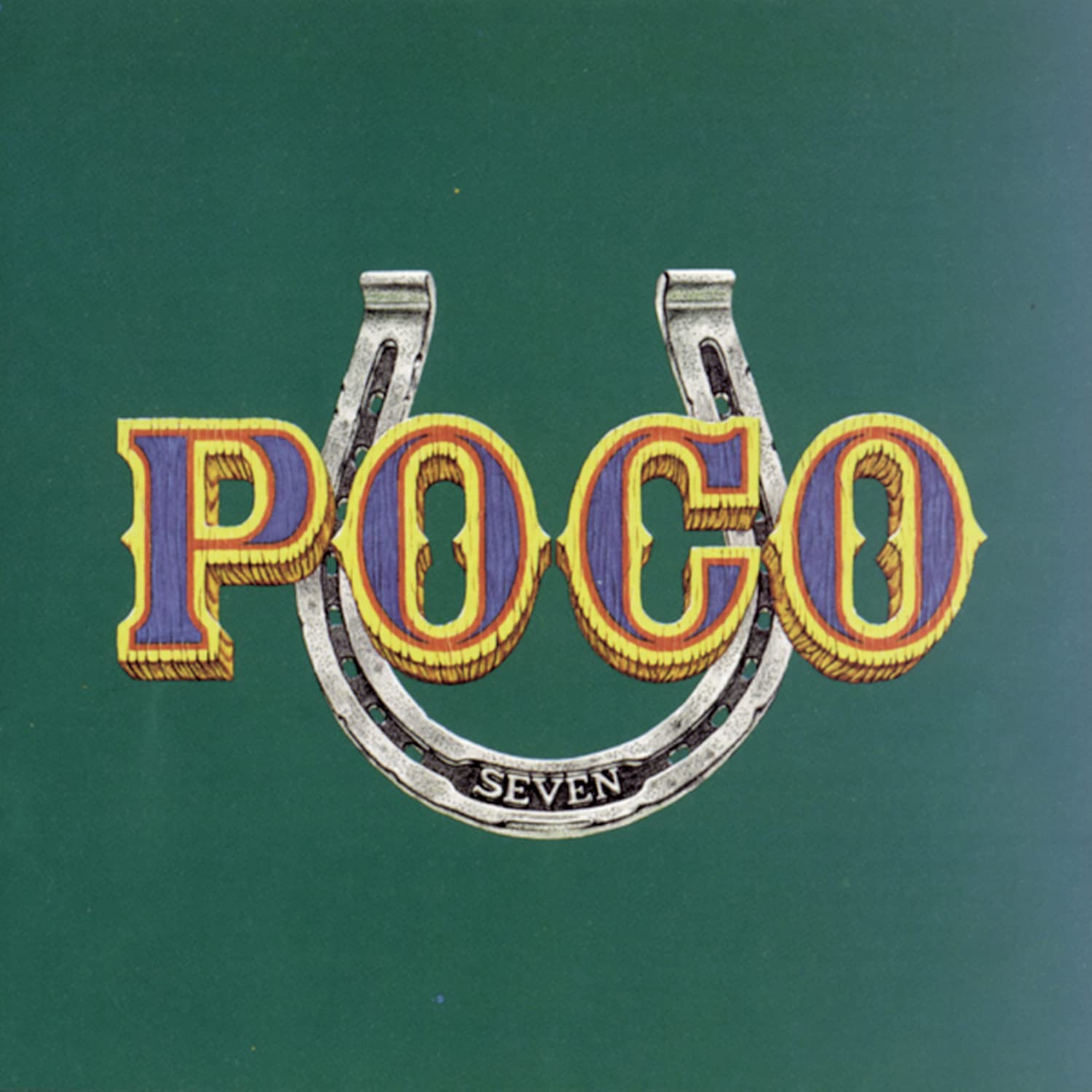
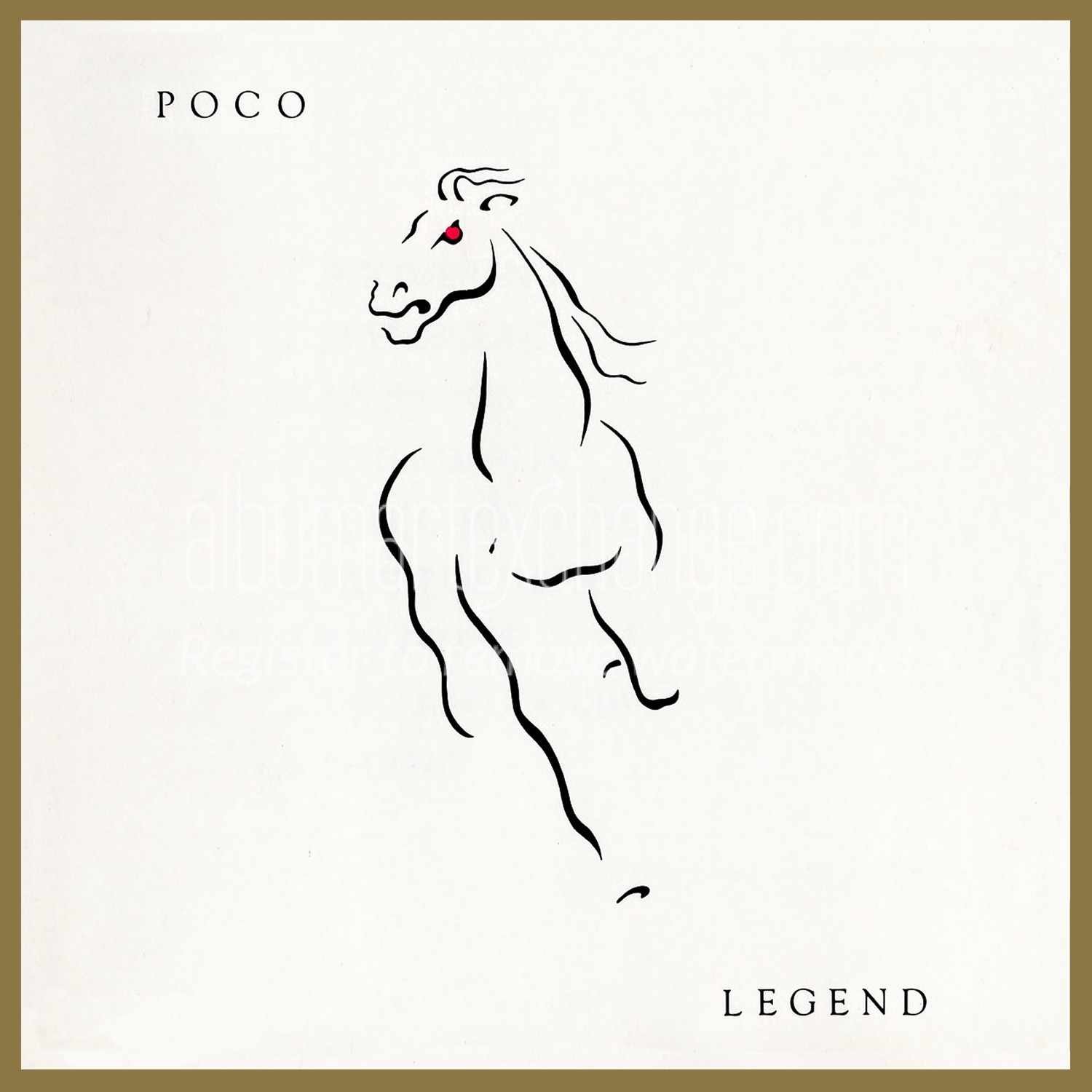
Hartman’s brother, John, was the manager for the groups America and Poco. In 1974, Hartman designed the covers of Poco’s “Seven” and “Cantamos” before taking on what would become his favorite, “Legend,” four years later.
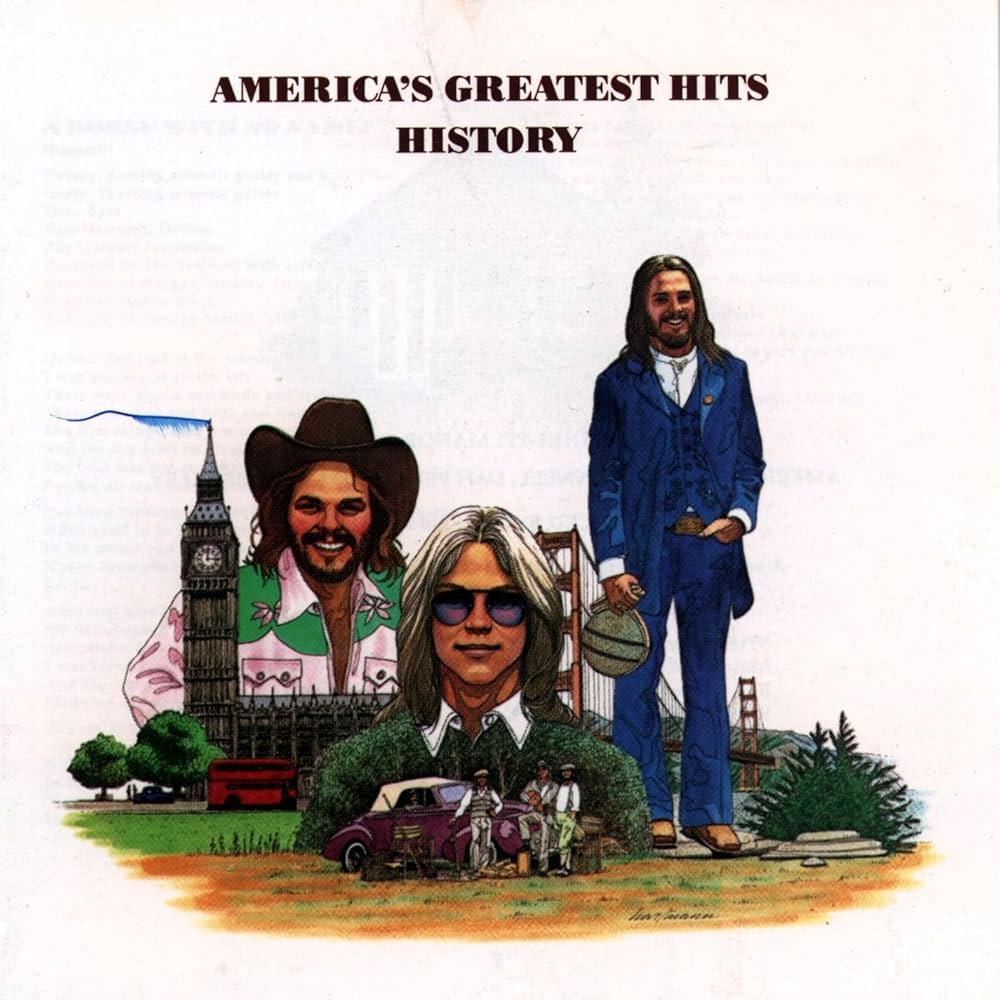
Hartman worked themes and images from America’s earlier albums into his illustration for this 1975 collection. The liner notes credit “Phil Hartmann”— the original spelling of his name.
“I did over 40 album covers, including the white Poco album,” Hartman told an interviewer. “That’s the only piece I have up in my office.”
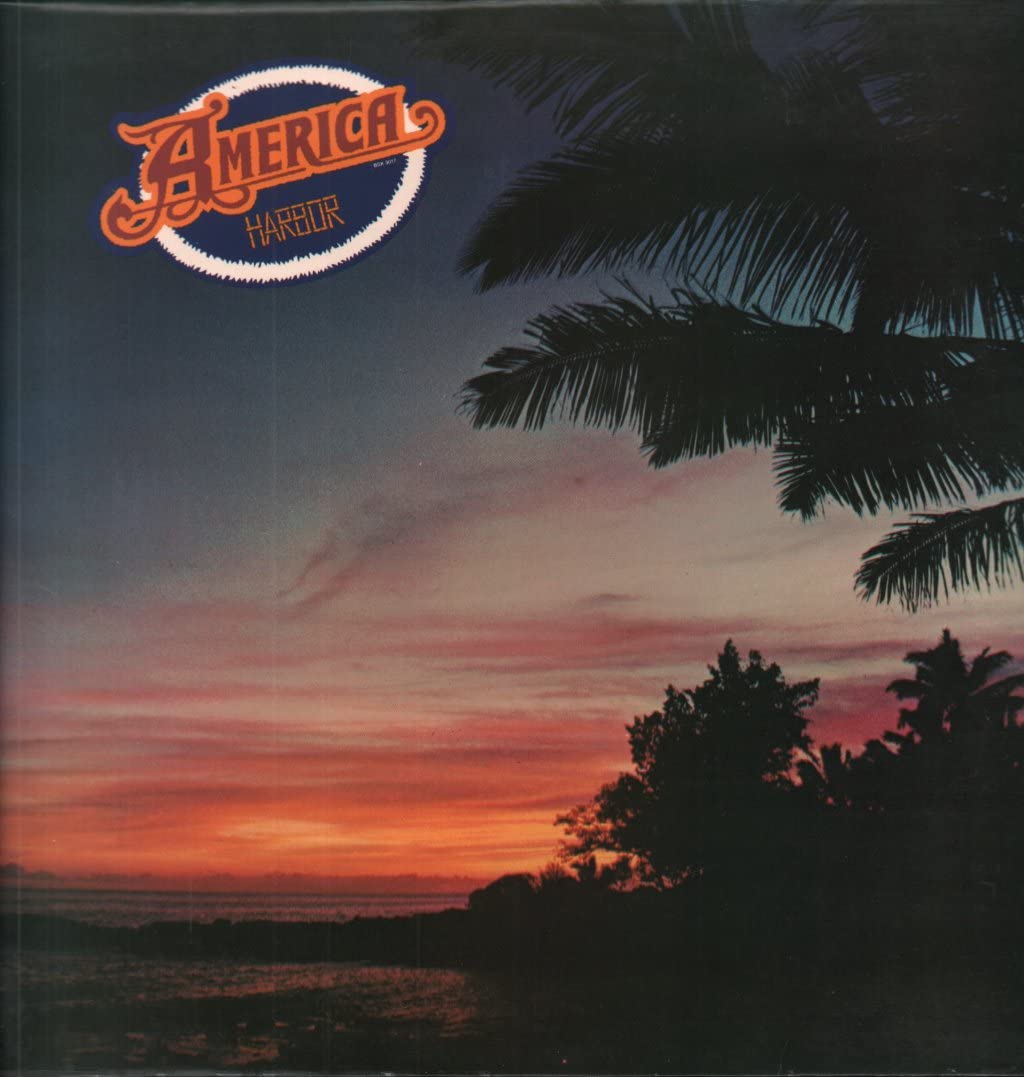
1977’s “Harbor” was the fourth of six albums former Beatles producer George Martin produced for America. Hartman featured a photo by famed music photographer Henry Diltz.
His final album covers were for Poco: “Ghost Town” in 1982 and “Inamorata” in 1984
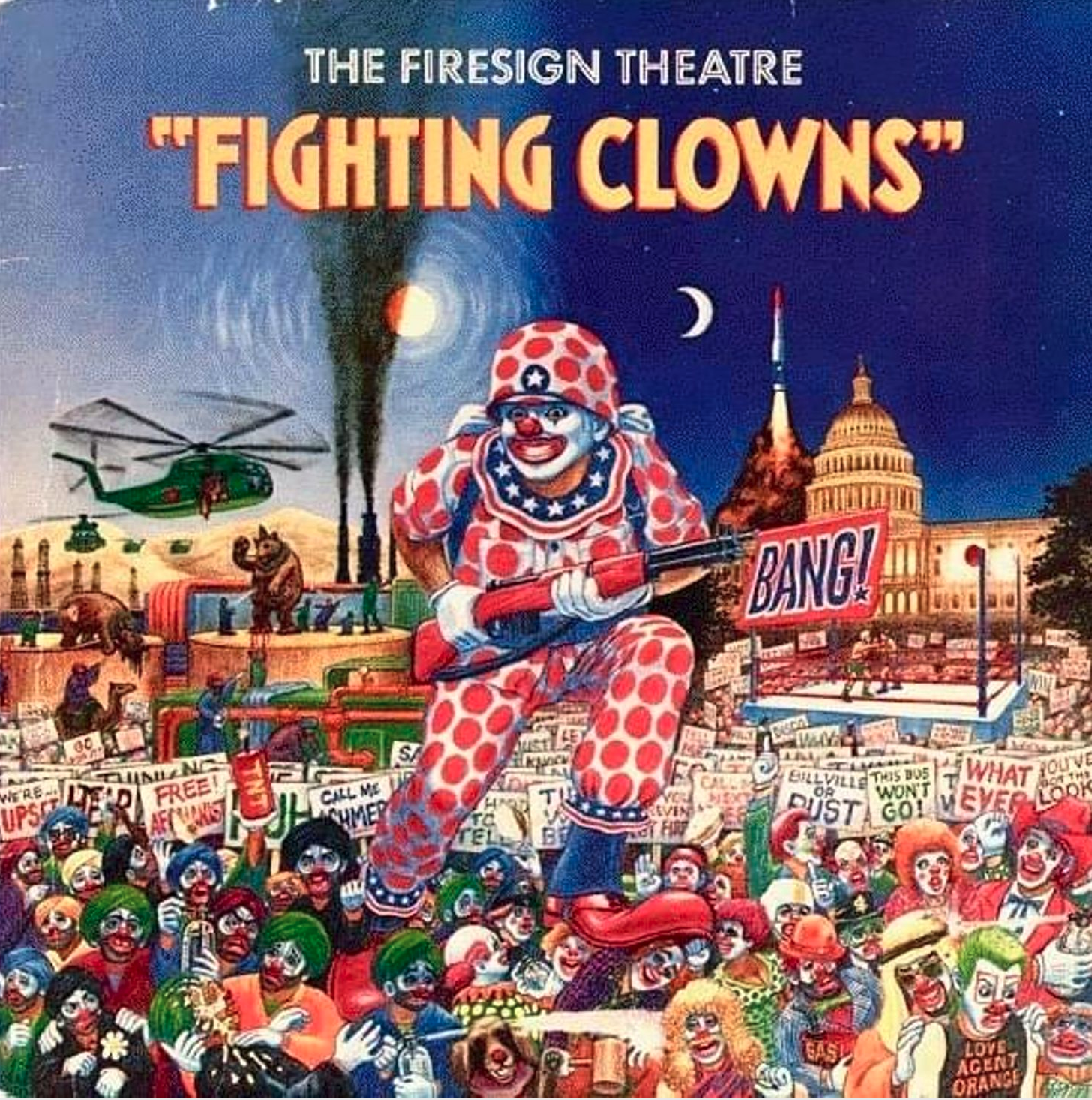
This 1980 collection of comedy songs is built around a fictional USO-type show and most were recorded in front of a live audience. Once again, Hartman showed off his illustration skills.
Hartman won Emmy awards for his work on “Saturday Night Live” and “Talk Radio.” He later became known for the recurring characters of Lionel Hutz and Troy McClure on “The Simpsons” and Zapp Brannigan on “Futurama.”
Hartman was killed in a murder-suicide by his wife on May 27, 1998. He was 49.