
Curiouser And Curiouser: Bringing Wonderland To Life
Walt Disney had always been fascinated with Lewis Carroll’s “Alice’s Adventures in Wonderland” and “Through the Looking Glass.” Early in his career as an animator, he aimed to bring the young Alice to life on film.
Disney made a number of animated short films in the 1920s featuring a live-action Alice in an animated world. But it wasn’t until 1951 — and his studio’s 13th animated feature film — that he made his dream come true.
“Alice in Wonderland” opened in New York City on July 28, 1951 — 75 years ago next Tuesday.
Bringing Wonderland To Life
Cartoonist Walt Disney became interested in the new field of animation in 1920. With a handful of associates, he created Laugh-O-Gram Studio in Kansas City and began making black-and-white silent cartoons.
He made what he considered his ultimate film, “Alice’s Wonderland,” in 1923. Five-year-old Virginia Davis played Alice, who is entranced by her visit with Disney and his animators at Laugh-O-Gram. That night, she dreams she’s in an animated movie.
However, Laugh-O-Gram declared bankruptcy shortly after the film was completed. It was never released.
Disney took the film with him to Hollywood to show studios there what he could do. Winkler Pictures happened to be in need of a replacement for its popular “Felix the Cat” cartoons. When the studio hired Disney to make a series of “Alice” short films, he talked some of his colleagues — and Virginia Davis’ parents — into moving west.
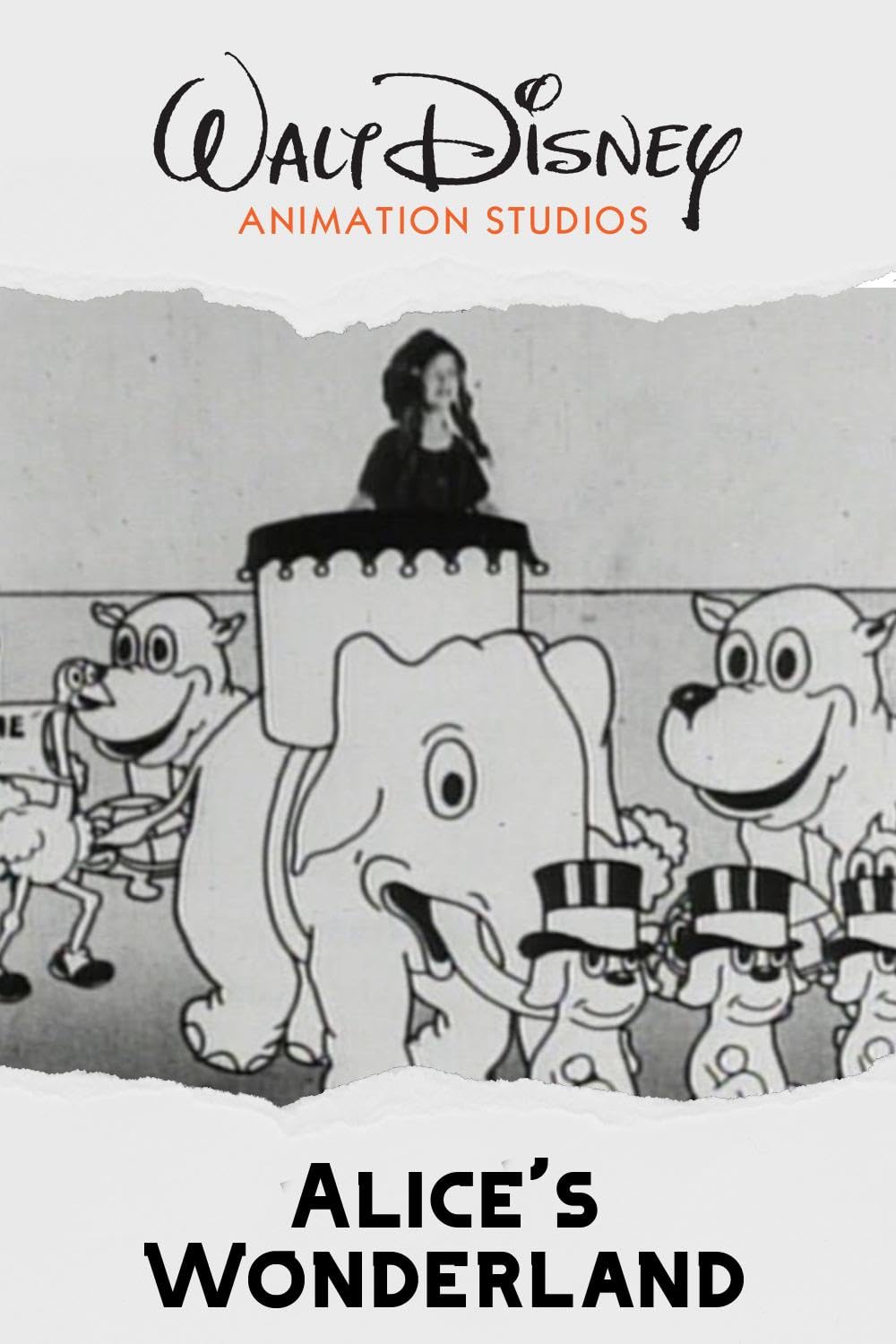
Virginia Davis in "Alice's Wonderland" in 1923.
Between 1924 and 1927, Disney‘s new operation made 57 “Alice” comedies starring Davis and, when she aged out of the role, three other young actors.
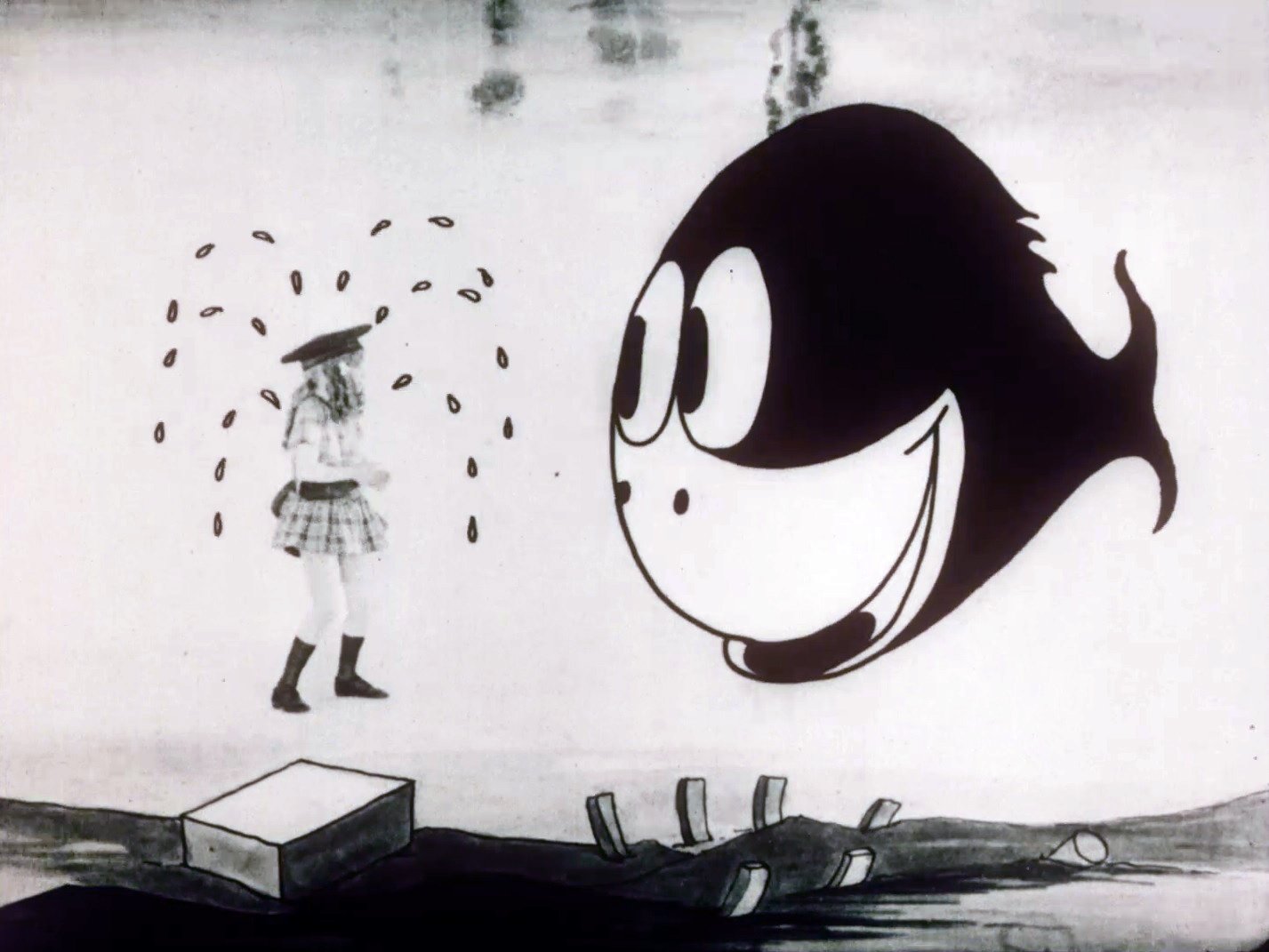
Davis again in the first “Alice” comedy in 1924.
After Disney established his own studio, he wanted his first color feature-length film to be “Alice in Wonderland” starring Mary Pickford in the lead role. He planned to base the look of the film on John Tenniel’s original illustrations for the Lewis Carroll books, but Tenniel’s complex drawing style proved too difficult — and too expensive — to animate.
Disney shelved his plans and made “Snow White and the Seven Dwarfs” instead, which was released in 1931.
When Disney finally revived his “Alice in Wonderland” plans in the 1940s, he hired artist Mary Blair to create concept art for what a film version could look like. Instead of Tenniel’s intricate black-and-white work, she went for broad strokes and bold colors. Disney loved it.
'I'm Late! I'm Late! For A Very Important Date!'
Disney considered Ginger Rogers to provide the voice of Alice. Fourteen-year-old Margaret O’Brien — who had co-starred in “Meet Me in St. Louis” — was hired but ran into contractual problems. Also considered was Janet Waldo, who would go on to voice Saturday morning cartoon characters Judy Jetson, Penelope Pitstop and Josie of “Josie and the Pussycats.”
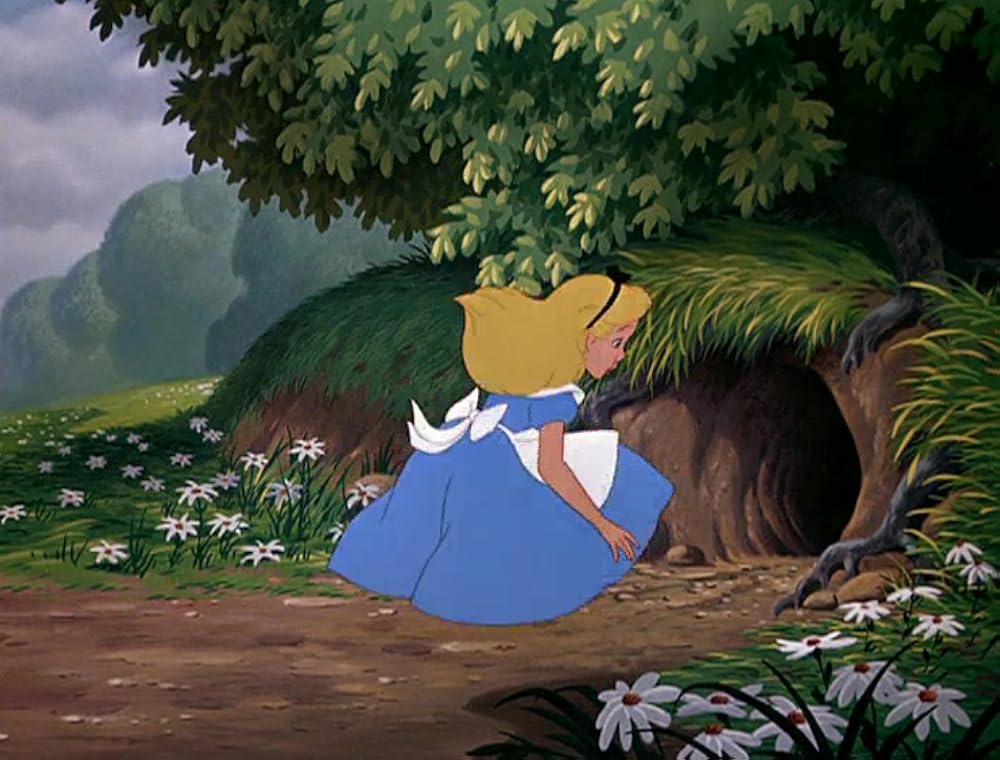
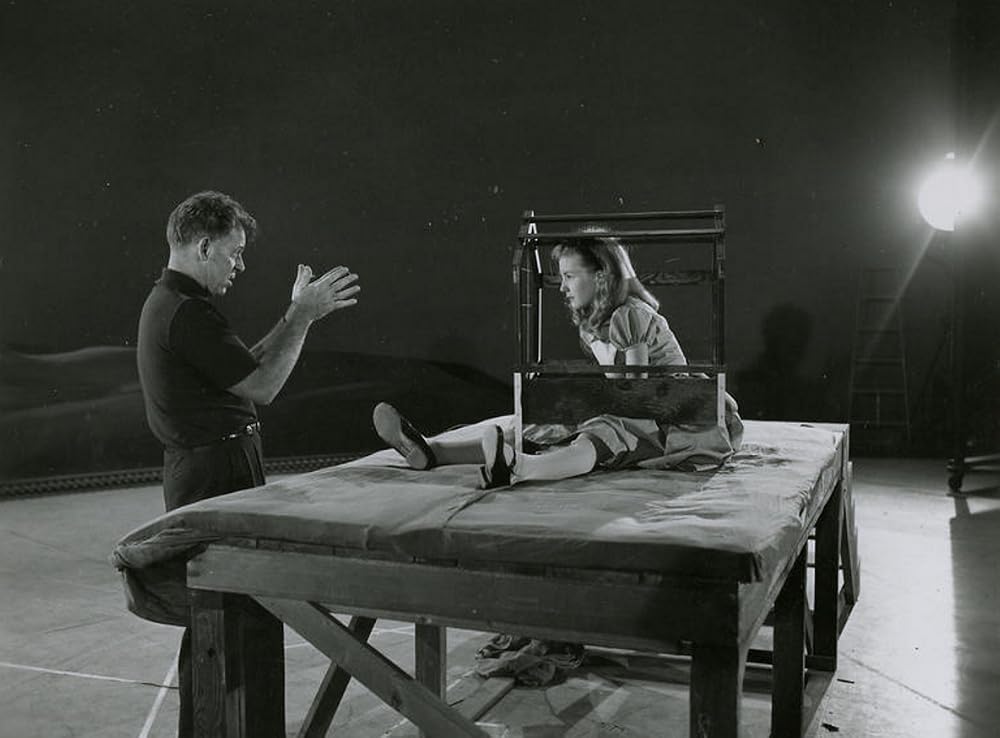
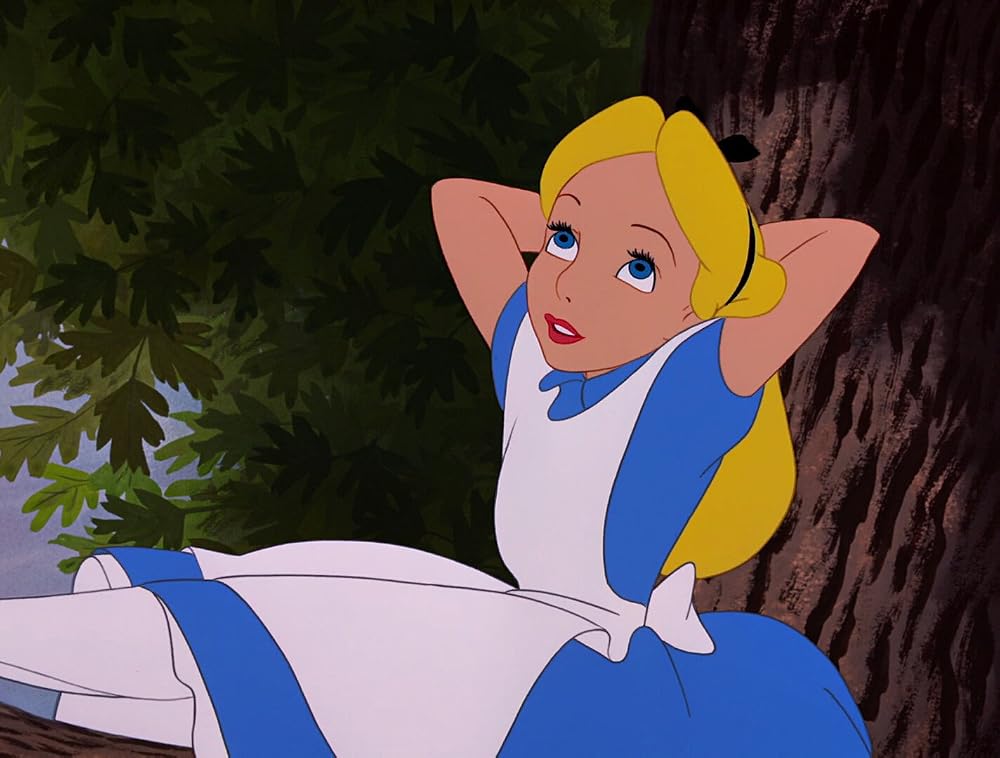
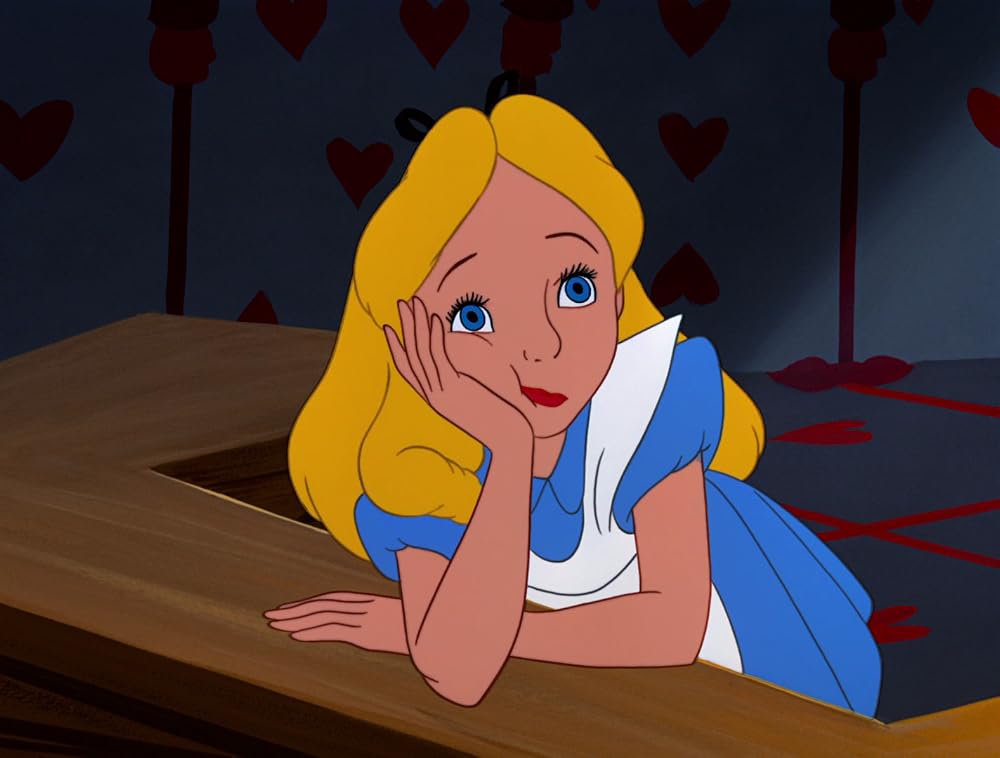
Thirteen-year-old Kathryn Beaumont not only provided the voice of Alice, she also wore an “Alice” dress and performed scenes that were filmed to provide animators with reference material. Beaumont went on to voice Wendy Darling in Disney’s next animated film, “Peter Pan,” and to narrate Disneyland’s “Alice in Wonderland” ride.
The original plan was for Alice to kick off the movie singing a ballad called “Beyond the Laughing Sky.” Beaumont had trouble with the song, so it was swapped out for “In a World of My Own.” “Beyond the Laughing Sky” was reworked into “Second Star to the Right” and “Never Smile at a Crocodile” for “Peter Pan.”
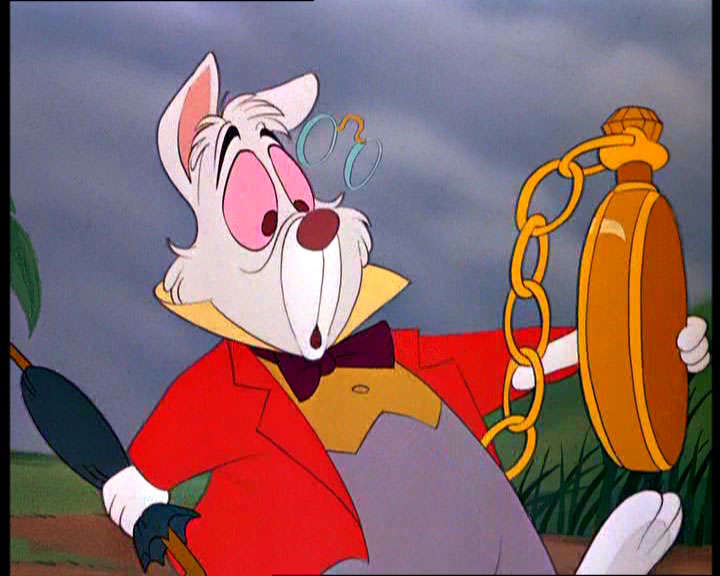
The White Rabbit was voiced by comedian Bill Thompson, who had played various characters on the radio show “Fibber McGee and Molly” and who also voiced the cartoon character of Droopy. In an episode of Disney’s “House of Mouse” TV show, the White Rabbit finally confesses: “I’m not really late and I don’t really have a date. I’m a fraud.”
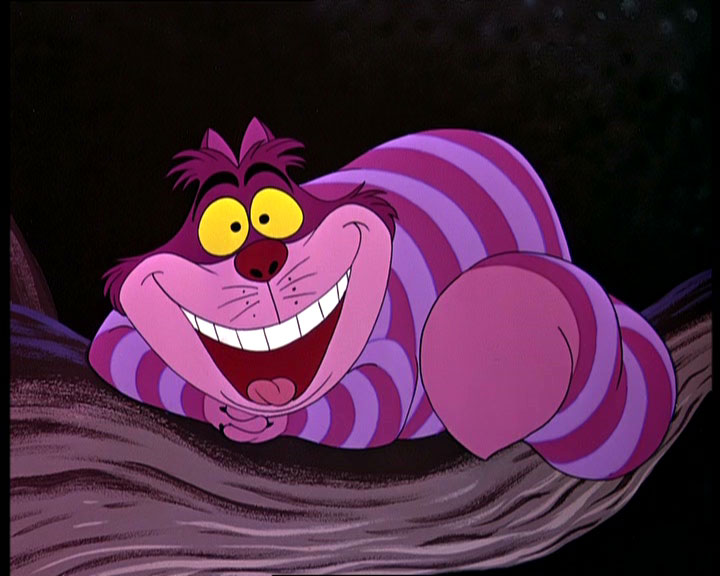
Sterling Holloway voiced the Cheshire Cat. He had played Mr. Stork in “Dumbo” and the adult Flower in “Bambi” and would go on to provide the voice of Winnie-the-Pooh, Kaa in “The Jungle Book” and Roquefort the mouse in “The Aristocats.” At one point, the mischievous cat sings “ ’Twas Brillig,” which mentions a character written out of the film, the Jabberwock.
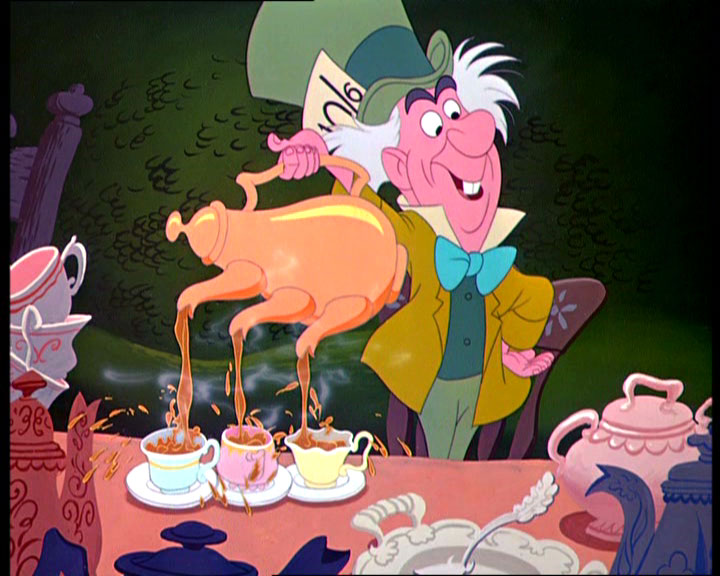
The Mad Hatter was drawn to resemble the actor who voiced the character, comedian Ed Wynn. During a recording session in which the Hatter tried to fix the White Rabbit’s watch, Wynn began ad-libbing silly dialogue. Disney overheard this and told his directors, “Hey, that stuff’s pretty funny. Why don’t you use that speech in the movie?” So they did.
The Queen of Hearts wasn’t a villain in Carroll’s first novel. The movie mixes characterizations of the Queen with the Red Queen chess piece from Carroll’s second Alice novel, “Through the Looking Glass.” Disney’s team based the character on widely read but infamously ill-tempered newspaper gossip columnist Louella Parsons.
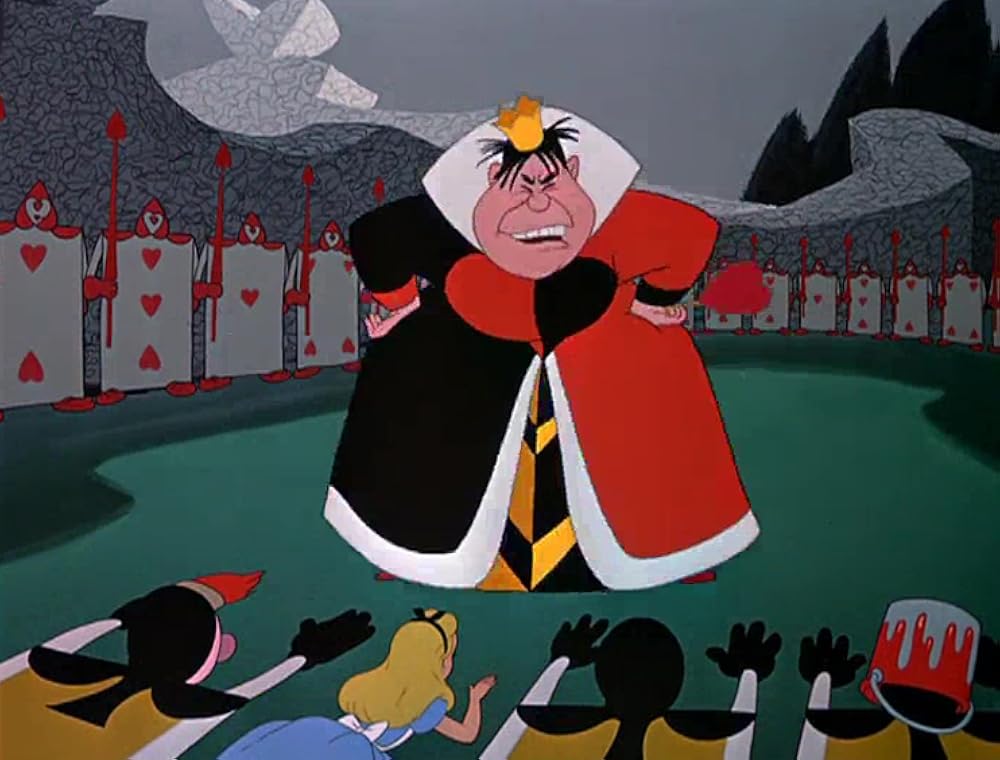
“Alice in Wonderland” grossed only $2.1 million at the box office. Disney blamed the characterization of Alice, which he said seemed to “lack heart.” In the 1960s, however, 16mm prints of the movie became popular on college campuses as what students called “a head film.” Disney re-released the movie in 1974 to great success.
He made what he considered his ultimate film, “Alice’s Wonderland,” in 1923. Five-year-old Virginia Davis played Alice, who is entranced by her visit with Disney and his animators at Laugh-O-Gram. That night, she dreams she’s in an animated movie.
However, Laugh-O-Gram declared bankruptcy shortly after the film was completed. It was never released.
Disney took the film with him to Hollywood to show studios there what he could do. Winkler Pictures happened to be in need of a replacement for its popular “Felix the Cat” cartoons. When the studio hired Disney to make a series of “Alice” short films, he talked some of his colleagues — and Virginia Davis’ parents — into moving west.
He made what he considered his ultimate film, “Alice’s Wonderland,” in 1923. Five-year-old Virginia Davis played Alice, who is entranced by her visit with Disney and his animators at Laugh-O-Gram. That night, she dreams she’s in an animated movie.However, Laugh-O-Gram declared bankruptcy shortly after the film was completed. It was never released.Disney took the film with him to Hollywood to show studios there what he could do. Winkler Pictures happened to be in need of a replacement for its popular “Felix the Cat” cartoons. When the studio hired Disney to make a series of “Alice” short films, he talked some of his colleagues — and Virginia Davis’ parents — into moving west.Between 1924 and 1927, Disney‘s new operation made 57 “Alice” comedies starring Davis and, when she aged out of the role, three other young actors.