Broken Arrow: Accidentally nuking the United States
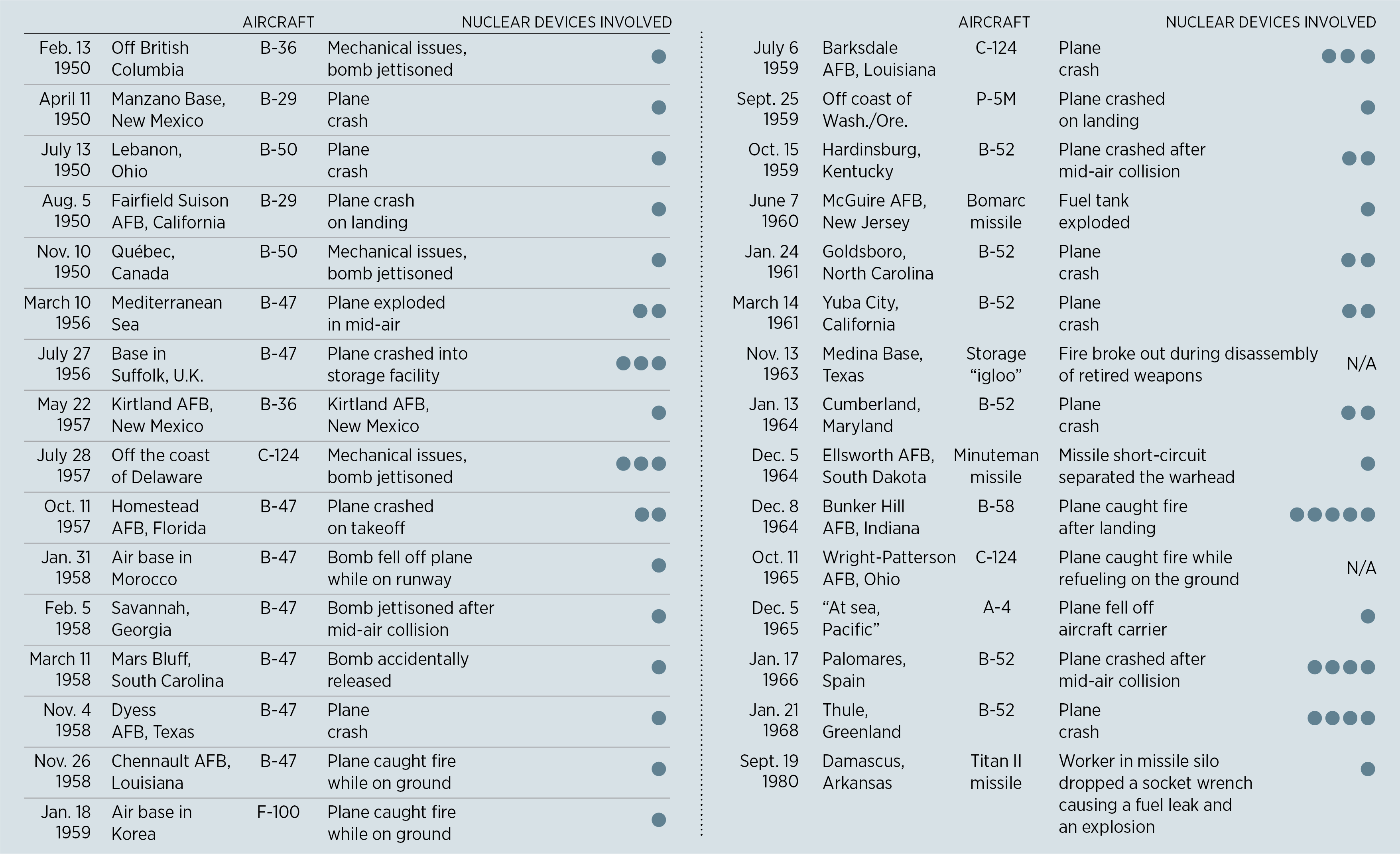
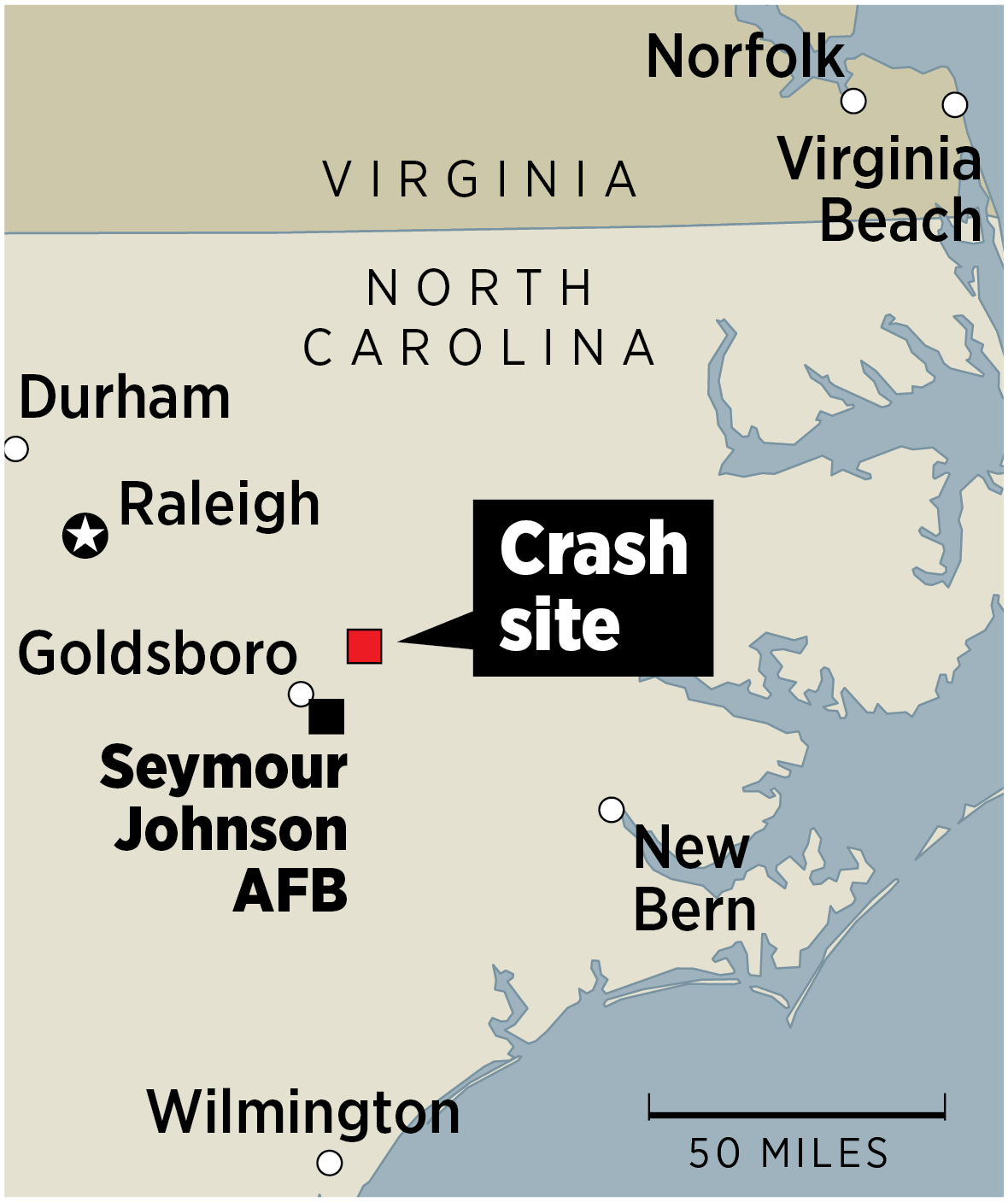
On Jan. 24, 1961 — 65 years ago Saturday — an Air Force B-52 bomber crashed near Goldsboro, North Carolina, 60 miles southeast of the capital city of Raleigh. Aboard were two hydrogen bombs. Neither of the weapons exploded, nor was there any real danger of them exploding in an accident like this, the Pentagon said.
It wasn’t until 2013 that declassified military reports were released that showed: Um, yes, there very nearly had been a thermonuclear explosion during the Goldsboro incident.
Operation Chrome Dome Does Go Wrong
The United States was heavily engaged in the Cold War. The military stood ready to fend off an attack from its Communist rivals. Or to avenge an attack, if necessary.
One of the ways it did this was with Operation Chrome Dome. Multiple B-52 bombers were launched from bases throughout the Northern Hemisphere and kept in the air 24 hours a day, every day. Each plane carried two nuclear bombs. Each B-52 had to be refueled in air multiple times over the course of a day.
One of the otherwise sleepy Air Force Bases that participated in Operation Chrome Dome was Seymour Johnson Air Force Base in eastern North Carolina. On Jan. 23, 1961, a B-52 — leaking fuel and returning to base — suffered what officials called a “failure of the right wing.” The plane broke apart in mid-air. Eight crewmen were aboard. Five ejected safely. One ejected but was killed upon landing. And two died in the crash.
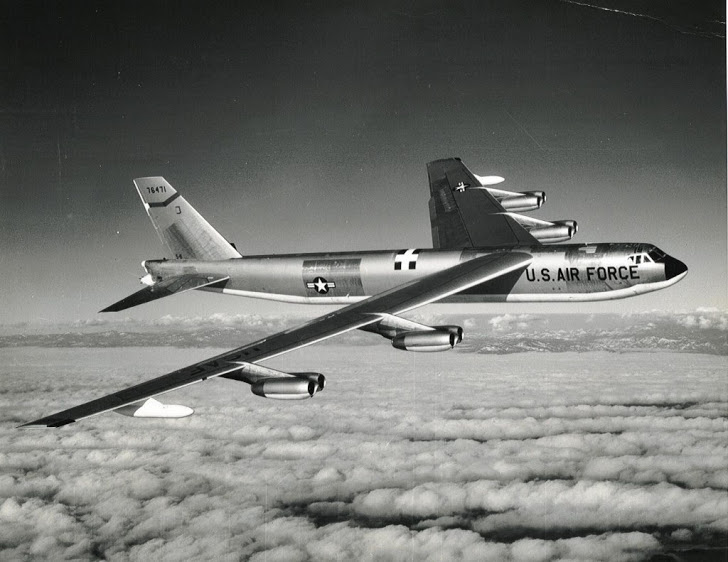
A U.S. Air Force B-52 bomber similar to the one that crashed in North Carolina.
Aboard were two 3.8-megaton Mark 39 nuclear bombs. Each had the ability to detonate with a force 260 times more powerful that the bomb that destroyed Hiroshima at the end of World War II.
In 2013, the Department of Defense released declassified documents that showed that the breakup of the aircraft had initiated the firing sequence for both bombs. One bomb that safely parachuted to the ground was prevented from detonating by built-in fail-safe mechanisms.
But the second bomb impacted the ground, which armed the device. Of the four safety mechanisms on the second bomb, three had failed to operate properly.
“By the slightest margin of chance, literally the failure of two wires to cross, a nuclear explosion was averted,” Secretary of Defense Robert McNamara at the time, and quoted in the declassified documents.
While this might have been the closest call for airplane-borne nukes, it wasn’t the only one. Over 30 years, at least 21 planes crashed with or accidentally dropped nuclear weapons. Another five incidents took place on runways or tarmacs.
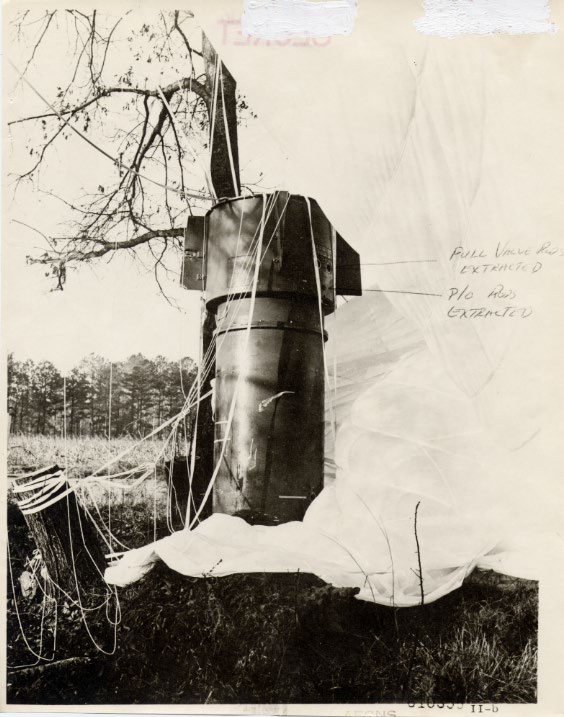
One of the two bombs landed in a field and was found with its parachute draped over a tree. Pins that provided power from a generator to the weapon had been yanked, which prevented the bomb from going off. In other words, the fail-safe safety devices had performed their duties as designed.
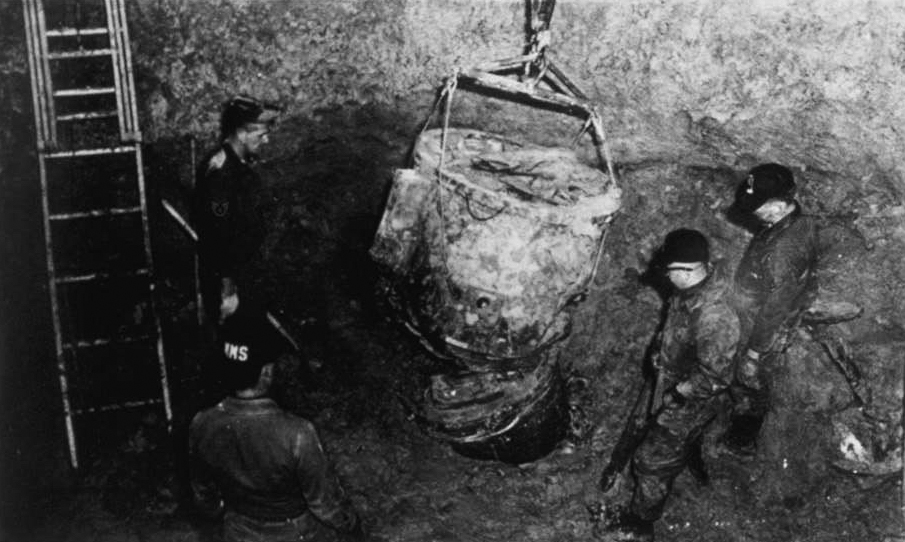
The second bomb, however, was released later than the first. There wasn’t enough time for its parachute to deploy before it hit the ground. It took workers six days to find most of the wreckage, buried 20 feet in the mud. It was found that the impact had “armed” the bomb and it could have exploded, but this wasn’t revealed for another 52 years. Workers dug down to 42 feet below ground level before they abandoned the search for more components.
31 'Broken Arrow' Incidents Over Three Decades