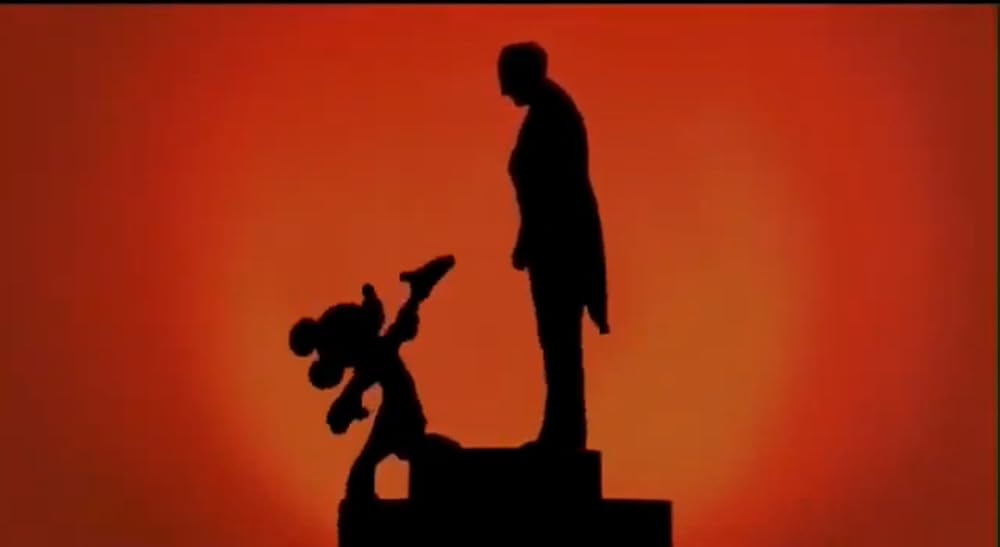
Fantastic Cinema: Making of Fantasia
From the very start, Walt Disney’s third feature film, the orchestral masterpiece “Fantasia,” was praised by critics for its innovative use of color and sound and the way the lushly animated visuals followed the music — rather than the other way around.
But “Fantasia” was also Disney’s first commercial failure. It cost a lot to make and its distribution in Europe was prevented by the start of World War II.
“Fantasia” debuted in New York’s Broadway Theater on Nov. 13, 1940 — 85 years ago today.
From A Short Film Starring Mickey Mouse ...
After the success of his first two full-length movies, “Snow White” and “Pinocchio,” Walt Disney turned his attention back to his “Silly Symphony” short films.
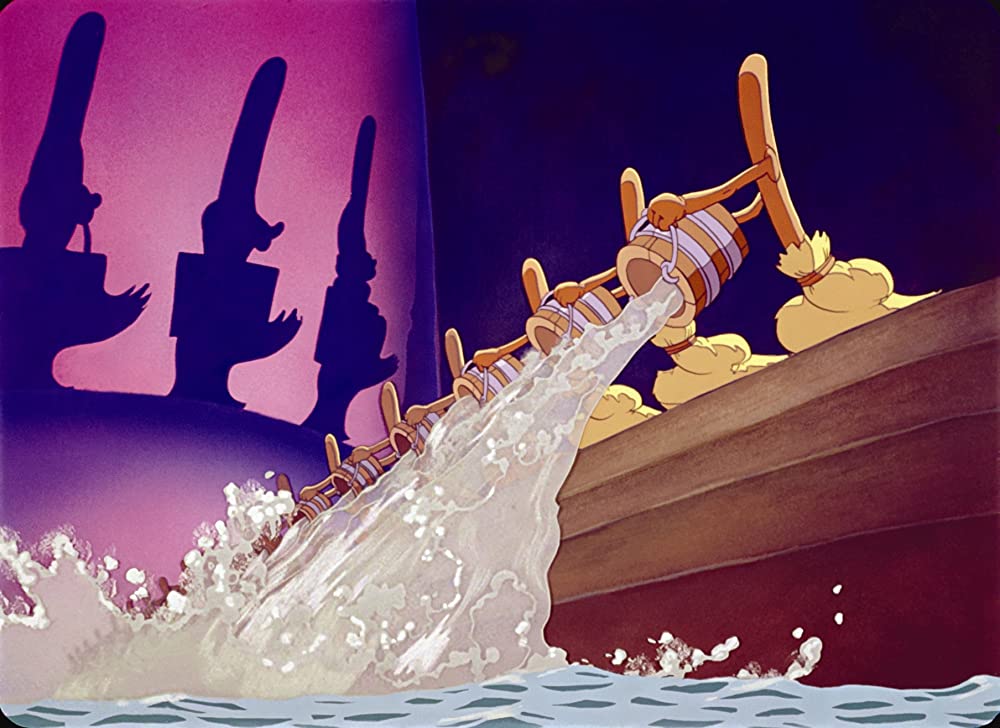
Disney’s idea: make a “Silly Symphony” film of one of his favorite children’s tales, “The Sorcerer’s Apprentice.” When he told his animators, one hopped up to say that would be terrific with Dopey from “Snow White” playing the apprentice.
No, Disney said. That’s not quite what he had in mind. The popularity of newer characters like Donald Duck and Goofy had taken off but Disney feared that his favorite — and the character he voiced himself, Mickey Mouse — was getting left out.
Disney’s team began planning for a short animated film. It was around then that Disney ran into famed composer Leopold Stokowski in a Hollywood restaurant. As Disney talked about his hope to wrap a full orchestral score around “The Sorcerer’s Apprentice,” Stokowski became excited.
“I would like to conduct that for you,” Stokowski told Disney, who spared no expense in accepting that offer. As production progressed and costs piled up, Disney began to realize he’d never make his investment back on just one short film. So he expanded his idea to a series of orchestrated shorts, all conducted by Stokowski.
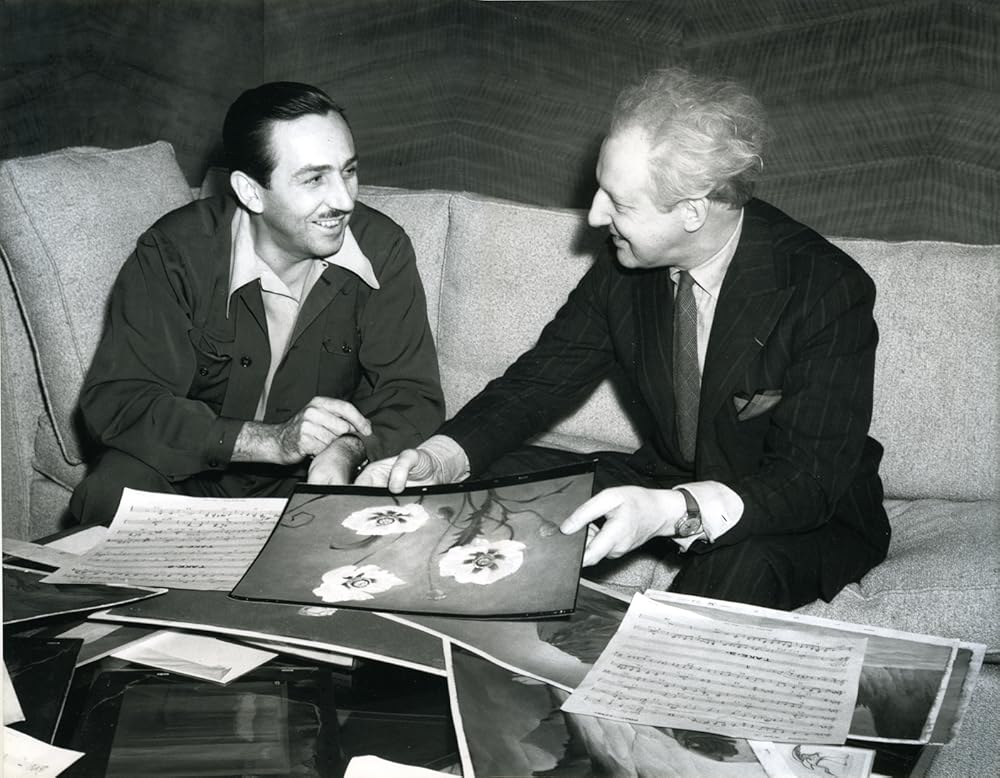
Walt Disney and Leopold Stokowski look over samples of art from “Fantasia.”
“In our ordinary stuff, our music is always under action,” Disney told his team. “But on this ... we’re supposed to be picturing this music — not the music fitting our story.”
Disney began to call the expanded project “the Concert Feature” and “the Filmharmonic Concert.” He finally held an in-house contest to name the movie. More than 1,800 suggestions rolled in, including the winner: “Fantasia.”
The music was recorded at the Academy of Music, home of the Philadelphia Orchestra. Disney had tons of equipment hauled in to record the music on nine separate tracks. This would result in a lush sound and the first movie released in stereo.
However, no theaters were equipped to play a soundtrack like that. In addition, RKO Pictures — Disney’s distributer at the time — was balking at the cost of a wide release of such a technical nightmare.
The solution was to release “Fantasia” as a limited-run road show. Disney footed the bill for new sound systems — designed for him by RCA — to be installed in 13 theaters. About a fifth of the film’s eventual cost was on sound equipment.
“Fantasia” debuted at New York City’s Broadway Theatre — the same venue where “Steamboat Willie” had debuted, 12 years before.
... To An Orchestral Masterpiece of Sound and Visuals
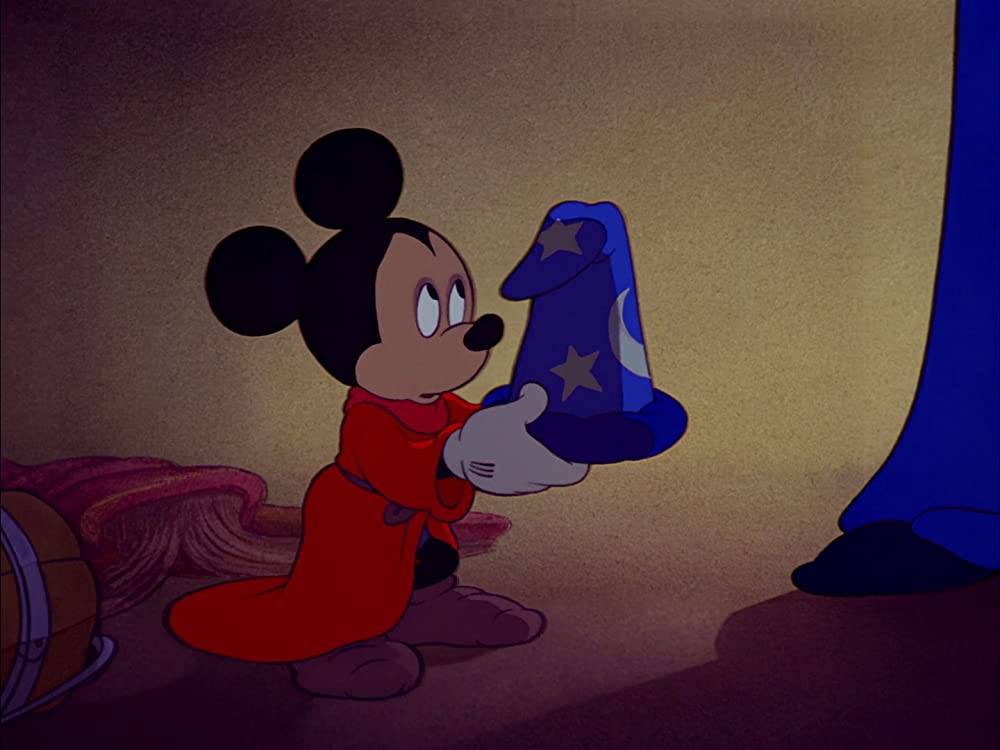
Mickey Mouse was only a decade old as production on “Fantasia” geared up but Disney wanted his look updated, Disney had an animator redesign the character and give him pupils in his eyes to give Mickey a greater range of expression. By the time this film was released, however, four Mickey Mouse shorts featuring his new design had been released.
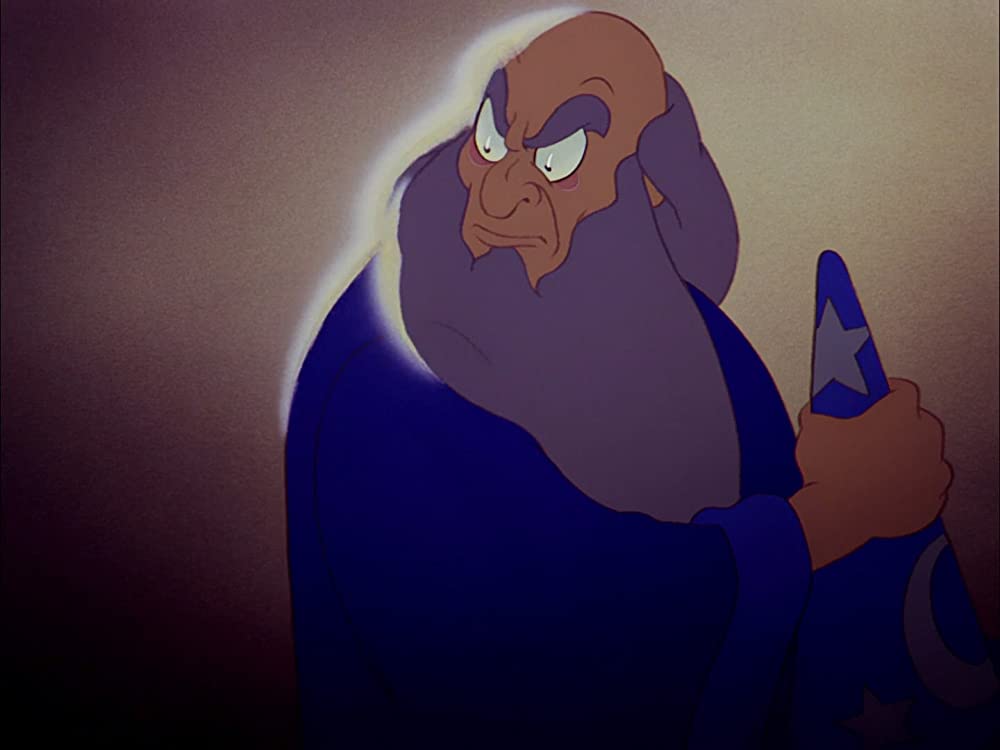
In what would become the ultimate Disney Studios in-house joke, animators modeled the sorcerer on Disney himself. In particular, they used Disney’s raised eyebrow and the glare he’d give staffers when he was displeased with something. Animators named the sorcerer Yen Sid, which is “Disney” backwards.
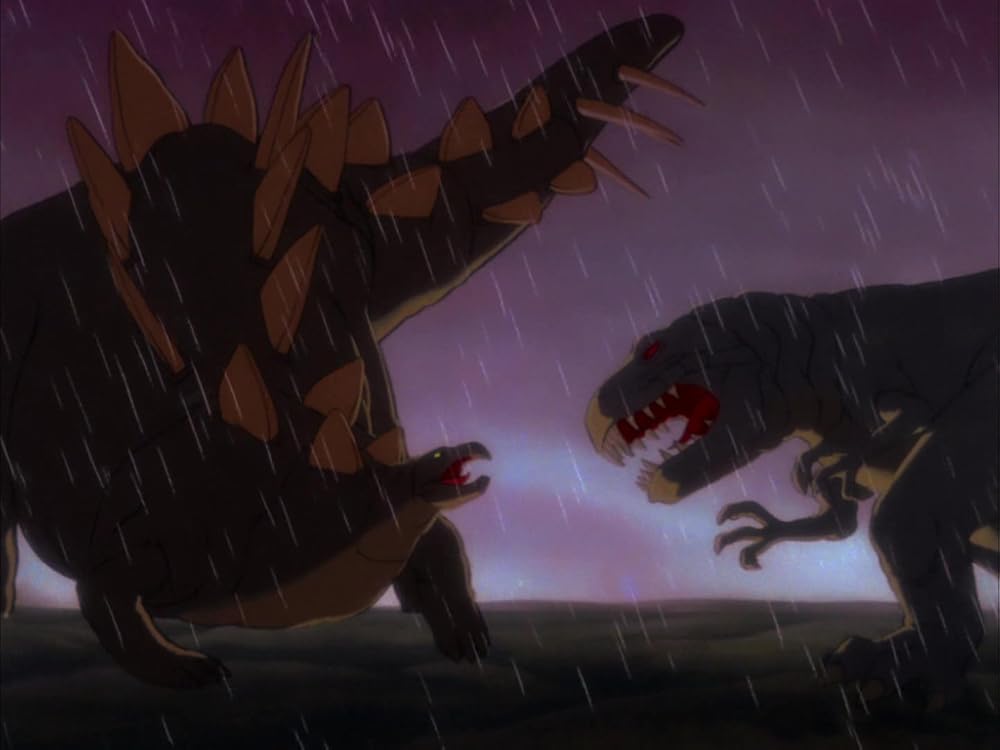
The dinosaurs depicted in the segment featuring “The Rite of Spring” by Igor Stravinsky are shown dying out from drought, which was a leading theory at the time. It would be decades before scientists adopted the asteroid theory. Disney loved this segment so much he had an animatronic diorama built for his Disneyland railroad.
In the first segment after an intermission, a group of centaurs primp and prance to Beethoven’s “The Pastoral Symphony.” The original scene featured barebreasted female centaurs, but censors had Disney add flower garlands to the characters. Two centaurs were drawn in a racially offensive way. Those have been removed in the years since.

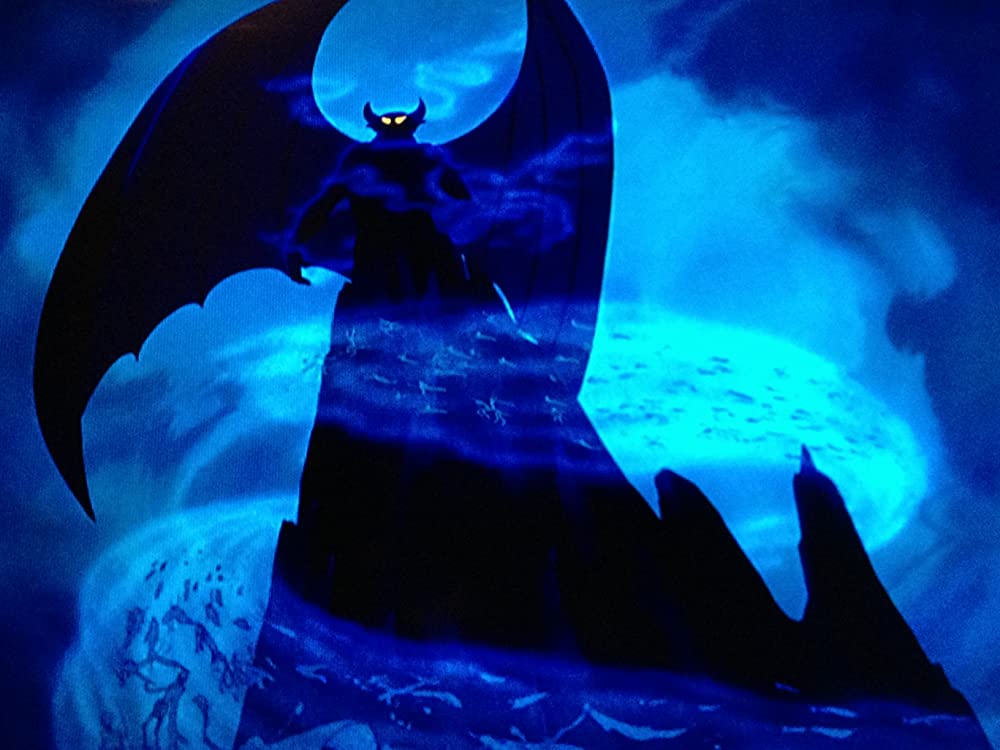
Parents complained bitterly about the movie’s closing segment, “Night on Bald Mountain” saying it scared their children. Actor Bela Lugosi was brought in to pose for animators creating the demon in that segment, Chernabog. When “Fantasia” was first released for home video, it was without this segment. It’s since been restored.
“Fantasia” ran in the Broadway Theatre for 57 weeks. It also played for eight weeks in Pittsburgh and San Francisco and for nine weeks in Cleveland. Disney had hoped for 88 copies of the film to distribute. RKO had only 16 made because of war shortages. In addition, Disney had hoped to show the film in Europe. But by the time “Fantasia” was released, Europe was at war.
By April 1941, the film had earned $1.3 million, but production costs — and especially the costs of outfitting studios with stereo speakers — had been too high. “Fantasia” didn’t begin to turn a profit until its rerelease in December 1969. Disney’s marketing played off the fact that youngsters found the film to be psychedelic.
“Fantasia” won two honorary Academy Awards in February 1942 — one for “outstanding contribution to the advancement of the use of sound in motion pictures” and one for Stokowski for his work on the film. Walt Disney originally wanted “Fantasia” rereleased time and time again, each time with new segments. Disney released a sequel, “Fantasia 2000,” in 1999.