
The U.S. Constitution specifies that every 10 years, census numbers will be used to reapportion the seats in the House of Representatives.
As the nation’s population grew, the number of seats in the house grew as well — until 1911. That’s when Congress passed the Apportionment Act, which capped the number of house seats at 435.
Here’s a look at how those seats have been divvied up over the past century or so:
How The Census Works To Allocate Representative Seats

The Constitution guarantees each state two senators but says that the makeup of the House of Representatives will be determined by population. This is why the Federal government holds a census every 10 years.
When the first Congress convened in 1789, there were only 65 House members. After the 1790 census, the Congress that met in 1793 found itself with 105 members — roughly one House member for each 34,436 constituents.
By 1863, the House had 241 members — one for every 122,614 constituents. By 1903, the House had grown to 386 members — one for every 193,167 constituents.
The Apportionment Act of 1911 aimed to bring the size of the House under control. It set the number of Representatives at 433, effective with the start of the 63rd Congress on March 4, 1913. But included in the legislation was a provison to add a new seat for Arizona and New Mexico, which Congress expected to become states in 1912. And they did. This brought the total number to 435.
A temporary exception to the Apportionment Act was made when Alaska and Hawaii were added as states in 1959. Each received one new seat, pushing the total up to 437. After the 1960 census and the 1962 midterm election, the number of seats reverted to 435 again, where it’s been ever since.
Normally, reapportionment data is released in December of the year it is gathered. This time around, however, the Cenus process was delayed by the pandemic. Congress released its reapportionment plan in April.
Texas will gain two House seats while Illinois and Pennsylvania will lose seats for the fifth consecutive census. California will lose a seat for the first time in its history — but it’ll still have more House seats than any other state: 52.
To be determined at the state level: How House districts will be redrawn. A number of states — Texas, Florida, Georgia and North Carolina — have drawn attention from the courts over the years for “gerrymandering”: drawing their districts in ways that affect the partisan makeup of their House delegations.
State Voter Allocation Since The 1910s
- Green
- Years when a state's votes increased
- Orange
- Years when a state's votes decreased
| State | 1910 | 1920 | 1930 | 1940 | 1950 | 1960 | 1970 | 1980 | 1990 | 2000 | 2010 | 2020 |
|---|---|---|---|---|---|---|---|---|---|---|---|---|
| Alabama | 10 | 10 | 9 | 9 | 9 | 8 | 7 | 7 | 7 | 7 | 7 | 7 |
| Alaska | 0 | 0 | 0 | 0 | 0 | 1 | 1 | 1 | 1 | 1 | 1 | 1 |
| Arizona | 0 | 1 | 1 | 2 | 2 | 3 | 4 | 5 | 6 | 8 | 9 | 0 |
| Arkansas | 7 | 7 | 7 | 7 | 6 | 4 | 4 | 4 | 4 | 4 | 4 | 4 |
| California | 11 | 11 | 20 | 23 | 30 | 38 | 43 | 45 | 52 | 53 | 53 | 52 |
| Colorado | 4 | 4 | 4 | 4 | 4 | 4 | 5 | 6 | 6 | 7 | 7 | 8 |
| Connecticut | 5 | 5 | 6 | 6 | 6 | 6 | 6 | 6 | 6 | 5 | 5 | 5 |
| Delaware | 1 | 1 | 1 | 1 | 1 | 1 | 1 | 1 | 1 | 1 | 1 | 1 |
| Florida | 4 | 4 | 5 | 6 | 8 | 12 | 15 | 19 | 23 | 25 | 27 | 28 |
| Georgia | 12 | 12 | 10 | 10 | 10 | 10 | 10 | 10 | 11 | 13 | 14 | 14 |
| Hawaii | 0 | 0 | 0 | 0 | 0 | 2 | 2 | 2 | 2 | 2 | 2 | 2 |
| Idaho | 2 | 2 | 2 | 2 | 2 | 2 | 2 | 2 | 2 | 2 | 2 | 2 |
| Illinois | 27 | 27 | 27 | 26 | 25 | 25 | 24 | 22 | 20 | 19 | 18 | 17 |
| Indiana | 13 | 13 | 12 | 11 | 11 | 11 | 11 | 10 | 10 | 9 | 9 | 9 |
| Iowa | 11 | 11 | 9 | 8 | 8 | 7 | 6 | 6 | 5 | 5 | 4 | 4 |
| Kansas | 8 | 8 | 7 | 6 | 6 | 5 | 5 | 5 | 4 | 4 | 4 | 4 |
| Kentucky | 11 | 11 | 9 | 9 | 8 | 7 | 7 | 7 | 6 | 6 | 6 | 6 |
| Louisiana | 8 | 8 | 8 | 8 | 8 | 8 | 8 | 8 | 7 | 7 | 6 | 6 |
| Maine | 4 | 4 | 3 | 3 | 3 | 2 | 2 | 2 | 2 | 2 | 2 | 2 |
| Maryland | 6 | 6 | 6 | 6 | 7 | 8 | 8 | 8 | 8 | 8 | 8 | 8 |
| Mass. | 16 | 16 | 15 | 14 | 14 | 12 | 12 | 11 | 10 | 10 | 9 | 9 |
| Michigan | 13 | 13 | 17 | 17 | 18 | 19 | 19 | 18 | 16 | 15 | 14 | 13 |
| Minnesota | 10 | 10 | 9 | 9 | 9 | 9 | 8 | 8 | 8 | 8 | 8 | 8 |
| Mississippi | 8 | 8 | 7 | 7 | 6 | 5 | 5 | 5 | 5 | 4 | 4 | 4 |
| Missouri | 16 | 16 | 13 | 13 | 11 | 10 | 10 | 9 | 9 | 9 | 8 | 8 |
| Montana | 2 | 2 | 2 | 2 | 2 | 2 | 2 | 2 | 1 | 1 | 1 | 2 |
| Nebraska | 6 | 6 | 5 | 4 | 4 | 3 | 3 | 3 | 3 | 3 | 3 | 3 |
| Nevada | 1 | 1 | 1 | 1 | 1 | 1 | 1 | 2 | 2 | 3 | 4 | 4 |
| New Hampshire | 2 | 2 | 2 | 2 | 2 | 2 | 2 | 2 | 2 | 2 | 2 | 2 |
| New Jersey | 12 | 12 | 14 | 14 | 14 | 15 | 15 | 14 | 13 | 13 | 12 | 12 |
| New Mexico | 0 | 1 | 1 | 2 | 2 | 2 | 2 | 3 | 3 | 3 | 3 | 3 |
| New York | 43 | 43 | 45 | 45 | 43 | 41 | 39 | 34 | 31 | 29 | 27 | 26 |
| N. Carolina | 10 | 10 | 11 | 12 | 12 | 11 | 11 | 11 | 12 | 13 | 13 | 14 |
| N. Dakota | 3 | 3 | 2 | 2 | 2 | 2 | 1 | 1 | 1 | 1 | 1 | 1 |
| Ohio | 22 | 22 | 24 | 23 | 23 | 24 | 23 | 21 | 19 | 18 | 16 | 15 |
| Oklahoma | 8 | 8 | 9 | 8 | 6 | 6 | 6 | 6 | 6 | 5 | 5 | 5 |
| Oregon | 3 | 3 | 3 | 4 | 4 | 4 | 4 | 5 | 5 | 5 | 5 | 6 |
| Pennsylvania | 36 | 36 | 34 | 33 | 30 | 27 | 25 | 23 | 21 | 19 | 18 | 17 |
| Rhode Island | 3 | 3 | 2 | 2 | 2 | 2 | 2 | 2 | 2 | 2 | 2 | 2 |
| S. Carolina | 7 | 7 | 6 | 6 | 6 | 6 | 6 | 6 | 6 | 6 | 7 | 7 |
| S. Dakota | 3 | 3 | 2 | 2 | 2 | 2 | 2 | 1 | 1 | 1 | 1 | 1 |
| Tennessee | 10 | 10 | 9 | 10 | 9 | 9 | 8 | 9 | 9 | 9 | 9 | 9 |
| Texas | 18 | 18 | 21 | 21 | 22 | 23 | 24 | 27 | 30 | 32 | 36 | 38 |
| Utah | 2 | 2 | 2 | 2 | 2 | 2 | 2 | 3 | 3 | 3 | 4 | 4 |
| Vermont | 2 | 2 | 1 | 1 | 1 | 1 | 1 | 1 | 1 | 1 | 1 | 1 |
| Virginia | 10 | 10 | 9 | 9 | 10 | 10 | 10 | 10 | 11 | 11 | 11 | 11 |
| Washington | 5 | 5 | 6 | 6 | 7 | 7 | 7 | 8 | 9 | 9 | 10 | 10 |
| West Virginia | 6 | 6 | 6 | 6 | 6 | 5 | 4 | 4 | 3 | 3 | 3 | 2 |
| Wisconsin | 11 | 11 | 10 | 10 | 10 | 10 | 9 | 9 | 9 | 8 | 8 | 8 |
| Wyoming | 1 | 1 | 1 | 1 | 1 | 1 | 1 | 1 | 1 | 1 | 1 | 1 |
Net Change In House Seats
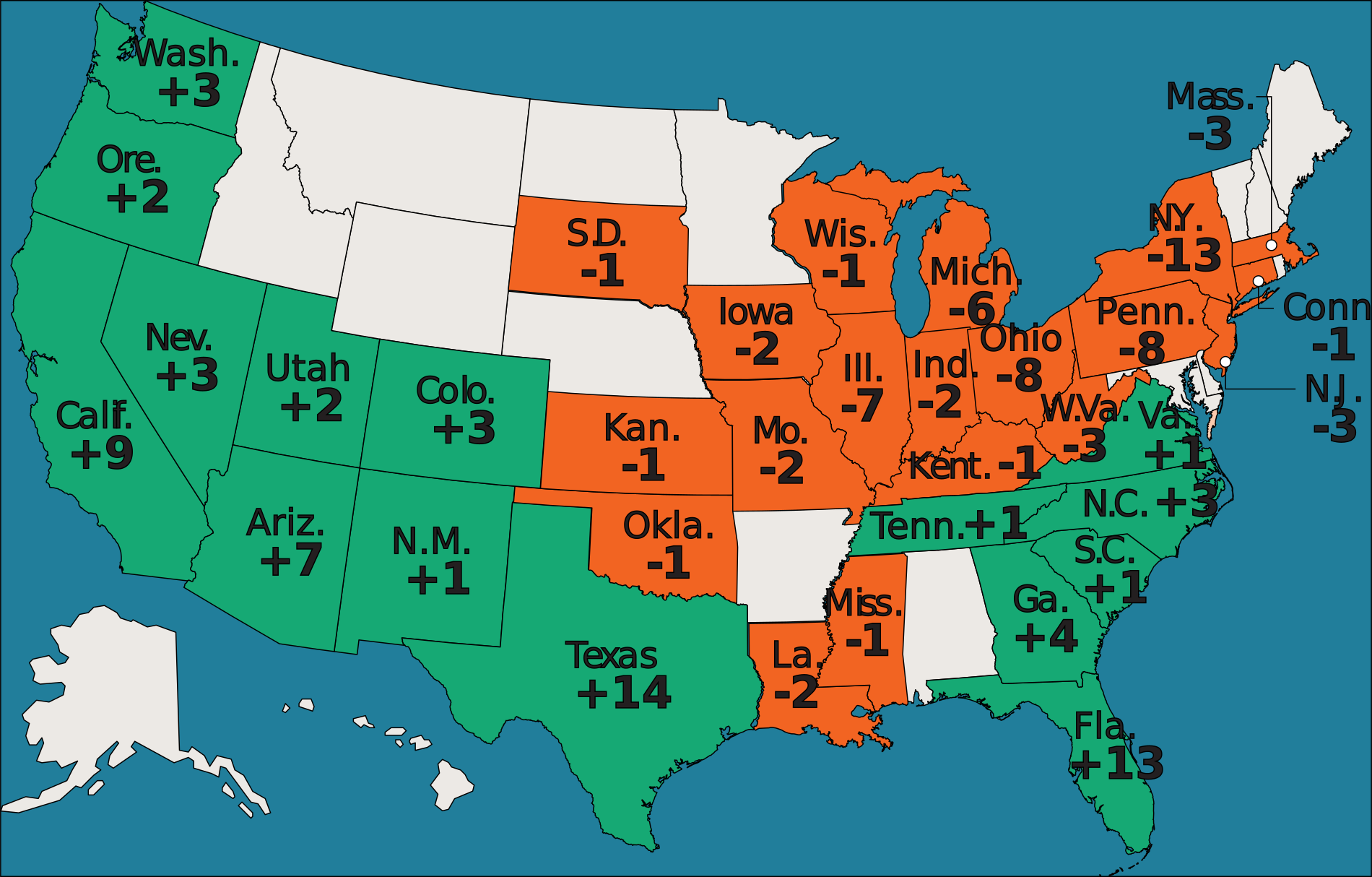
1970-2020: In the 50 years between the 1970 and 2020 censuses, states in the West and Southeast gained a significant number of House seats, while many in the Midwest and the Rust Belt lost them.
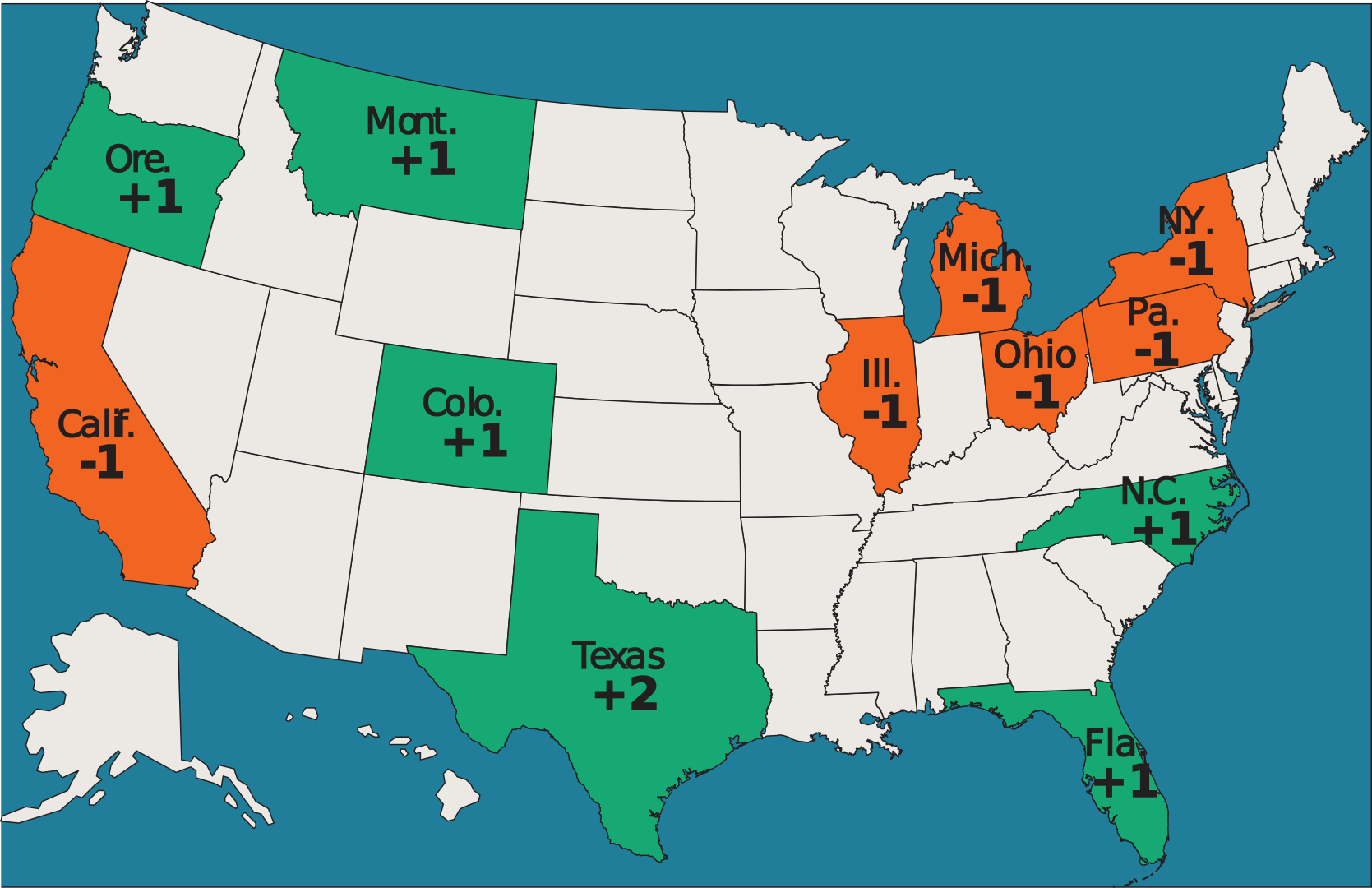
2010-2020: The last ten years have seen minor changes, in a more geographically diverse array of states.