Lost in Space
The mid 1970s were dark ages for filmed science fiction. “Star Trek” was long gone and so was its Saturday morning animated stepchild. And “Star Wars” was still being dreamed up.
Movie and TV producers weren’t sure what kind of audiences science fiction projects might attract. What they did know: science fiction could be expensive to produce.
It was into this strange universe that a husband-wife team who had created science-fiction marionette programs for children stepped. Their TV show “Space: 1999” debuted Sept. 4, 1975 — a half-century ago next Thursday.
Gerry And Sylvia Anderson
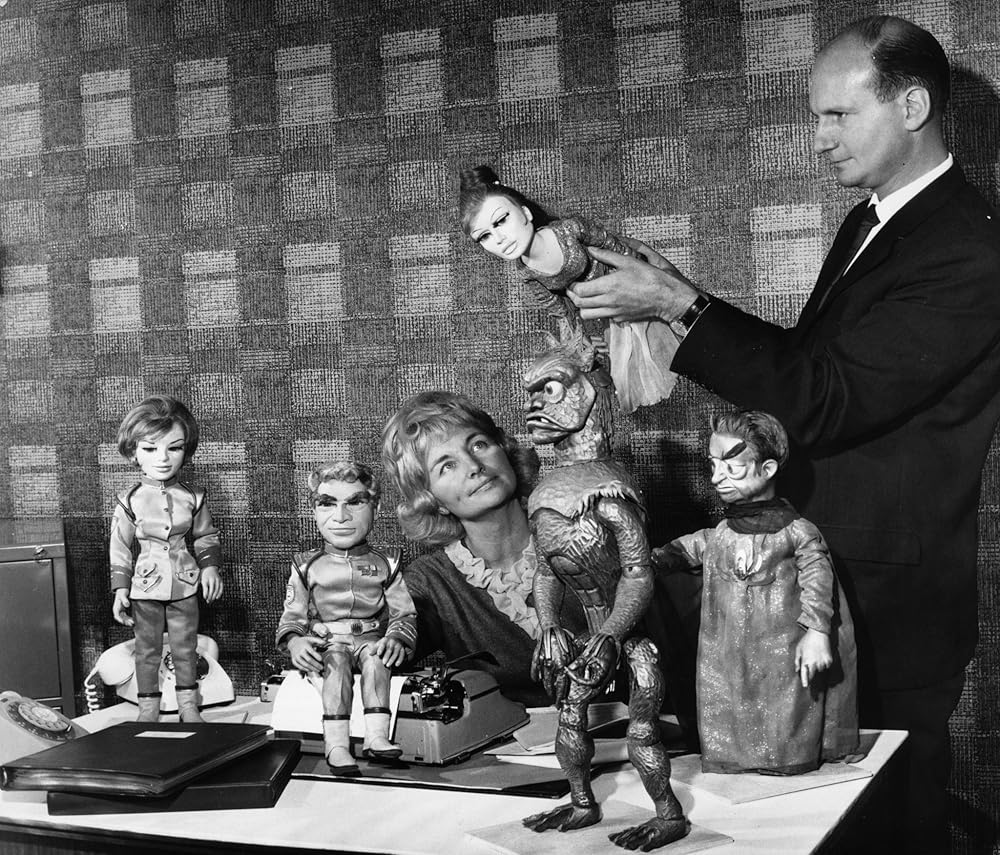
Gerry Anderson was a British producer of children’s television that utilized “supermarionation” — basically, puppets that used electronic moving parts that could better simulate facial expressions and moving lips.
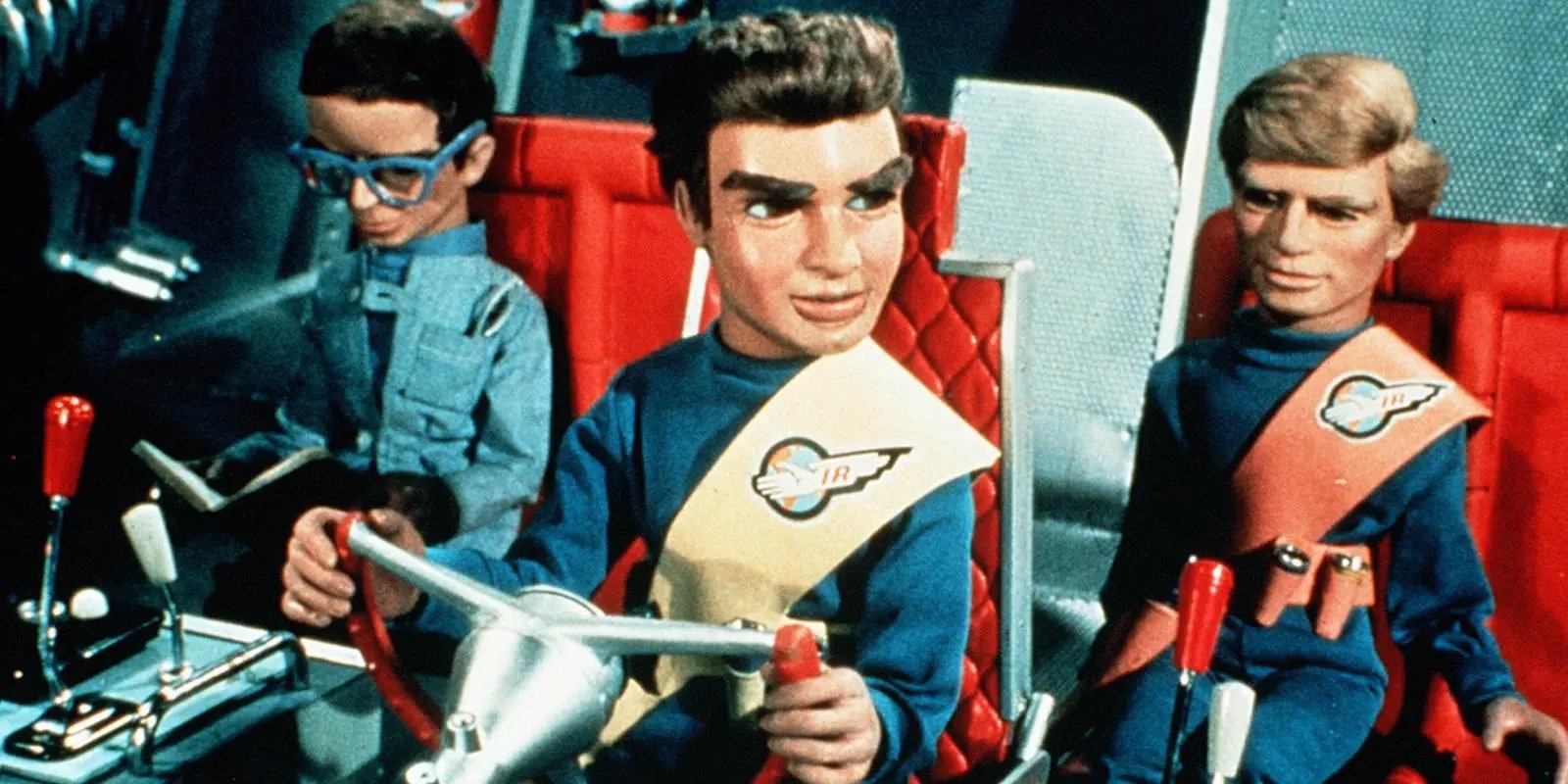
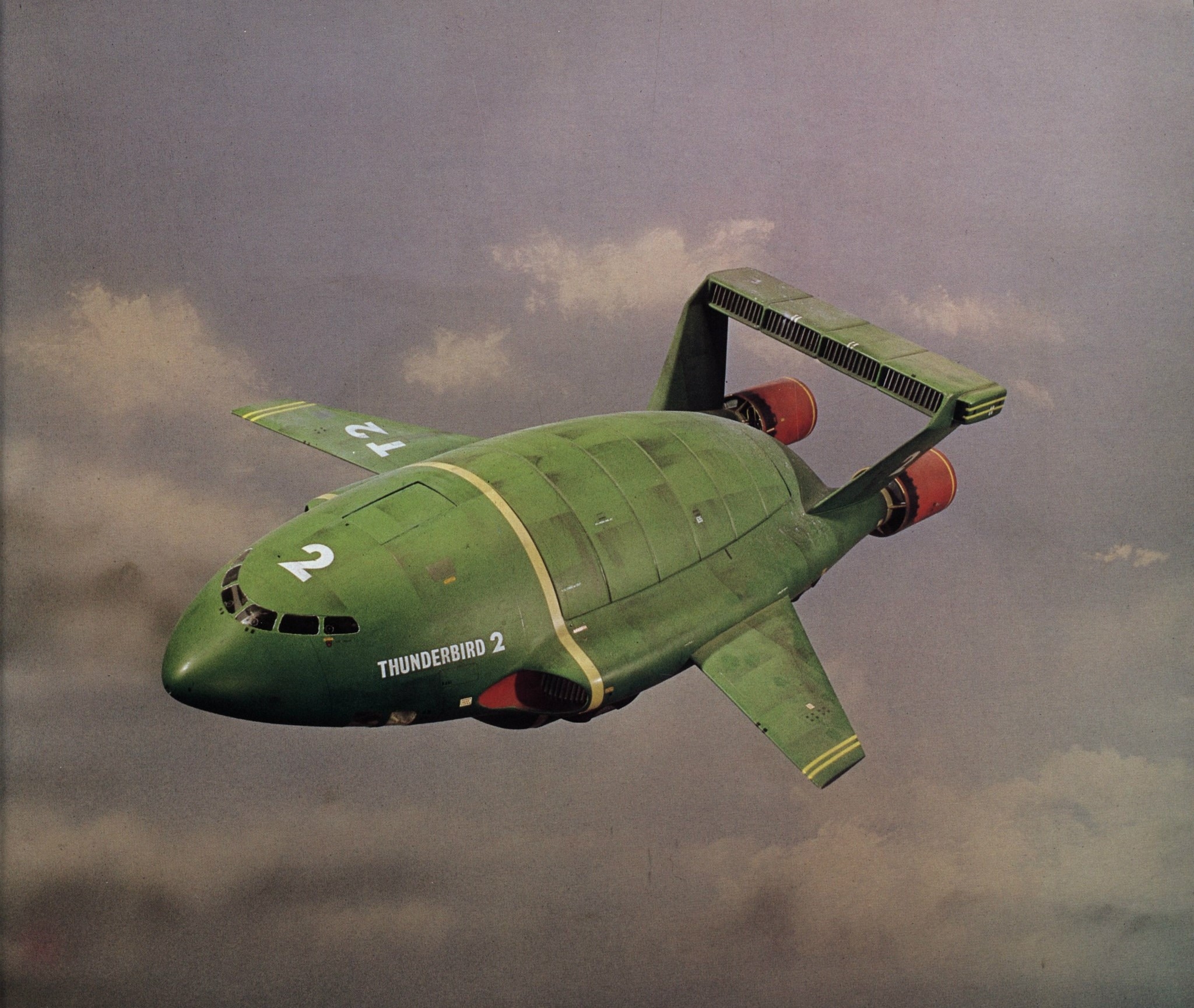
He married a colleague, Sylvia, in 1960. Together they created classic science fiction-themed children’s shows “Fireball XL5,” “Thunderbirds,” “Captain Scarlet and the Mysterons” and others.
In 1969, Lew Grade, head of Britain’s ITC Entertainment, suggested the Andersons take a dive into live-action television aimed at adult audiences. His argument was that the Stanley Kubrick movie “2001: A Space Odyssey” showed the genre had life.
First, There Was UFO
The premise of “UFO,” the Andersons’ first live-action program was that in the 1980s, Earth has found itself visited by aliens who are interested in harvesting parts from human bodies.
In order to combat this, a top-secret — and extremely well-funded — international organization called SHADO provides several lines of defense against the mysterious intruders.
“UFO” debuted on ITV in September 1970 but ran for only one season of 26 episodes. Two years later, “UFO” was syndicated in the United States where CBS affiliates in New York and Los Angeles used it as a lead-in for the network’s popular Saturday night lineup.
Still, there was confusion over just who was the show’s target audience. The stories clearly had an adult focus. But the time slots in which “UFO” was usually found and the Andersons’ background in children’s television caused both U.S. and British audiences to wonder.
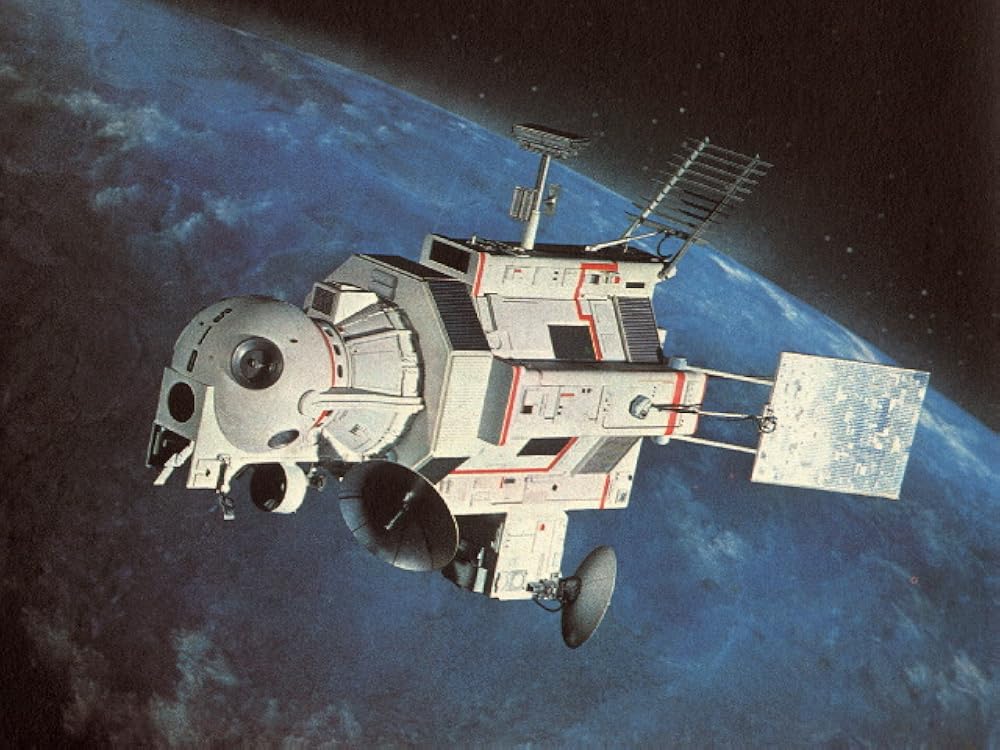
“UFO” continued the Andersons’ use of models of technologically-advanced vehicles. Featured in the show were cars with gull-wing doors, a submarine that ejected a jet fighter and SID, above, an orbiting detection robot.
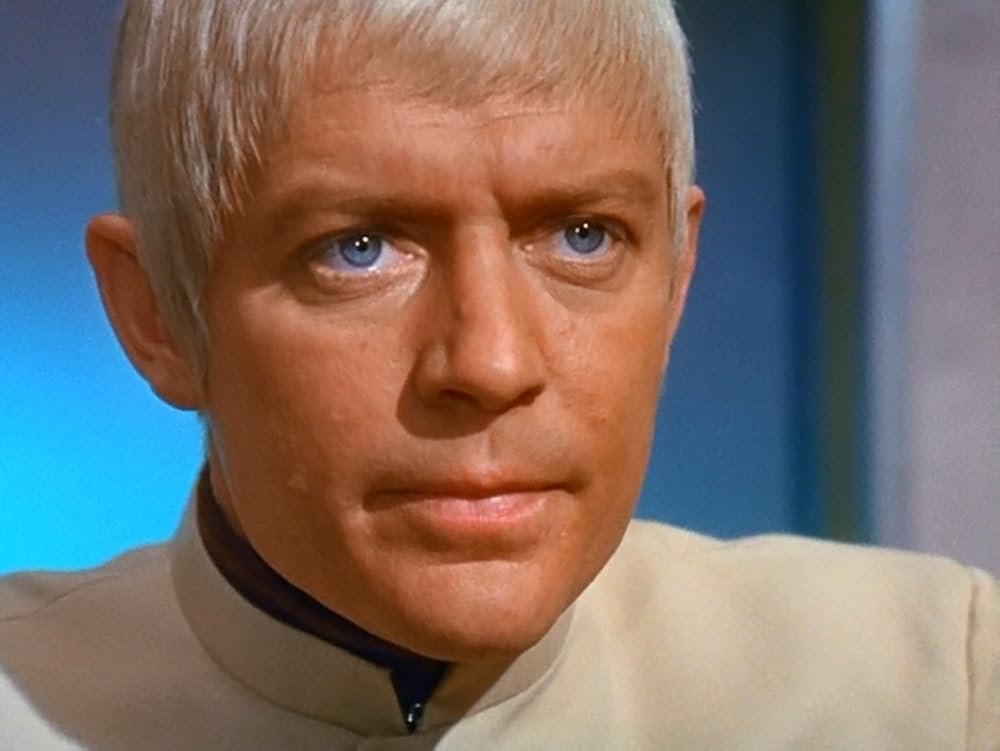
Leading SHADO was Ed Straker, who ran a movie studio that was an elaborate cover for the secret organization. Straker was played by Ed Bishop, who had a small role in “2001: A Space Odyssey.”

One of SHADO’s many facilities was a base on the moon, where a small crew lived and worked to detect incoming UFOs and could intercept them with missile-bearing spacecraft hidden in hangars buried in moon craters.
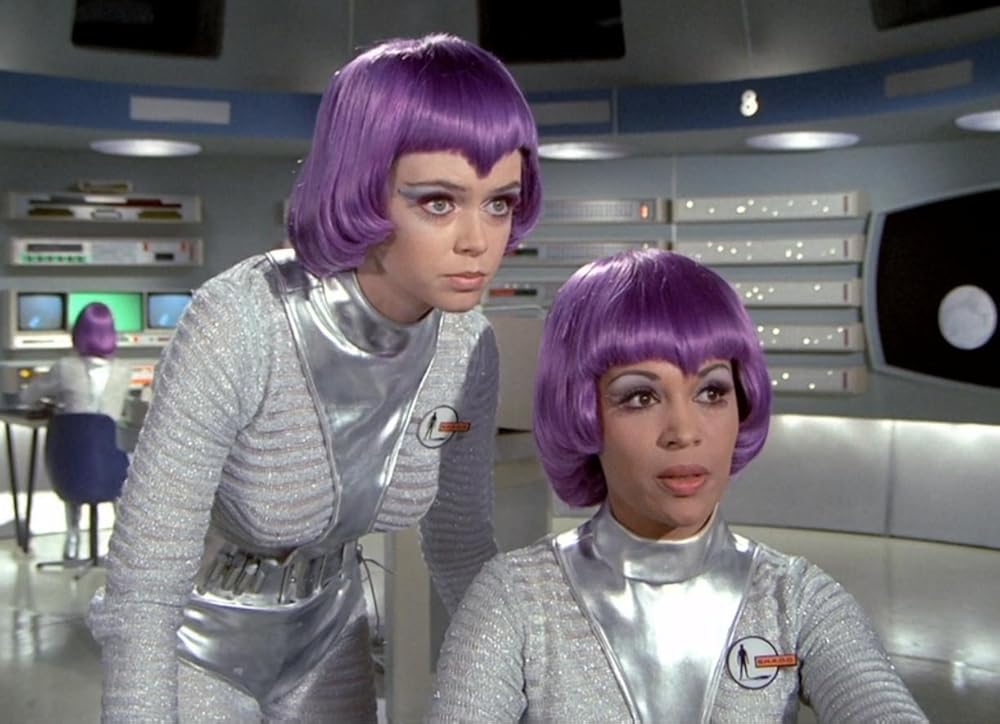
For reasons that were never explained on the show, the non-pilot residents of the moonbase were all females. And they all wore tight-fitting silver outfits, purple wigs and elaborate makeup. The male pilots did not.
...and Then - Space: 1999
The moon episodes of “UFO” had been very popular, so the Andersons made plans for a second season in which the moonbase and its crew had been enlarged. “UFO” was canceled, but a year later, Grade again approached the Andersons for another live-action series — one to be set in a moonbase, with no episodes at all set on Earth.
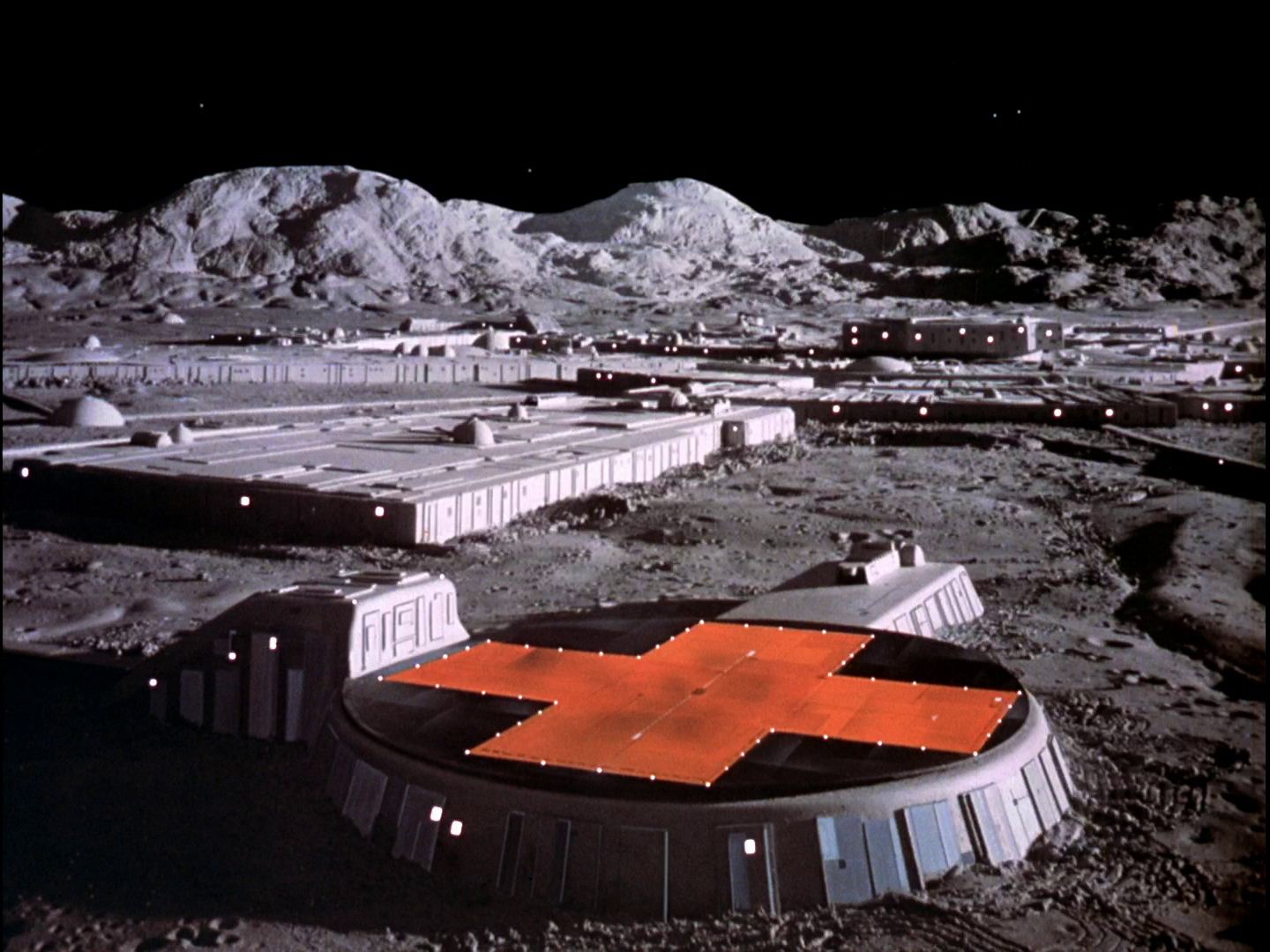
“Space: 1999” was set nearly 20 years after “UFO.” Earth had solved its energy issues by increasing use of nuclear power. Nuclear waste was buried on the far side of the moon, not far from an enormous science moon base. But magnetic radiation from an unknown sources causes the waste to explode, knocking the moon out of Earth’s orbit.
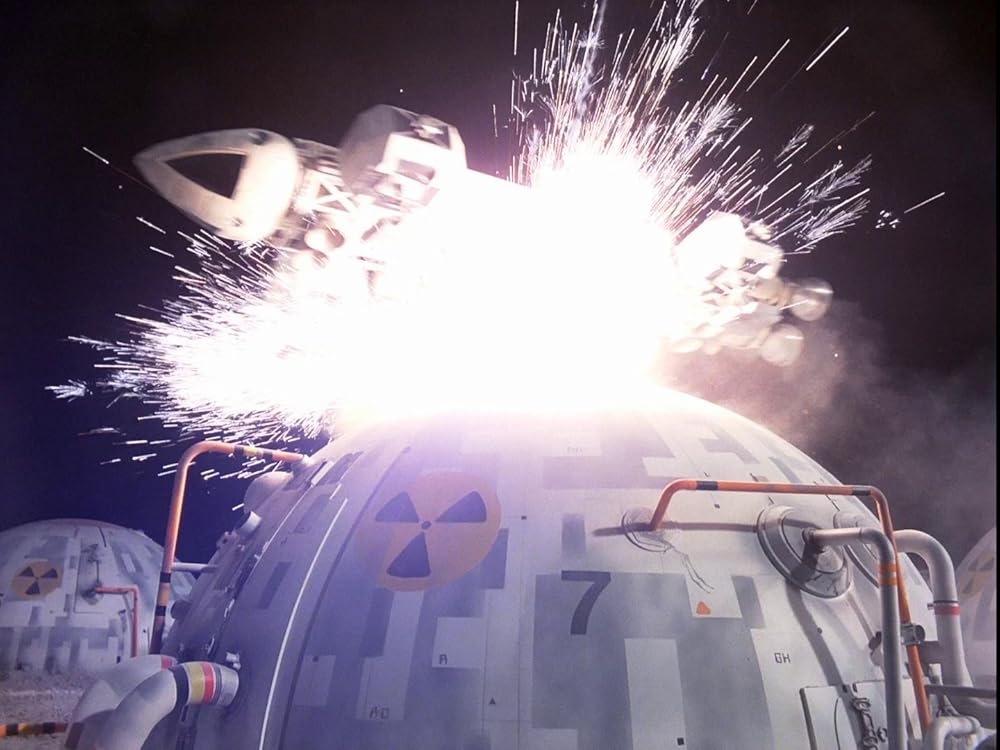
In hopes of courting U.S. customers, Grade and Gerry hired American actors Martin Landau and Barbara Bain — who were married and previously starred in “Mission Impossible” — to star in the show. Syvia strongly disagreed, wanting British actors. If they had to go American, she said she would have preferred Robert Culp and Katharine Ross.
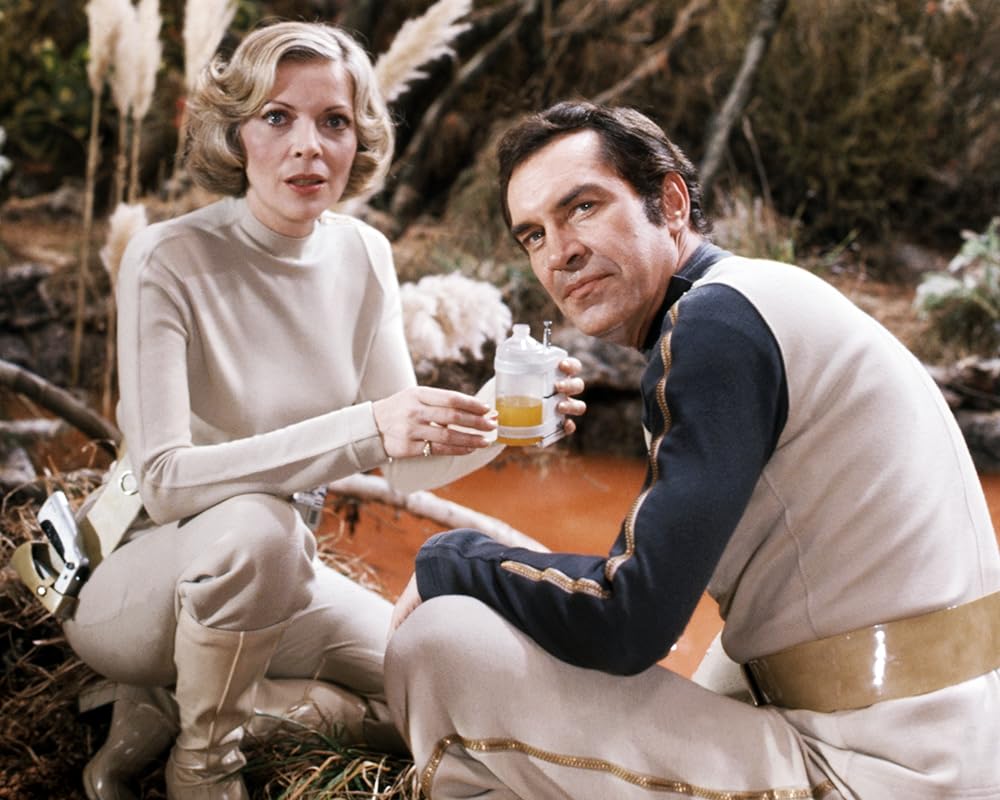
British actor Barry Morse signed on because he wanted to work with Landau and Bain. But as work progressed on the series, he grew disappointed in the emphasis on visuals, as opposed to scripts and became vocal about his concerns. After the first season, Gerry cut his salary. Morse didn’t return for Season 2.
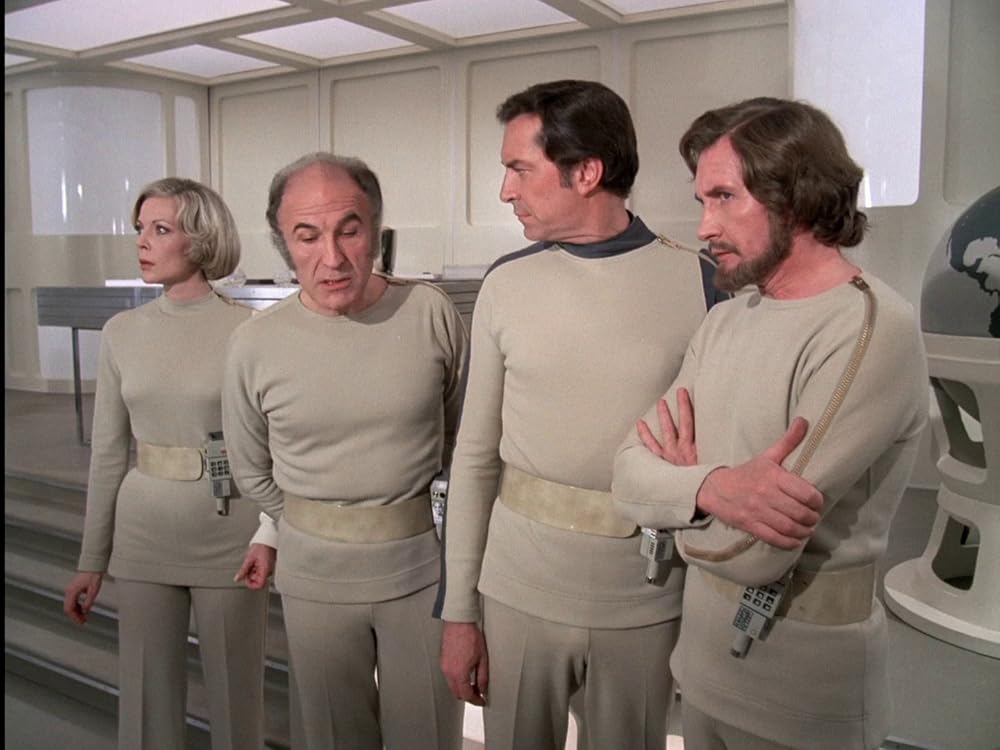
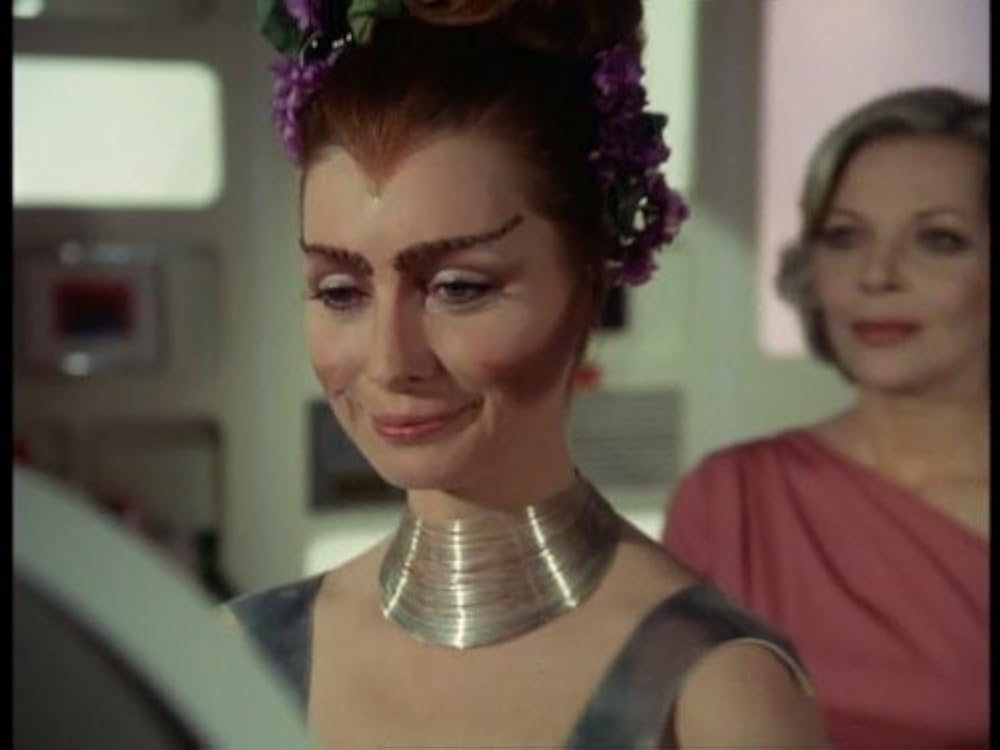
In an attempt to appeal to “lighten up” the show, Morse’s character was replaced with an alien shape-shifter, played by Catherine Schell. In addition, Sylvia left the show in disgust and would divorce Gerry in 1980. “Space: 1999” would run for 48 episodes over two seasons. In the U.S., the series was shown in 155 local television markets.
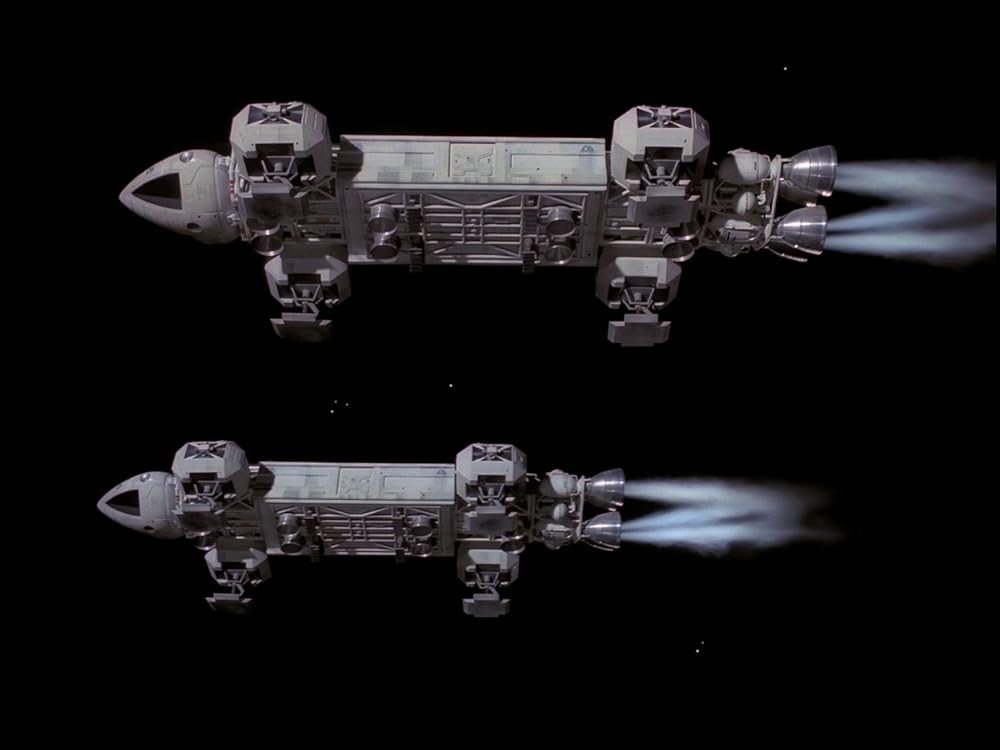
A modelmaker for “Space: 1999,” Tim Staffell, had previously been in a rock band but had left in 1970. He was replaced by Freddie Mercury, who renamed the band Queen. George Lucas — in pre-production for “Star Wars” — noticed the design of the Eagle space ships was similar to that of his own Millennium Falcon. He ordered the Falcon to be redesigned.