
'Don't Make A Bit Of Sense to Me': One Flew Over The Cuckoo's Nest
“One Flew Over the Cuckoo’s Next” is the story of a criminal who pleads insanity to avoid hard labor in prison. He’s sent to a mental institution. There, however, he finds himself leading a revolt against a nurse who tends to exploit her patients’ mental weaknesses.
The film, starring Jack Nicholson and Louise Fletcher, was released Nov. 19, 1975 — a half-century ago next Wednesday. It would win five Oscars, including Best Leading Actor and Actress, Best Director and Best Picture.
Seventeen Years From Writing To The Big Screen
Ken Kesey spent several years in the late 1950s working the night shift as an orderly at a mental health facility for veterans in Menlo Park, California. He was shocked by what he saw there — more on the part of caregivers than on the part of the patients, using the mental ward as an object of oppression — and began compiling a novel that included some of his observations.
The novel created an immediate sensation when it was published in 1962. Both Kirk Douglas and Jack Nicholson were interested in buying the rights to Kesey’s novel, but Douglas won out. Douglas hired a playwright to adapt the novel for Broadway and starred in the result, which ran for 82 performances. His plan for a film version, however, stalled when a studio couldn’t be found that would back the project.
While on a State Department tour to Prague in 1969, Douglas met director Milos Forman and asked him to direct a film version. Forman, however, was not allowed to travel to the U.S. after the Soviet invasion of Czechoslovakia.
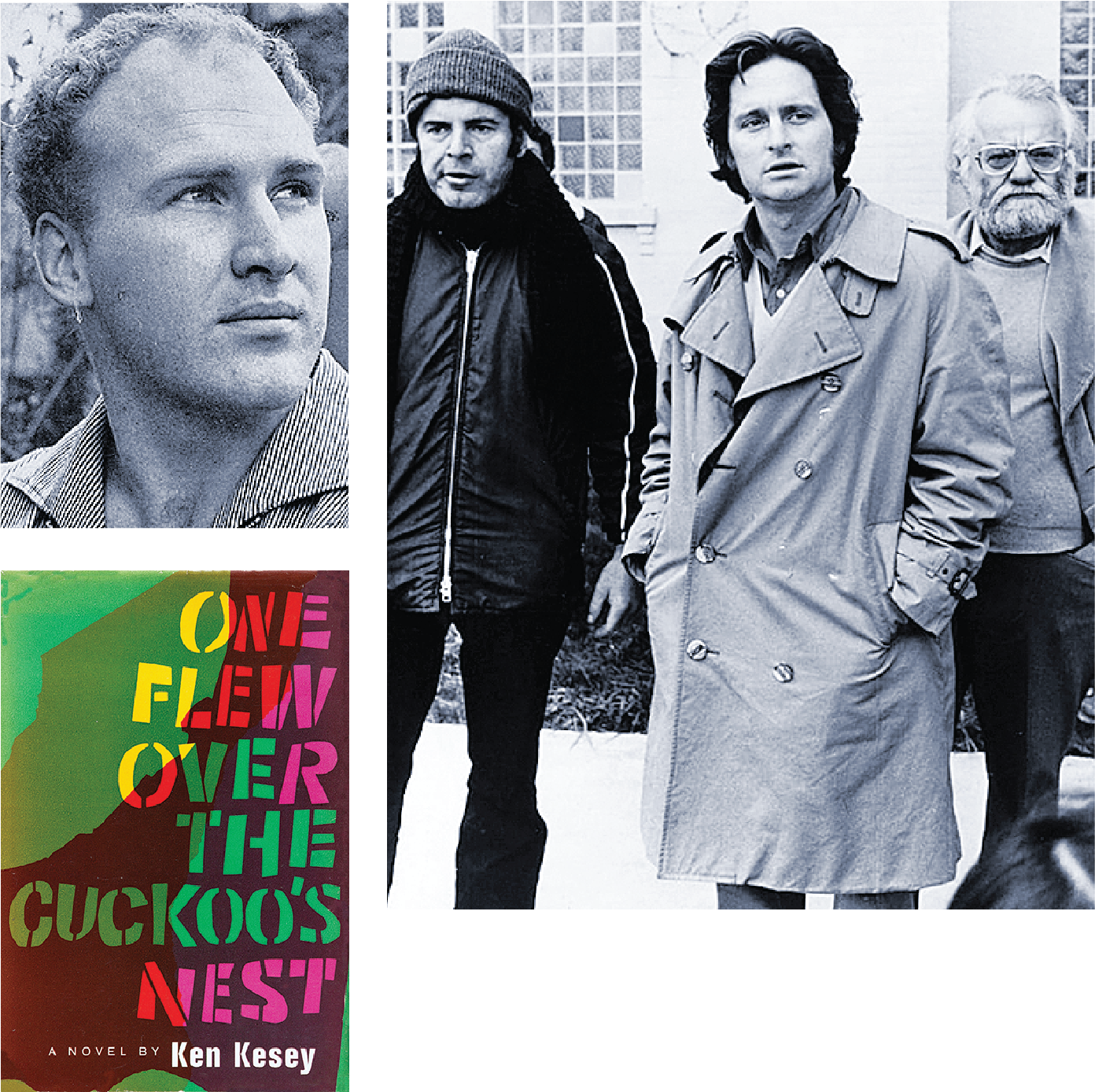
At left: Kesey and the first edition of his novel. At right: Director Milos Forman and producers Michael Douglas and Saul Zaentz.
In 1971, Kirk Douglas’ son, Michael, expressed interest in producing the film — especially with its parallels to the rise in student activism in protesting the Vietnam War. It took Michael two years to find a financial backer and co-producer: Saul Zaentz, owner of Fantasy Records, which had released music by Dave Brubeck, Lenny Bruce, Vince Guaraldi and Creedence Clearwater Revival.
Zaentz then hired Kesey to write a screenplay for his book but he and Michael Douglas were displeased with the results. They then brought in Lawrence Hauben and Bo Goldman to restructure the plot and Kesey’s narrative devices, much to Kesey’s displeasure. Kesey would later sue the production for making too many changes to his work.
The producers liked what they heard from Forman — the director went through the script, page by page, explaining how he’d handle each bit.
But he had issues as well: Acting on a complaint from the Screen Director’s guild, the Immigration Board nearly prevented Forman from working in the U.S. Directing colleagues Sidney Lumet, Paddy Chayefsky, Mike Nichols and Buck Henry successfully pleaded his case to let him work on the film.
Filmed In An Actual Mental Hospital
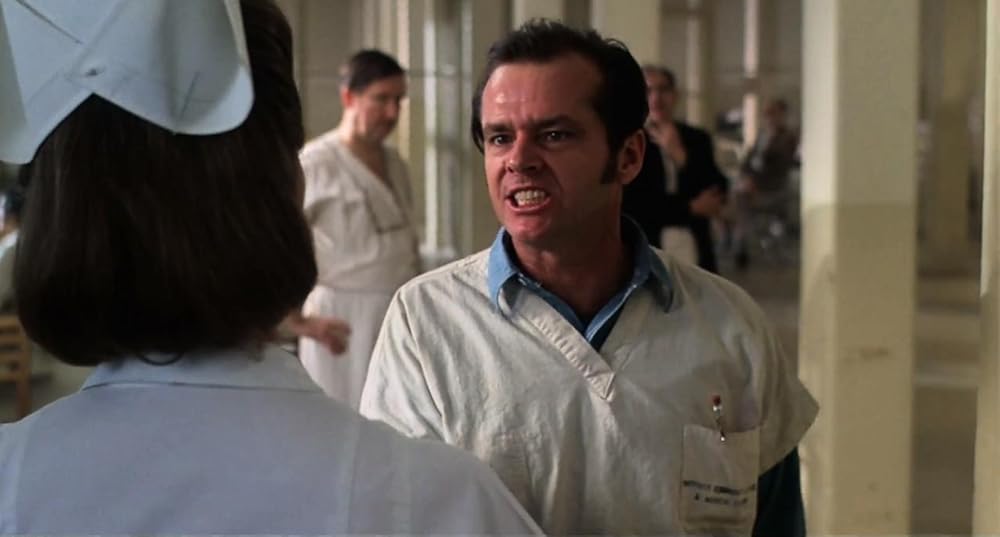
With Michael Douglas producing, Kirk wanted to star in the film, as well. Michael vetoed this, telling his father he was too old for the part. Michael and Zaentz considered Gene Hackman, James Caan, Marlon Brando and Burt Reynolds for the role of McMurphy before they settled on the guy who Kirk had outbid for the film rights 13 years before: Jack Nicholson.
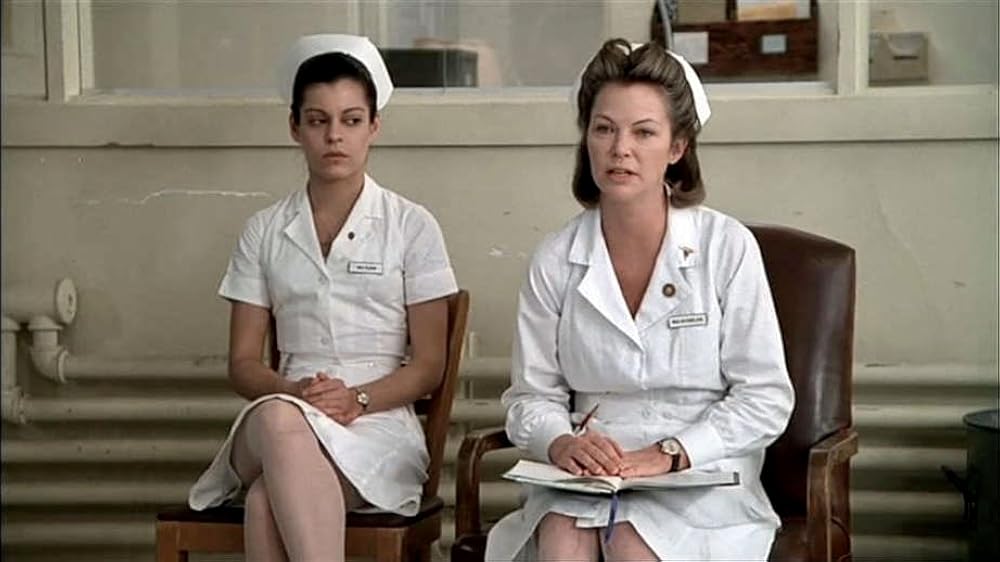
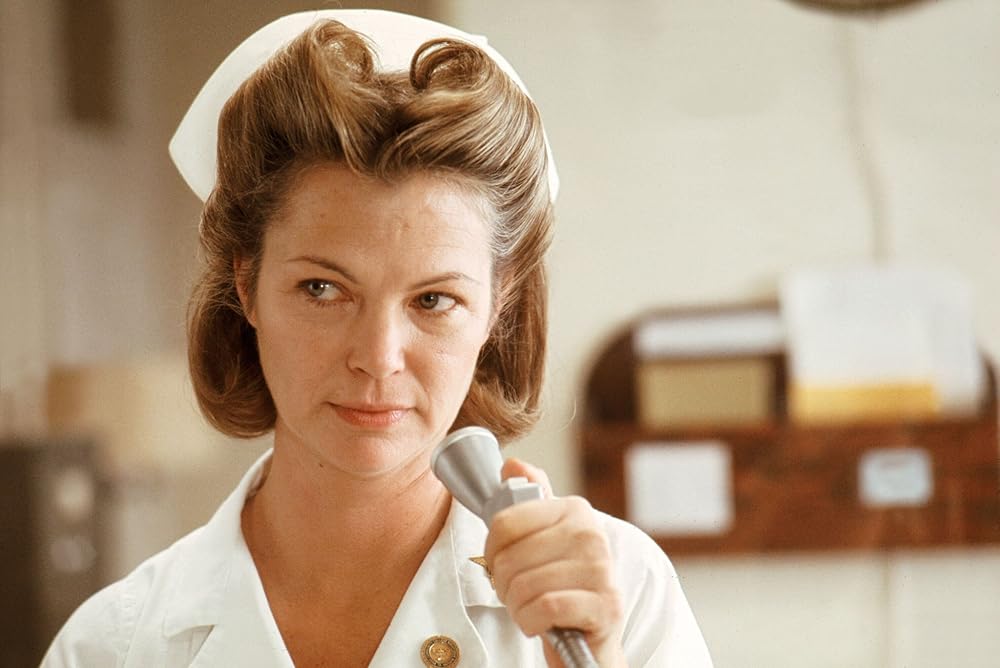
For Nurse Ratched, producers considered Jeanne Moreau, Angela Lansbury, Colleen Dewhurst, Geraldine Page, Ellen Burnstyn, Anne Bancroft, Jane Fonda and Louise Fletcher. They hired Lily Tomlin for the role and Fletcher prepared to star in Robert Altman’s “Nashville.” At the last minute, Tomlin and Fletcher swapped movies and roles.
The Chief was the narrator of Kesey’s novel, but Zaentz and Douglas had that removed and also toned down some of the language. Accusing them of making more changes than they were contractually allowed, Kesey sued for 5% of the gross plus $800,000. He later settled for 2.5% of the gross. Kesey complained about the movie until his death in 2001 at age 66.
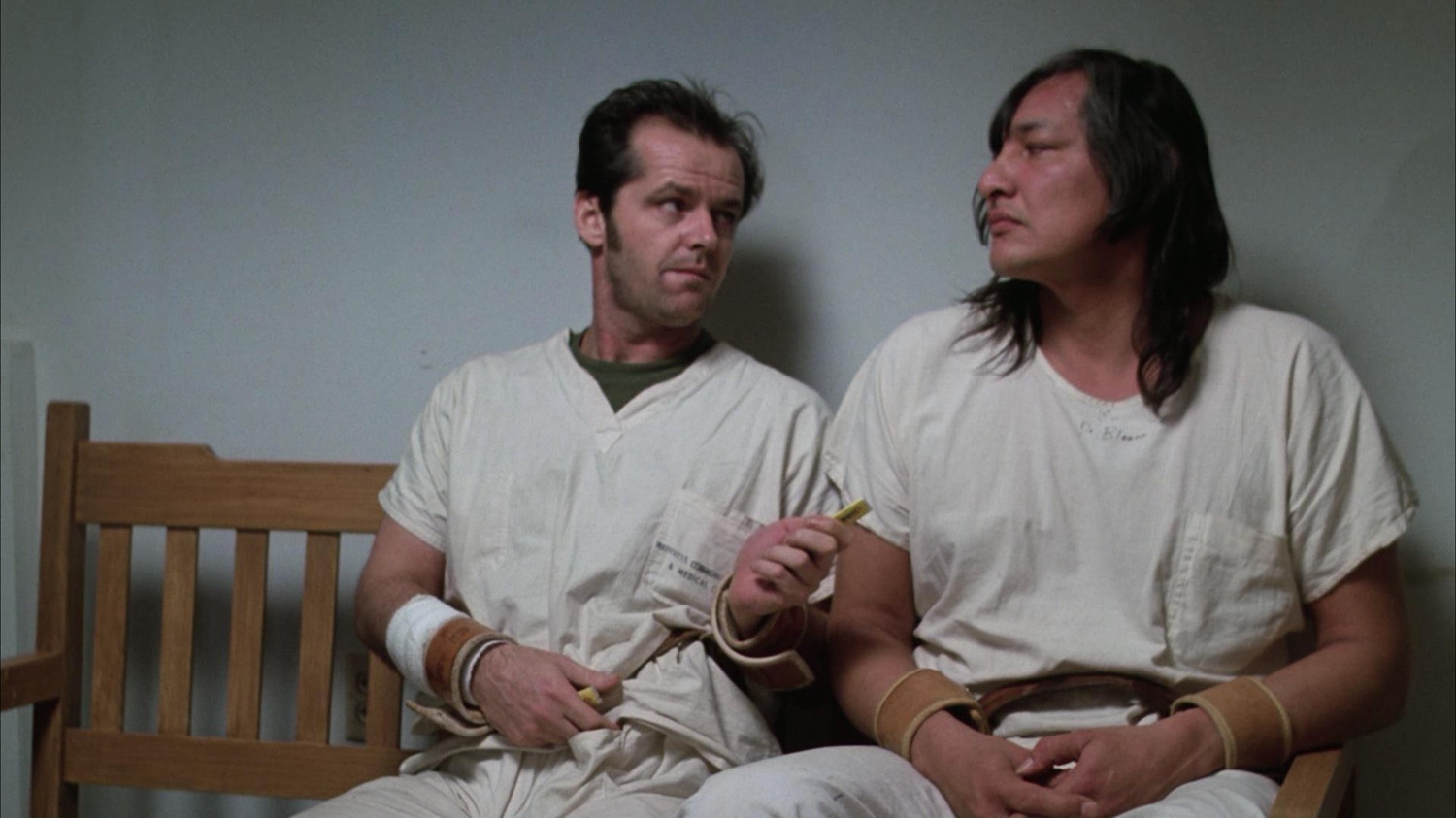
The movie was filmed in a real mental institution: the Oregon State Hospital in Salem. The facility’s superintendent, Dr. Dean R. Brooks, gave producers unlimited access to the building and allowed most of the actors to spend some of their nights there. Ninety-eight patients were hired as technical assistants or extras in background scenes.
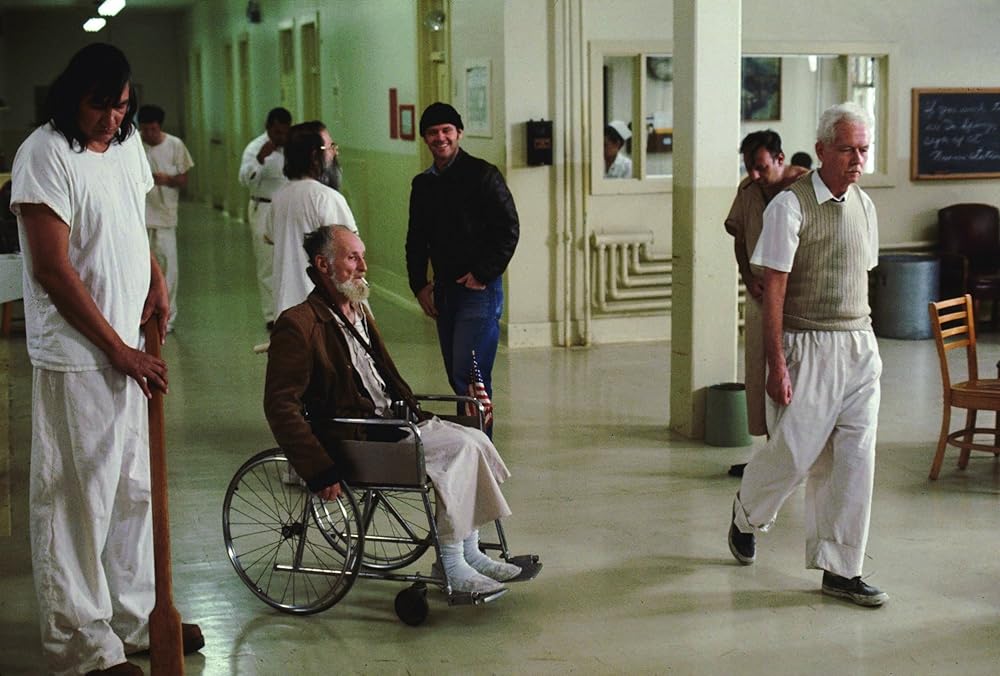
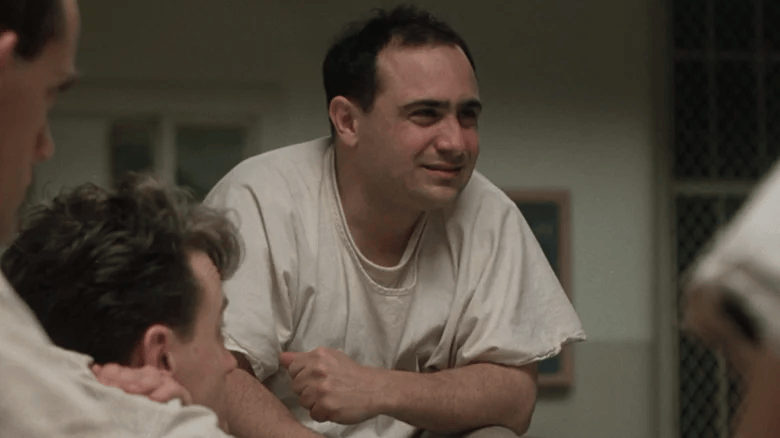
The first person cast in the film was Danny DeVito as the mental patient Martini. He had played that same role on stage. As time shooting in the hospital dragged on, a rattled DeVito fell into the habit of talking to an imaginary friend. He finally sought advice from Dr. Brooks, who assured him he was fine — as long as he identified his friend as fictional.
Over three months of production, Fletcher grew weary of the stern, joyless character she was playing. She had a set photographer take a picture of her topless, wearing nothing but silky black boxer shorts and a nurse’s cap and posing like Betty Grable. She autographed copies of the photo and gave them out to her co-stars on the last day of filming.
Winners of All Five Major Oscars
