The End of Smallpox
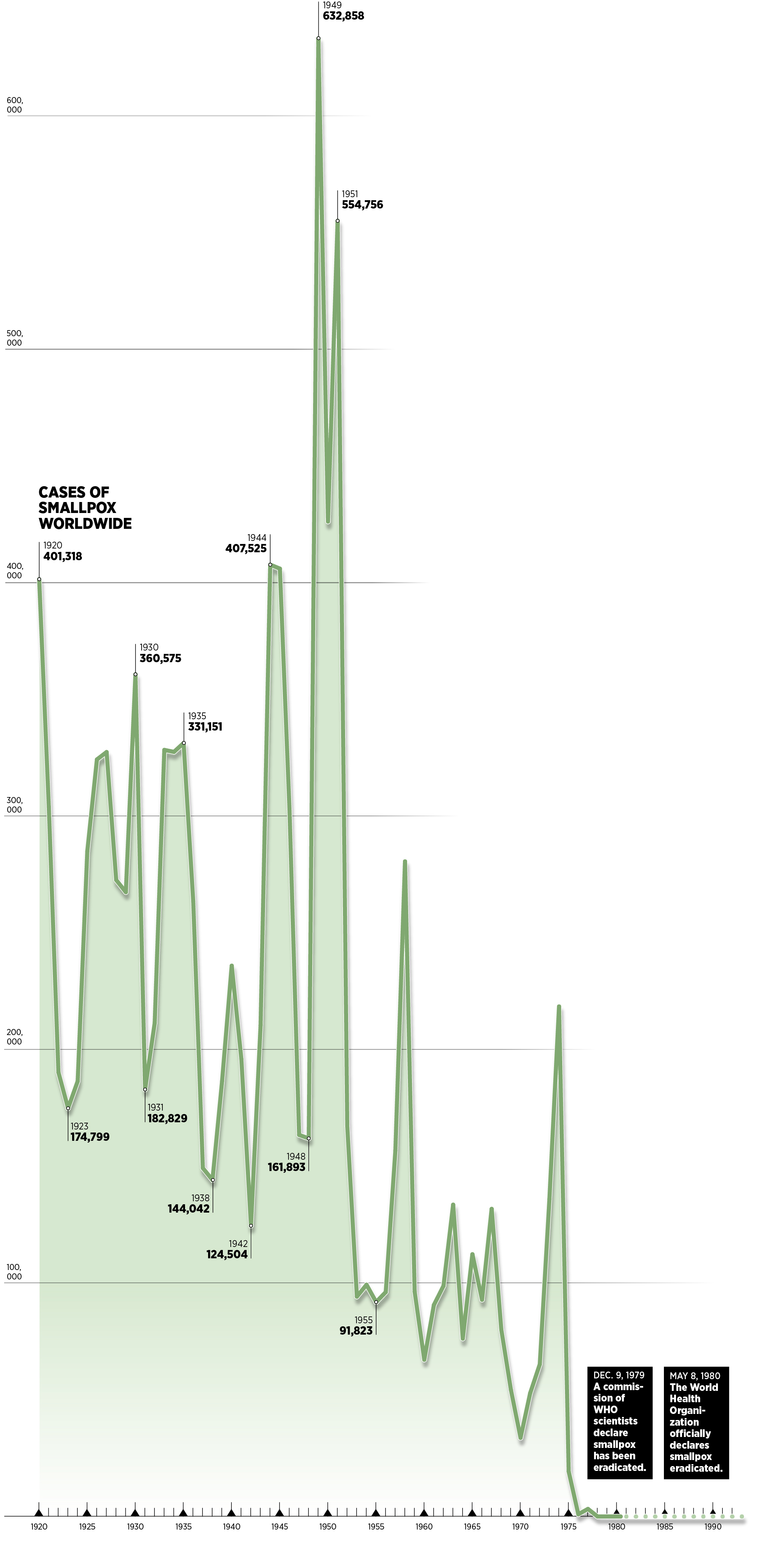
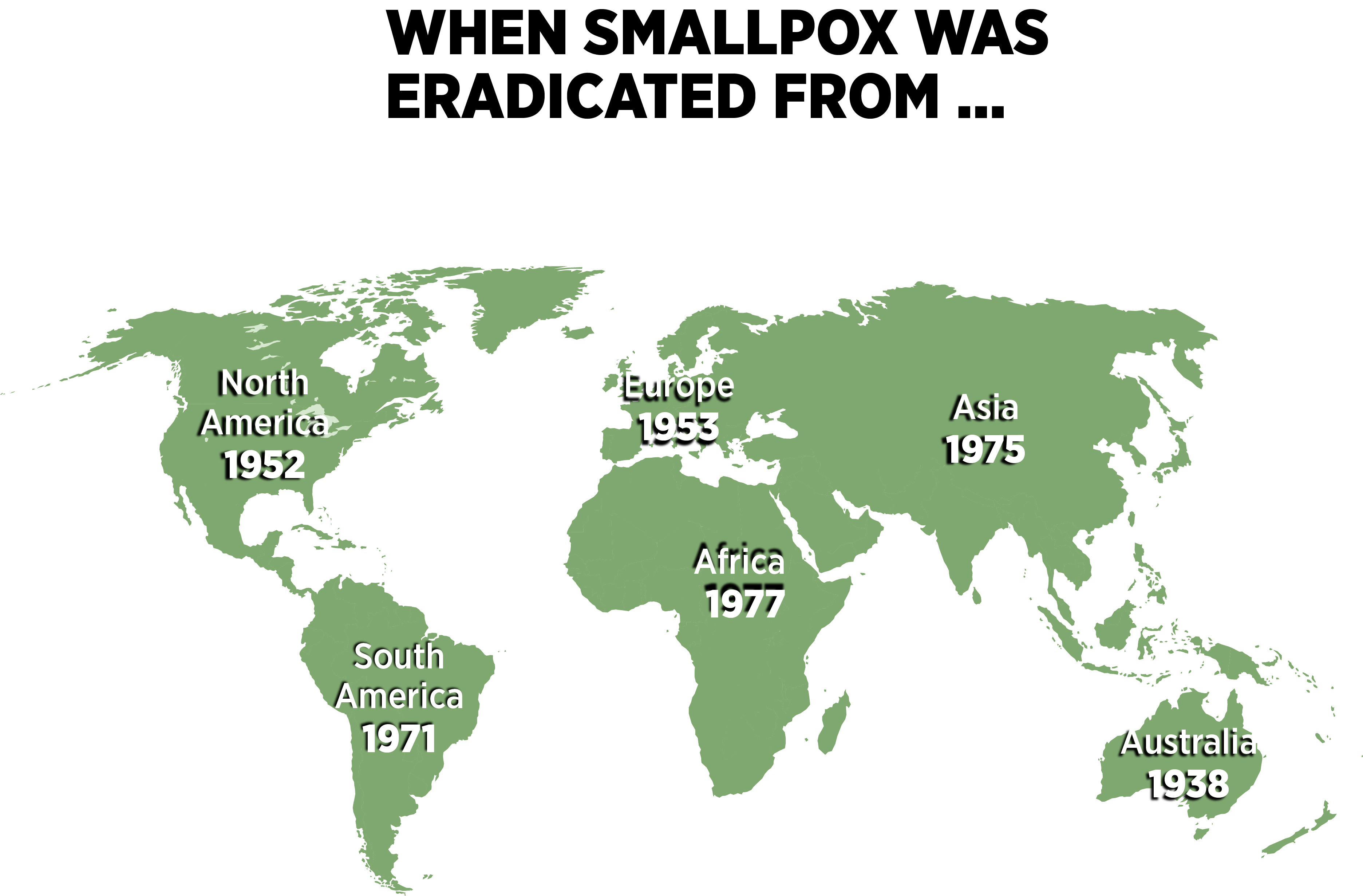
On Dec. 9, 1979 — 45 years ago Monday — a commission of doctors working with the World Health Organization declared that smallpox had been eradicated from the face of the Earth.
The disease, which carried a 30% chance of death for anyone who contracted it, is the only infectious disease afflicting humans that has officially been eradicated.
What Was Smallpox?
Smallpox was one of the deadliest and most-feared diseases.
It spread through person-to-person contact via saliva droplets in a person’s breath. Between seven and 17 days after infection, a patient was struck with high fever and fatigue. At that point, the patient became infectious.
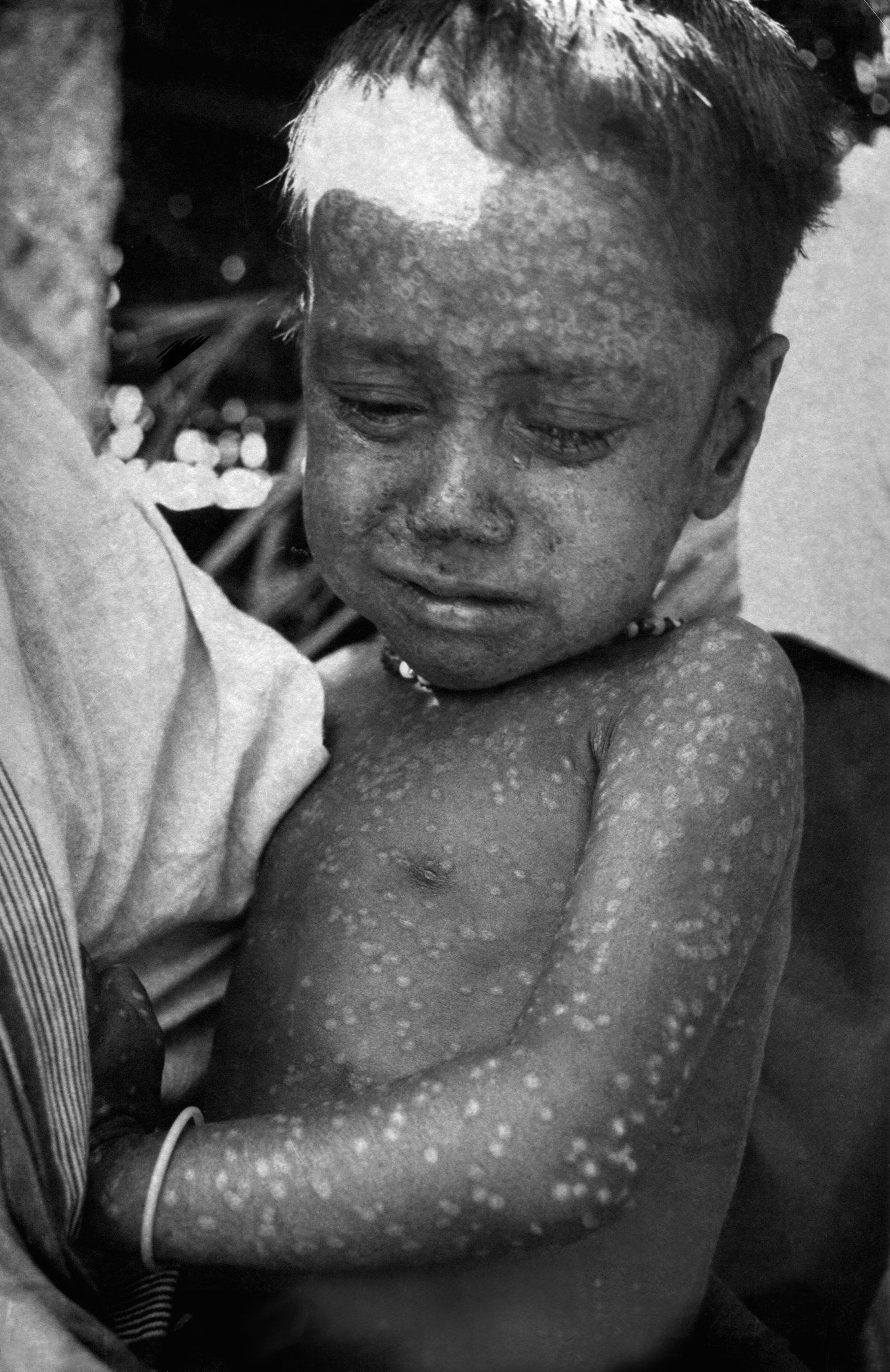
Two to three days later, a rash appeared — especially on the face, arms and legs — that gradually enlarged and filled with pus. Up to 30% of smallpox patients died.
What Was The Cure For Smallpox?
There was no cure. The only treatment that worked was preventative: vaccination with a similar but usually harmless virus. The vaccine caused the patient to build up antibodies that would fight the variola virus that causes smallpox should it appear in the body.
The catch: The vaccine itself could produce serious side effects including, in some cases, death. Once smallpox was considered eradicated, doctors stopped vaccinating people for smallpox. The reason that’s important: Research samples of the smallpox virus are kept in carefully guarded laboratories in the U.S. and Russia. If one of those samples were to be released into the general public, it could spread rapidly.
How Was Smallpox Eradicated?
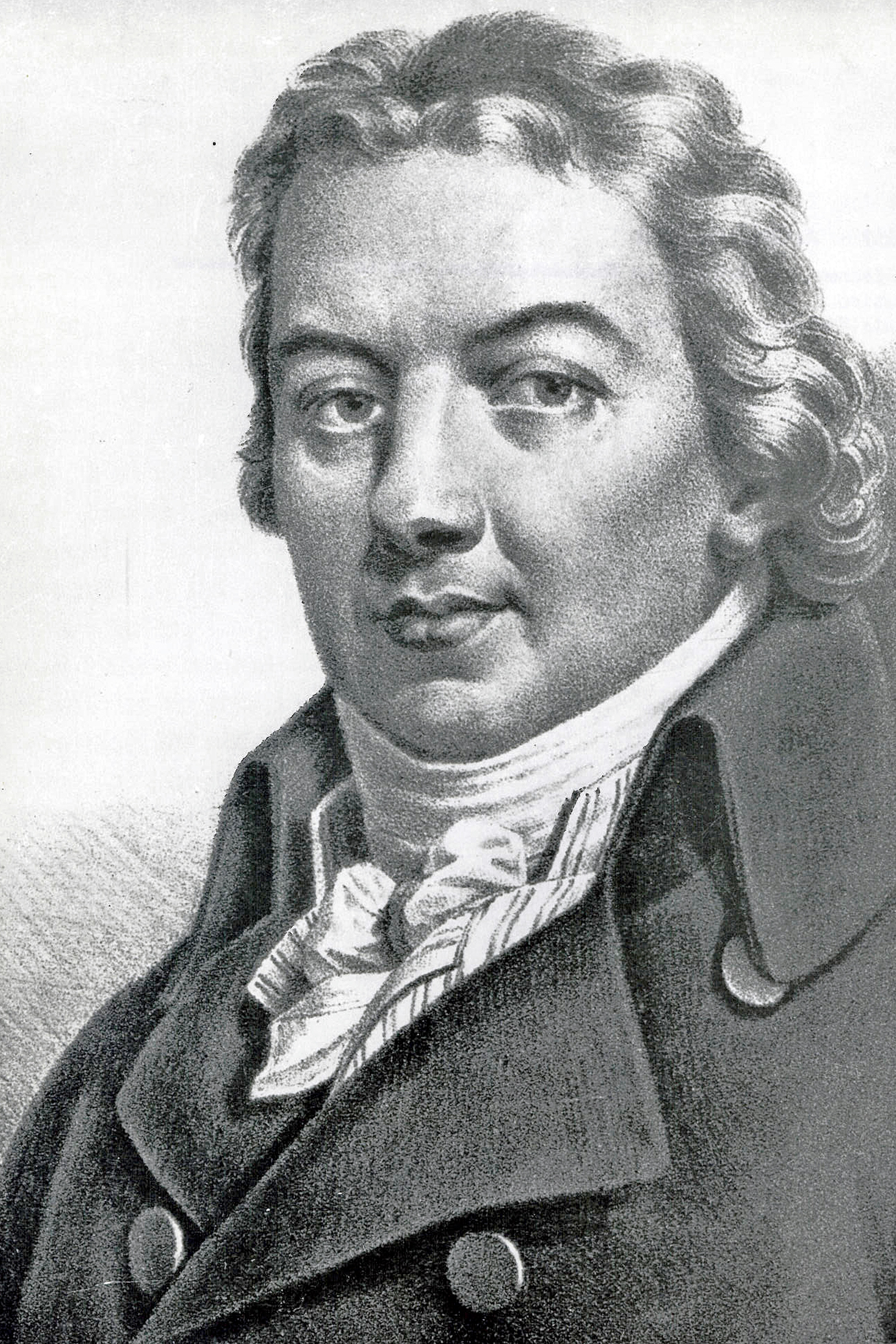
Edward Jenner
In 10th century China and India, pus was taken from the sores of a smallpox sufferer and used to inoculate a healthy person. The healthy person would usually develop a very mild form of the disease but then be immune from smallpox for life.
In 1796, a rural English doctor named Edward Jenner noticed that dairy workers almost never contracted smallpox. Instead, they caught a mild disease called cowpox. He extracted pus from a cowpox sore and injected it into the arm of an 8-year-old boy.
Jenner’s vaccine — or an updated version of it — was successfully used throughout the Western world and in the Soviet Union. It wasn’t until 1959 that the World Health Organization began a concentrated effort to eradicate smallpox.
In 1964, the WHO created a special Smallpox Eradication Unit. The Lyndon Johnson administration added resources to the project as a way of observing International Cooperation Year 1965. Ultimately, the eradication effort cost about $23 million per year, each of the last dozen or so years of the project.
The Last Cases
Years of work by the World Health Organization’s Smallpox Eradication Unit isolated the deadly variola major strain of the virus to Bhola, an island off the coast of Bangladesh. Three-year-old Rahima Banu was the final case of naturally occurring smallpox on the planet. She was isolated at home while medical workers went house-to-house within a 1.5-mile radius, administering vaccinations. They also offered a reward for any reports of what turned out to be a case of smallpox. But there were none.
The girl survived the infection. Six of her smallpox scabs were saved by researchers for future study.
Two years later, the last natural case of the mild, less-deadly form of smallpox, variola minor, was found in Ali Maow Maalin, a hospital cook in Merca, Somalia. He had been diagnosed with malaria and chicken pox on Oct. 22, 1977, but eight days later, health care workers correctly diagnosed his case of smallpox.
He, too, would make a full recovery. None of the people for whom he cooked would develop the disease.
A Timeline of Removal