The Duke's Pet Project: "The Alamo" with John Wayne
Hollywood icon John Wayne didn’t just star in the 1960 epic “The Alamo.” He produced it, directed it, starred in it and paid for a healthy chunk of it out of his own pocket. He then promoted the heck out of it, hoping to make back his investment.
It took more than a decade for Wayne to make back his money. “The Alamo” premiered on Oct. 24, 1960 — 65 years ago today.
An Inspiring Tale of The Battle of The Alamo
The year was 1945, World War II was winding down and John Wayne was feeling particularly patriotic. He wanted to make a movie that would sum up the American experience and celebrate freedom and American values.
Wayne decided the best way to do that would be to make a movie about the heroic but doomed Battle of the Alamo of 1836. He asked his studio, Republic Pictures, to support his effort by hiring him a screenwriter and a research assistant.
They began constructing the framework of a film but the studio got cold feet when it realized Wayne would need $3 million to shoot his film. Wayne left Republic, but was forced to leave his new script there as well.
Eleven years later, Wayne and a producing partner, Robert Fellows, founded their own production company, Batjac, and Wayne relaunched his Alamo project. Wayne wanted his film to serve as an allegory for the Cold War: The U.S. vs. the Soviet Union and China. Politics and patriotism became a large part of the script for “The Alamo.”
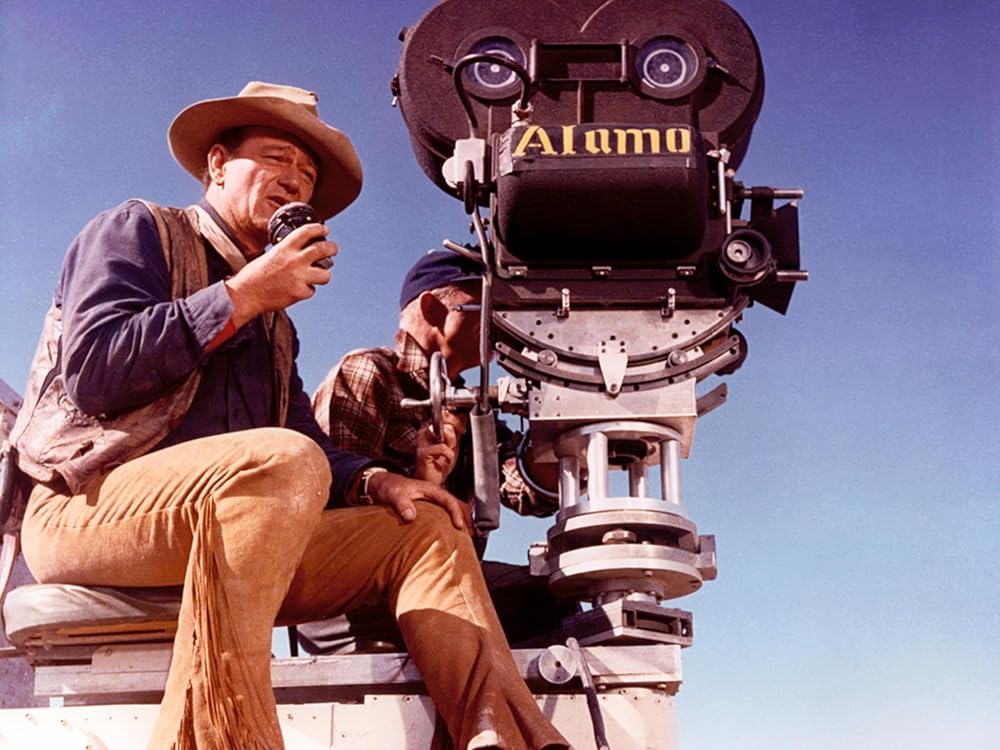
By most accounts, Wayne — in his first directing role — was temperamental and tended to suggest actors play their roles as if he were playing their characters.
“I want to remind the freedom-loving people of the world that not too long ago there were men and women in America who had the guts to stand up and fight for the things they believed in,” Wayne said in a news release. “The people of the Alamo realized that in order to live decently, a man must be prepared to die decently.”
Alamo historian Timothy Todish would later write: “There is not a single scene in ‘The Alamo’ which corresponds to a historically verifiable incident.”
Wayne aimed to produce the film but wanted to concentrate on directing it as well. But what he found was no studio was interested in backing the film unless he not only appeared in it but also played a lead role.
Wayne finally hammered out a deal with United Artists. The studio would pay $2.5 million and distribute “The Alamo.” Batjack would pay $1.5 to $2 million and Wayne would star.
Wayne then worked out a deal with financiers in Texas who would help him foot the bill if he promised to film the movie in Texas. The movie would cost $12 million to make. To make up the difference, Wayne took out second mortgages on his homes.
Wayne finished shooting his movie on December 15 — three weeks behind schedule. His final cut ran three hours and 13 minutes long.
“The Alamo” would be nominated for seven Academy Awards, including Best Picture, Best Supporting Actor, Best Cinematography and Best Film Editing. It would win for Best Sound.
Wayne‘s pet project would become the fifth highest-grossing film of 1960. But partially because of its enormous production costs, it didn’t turn a profit until 1971, when its TV rights were sold. Wayne would eventually sell his rights to the film back to United Artists.
The Making Of A Classic - If Not Accurate - Historical Epic
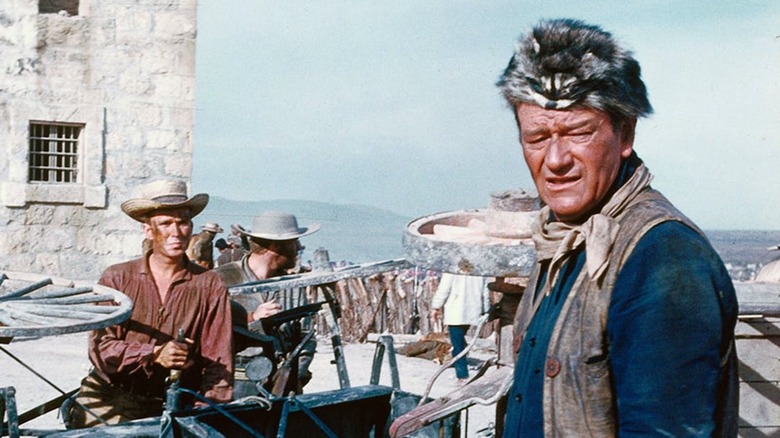
Wayne originally wanted Clark Gable to play Davy Crockett but Gable decided he didn’t want to work in an expensive film made by a first-time director. Wayne then wanted Richard Widmark to play Crockett before the studio forced Wayne to take the role himself. Critics later said that, sure enough, Wayne and Widmark should probably have switched roles.
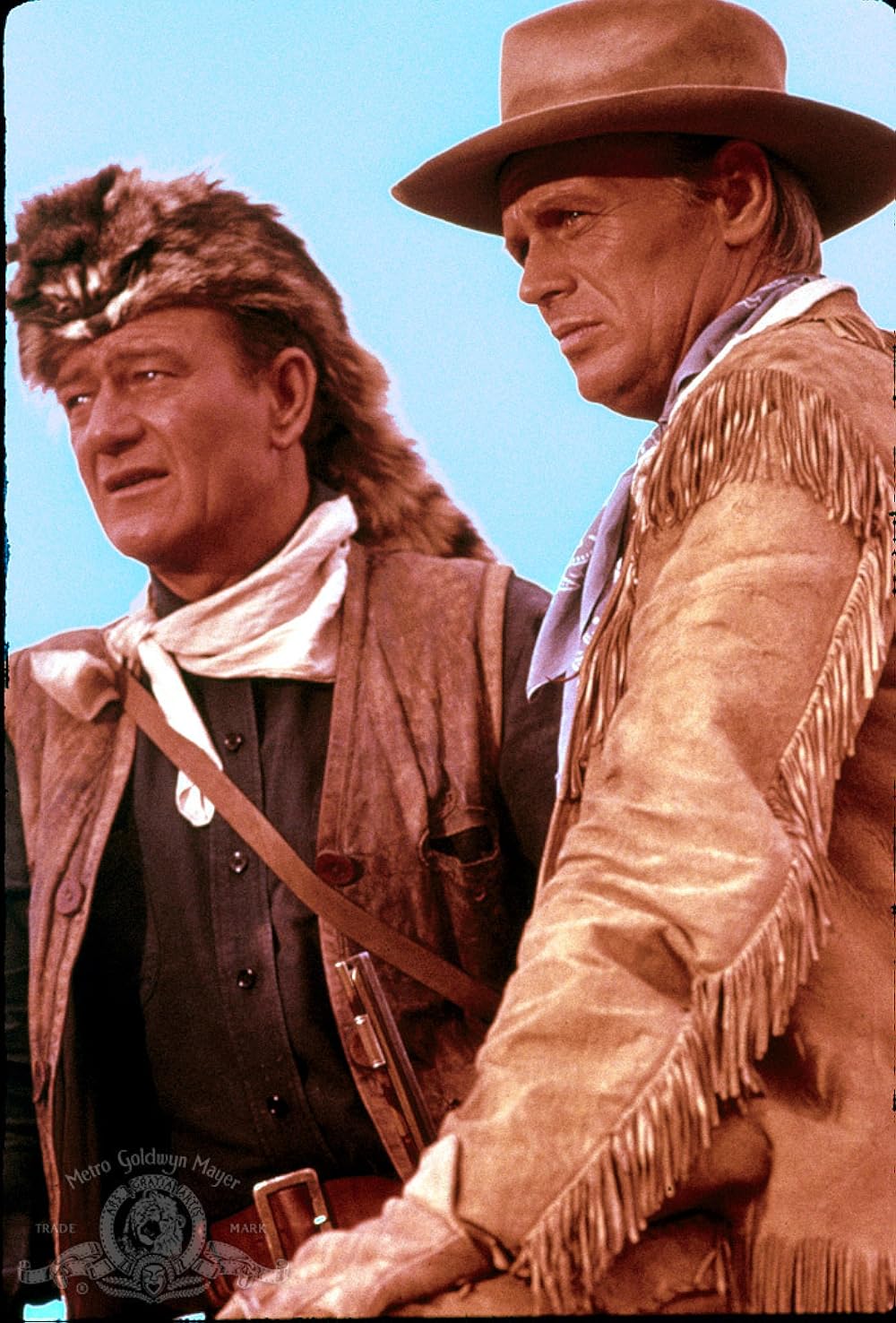
Wayne wanted Charlton Heston to play Jim Bowie, but Heston had just finished filming “Ben-Hur” and wanted nothing to do with another large epic film just yet. Widmark was given the role but then clashed time and time again with Wayne during filming. He tried to quit several times but the studio threatened legal action if he left the production.
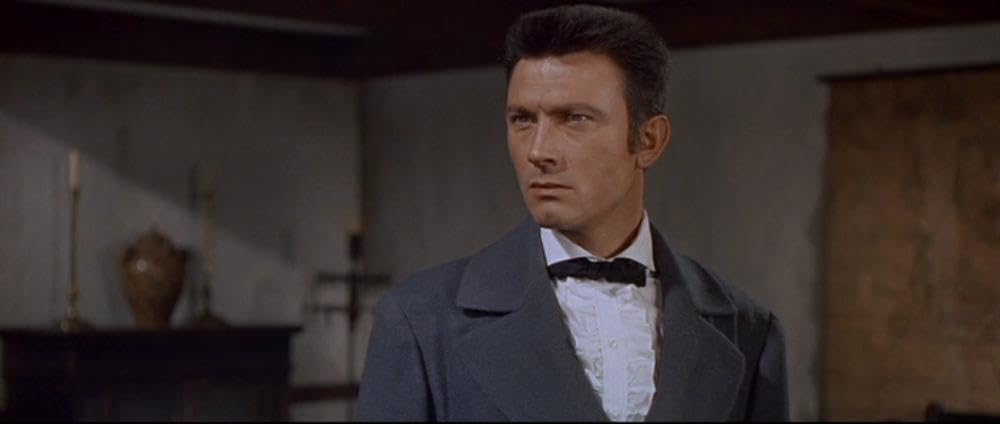
Wayne wanted Rock Hudson for the part of William Travis. Frank Sinatra wanted the role and would have gotten it if not for scheduling issues. The role went to Laurence Harvey. At one point during production, a cannon that was firing blanks recoiled and ran over Harvey’s foot, breaking it. Harvey managed not to scream in pain until after Wayne called “cut.”
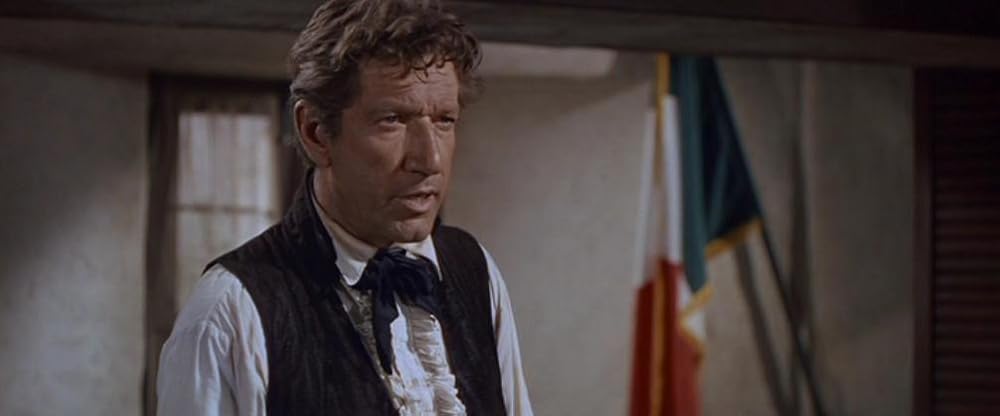
When Wayne was told he must appear in “The Alamo,” he assigned himself the role of Sam Houston. Told he must play Crockett, Wayne offered the role of Houston to William Holden and then to his friend James Arness. Richard Boone, knowing Wayne was strapped for cash, agreed to play the part in exchange for the buckskin jacket he wore in the film.
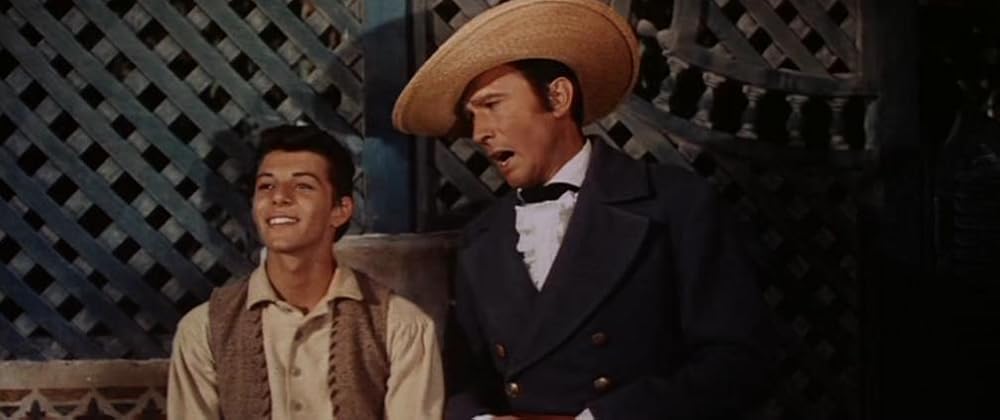
Wayne had appeared in the 1959 film “Rio Bravo” with Ricky Nelson. With that in mind and in hopes of attracting teenage audiences, he cast Frankie Avalon in the role of Smitty. "We're not cutting one bit of any scene in which Frankie appears,” Wayne told an interviewer after filming was done. “I believe he is the finest young talent I've seen in a long time.”
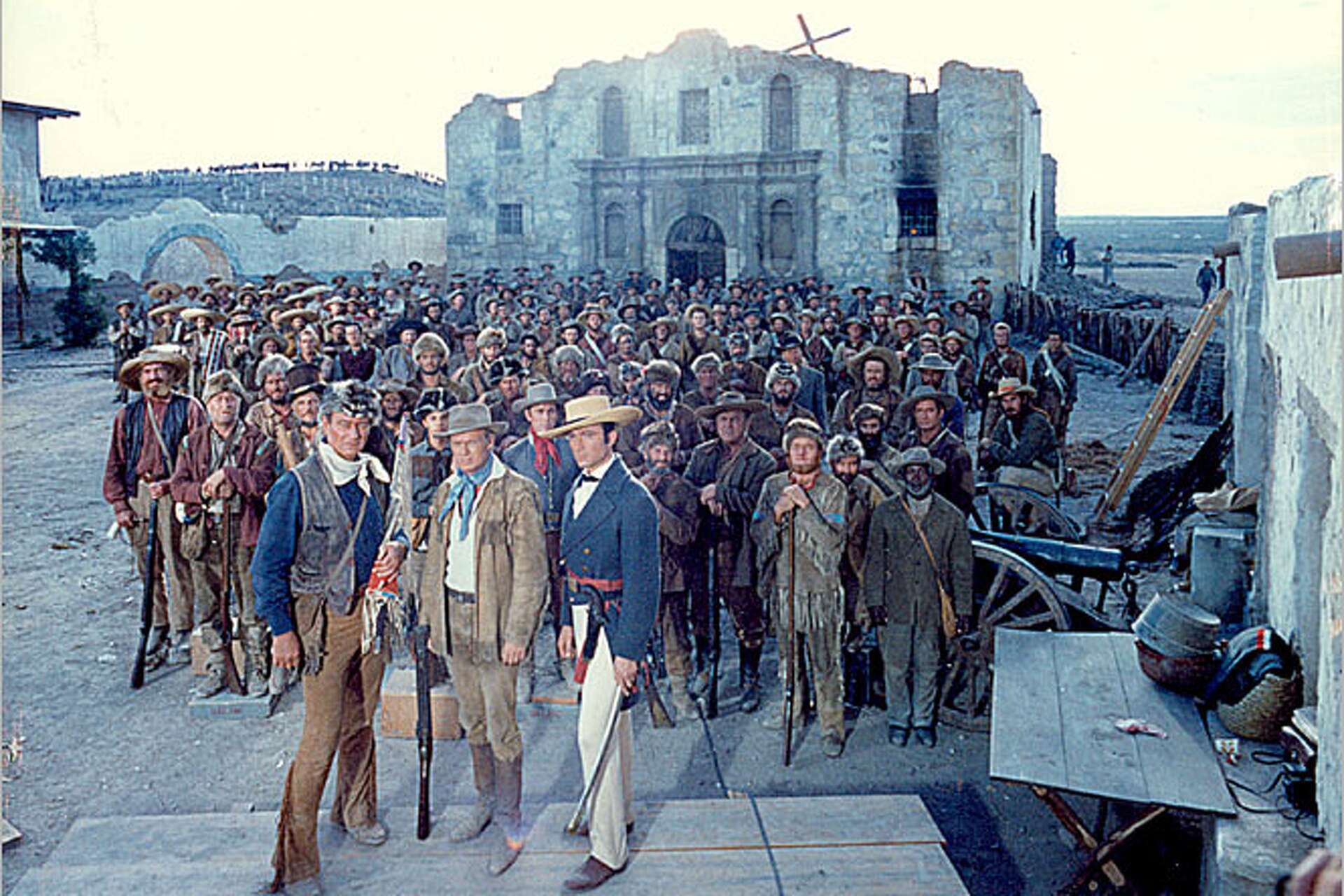
Part of what pushed up production costs: a historically-accurate three-quarter-scale replica of the Alamo, built in Brackettville, Texas, 123 miles west of San Antonio. It took two years and 1.25 million adobe bricks to build the set, along with 14 miles of tarred roads, six wells to supply the set with 12,000 gallons of water a day and 5,000 acres of horse corrals.
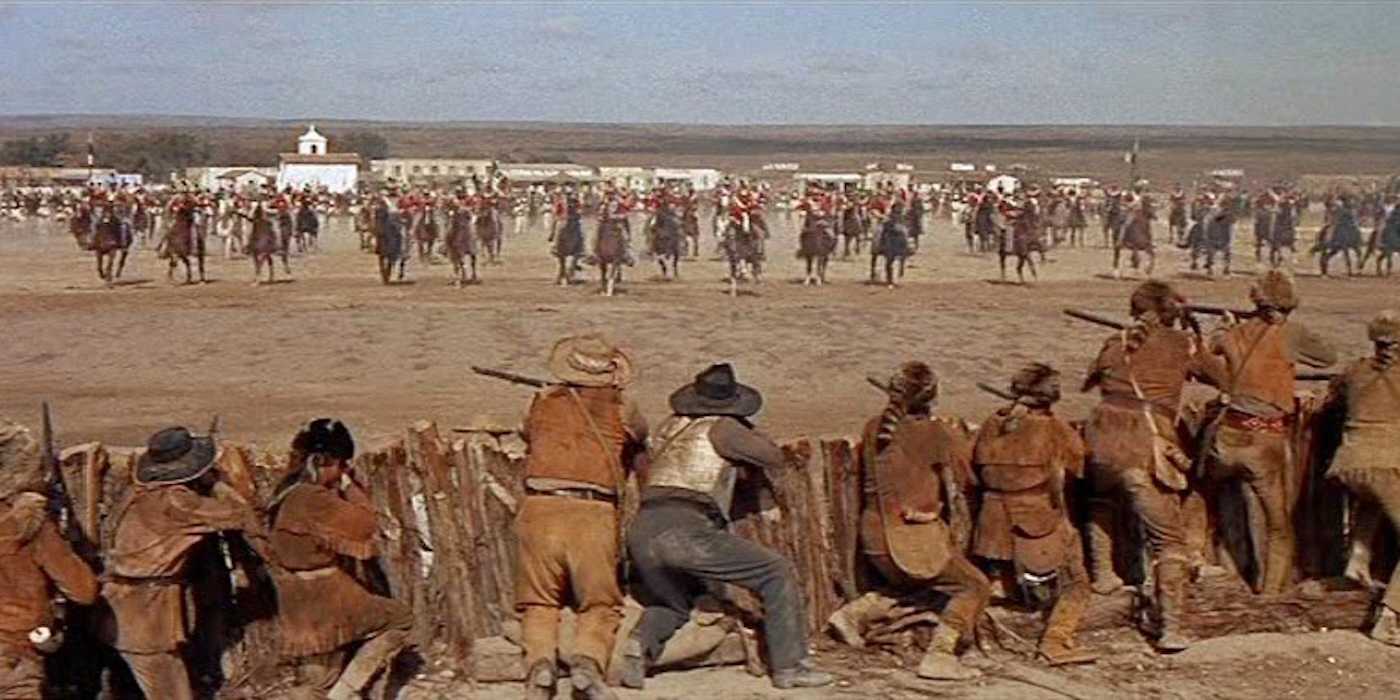
The enormous battle scene between the Mexican army and the defenders of the Alamo was singled out for praise when the movie was released. The scene included 7,000 extras, 1,500 horses and 400 head of Texas longhorn cattle. Among the many inaccuracies in the scene: It’s shown happening during daylight. The attack happened before dawn.
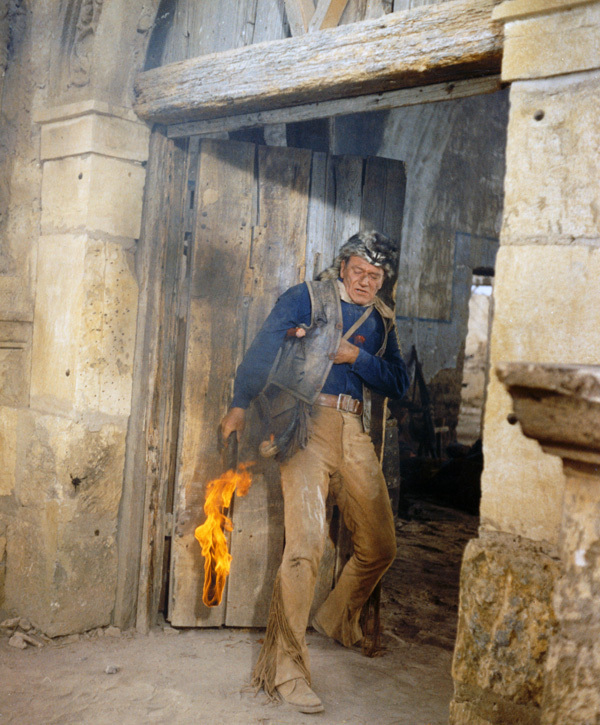
When filming Davy Crockett’s climactic death scene, Wayne threw his lit torch, which bounced inside the chapel and hit stage lights set up there. It then landed at the feet of engineers, who were handling dynamite at the time. In fact, a Mexican army officer and witness to the battle said Crockett was captured, tortured and executed after the battle.