Whoopi Got Noticed: The Color Purple
“The Color Purple” — a movie adaptation of Alice Walker’s Pulitzer Prize-winning novel directed by Stephen Spielberg and starring unknown movie actors Whoopi Goldberg, Oprah Winfrey and Margaret Avery — premiered in New York on Dec. 16, 1985: 40 years ago next Tuesday.
It would go into limited release two days later and would go into wide release nationwide the next February. The film would be honored with 11 Academy Award nominations. But, amazingly, perhaps, no wins.
Turning A Pulitzer Winner Into A Major Motion Picture
“The Color Purple” by Alice Walker follows three decades in the life of an African-American girl who experiences poverty, racism, domestic violence, incest, child sexual abuse, and sexism. Released in 1982, the novel won the Pulitzer Prize for Fiction and the National Book Award for Fiction.
At first, Walker was reluctant to sell the movie rights to “The Color Purple” because of her dissatisfaction at how Hollywood has traditionally treated female characters and characters of color. Friends convinced her the only way to try to change this would be to work within the existing system.
Walker finally gave in and sold the rights to executive producers Jon Peters and Peter Guber, who were associated with hit movies like “An American Werewolf in London” and “Flashdance.” Her contract called for her to serve as a consultant for the film and that half of the production team would be African Americans. She also worked as a script doctor and coached the cast in how to speak in a more authentic Southern dialect. Walker was from Eatonton, Georgia, and had set “The Color Purple” there as well.
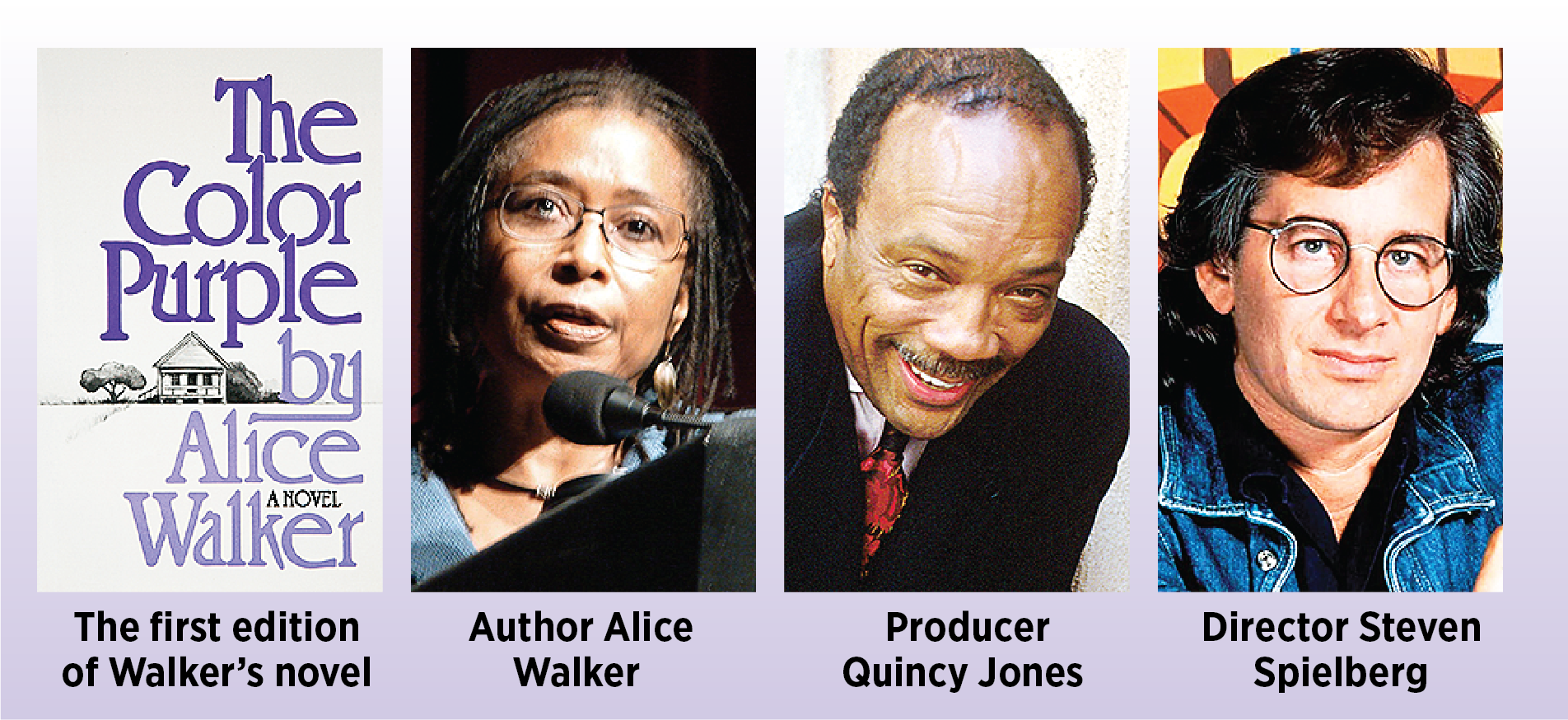
Peters and Guber hired music producer Quincy Jones — who had never produced a major motion picture — to produce the film. Jones, in turn, enlisted Steven Spielberg to direct. Spielberg felt his lack of familiarity with the deep South would be an obstacle, but Jones told him: “No, I want you to do it. And besides, did you have to be an alien to direct E.T. the Extra-Terrestrial?”
Spielberg agreed, waiving his usual $15 million salary for the Director’s Guild minimum of $40,000. Jones scored the movie, making this Spielberg’s first film without the services of John Williams.
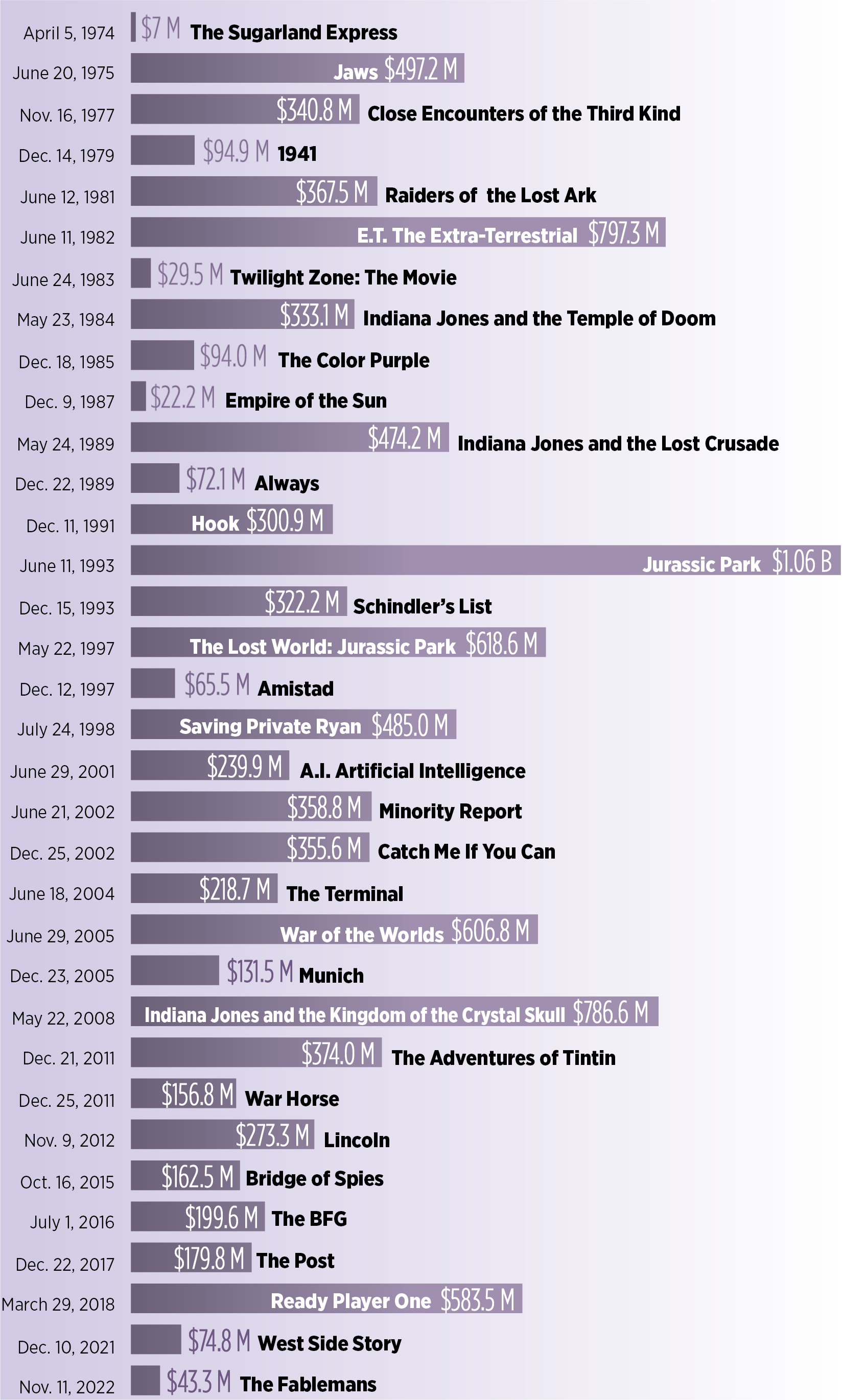
“The Color Purple” was made on a budget of $15 million. It earned $1.7 million in its opening weekend and eventually grossed $94 million worldwide. It was nominated for 11 Academy Awards: Best Picture, Best Actress, two nominations for Best Supporting Actress, Best Adapted Screenplay, Best Art Direction, Best Cinematography, Best Costume Design, Best Makeup, Best Original Score and Best Original Song. It didn’t win a single Oscar.
Spielberg later said this was his first “serious” film and admitted he wouldn't have been able to direct “Empire of the Sun” or “Schindler’s List” without this career stepping stone.
In 2005, “The Color Purple” was remade as a Broadway musical. It ran for 910 performances, and was nominated for two Tony Awards.
A film version of that musical was released in 2023 and was nominated for one Academy Award.
The Making of 'The Color Purple'
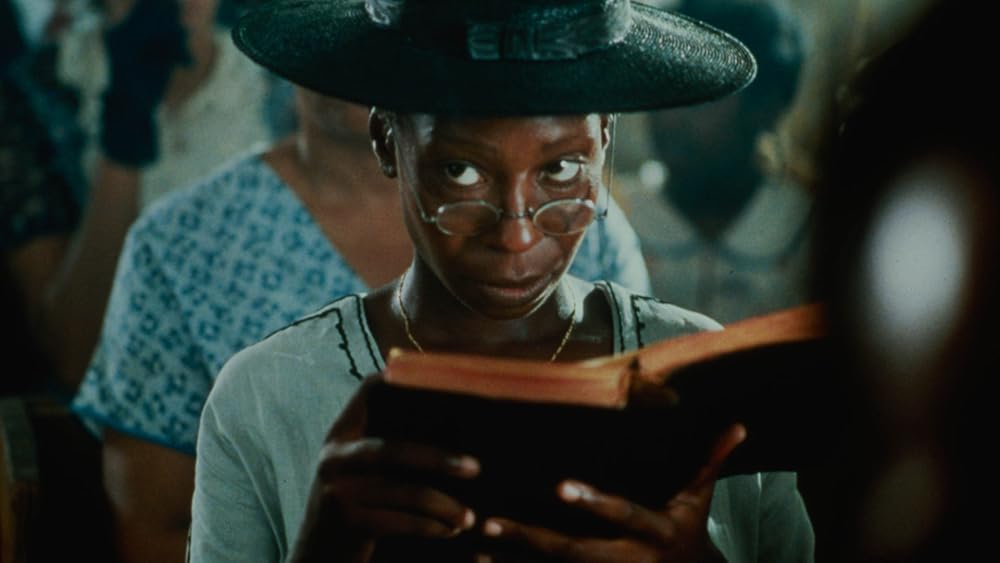
Alfre Woodward was considered for the lead role of Celie. Whoopi Goldberg, an unknown comedian at the time, had a bit in her stand-up act about E.T. being stoned and getting arrested. Walker put Goldberg on her wish list. Goldberg went on to supply what Roger Ebert wrote was “one of the most amazing debut performances in movie history.”
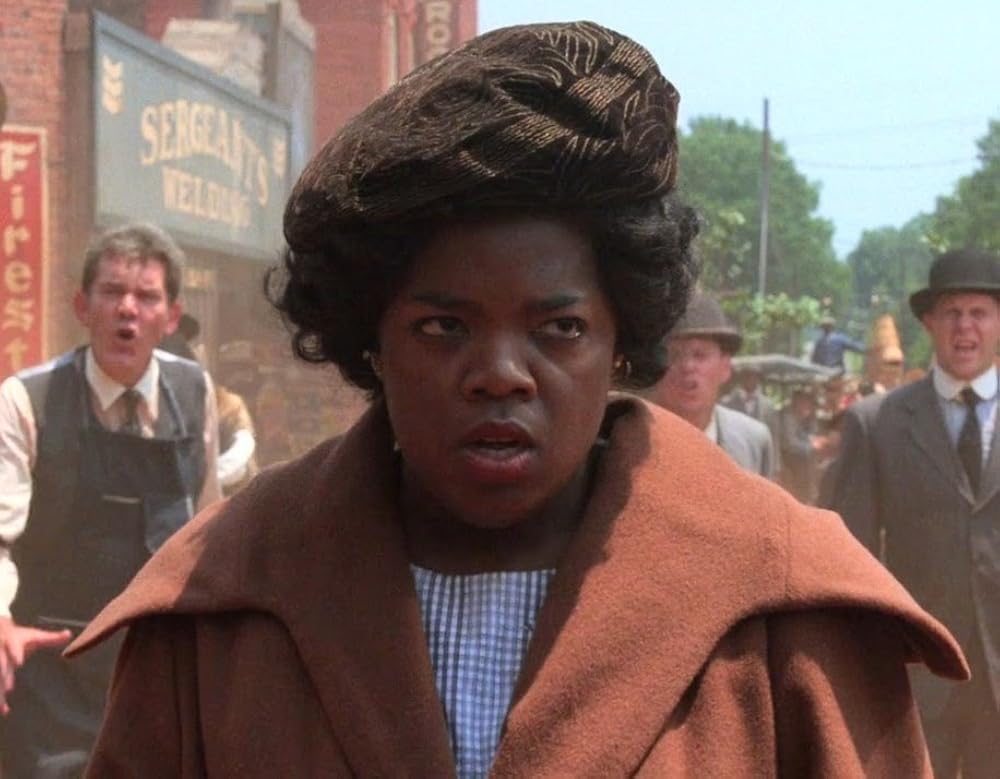
Chicago TV talk show host Oprah Winfrey said the book “spoke to her.” Her agent urged her to push for more money but Winfrey was afraid of losing the role of Sofia. Winfrey was at weight-loss camp when she was told she had the role. She immediately left. Once Winfrey broke her habit of looking directly into the camera to speak her lines, Jones pushed to give her more dialogue.
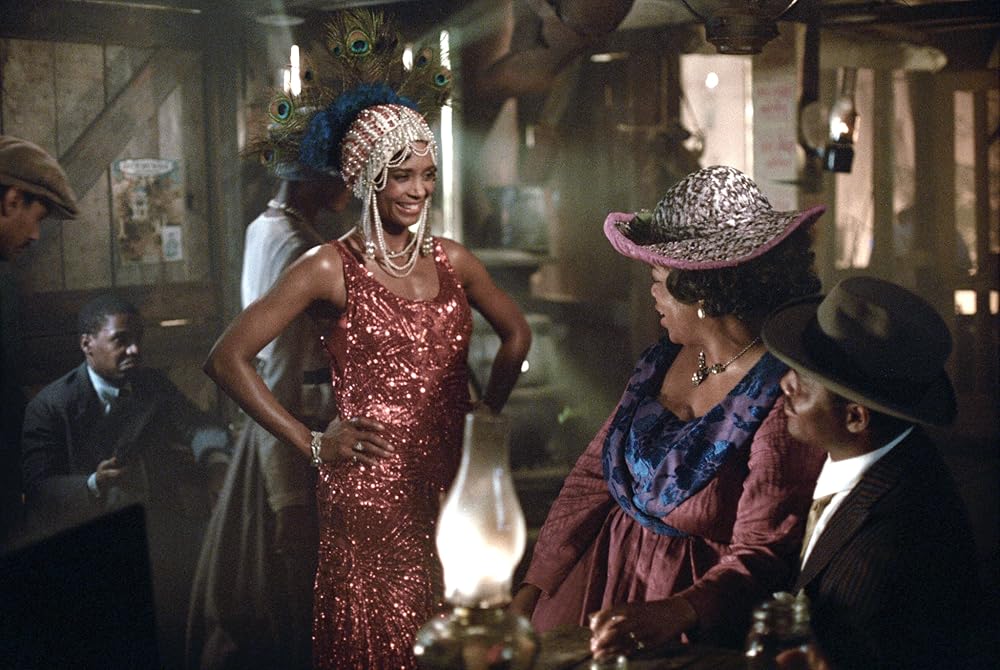
Tina Turner, Lola Falana and Diana Ross turned down the role of Shug. Pam Grier was also considered, as was Spielberg’s choice, Chaka Khan. Margaret Avery got the role but Spielberg softened greatly the lesbian relationship between Shug and Celie. He said, at the time, he didn’t want to alienate audiences but now says he regrets his decision.
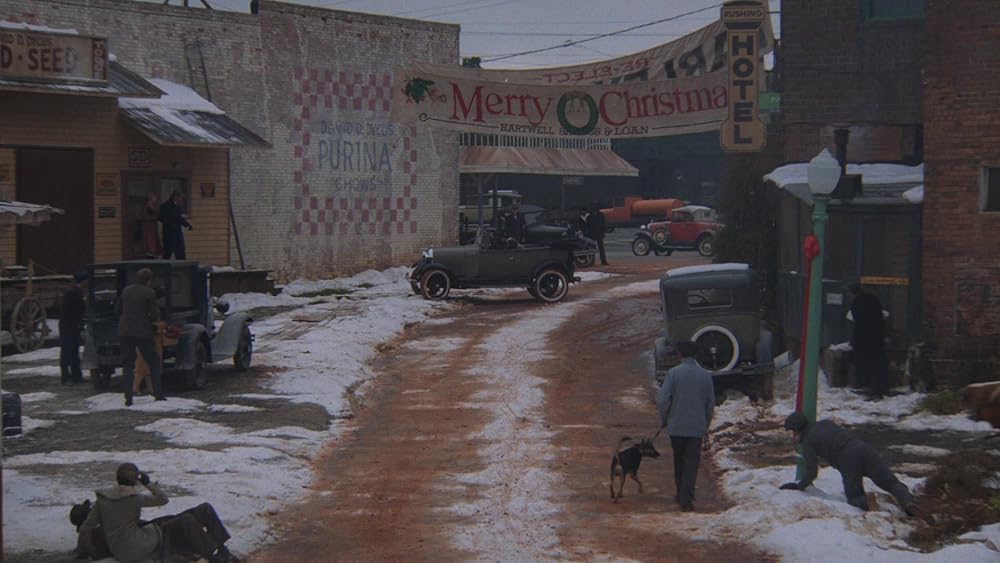
The story was set in Walker’s hometown of Eatonton, Georgia, but was filmed in Marshville, North Carolina. Clay was poured over the paved streets and one utility pole in the center of town was disguised as a tree. “It was hot,” Laurence Fishburne told the hosts of “The View,” and there were a “lot of bugs.” Goldberg piped up to emphasize “A LOT.”
Steven Spielberg Films At The Box Office
Worldwide box office grosses