The Pale Blue Dot: Earth from 3.7 billion miles away
See that little dot up there, in the upper right of that photo? That’s the planet Earth, as photographed from about 3.7 billion miles away 35 years ago Friday, on Feb. 14, 1990.
“That’s home,” famed astronomer Carl Sagan would write. “That’s us. On it, everyone you love, everyone you know, everyone you ever heard of, every human being who ever was, lived out their lives.”
A Stunning Photo From 3.7 Billion Miles out
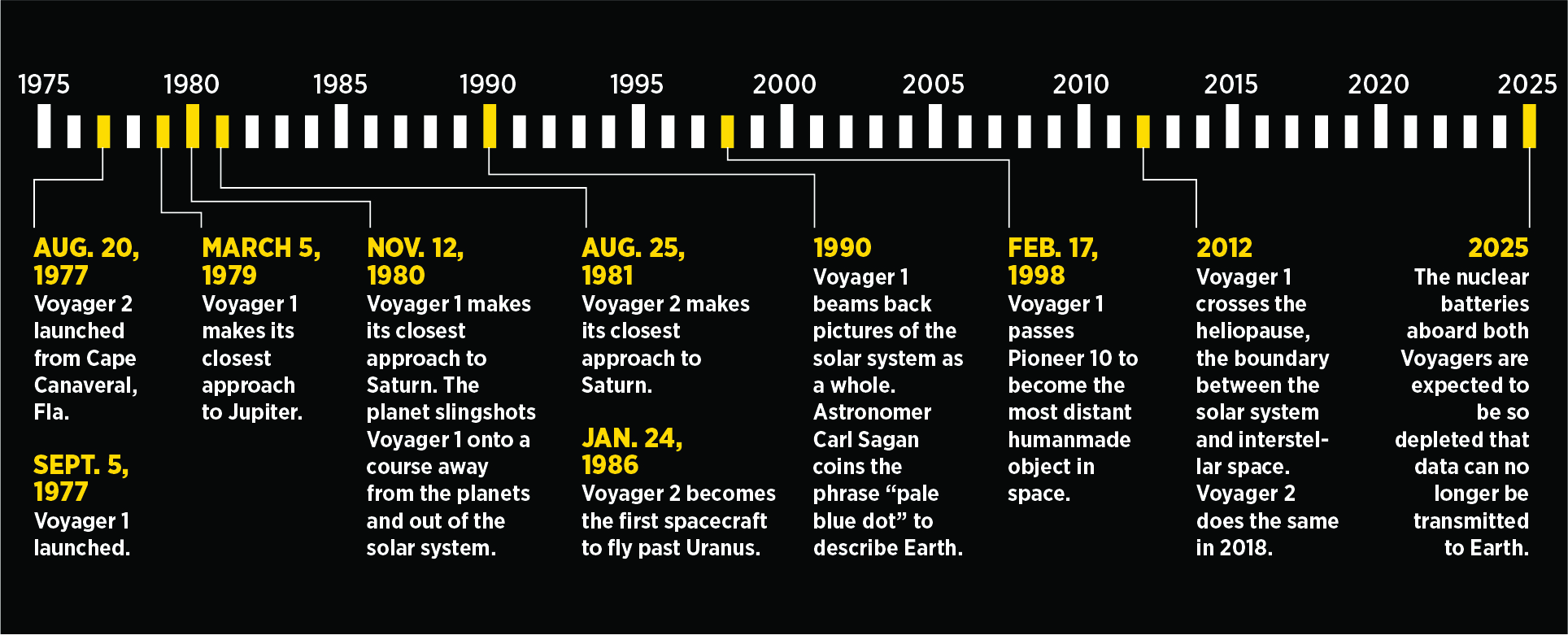
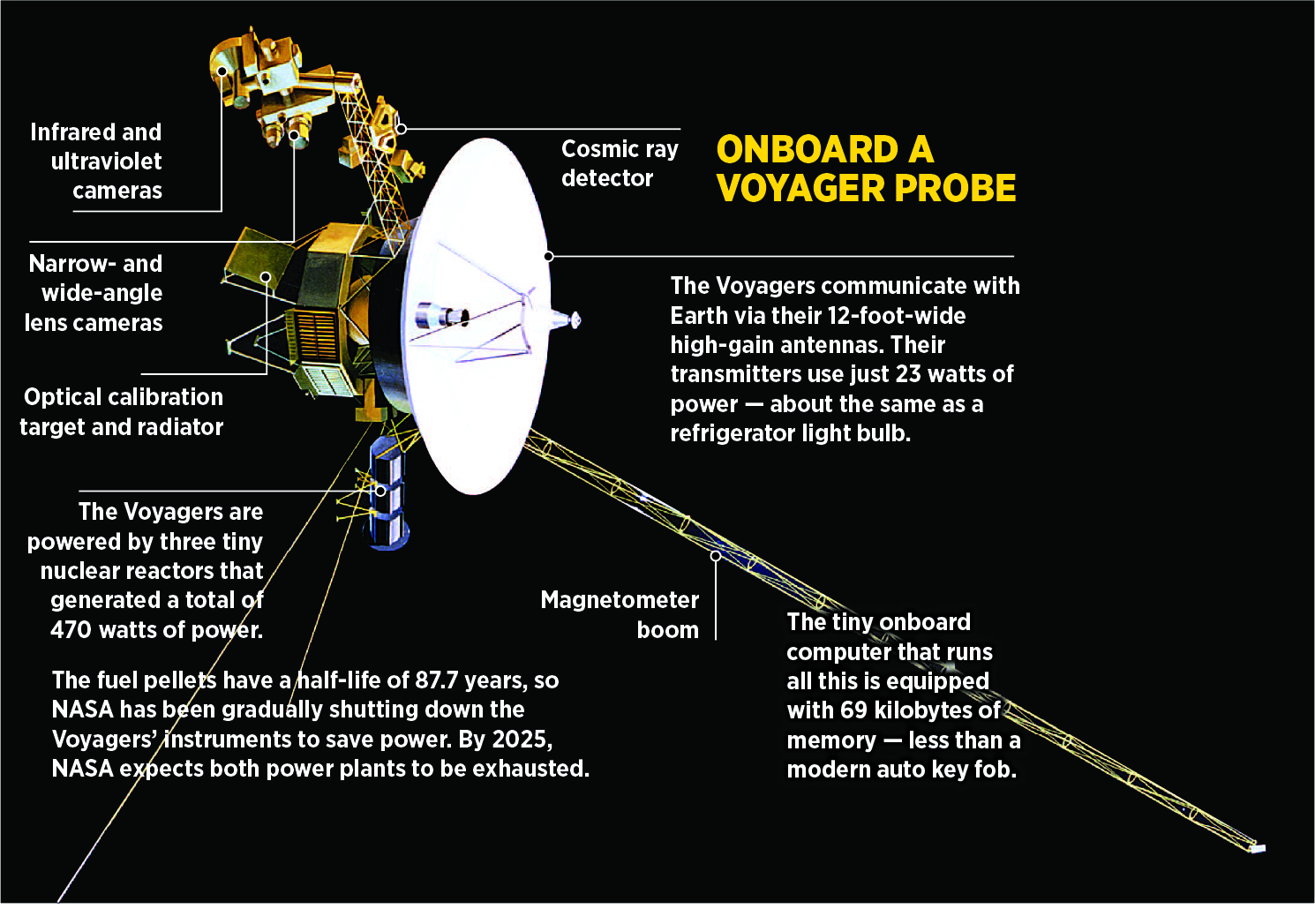
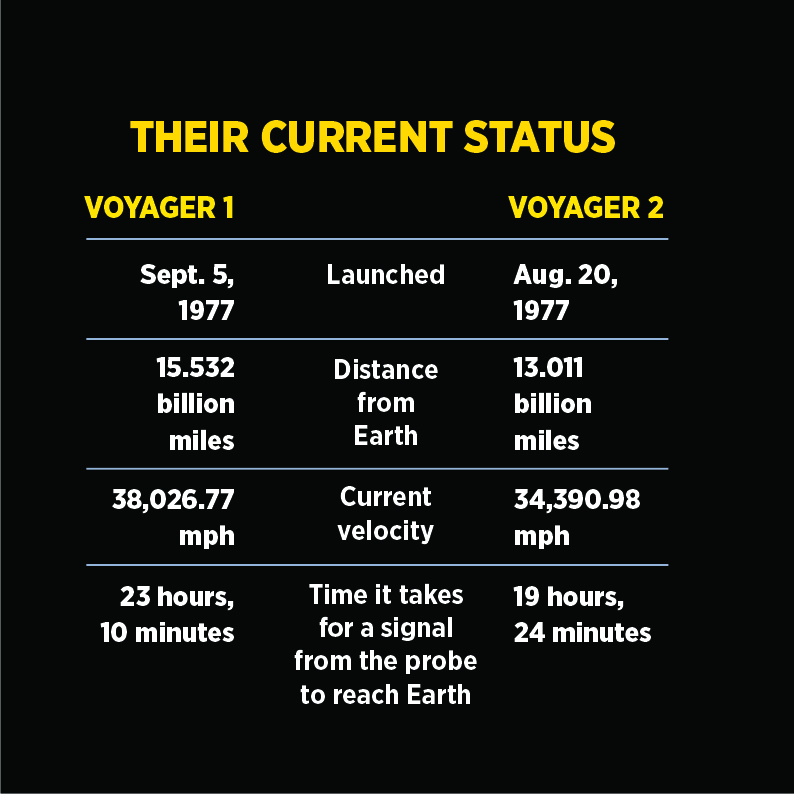
In 1977, NASA launched a pair of probes intended to give Earthlings a look at the planets of our outer solar system and then attempt to leave the solar system.
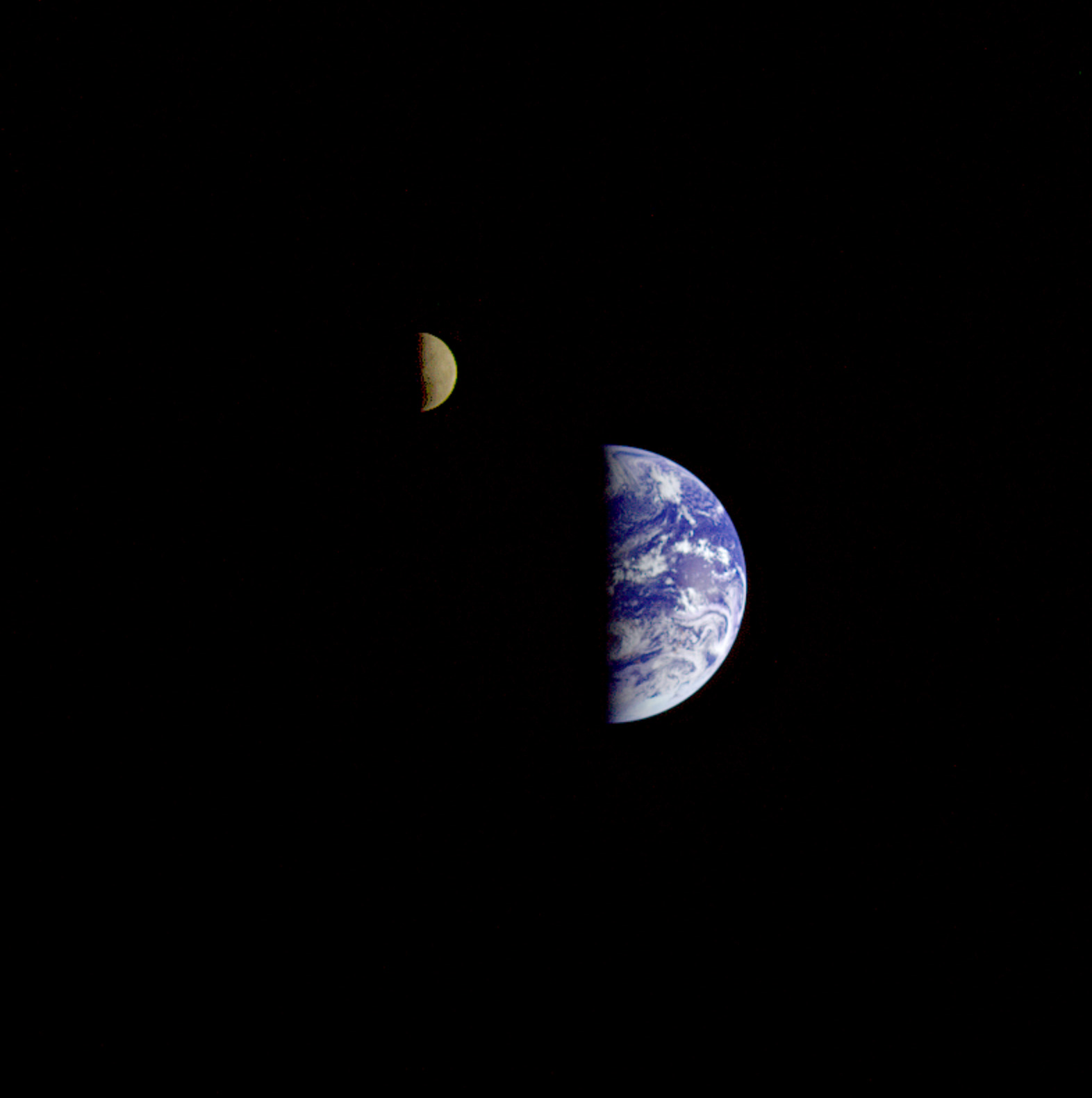
Less than two weeks after it was launched, NASA had Voyager 1 turn its cameras homeward, capturing the first photo taken of the Earth and moon together.
Voyager 1 made it to Saturn in late 1980 and then used that planet’s gravity to sling itself out of the solar system. Voyager 2 would take a different approach, approaching Saturn in 1981 and then flying on to Uranus.
NASA hadn’t expected Voyager 1 to continue working much after its Saturn encounter. But it continued sending data back to NASA’s Jet Propulsion Laboratory in Pasadena, California. This gave astronomer Carl Sagan an idea.
Sagan was already famous as an educator, author and host of “Cosmos,” a TV miniseries about the universe. NASA relied on Sagan as an advisor and to help analyze the amazing photos taken by the Voyager probes.
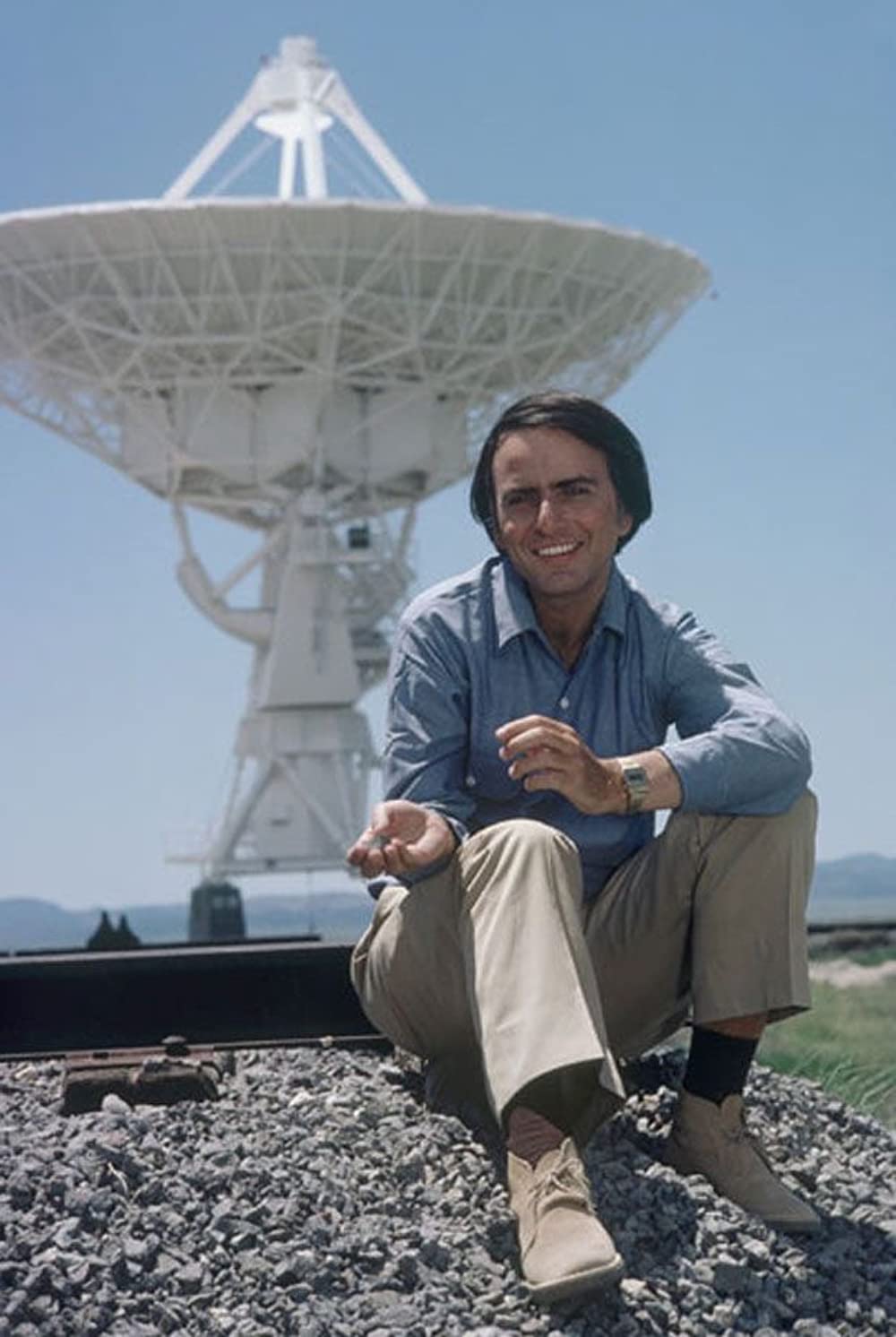
Sagan suggested NASA again turn Voyager 1’s cameras back on Earth. The resulting image might not show much. But hey, the result might be interesting.
And it was. Earth made up less than one of the 640,000 pixels that made up the original image. But Sagan and the JPL team felt humanity should see Earth’s vulnerability and that our home world is just a tiny, fragile speck in the cosmic ocean.
Sagan would entitle his 1994 book on astronomy and philosophy, “Pale Blue Dot.”

The Voyage of Two Voyagers