The View From The Balcony: A new show for America
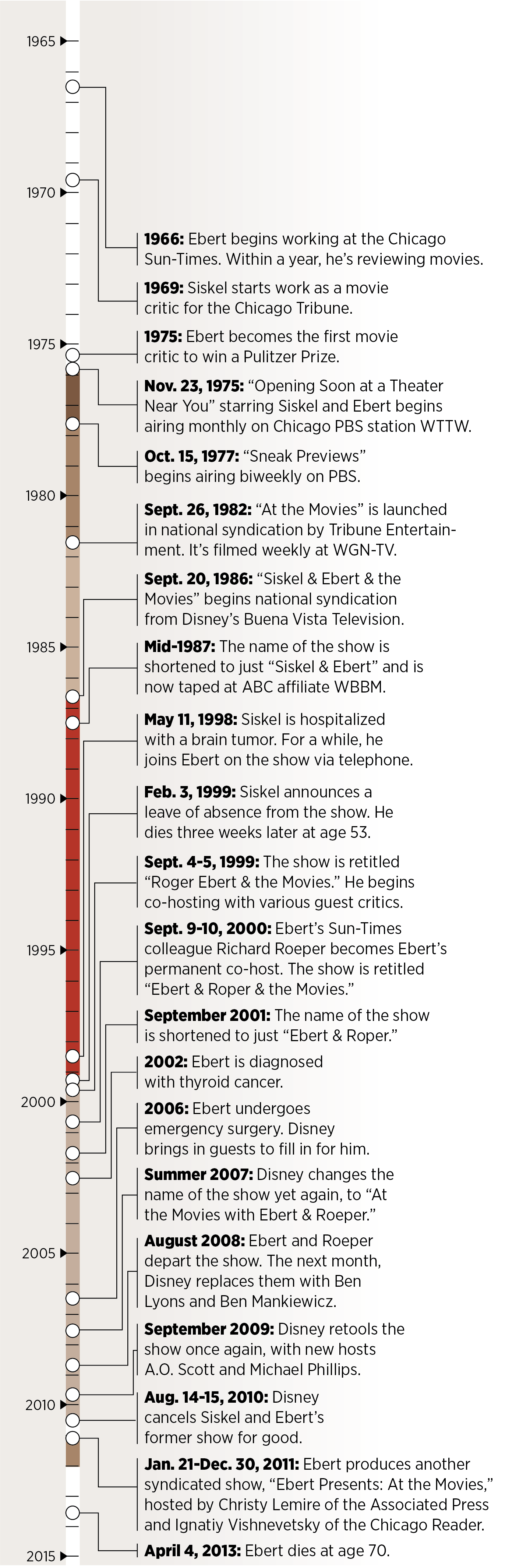
On Nov. 23, 1975 — a half-century ago today — Chicago’s Public Broadcasting station pulled together the star movie critics from the Chicago Tribune and the Chicago Sun-Times for a show featuring televised movie reviews.
For the better part of two decades, Gene Siskel and Roger Ebert would give their “thumbs up” or “thumbs down” from their balcony seats and would become more famous than many of the films they reviewed.
Debut of Their Chicago TV Show
Thea Flaum of WTTW, the PBS affiliate in Chicago, had the idea in 1975 of bringing together the two star movie critics of the city’s two newspapers — Gene Siskel of the Chicago Tribune and Roger Ebert of the Chicago Sun-Times. Earlier that year, Ebert had become the first newspaper film critic to win a Pulitzer prize.
The plan was to broadcast the show once a month to the Chicago viewing area. Siskel and Ebert would view clips and comment on each film and then give a “yes” or “no” answer on whether or not they recommended viewers go see the movie. If they disagreed, even better: viewers might be delighted to see sparks fly between the two.
After two seasons on WTTW, “Opening Soon at a Theater Near You” was such a sensation that PBS wanted to take it national. PBS renamed the show and began showing it weekly on 190 or so stations. Before long, “Sneak Previews” had become the highest-rated entertainment series in the history of public broadcasting.
In 1980, WTTW decided to take the show’s success a step further. It wanted to pull the show from PBS and sell it into syndication, which would probably result in a nice revenue stream for the outlet.
Siskel and Ebert were offered take-it-or-leave-it contracts. Both declined the deal and instead launched a similar show for Tribune Entertainment, the syndication arm of the Chicago Tribune’s TV station, WGN.
That lasted only five years, however. In 1986, Siskel and Ebert left Tribune and took their tried-and-true syndicated format to Buena Vista Television, owned by the Walt Disney Co.
Buena Vista planned to put the critics’ names into the name of their show, so Siskel and Ebert flipped a coin to see whose name would go first. Ebert also had the foresight to trademark their “thumbs up” and “thumbs down” rating system.
Siskel and Ebert made their home with the Disney subsidiary for 12 years before Siskel began a struggle with brain cancer. In early 1999, Siskel announced he was taking a leave of absence from the show, but he expected to be back that fall. “I’m in a hurry to get well,” he said, “because I don’t want Roger to get more screen time than I.” Two weeks later, Siskel was dead.
Ebert continued in the TV critic business for several years, with co-hosts and even after beginning a harrowing battle with thyroid cancer in 2002. Ebert finally left the business in 2011 and died two years later.
But over 24 years on television, Siskel and Ebert shot 950 episodes, were nominated for eight Emmy Awards, won one local Emmy and had exposed their thumbs to the entire world to see.
How America's Two Most Influential Movie Critics Grew Into Their Roles
Over the years, the influence of Gene Siskel and Roger Ebert grew to enormous proportions, wrote Matthew Kaplowitz of Fatherly.com.
“Entertainment Weekly ranked them as the 10th most influential people in 1990, appeared together on Sesame Street to instruct Telly and Oscar the Grouch how to critique, and became mainstays on talk shows ...
“They were the critical versions of Laurel and Hardy, and no one grew tired of their act.”
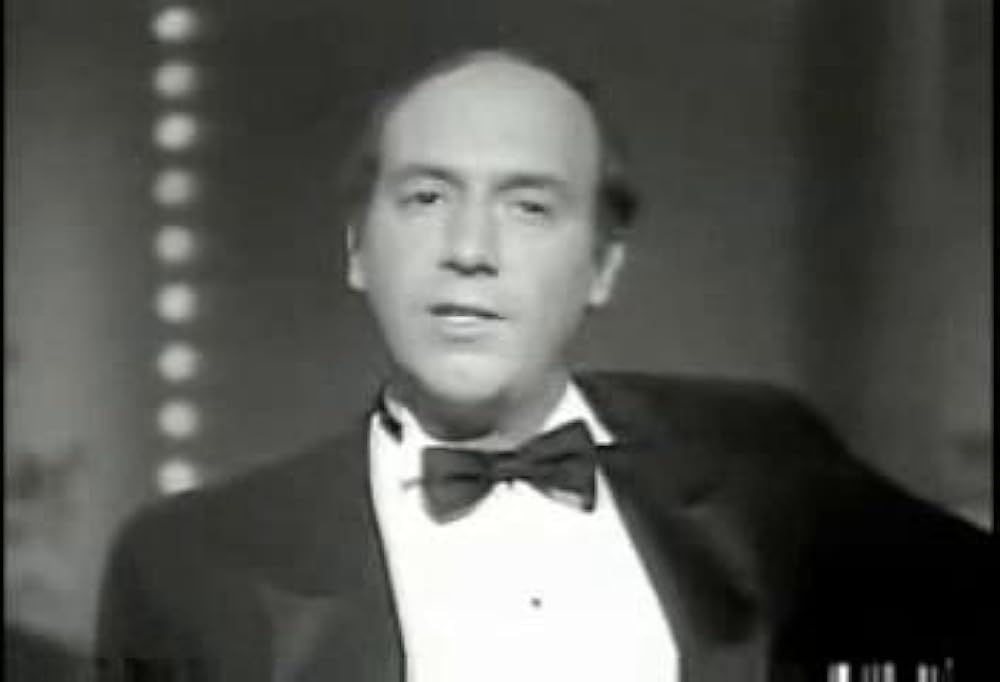
In addition to reviewing movies, Siskel and Ebert advocated for moviemaking. They teamed up to express outrage when Spike Lee’s “Do the Right Thing” was snubbed at the 1989 Oscars. They filmed an episode in black-and-white to make a point about black-and-white cinematography. They advocated for independent films and documentaries. Photo sourced from Buena Vista Television.
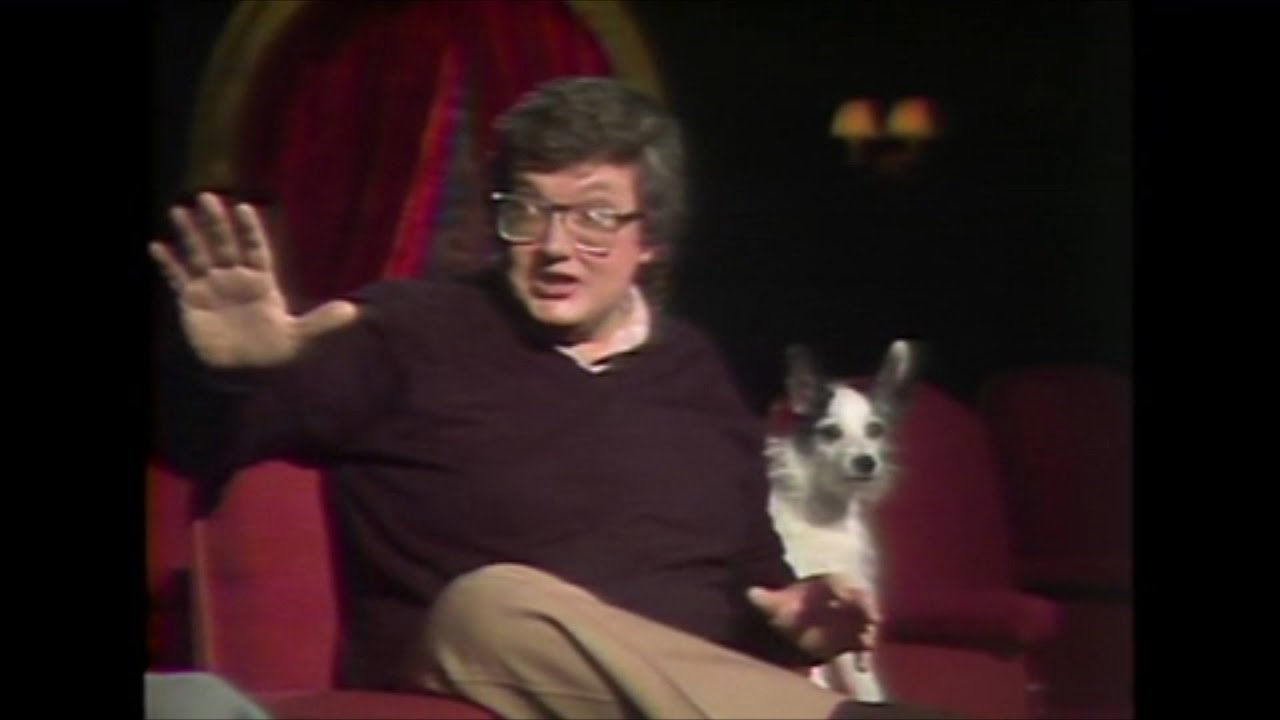
Starting in 1977, Siskel and Ebert used the gimmick of Spot the Wonder Dog, who helped them announce worst movie of the week — in other words “the dog.” Later, they switched to Aroma, a skunk who’d help present the Stinker of the Week. Photo from Tribune Entertainment.
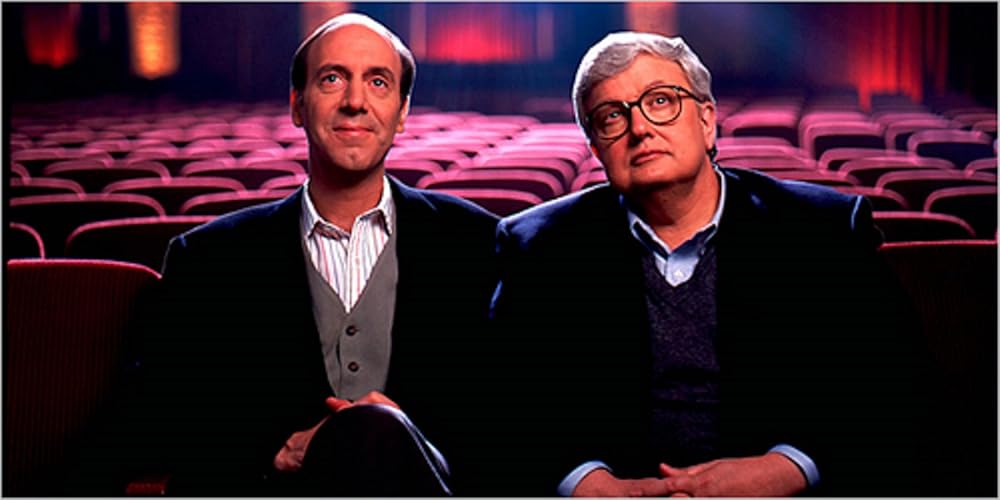
Viewers loved the interaction between Siskel and Ebert. “When we were in a group together, we were always intensely aware of one another,” Ebert wrote after Siskel’s death. “Sometimes this took the form of camaraderie, sometimes shared opinions, sometimes hostility. But we were aware. If something happened that we both thought was funny but weren’t supposed to, God help us if one caught the other’s eye. We almost always thought the same things were funny. That may be the best sign of intellectual communion.” Photo from Buena Vista Television.