
The Land Grab: War with Mexico
By 1840, the United States occupied 1.7 million square miles of territory. That was five times the size of Austria, the largest country in Europe.
But it wasn’t enough. Americans eyed the western parts of North America and felt an urge to farm the countrysides there, hunt its forests and build port cities along its coast.
Step one would be to deprive Mexico of its claim to the region.
Fulfilling America's 'Manifest Destiny'
Mexico laid claim to most of western North America in 1540. But only very small portions of that territory had been settled.
Southerners hungry for more land had moved to northern Mexico in the 1820s — shortly after Mexico had earned its independence from Spain — and, against the wishes of the Mexican government, brought slaves with them. They eventually declared their independence from Mexico in March 1836 and fought a war of independence, becoming an independent country the next month.
Questions remained regarding the border between Mexico and the Republic of Texas. Texans claimed it was the Rio Grande River. Mexico maintained the border was the Nueces River, a good 150 miles to the north.
Texans then wanted to become annexed by the United States, but Mexico threatened another war if the U.S. took possession of Texas. In addition, U.S. political leaders realized that would upset the delicate balance between slave-owning states and free states. So the matter was left to a later date.
James K. Polk ran for president in 1844 declaring “All of Texas and All of Oregon” — promising to annex Texas and to wrestle the Oregon Territory south of the 49th parallel away from Great Britain.
Polk’s election victory was seen as a mandate for expansion. Journalist John L. O’Sullivan was the first to coin the term: “fulfillment of our manifest destiny to overspread the continent alotted by providence.”
Mexico was in default of $2 million in debt to the United States. In July 1845, Polk dispatched Congressman John Slidell to Mexico to offer to cancel that debt and throw in another $30 million to buy the disputed areas and the vast region stretching to the Pacific Ocean.
The president of Mexico, Gen. Mariano Paredes, declined. So Polk sent 4,000 U.S. Cavalry troops into the disputed territory north of the Rio Grande.
On April 25, 1846, Mexican troops skirmished with those troops. This gave Polk the excuse he needed to address Congress, saying that “war exists.” He asked for action to drive Mexico back across the Rio Grande and to pursue the war to “a speedy and successful termination.”
Congress granted Polk his war on May 13, 1846. It also voted to raise and supply 50,000 more troops.
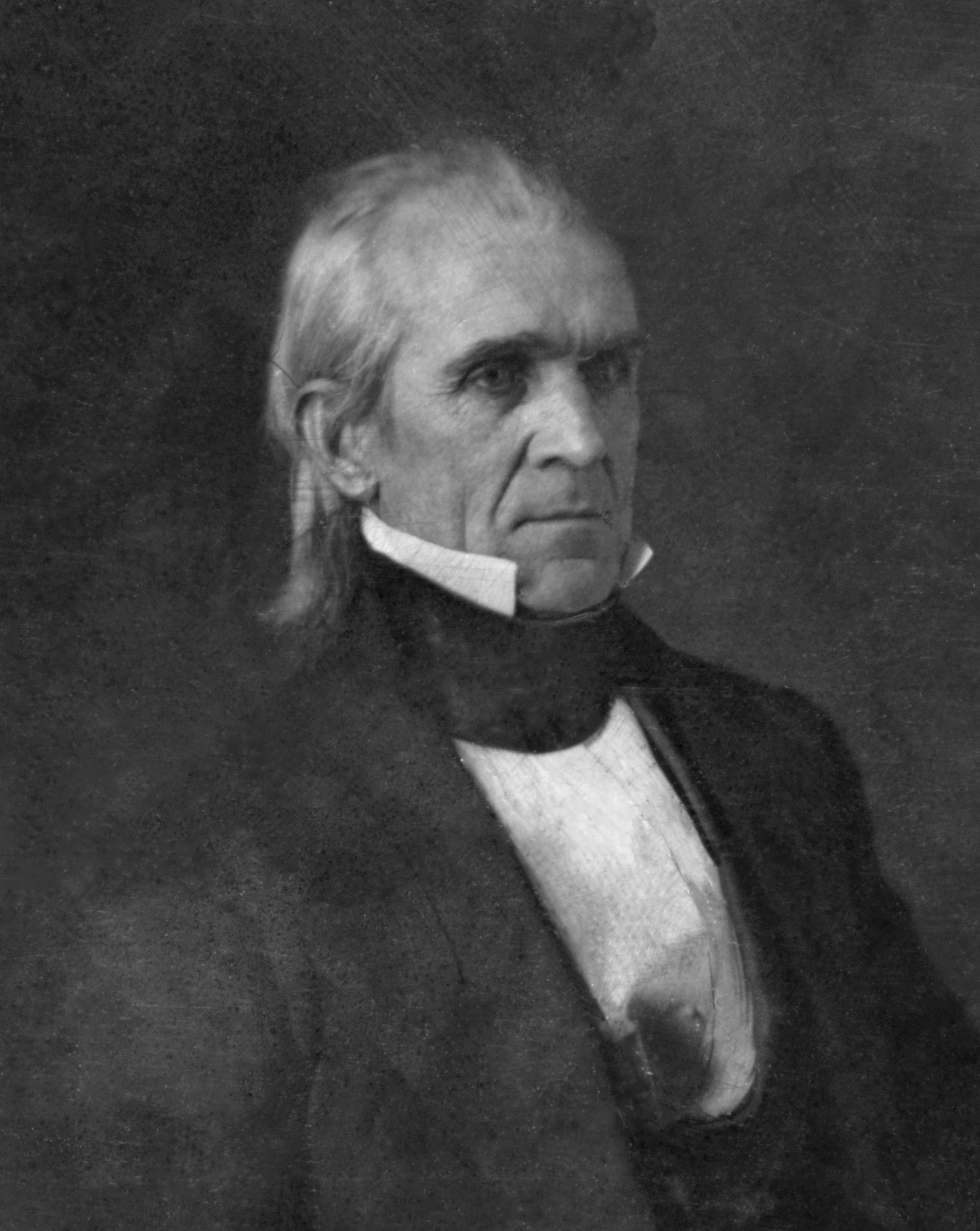
James K. Polk. Photo from the Library of Congress.
Objections To The War
Former president John Quincy Adams, who was a Congressman from Massachusetts, called the war with Mexico “A most unrighteous war.” Adams died in February 1848, before a peace treaty was signed.
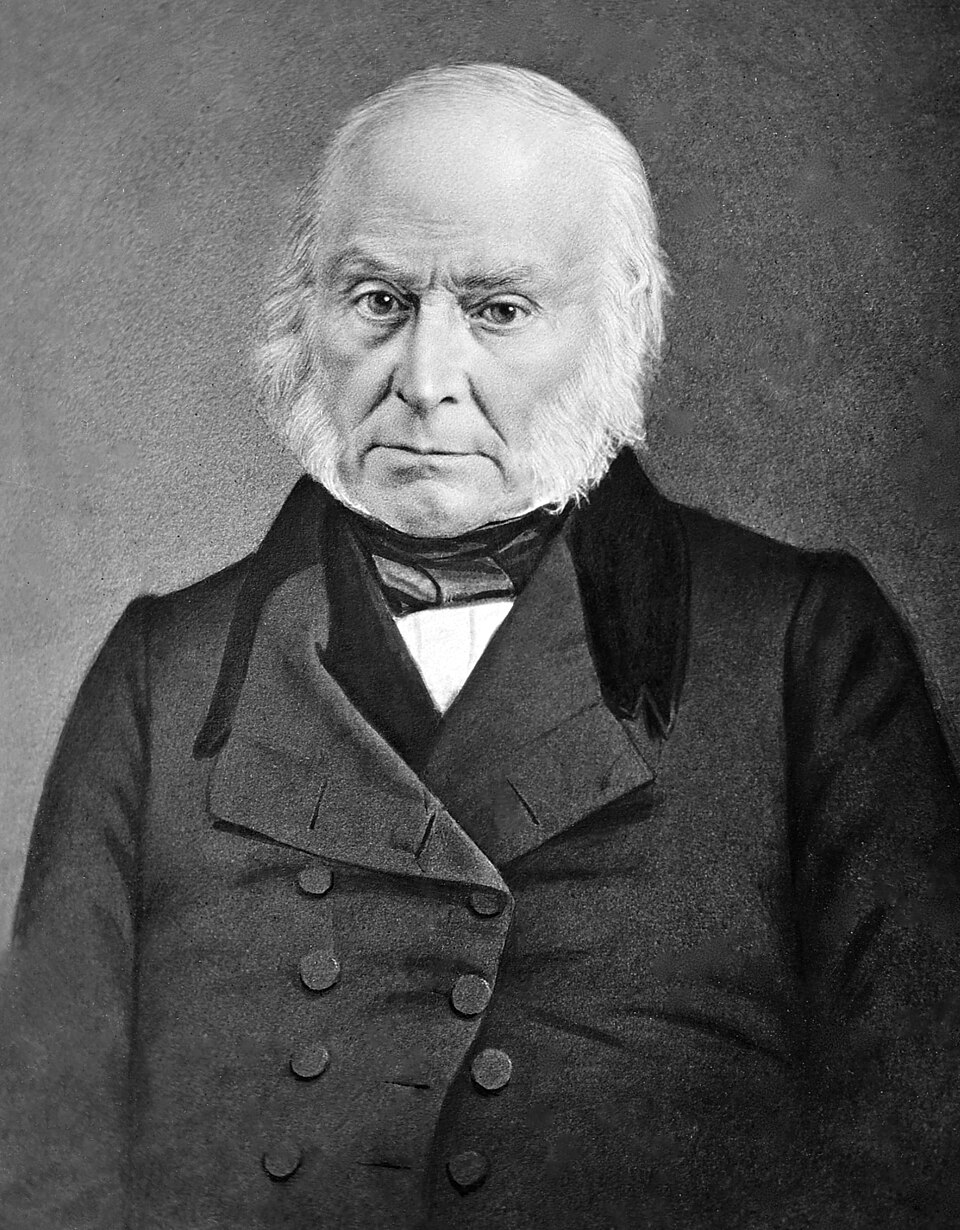
Photo from the National Archives.
Second Lieutenant Ulysses S. Grant was careful to follow the chain of command and expressed no reservations during the war itself. But later, he’d call the war “one of the most unjust ever waged by a stronger against a weaker nation. It was an instance of a republic following the bad example of European monarchies, in not considering justice in their desire to acquire additional territory.”
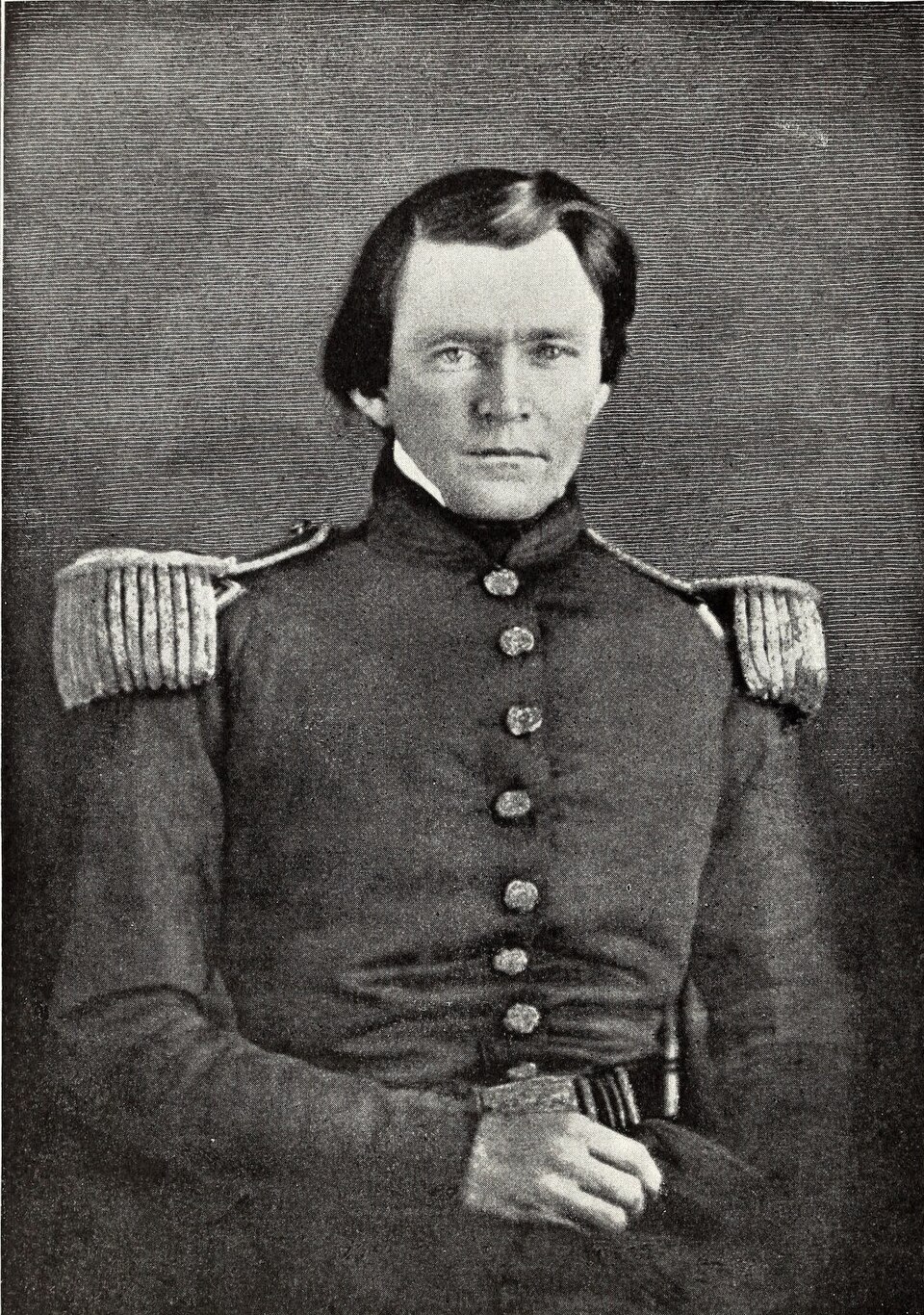
Photo from Wikimedia Commons
Illinois Congressman and future president Abraham Lincoln called the war “unnecessarily and unconstitutionally commenced by the president” and accused Polk of being “a bewildered, confounded and miserably perplexed man.” He introduced “spot resolutions” to demand proof that American blood was shed on U.S. soil rather than in disputed territory.
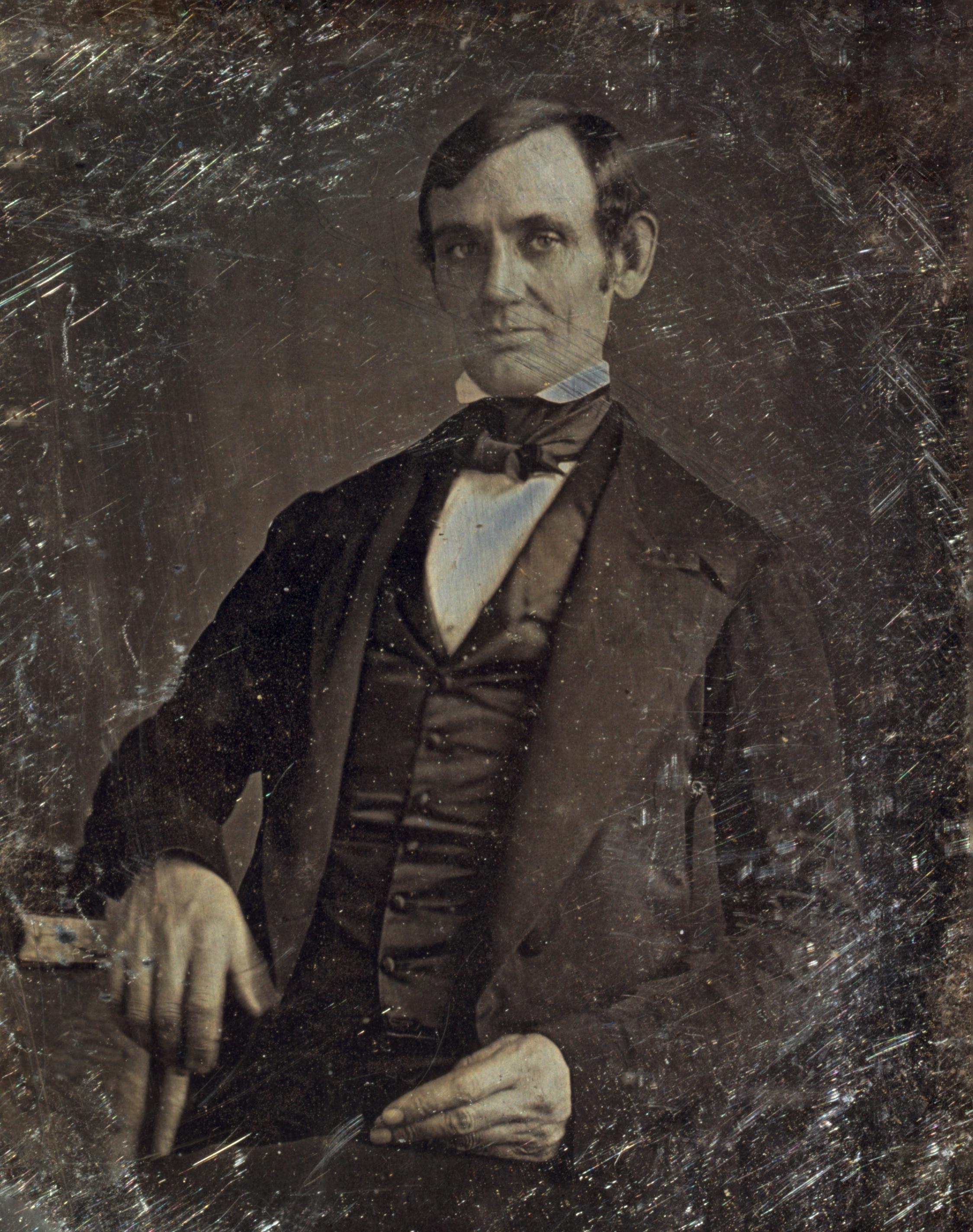
Photo from Library of Congress
The Mexican-American War
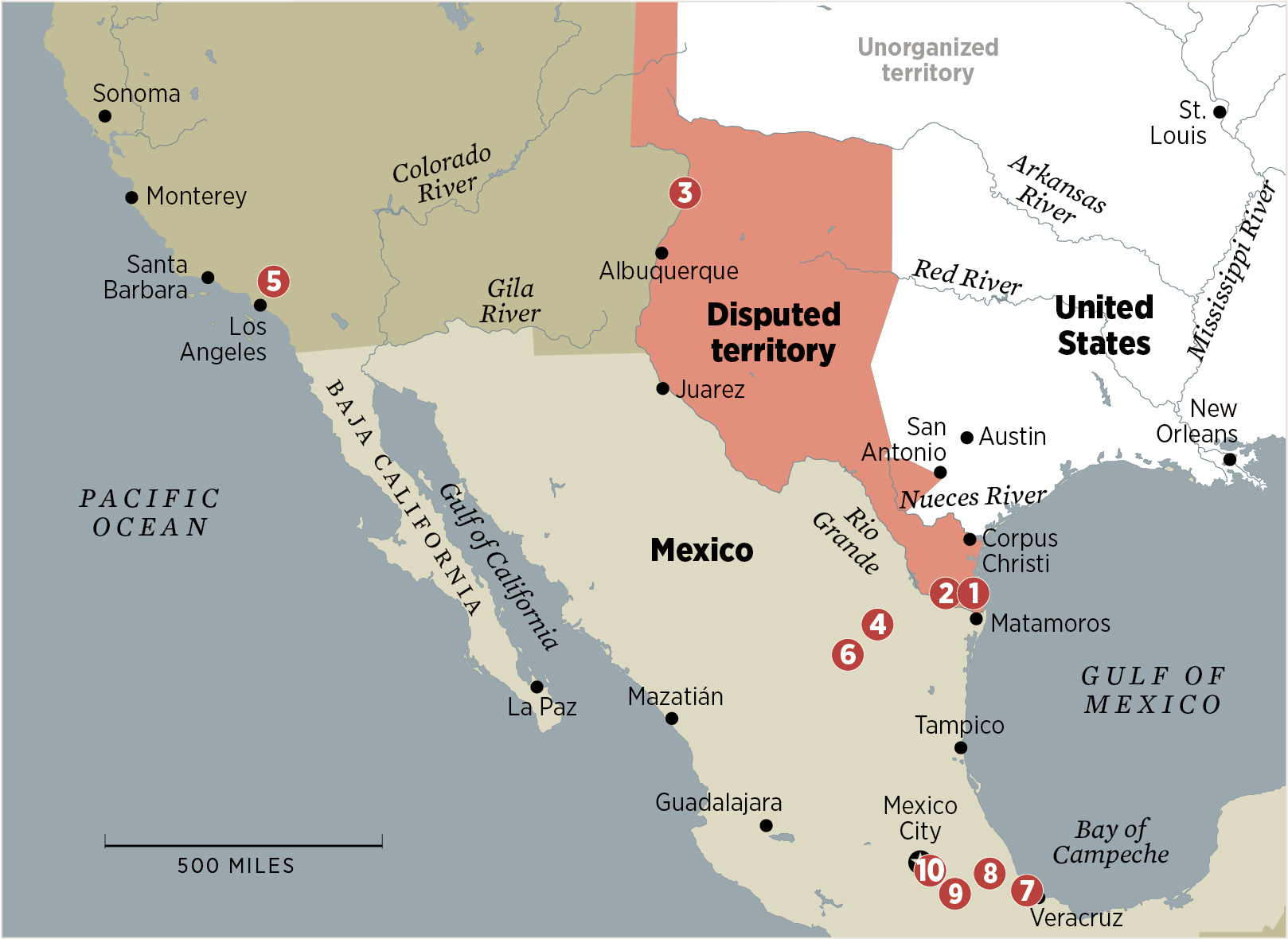
April 25, 1846
In the Rancho Carricitos skirmish — also known as the Thornton Affair — Mexican troops attack U.S. calvary units in the disputed territory north of the Rio Grande. This gives Polk the excuse he needed to declare war.
May 8 - 1
The first major battle of the war, the Battle of Palo Alto, is fought on disputed ground five miles from the present-day city of Brownsville, Texas.
May 9- 2
Mexican forces retreating from Palo Alto take refuge in an old dry channel of the Rio Grande. In the Battle of Resaca de la Palma, Gen. Zachary Taylor’s forces succeeded in driving Mexican forces out of the disputed territory.
May 13
Congress declares war on Mexico.
August 18 - 3
U.S. forces occupy what is now Santa Fe, New Mexico, without firing a shot in the Battle of Cañoncito.
August
Former Mexican president and general Antonio López de Santa Anna promises Polk if he’s allowed to leave exile in Cuba — where he’s been since surrendering at the end of Texas’ war for independence — he’ll help talk Mexico into accepting Polk’s original offer. Polk orders him released, but Santa Anna goes back on his word and takes charge of the Mexican army.
Sept. 20-24 - 4
U.S. regulars, volunteers and Texas Rangers earn a hard-fought victory in Northern Mexico at the Battle of Monterrey.
January 1847 - 5
American forces in California win the Battle of Rio San Gabriel and the Battle of La Mesa near present-day Los Angeles. On Jan. 13, a treaty is signed, ending fighting in California.
Feb. 22-23 - 6
Santa Anna leads a force of 14,000 men against Taylor’s 5,000 men in the Battle of Buena Vista. U.S. troops are nearly overrun until U.S. artillery begins firing at close range. The victory gives Taylor control of all of northeastern Mexico.
March 9-27 - 7
U.S. forces under Gen. Winfield Scott make the first successful amphibious landing in U.S. history and begin the Siege of Veracruz.
April 18 - 8
Scott’s troops rout Santa Anna’s forces in the Battle of Cerro Gordo.
May 15 - 9
Mexico’s second largest city, Puebla, offers little resistance to Scott and surrenders, opening the path for U.S. troops to advance on Mexico City.
Sept. 13 - 10
In the Battle of Chapultepec, U.S. troops storm a mountaintop castle, where a group of teenage Mexican military cadets fight to the death, becoming known as “Niños Héroes,” or “Heroic Children.”
Sept. 14
U.S. troops march into Mexico City, ending the fighting in Mexico.
Feb. 2, 1848
The war officially ends with the signing of the Treaty of Guadalupe Hidalgo. The U.S. gains 525,000 square miles of territory, which now make up much of the states of New Mexico, Utah, Nevada, Arizona, California, and Texas, as well as western Colorado. In return, the U.S. pays Mexico $15 million and pledges that Mexicans who remain in that territory can retain their land and will be granted U.S. citizenship.