

Millions of Species
A new study estimates that Earth has almost 8.8 million species, but the vast majority of those species are types of animals yet to be discovered. And they could be in our own backyard, scientist say.
Section:Picture story
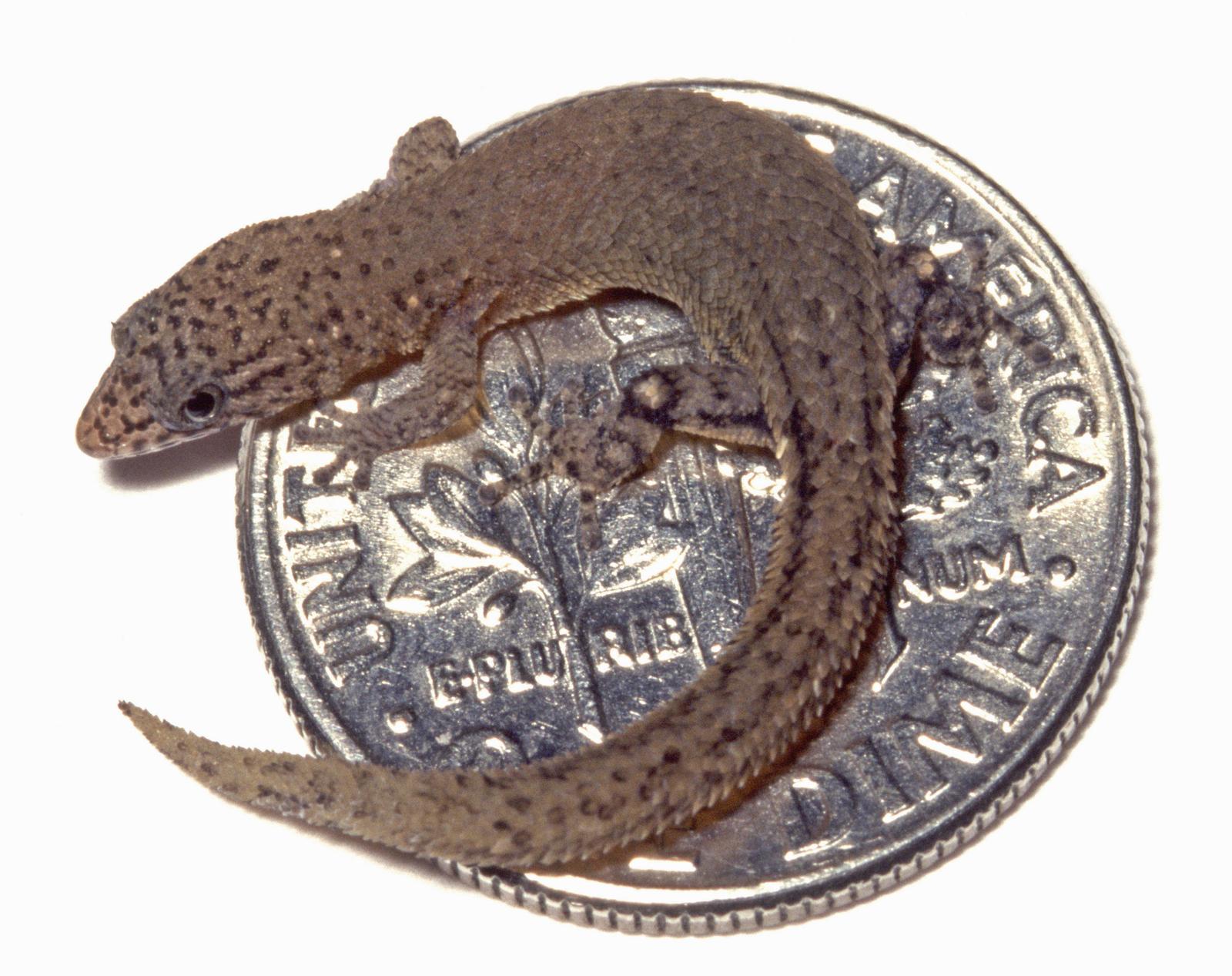
This undated photo provided by Penn State University Prof. Blair Hedges shows a Caribbean gecko, Sphaerodactylus ariasae, one of the two smallest reptile species known to exist, curled up on a dime. Found in the Dominican Republic, the gecko is about 16 mm, and is also the smallest amniote vertebrate of 25,000 species (includes birds, mammals, and reptiles). Hedges described “I found it with a colleague, while crawling on my hands and knees among dead leaves, anticipating a small lizard, but that not that small!” He said.
Penn State University, Blair Hedges Associated Press
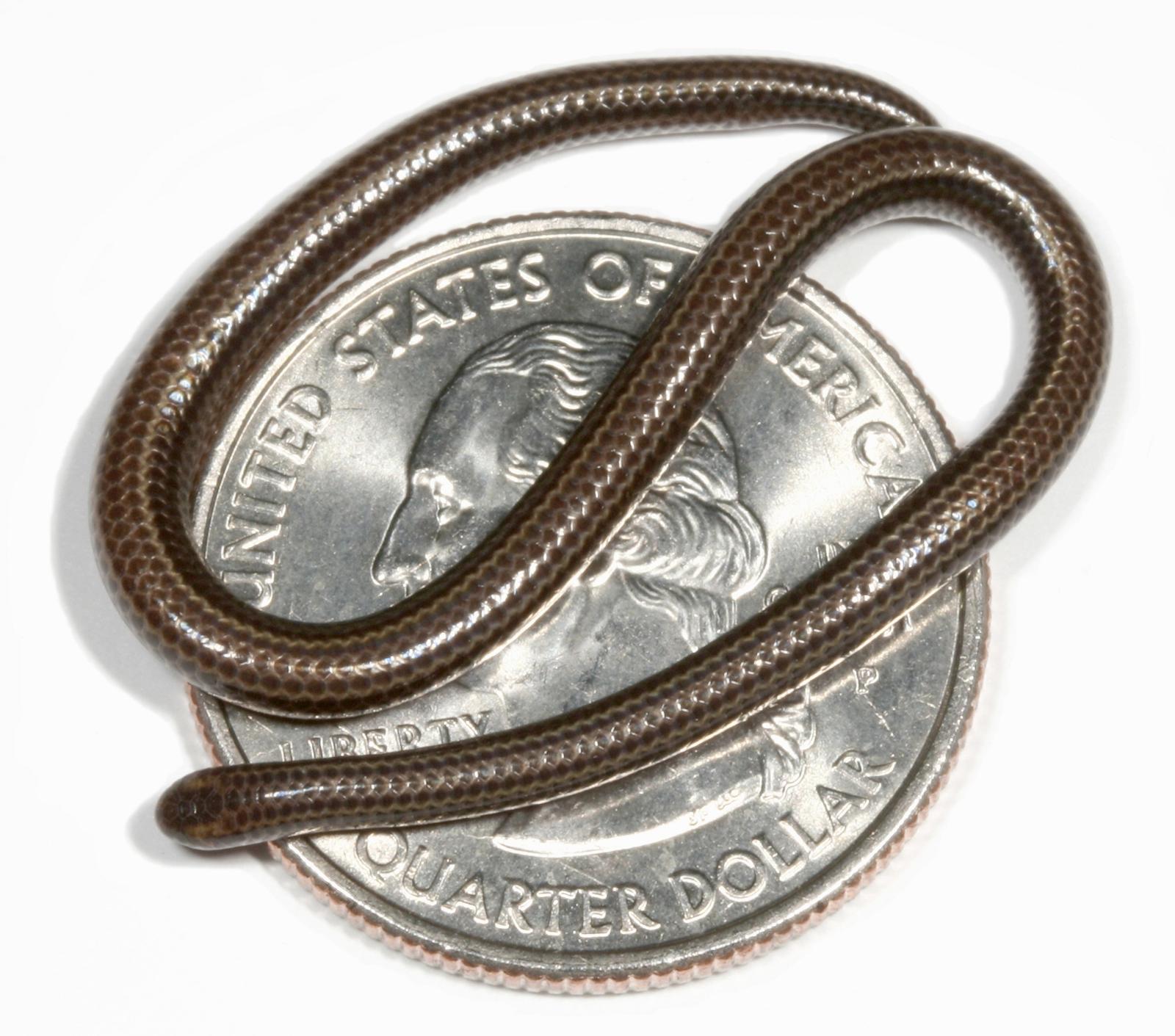
This undated photo provided by Penn State University Biology Prof. Blair Hedges shows a threadsnake, the smallest snake species currently known to exist, curled up on a quarter. The tiny snake, found in Barbados, is approximately 1000 mm long, lays one single long egg, and is the shortest of 3,000 species of snakes. Scientists now think there may be 8.8 million species on Earth, but nearly 7 million of them haven’t been discovered yet because they’re too small and hard to find. This threadsnake found as a new species in 2008 by Penn State University professor Blair Hedges in Barbados. It’s the shortest snake in the world, measuring only four inches long.
Penn State University, Blair Hedge Associated Press
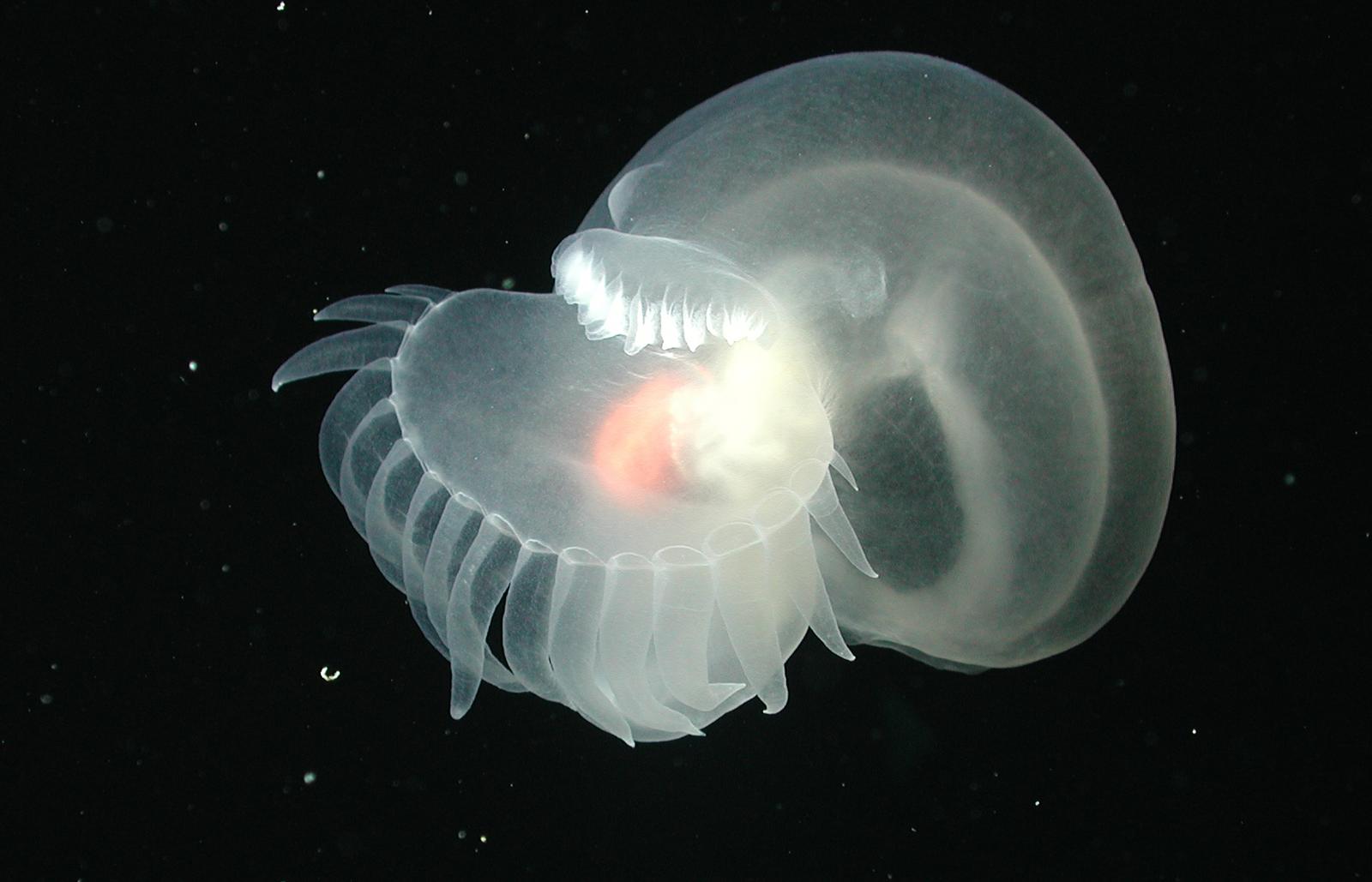
This image, taken in 2002, about one mile deep near a huge underwater volcano near Monterey Bay, provided by NOAA shows this strange marine animal, thought to be a new species that has yet to be described or named. It is a type of mollusk, called nudibranch, that sheds its shell early in life.
NOAA Associated Press
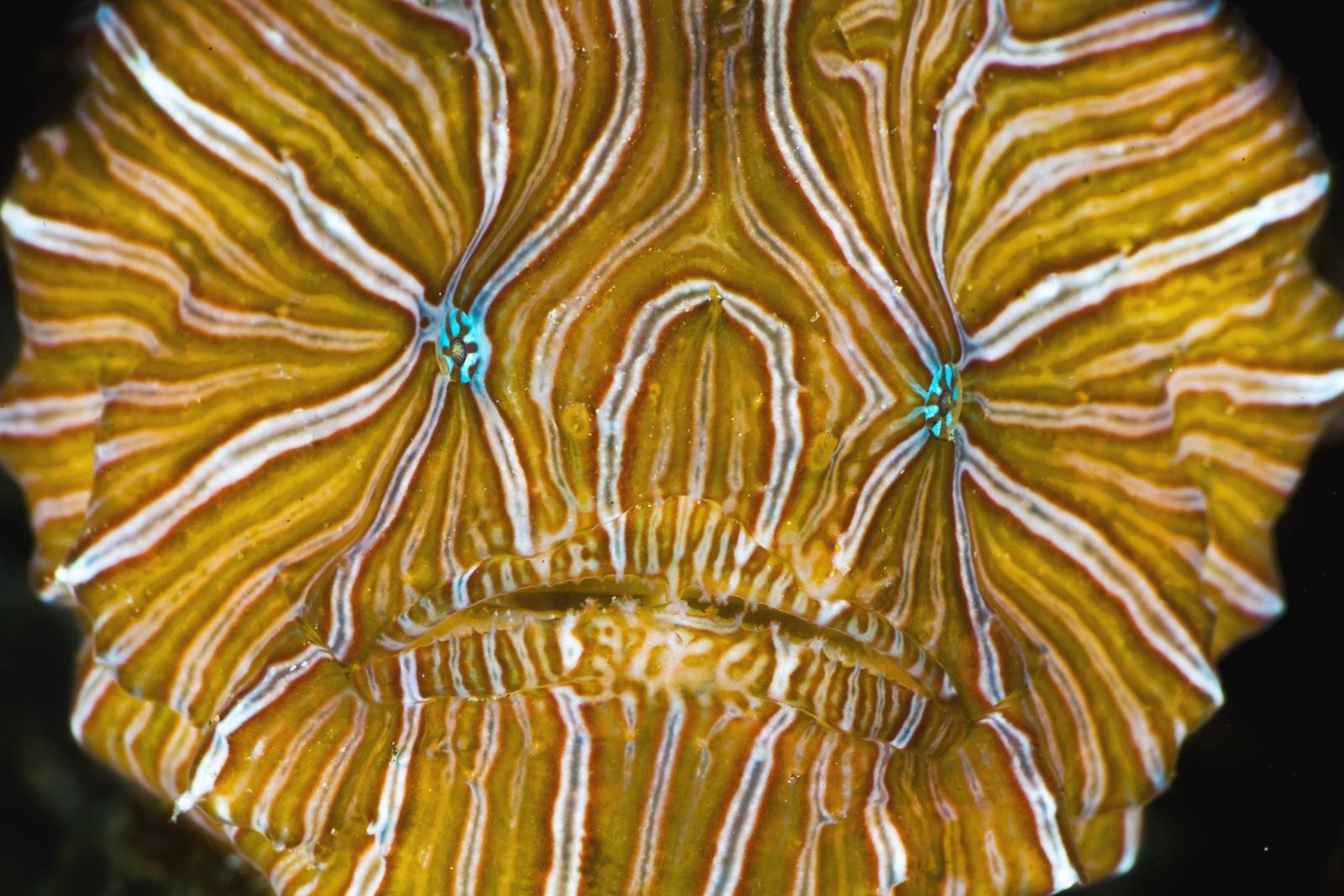
This undated image provided by seaphotos.com shows the face of a Histiophryne psychedelica, a highly atypical a psychedelic frogfish (Antennaridae) first described in 2009 from a handful of specimens photographed in Ambon, Indonesia in 2008. It has a vestigial, non-functional lure (illicium/esca) and probably traps its prey inside coral holes and crevices or within coral rubble. The unusual pattern is thought to mimic the appearance of several kinds of hermatypic coral, and while varying slightly from individual to individual, appears to remain unchanged throughout the life of each individual.
David Hall Associated Press
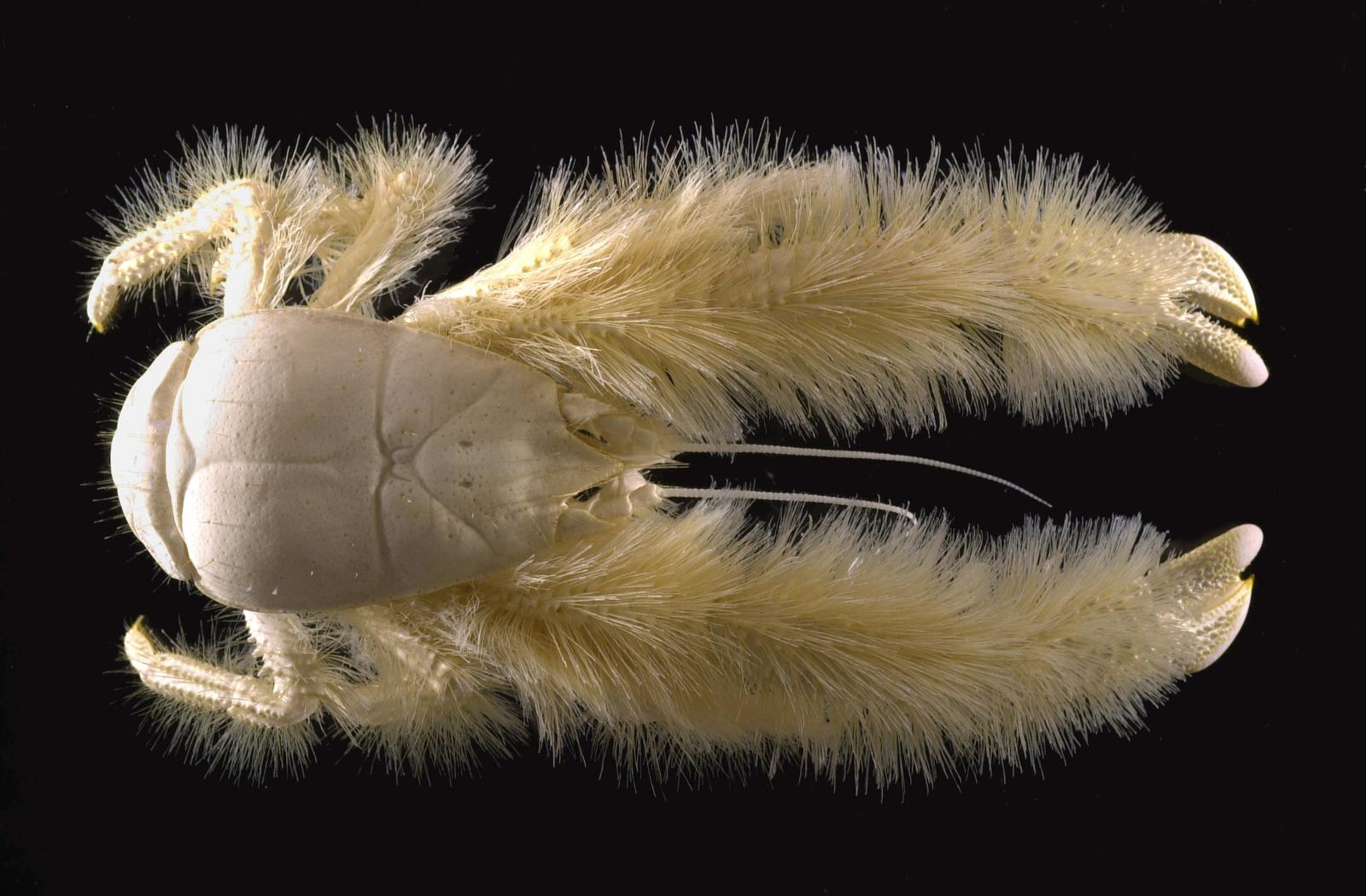
This undated handout image provided by the National Museum of National History in Paris, France, shows a blind new species, distantly related to the squat lobster family, which was found in 2005 in hydrothermal vents where the East Pacific Rise meets Antarctica. We live in a much wilder world than it looks. A new study estimates that Earth has almost 8.8 million species, but the vast majority of those species are types of animals yet to be discovered. And they could be in our own backyard, scientist say.
Michel Segonzac, National Museum of National History in Paris, France Associated Press
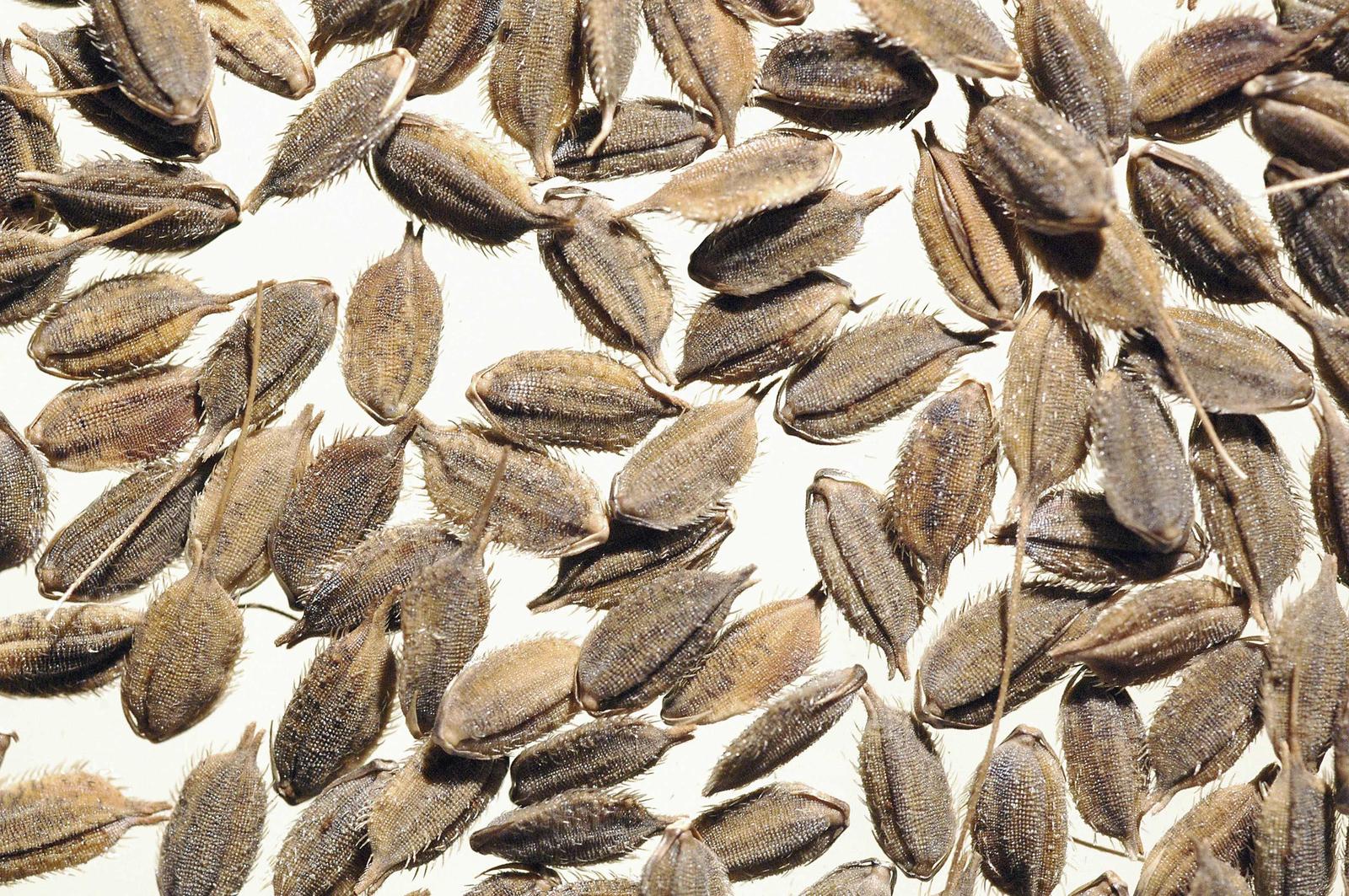
This undated image provided by the International Rice Research Institute shows Oryza officinalis photographed in the Philippines. It’s not just new animal species that are still to be discovered. Scientists are looking for and finding wild plant species such as strains of wild rice that may help feed the world better. This photo of a wild rice strain is from the International Rice Research Institute.
International Rice Research Institute, Raymond Panaligan Associated Press
Share on Social Media