
Marathon mice created
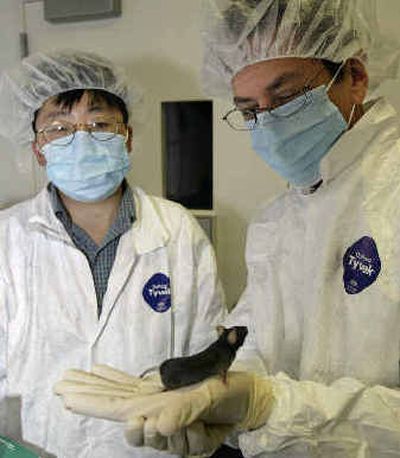
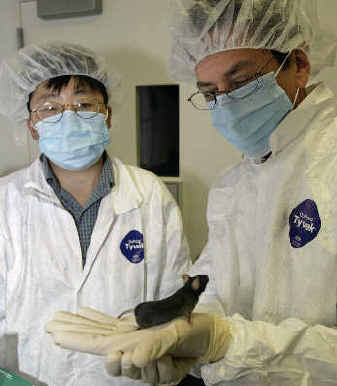
SAN FRANCISCO – Researchers on Monday unveiled genetically engineered mice that can run farther and longer than their naturally bred brethren, bringing the “genetic doping” of elite athletes a small step closer to reality.
The creation of the so-called marathon mice, announced Monday, follows earlier genetic engineering work that created “Schwarzenegger mice,” rodents that bulked up after getting injected with muscle-building genes.
The engineered mice racing away on their treadmills are bound to add to the furor over performance-enhancing substances, just as the world’s best marathoners prepare for the Olympic event Sunday.
The gene engineered in these mice essentially mimics exercise: Researchers say it conferred endurance and prevented the modified mice from becoming obese — even when they were kept inactive and fed a high-fat diet.
“This is a real breakthrough in our understanding of exercise and diet and their effects on obesity,” said lead researcher Ronald Evans of the Salk Institute in San Diego. “The practical use of this discovery is the implication in controlling weight.”
The paper describes how engineered mice, even the couch potato variety, were able to run farther and longer if their “fat switch” genes remain switched on continuously. The engineering also appeared to make them immune to obesity.
Evans found the gene he dubbed the “fat switch” more than 10 years ago, but it is only just now that its broad implications are being understood. Evans now believes his work has implications for just about every disease of the metabolism, from obesity to heart disease.
Many predict that steroids, growth hormones and other drugs and chemicals that cheating athletes take to shave the smallest sliver of a second off their times will soon seem quaint — replaced by hard-to-detect genetic engineering, which could become commonplace in the near future.