
Skils’kin is ready to work

A newly relocated and renamed Spokane nonprofit is close to being awarded a contract worth $1.6 million a year for grounds- keeping at F.E. Warren Air Force Base in Cheyenne, Wyo. As soon as a project manager can be hired to implement the contract, the organization will place a full-page ad in the local newspaper soliciting employment applications.
The phone, says Glen Grussaute, will ring off the hook. People with disabilities want to work.
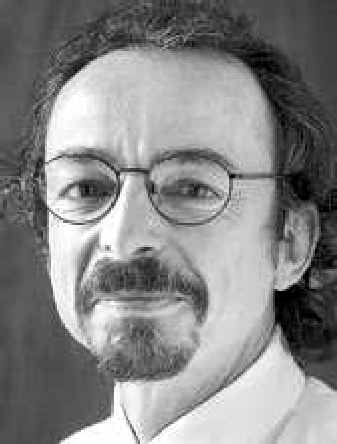
Grussaute is the chief executive officer of Skils’kin, which has been known as the Pre-Vocational Training Center. The new name, a Salish word for a place of self-discovery, was changed to reflect what he says is a long-overdue shift of emphasis at the Spokane organization.
Skils’kin clients have developmental or physical disabilities, including some that resulted from workplace injuries.
The timing of the name change corresponds with Skils’kin’s move from a ramshackle building on Ruby to a more out-of-the-way but newer building at 4004 E. Boone. There’s lots of new paint, more space, and the expectation the company will be better able to serve clients across a territory far more expansive than just Eastern Washington.
Where there are opportunities for workers with disabilities, Grussaute says, “The vision is to become the best and the provider of choice in the Northwest.”
Grussaute says that was his goal when the Skils’kin board of directors hired him out of retirement. A new state of Washington mandate that, with some exceptions, everyone aged 22 to 61 in county-funded programs for those with disabilities be on a pathway to a job within two years has lent urgency to the effort.
“What they want to pay for is employment,” he says, not just recreational or leisure activities. Almost two-thirds of those with disabilities are unemployed.
To get more into the work force, Skils’kin has discarded its old approach to providing client services, which more or less just plugged them into whatever existing program had openings. From now on, the organization will do “person-centered planning” that determines the interests and abilities of the individual clients, then finds the employers who have jobs that match their ambitions. The process is the same used for any job placement, Grussaute says.
The employer gets a trained and dedicated employee, tax incentives, and ongoing support from Skils’kin.
“We’re going to bring you an employee who values the job,” Grussaute says.
He says the pending agreement with the Air Force base in Cheyenne is an opportunity brought to Skils’kin because of the performance of its employees at Fairchild Air Force Base, where about 100 clients maintain the buildings and the grounds. Skils’kin is the contractor for the work, as it is for light manufacturing, packaging and other tasks performed at the sheltered workshop within the East Boone center.
More of its 200-plus clients are placed with about 35 private-sector employers. Skils’kin, with an annual budget of slightly more than $5 million, has hired new managers who will try to recruit more businesses, then train employees and provide the workplace support to keep business and worker happy.
Grussaute says the key to helping keep clients content is listening when they express their goals. When a job fulfills their vision, problems with bothersome behavior go away. Those with disabilities, he adds, are “brutally honest” when they are unhappy.
Grussaute, who has worked with those with disabilities for 35 years, knows there will be problems on the way to fulfilling the vision of Skils’kin. Many clients, particularly those in their 40s and 50s, do not understand the concept of work. About 35 have been kept active doing arts and crafts that are occasionally offered for sale.
Younger clients who have been familiarized in public schools with work and volunteering are better prepared, Grussaute says.
Clients who have not been in the workplace will have to be assessed and, with family consultation, trained for a job, even if they may not be able to work outside the sheltered workshop. Those transitions will be difficult, and have caused anxiety within the disabled community, he says.
Skils’kin may not succeed the first time, but Grussaute is a believer in the process, and the better outcomes possible for clients, employers and the community. On Friday, from 3 p.m. to 6 p.m., Skils’kin will hold an open house to reintroduce itself to Spokane. Go. Share the vision.