
Sharon passes no-confidence vote

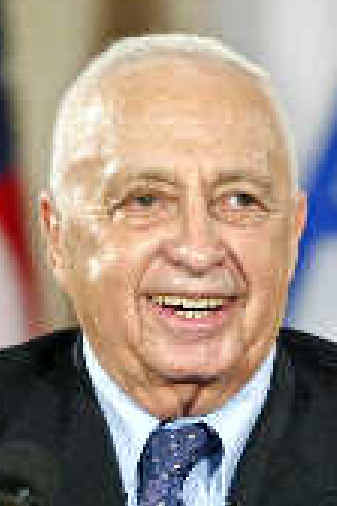
JERUSALEM – Prime Minister Ariel Sharon survived no-confidence votes in parliament Monday, a sign that his coalition is in no immediate danger of collapse, despite Cabinet approval of a divisive Gaza withdrawal plan a day earlier.
However, Sunday’s historic vote to pull out of Gaza by the end of 2005 left Sharon’s coalition increasingly brittle and could lead to new political alliances, or even elections, in the coming months.
“Without doubt, the political ground is shaking today,” said legislator Avraham Burg of the moderate opposition Labor Party.
Also Monday, two Palestinians, including a mentally disturbed man, were killed by Israeli troops. The army also said it was investigating the death of a paralyzed Palestinian man who was fatally shot by troops a day earlier.
In Sunday’s meeting, the Cabinet approved a Gaza withdrawal in principle, but in a nod to hardliners imposed a freeze on the actual dismantling of the 21 Gaza settlements for nine months.
But during this period, the government will complete preparations for removing the settlers. By March 1, the Cabinet will vote on the first of four phases of taking down settlements, to be concluded by the end of 2005.
Forecasting an ongoing political battle, ex-premier Benjamin Netanyahu, a leader of pullout opponents from Sharon’s Likud Party, denied the Cabinet decision calls in principle for removal of settlements.
“It doesn’t obligate us to do anything,” he told reporters. “It requires us to examine (the subject), and that’s what we’ll do.”
Monday’s two no-confidence motions, both on economic issues, were rejected 41-31, with 15 abstentions, and 41-26, with 22 abstentions.
On Monday, Israeli Foreign Minister Silvan Shalom held talks in Cairo with Egyptian President Hosni Mubarak to define Egypt’s security role in Gaza after an Israeli withdrawal.
Under an emerging agreement, Egypt would send 200 security advisers to Gaza to train Palestinian security forces and deploy an additional 100 officers on the border with Gaza to stop weapons smuggling into the coastal strip.
Egypt has agreed to play an active role, in part because of concern about a possible takeover of Gaza by Islamic militants after Israel leaves.
Egypt has also exerted strong pressure on Palestinian leader Yasser Arafat to agree to long-overdue reforms ahead of a withdrawal, including naming new security chiefs and giving more authority to his prime minister.
Over the weekend, Arafat informed Egypt he is ready to comply, but Palestinian officials declined to say what reforms he endorsed.