
Dean takes blame for campaign mistakes
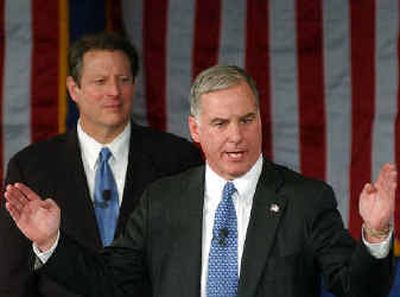
SOUTH BURLINGTON, Vt. – In Howard Dean’s assessment of his White House campaign, the beginning of the end came with the endorsement from former Vice President Al Gore.
Dean believes the nod from the man who lost – some contend was robbed of – the 2000 election was so potent it galvanized his rivals.
“Everyone figured, including Bill Clinton, that we were going to win the whole thing when that happened,” Dean told the Associated Press. “They figured that was it. The other five guys started having meetings about how to take us down after that happened.”
Dean took responsibility for every action that led to the failed candidacy. “I will take all the blame,” he said. “I oversaw those decisions and I accepted them and I approved them.”
The former Vermont governor wished he had had better debate preparation and more media training. Members of his staff were spread too thin, he said, and did poorly handling the press.
Dean believes he should have asked his wife, Judy, a doctor, to join him on the campaign trail sooner.
“She was a huge hit,” he said. “We got all these wonderful letters afterward saying it was so wonderful to see a normal person just like me in this role. I was shocked by how well she did and I was more shocked that she liked it. She was great!”
The missteps that allowed John Kerry and John Edwards to turn Dean from front-runner before the Iowa caucuses to a distant third are readily ticked off.
“I think Kerry pulled himself together to do a good job in Iowa and he should be given credit for it,” Dean said. “Secondly, we peaked too early and gave everybody an opportunity to go after us. We knew that whoever won Iowa was going to win the whole thing and we just peaked too early, and there was not much we could do about it.
“Third of all, because I started out from so far behind, we never really had the money, and then we didn’t have the time, to build the kind of infrastructure you need to sustain you through a campaign the whole way.”
One year after he undertook his campaign and five months after the Iowa caucuses effectively ended his bid, Dean does not spend much time thinking about the mistakes.
Instead, he reflects on his legions of supporters, particularly those who say they became involved in politics because of his campaign.
“People would work 16 hours a day on top of their job, 60 hours a week on top of their jobs. People quit their jobs,” he said. “Look at the kids. They just drove to Burlington. It was just shocking to me. I never thought anything like that was going to happen.”
For them, Dean was the straight-talking outsider, filling the political void with brutal criticism of President Bush and Democrats who, Dean felt, were all too ready to compromise on tax cuts, Iraq and education legislation.
“There was an enormous vacuum, and the Washington guys didn’t get it until much later,” he said. “Nobody was saying the things that needed to be said. The Democrats were terrified of Bush.”
It is the thought of those supporters – and perhaps a nagging concern about disappointing them – that keeps Dean on the road six days a week, long after his campaign ended, to work for Kerry and others. Gone are the chartered planes, the entourage, the press and the aides.
“I think if I had dropped out of the race … and said that was that, that would have been a terrible thing to do,” Dean said. “Because it would have just been about me – and it never was.”